Quick Answer
Finger pinch guards are simple foam bumpers that keep interior doors from closing fully, protecting tiny fingers. Door jammers (or door stoppers) wedge under the door to hold it open. Choose a pinch guard for everyday doors your child touches; choose a door jammer for heavy doors or when you need a temporary hold.
How Finger Pinch Guards Work
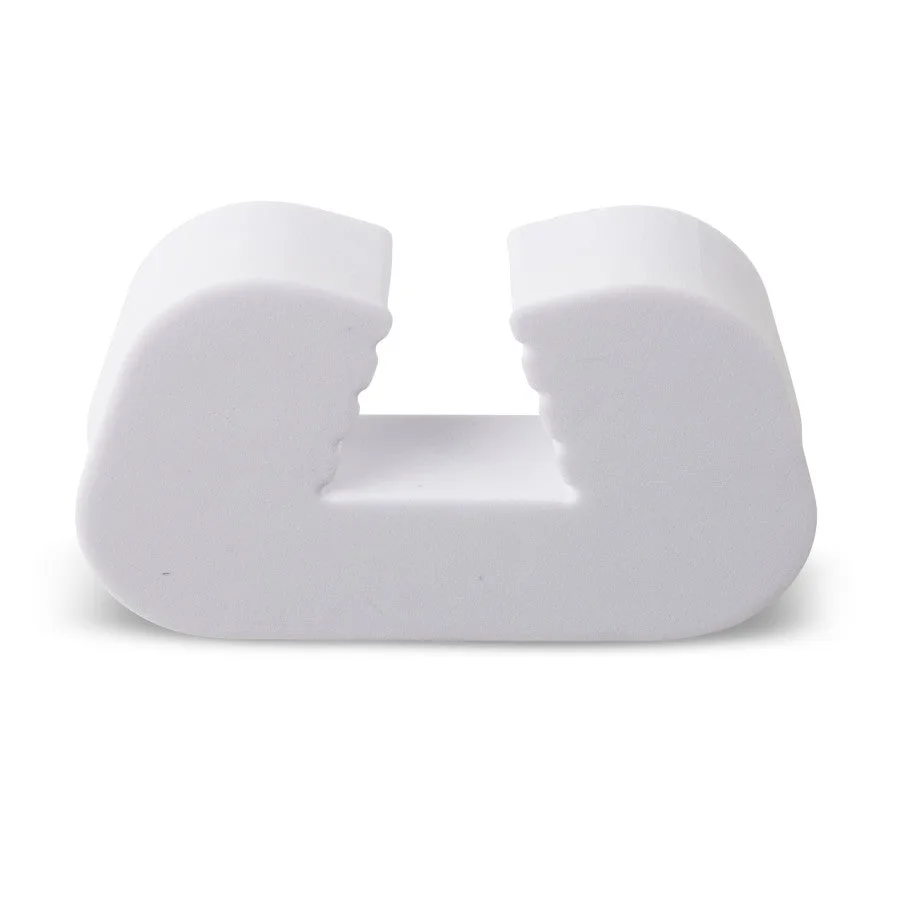
A finger pinch guard, like the Evenflo Finger & Hand Pinch Guard Support, is a soft foam bumper that props your interior door open a few inches. It blocks the door from fully closing against the jamb, so even if a child pushes or pulls the door, their fingers won't get caught. Installation is simple—no tools required—and it stays in place until you remove it.
How Door Jammers Work
Door jammers (or door stoppers) are typically wedge-shaped devices you slide under a door to hold it open. They rely on friction and the door's weight to stay put. While effective for keeping a door from swinging shut, they don't prevent a child from pulling the door closed on their own fingers if the wedge shifts. They are better suited for temporary use, like when you need to carry groceries inside.
Key Differences at a Glance
The main difference is how each device prevents injury. A pinch guard creates a permanent gap that stops the door from closing fully, protecting fingers at all times. A door jammer holds the door open but can be dislodged by a child or pet, and it doesn't protect fingers if the door is pulled shut. Pinch guards are best for doors children frequently access; door jammers are better for heavy exterior doors or occasional use.
Tradeoffs at a Glance
- Finger Pinch Guard: Pros: Easy install, no tools, permanent protection, prevents finger pinching. Cons: Only works on interior doors, keeps door slightly open (may not suit all rooms). Best for doors you want to keep accessible but safe, like bedrooms or playrooms.
- Door Jammer (Wedge): Pros: Works on any door, temporary, easy to remove. Cons: Can be dislodged, doesn't protect against finger pinch if door closes, may not fit all door gaps. Best for heavy exterior doors or when you need a quick hold, not for everyday toddler safety.
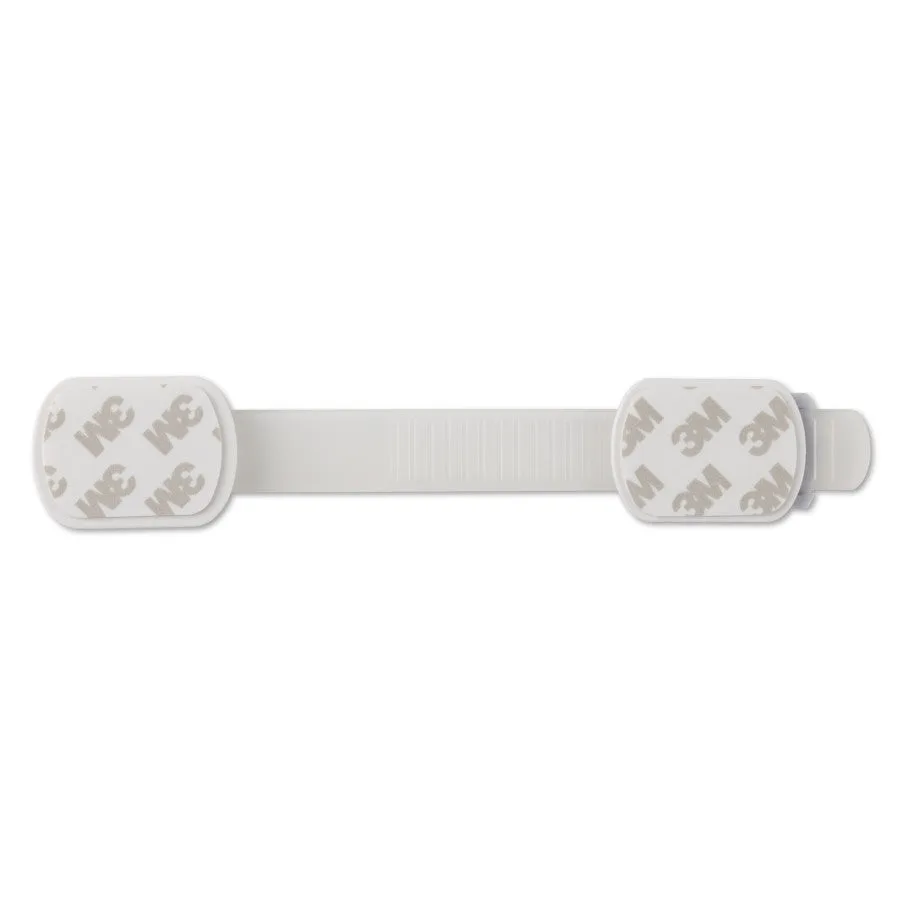
- Multi-Purpose Strap Latch: Pros: Prevents opening of cabinets, drawers, and appliances. Cons: Requires adhesive, not for doors you want to keep open. Best for securing cabinets and drawers where pinch guards won't work.
Product Facts
- Finger & Hand Pinch Guard Support: The Evenflo Finger & Hand Pinch Guard is a simple foam bumper that props your interior door open a few inches, blocking it from fully closing against the door jamb. Installation is a no-brainer. This means you can install it in seconds without any tools, and it stays in place to protect your child's fingers every time the door is used.
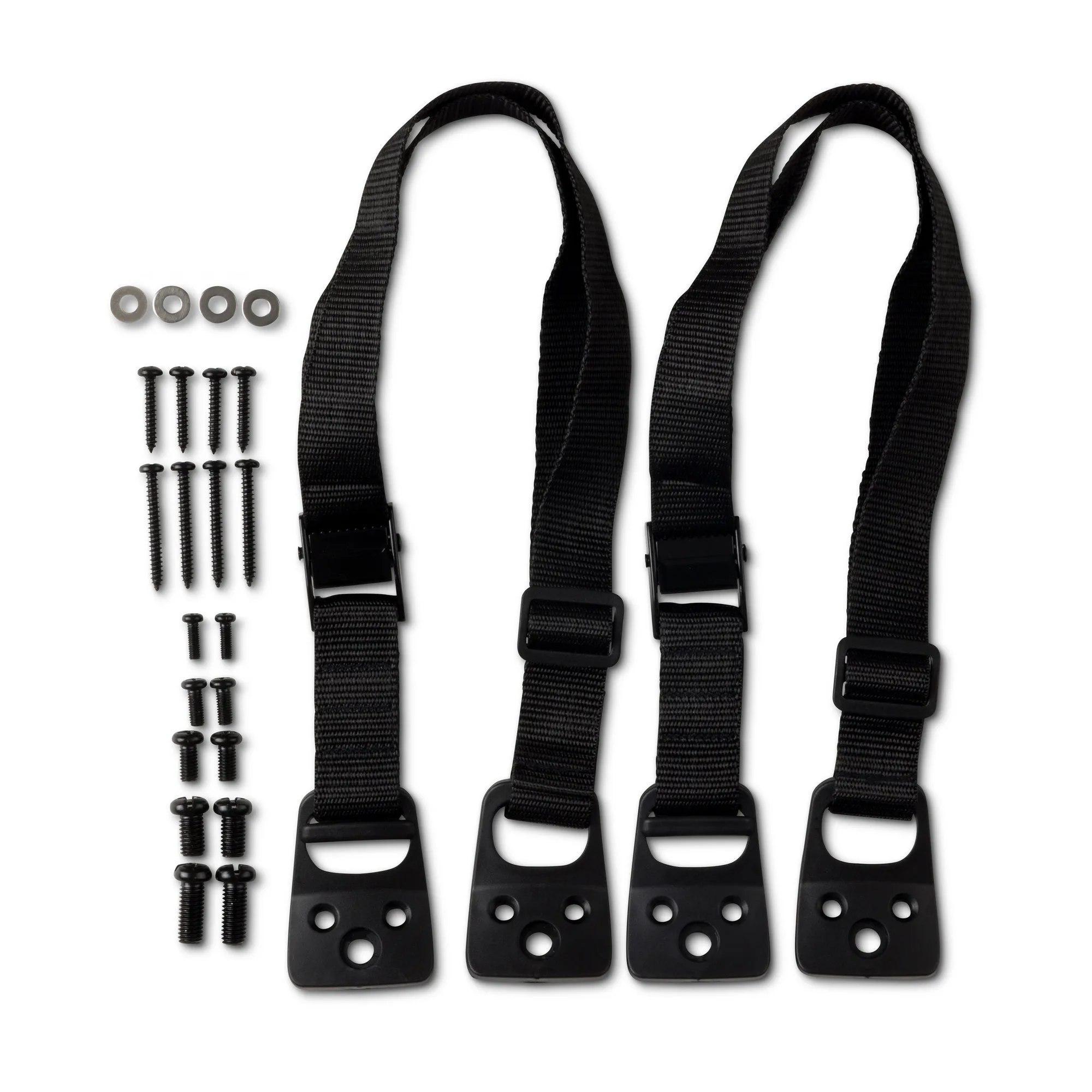
- Multi-Purpose Strap Latch Support: The Evenflo Multi-Purpose Strap Latch helps to prevent your child from opening drawers or appliances such as refrigerators and freezers — even hinge-top garbage cans. Strong, high-quality adhesive backing affixes the adjustable, customizable strap latch to doors and drawers you wish to keep your little one out of. While not a door jammer, this strap latch is a better alternative for cabinets and drawers where a pinch guard won't fit, offering versatile baby proofing beyond doors.
Which One Should You Choose?
Best for
- Parents who want a set-and-forget solution for interior doors their toddler can reach.
- Homes with standard interior doors where a slight gap is acceptable.
- Families who prioritize preventing finger pinching over keeping doors fully closed.
Not for
- Exterior doors or doors where a gap is not acceptable (e.g., bathroom or closet doors).
- Situations where you need a temporary door hold for carrying items through.
- Cabinets, drawers, or appliances—those need a different solution like a strap latch.