Quick answer
Choose a fisheye lens when you want a dramatic, circular 5x ultra-wide look for landscapes, urban scenes, skateboarding, or concerts. Choose a wide lens when you want roughly 2x more field of view than the iPhone's main camera with edge-to-edge clarity and better low-light performance. If you shoot both styles, start with the wide lens because it replaces the iPhone's weaker ultra-wide in more situations.
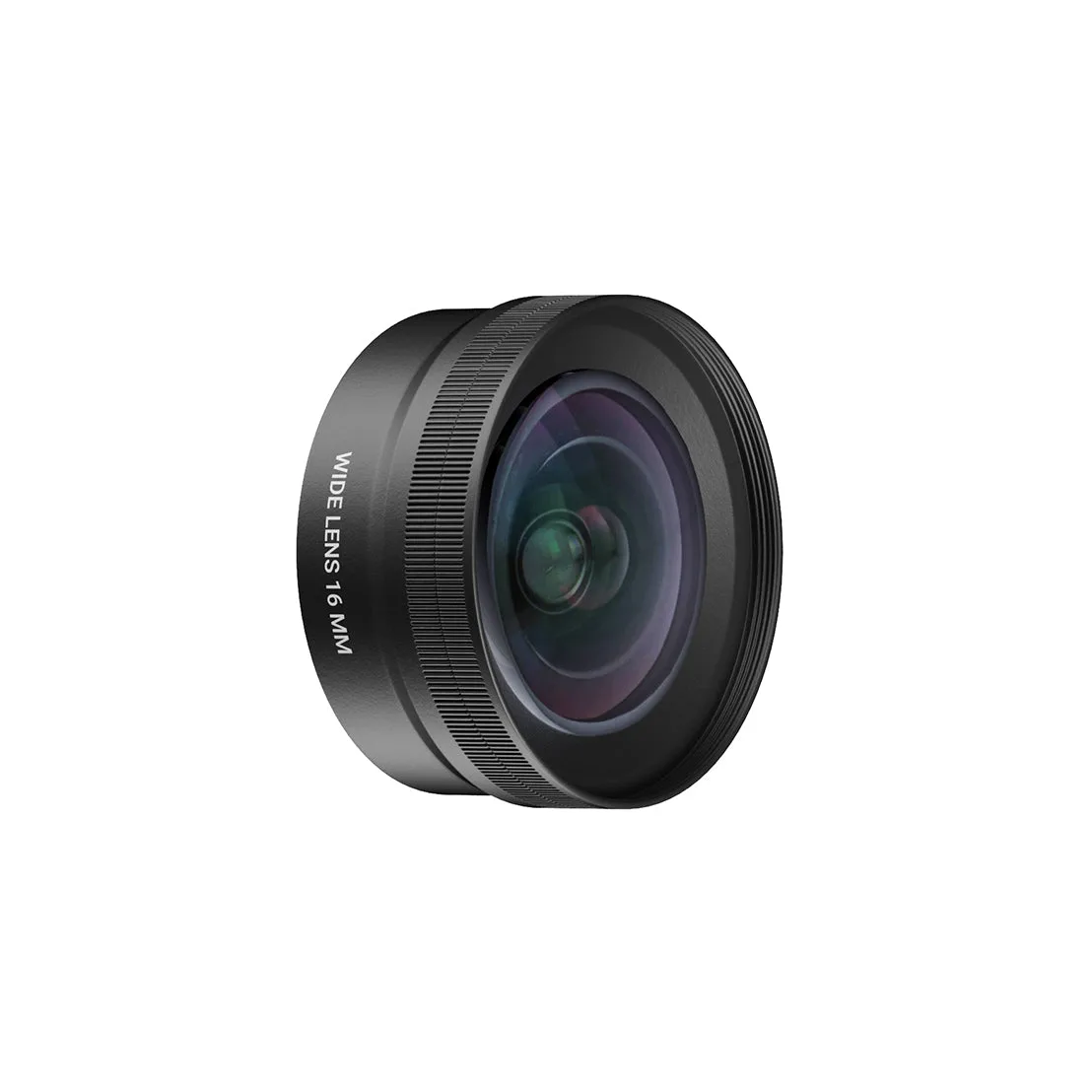
wide lens
Field of view: 5x ultra-wide vs 2x more than the main camera
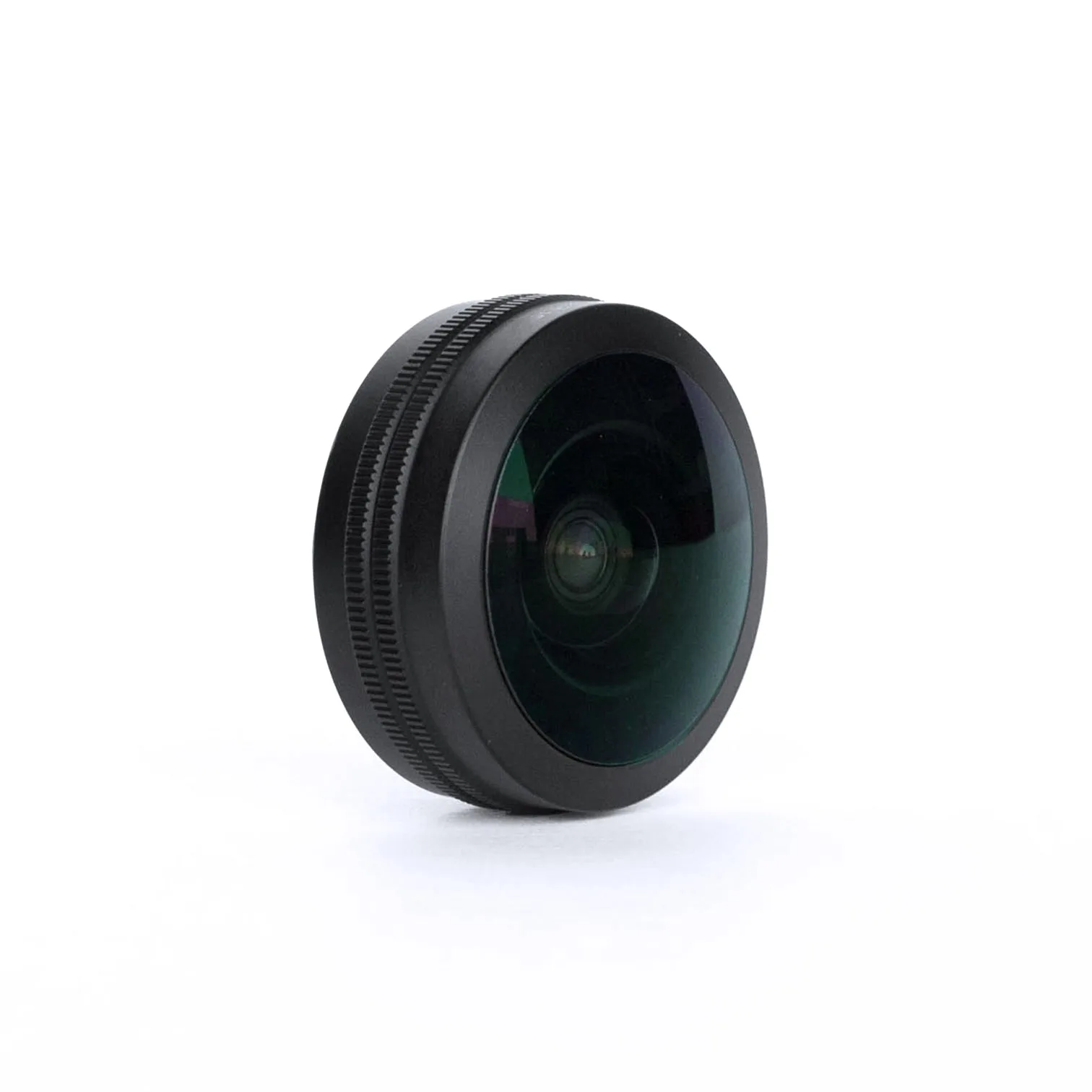
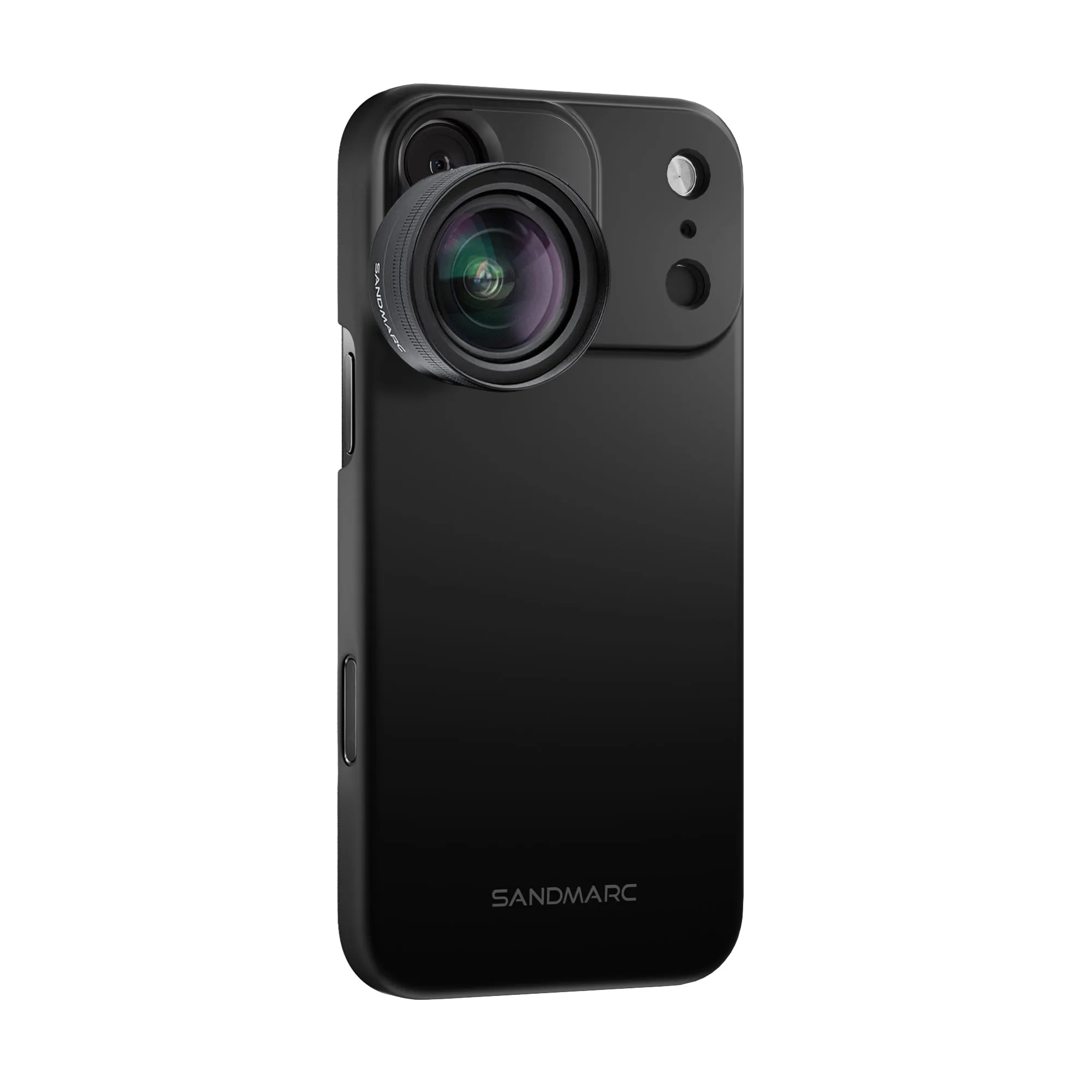
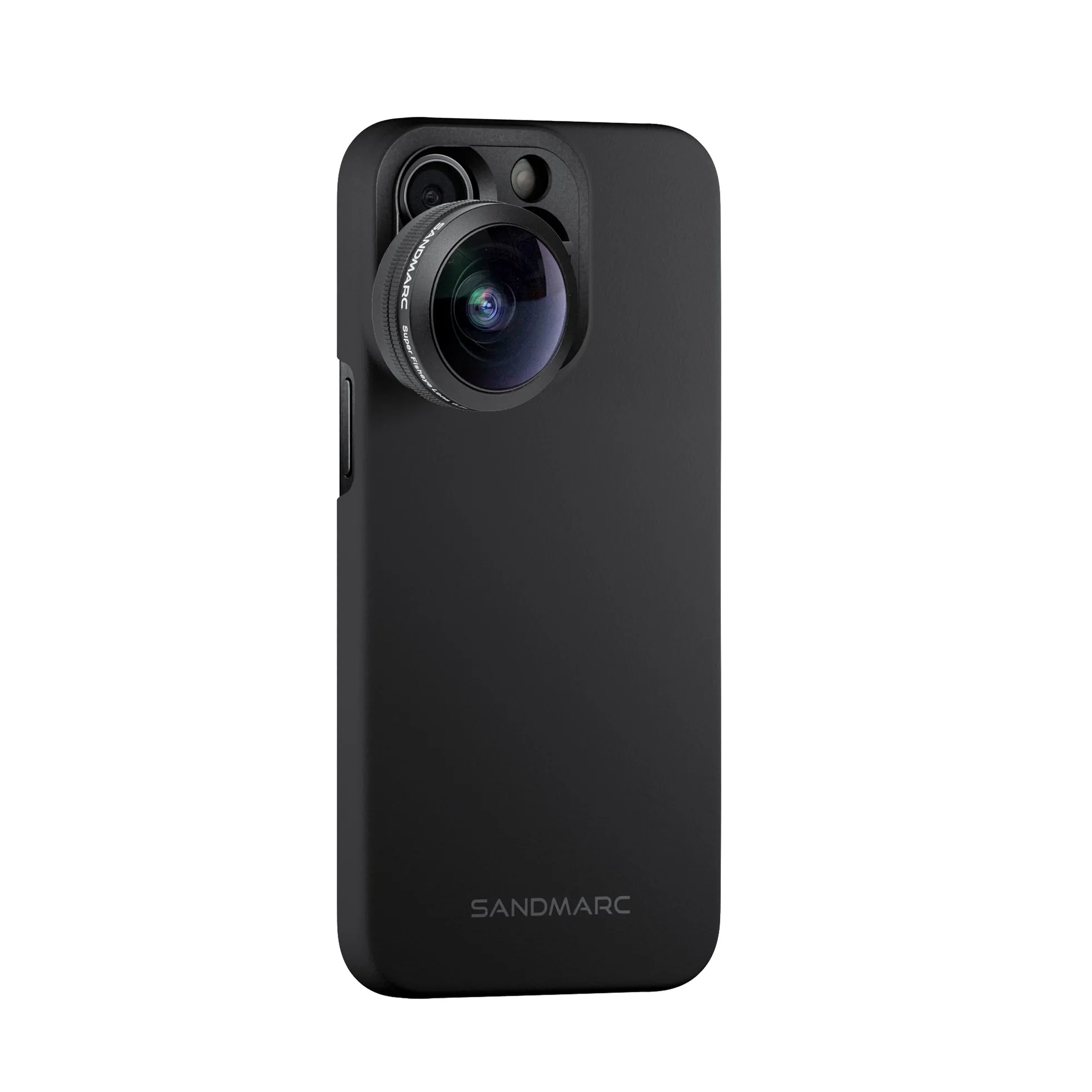
The fisheye lens delivers a 5x ultra-wide field of view, which is nearly 2x the iPhone's built-in Ultra-Wide. That extreme angle bends straight lines near the edges into curves, creating the classic fisheye look. The wide lens captures 2x more field of view while using the iPhone's main camera, so you get a broader scene without the circular distortion. In practice, the fisheye is for a specific creative effect; the wide lens is for a cleaner, more natural expansion of your normal view.
Distortion and edge clarity: creative curve vs true edge-to-edge
The fisheye's appeal is its distortion—it pulls the scene into a bold, spherical composition. If you want straight horizons or architectural lines, that curvature becomes a problem. The wide lens is designed to avoid the iPhone's overly distorted fisheye effect and delivers true edge-to-edge clarity. That makes it more reliable for landscapes, street photography, and group shots where you want the whole frame to look natural.
Low-light performance: why the wide lens often wins indoors
The wide lens uses the iPhone's main camera, which is typically better in low light than the built-in ultra-wide. The fisheye, by contrast, relies on its own 10mm multi-coated optics and a 5x ultra-wide view, which can be more challenging in dim scenes. If you often shoot at dusk, indoors, or at concerts, the wide lens gives you a better starting point for sharp, low-noise images. The fisheye can still work in low light, but expect to stabilize your phone and accept softer edges.
Mounting and everyday carry: clip-on vs dedicated case
Both lenses come with a mounting system. The fisheye includes the world's thinnest lens case and a clip-on mount if you prefer to use your own case or no case at all. The wide lens is part of an edition that includes a dedicated case and clip mount for your iPhone. If you switch cases often, the clip-on option is more flexible. If you want a secure, repeatable fit, a dedicated case is faster to attach and less likely to shift.
Trade-offs at a glance
- Fisheye: dramatic angle vs distortion control: You get a 5x ultra-wide field of view that is nearly 2x the iPhone Ultra-Wide, which is great for skateboarding, concerts, and urban scenes. The trade-off is curved lines and softer edges, so it is harder to use for straight architecture or natural group shots. Pick fisheye when the distortion is the point, not a problem.
- Wide: more scene vs less extreme angle: The wide lens captures 2x more field of view using the main camera, with better low-light performance and true edge-to-edge clarity than the built-in 0.5x Ultra-Wide. The trade-off is you do not get the circular fisheye effect, so the look is more natural and less dramatic. Pick wide when you want a reliable, clean expansion of your normal view.
- Mounting: clip-on flexibility vs dedicated case security: The fisheye includes a clip-on mount for your own case or no case, plus the world's thinnest lens case. The wide lens edition includes a dedicated case and clip mount. Clip-on is more adaptable; a dedicated case is faster and more secure for repeat shoots. Match the mount to how often you switch cases and how quickly you need to attach the lens.
Product facts
- Fisheye Lens Edition - iPhone 14 Plus: Featuring a 10mm multi-coated lens and a versatile mounting system, the SANDMARC Fisheye Lens helps you capture artful images with 5x ultra-wide field of view. Ideal for landscapes, urban, skateboarding, and concerts, the Fisheye Lens comes with the world's thinnest lens case & a clip-on mount if you wish to use your own case or have no case at all. This is the choice for a bold, circular perspective and flexible mounting; the 5x ultra-wide angle is nearly 2x the iPhone Ultra-Wide, so it dramatically changes composition.
- Wide Lens Edition - iPhone 17 Pro Max: The SANDMARC Wide Lens captures 2x more field of view while using the iPhone 17 Pro's main camera; unlocking sharper detail, better low-light performance, and more natural perspective than the built-in 0.5x Ultra-Wide. Unlike the iPhone's ultrawide lens, which suffers in darker scenes and an overly distorted fisheye effect, our Wide Lens delivers true edge-to-edge clarity for landscapes, street photography, group... This is the better everyday wide-angle option when you want more scene without fisheye distortion, especially in low light or when edge sharpness matters.
- Photography Edition - iPhone 15 Pro Max: Drama Filter, Macro and Telephoto lens for your iPhone. Made from premium multi-coated optics, each lens delivers sharp and stunning images. Each lens comes with a dedicated case and clip mount for your iPhone. The Drama Filter is also directly attachable onto the Telephoto Lens, adding versatility to your photography. If each item is purchased separately, the total cost is $369.97. Third-party app required. If your work needs macro or telephoto reach alongside a wide option, this edition bundles those tools with a dedicated case and clip mount, but it does not include a fisheye or a wide lens.
Which lens fits your shot?
Best for
- Shooters who want a bold 5x ultra-wide fisheye look for landscapes, urban, skateboarding, or concerts
- Photographers who need a clean 2x wider field of view with better low-light performance and edge-to-edge clarity
- iPhone 17 Pro Max users who want a wide lens that avoids the built-in ultra-wide's distortion and dark-scene issues
Not for
- Anyone who needs straight lines and natural perspective in every shot (choose the wide lens, not fisheye)
- Shooters who want macro or telephoto reach instead of a wide angle (consider a kit with those lenses)
- Users who prefer a single built-in camera angle and do not want to carry or mount extra glass