Quick answer
Cooperative board games are not automatically easy, not always leader-run, and not only about winning together. The real differences are how information is shared, how much coordination is required, and how the table handles one player taking over. Judge a co-op game by its decision structure, not by its theme.
Cooperative board games get sorted into lazy categories: easy, friendly, leader-driven, or just solo games with extra chairs. Those labels are usually wrong, and they cause real problems at the table. Players pick the wrong game for their group, or they blame the game for habits that belong to the people playing it.
Here are five cooperative board game myths, each with a clear verdict. The goal is not to defend the genre. It is to help you pick, teach, and play co-op games with fewer arguments and better game nights.
Myth 1: Co-op games are easy because everyone wins together
Verdict: false. Winning together is not the same as winning easily. A co-op game can be brutal because the loss condition is shared: one bad round, one ignored threat, or one resource spent at the wrong time can sink the whole team. The pressure is collective, which often makes mistakes feel heavier than they do in a competitive game.
The SPILL: a dynamic co-op game of saving our oceans from a disaster is a useful example. The catalog describes a fully co-op game with a 4-way dice tower pouring oil into the ocean, and a response team working together to avert an ecological disaster. That setup is not a victory lap. It is a race against an escalating problem, and the difficulty comes from coordinating under pressure.
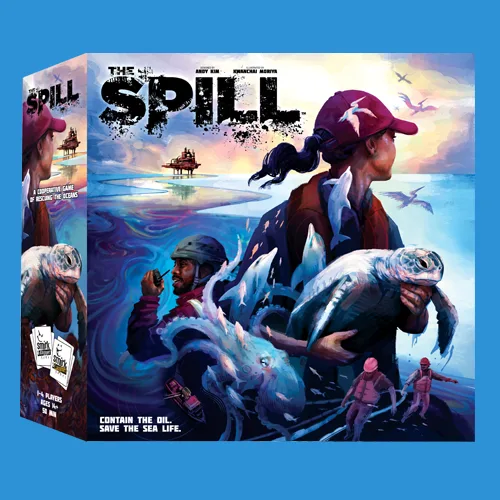
The SPILL: a dynamic co-op game of saving our oceans from a disaster
- Ask how the game creates pressure before assuming it is easy: a timer, a rising threat, or limited actions all change the feel.
- If your group wants a lighter co-op night, choose a game with fewer simultaneous threats rather than assuming all co-op games are gentle.
Myth 2: One player always ends up running the whole game
Verdict: partly true, but it is a table habit, not a genre rule. The alpha player problem happens when one person knows the game best and starts dictating moves. That is a real risk in any co-op game where information is open and one player can see the whole board faster than everyone else.
The fix is structural as much as social. Games that hide information or force individual choices make it harder for one person to run everything. Adventure Party: The Role-Playing Party Game is built around that idea: players roll a 20-sided die behind a player screen so no one can see the result, then describe their character's plan of attack and what happens. When the roll is hidden, the table cannot simply defer to the loudest strategist.
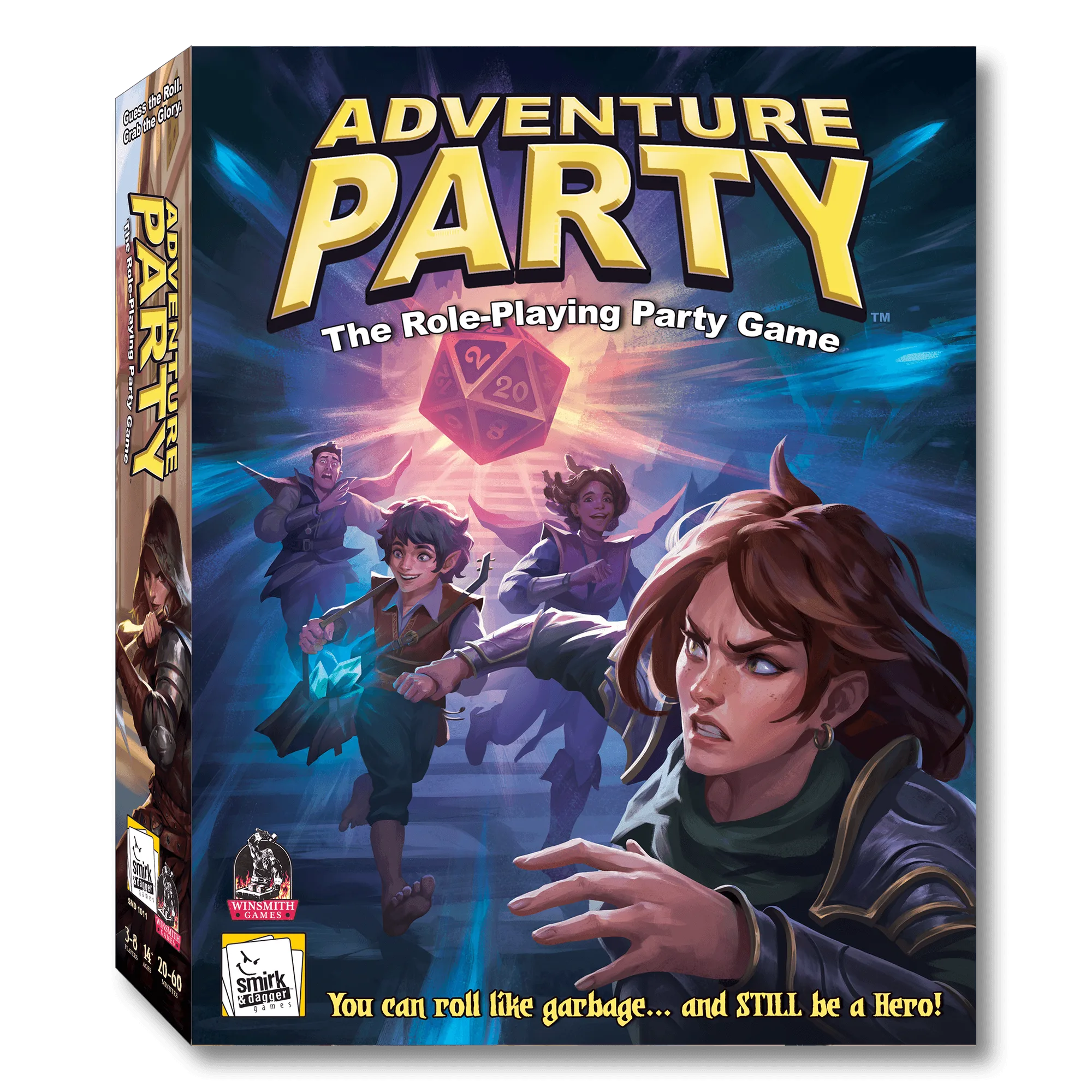
Adventure Party: The Role-Playing Party Game
- Before the first turn, agree that players will ask questions instead of issuing orders.
- If one player keeps taking over, switch to a game with hidden information or simultaneous decisions.
Myth 3: Co-op games are just solo games with extra players
Verdict: false for most co-op designs. A solo game asks you to optimize alone. A co-op game asks you to communicate, divide tasks, and sometimes accept a worse individual move for a better team outcome. Those are different skills, and they show up in how turns are structured.
ENTHRONE is a two-player abstract deduction strategy game, not a solo puzzle with a second chair. The catalog describes players as the power behind the power, trying to deduce their rival's identity, remove three key political targets, or move undetected. That is a duel of hidden intentions, and it only works because another person is actively working against you.
- If your group likes talking through options, look for co-op games with shared information and role differences.
- If your group prefers quiet calculation, a two-player deduction game may fit better than a full co-op.
Myth 4: Co-op games are all about the theme, not the strategy
Verdict: false. Theme sells the game, but strategy keeps it on the table. Cooperative games still ask you to manage resources, sequence actions, and adapt when the board changes. The theme explains why you care; the mechanics decide whether the decisions are interesting.
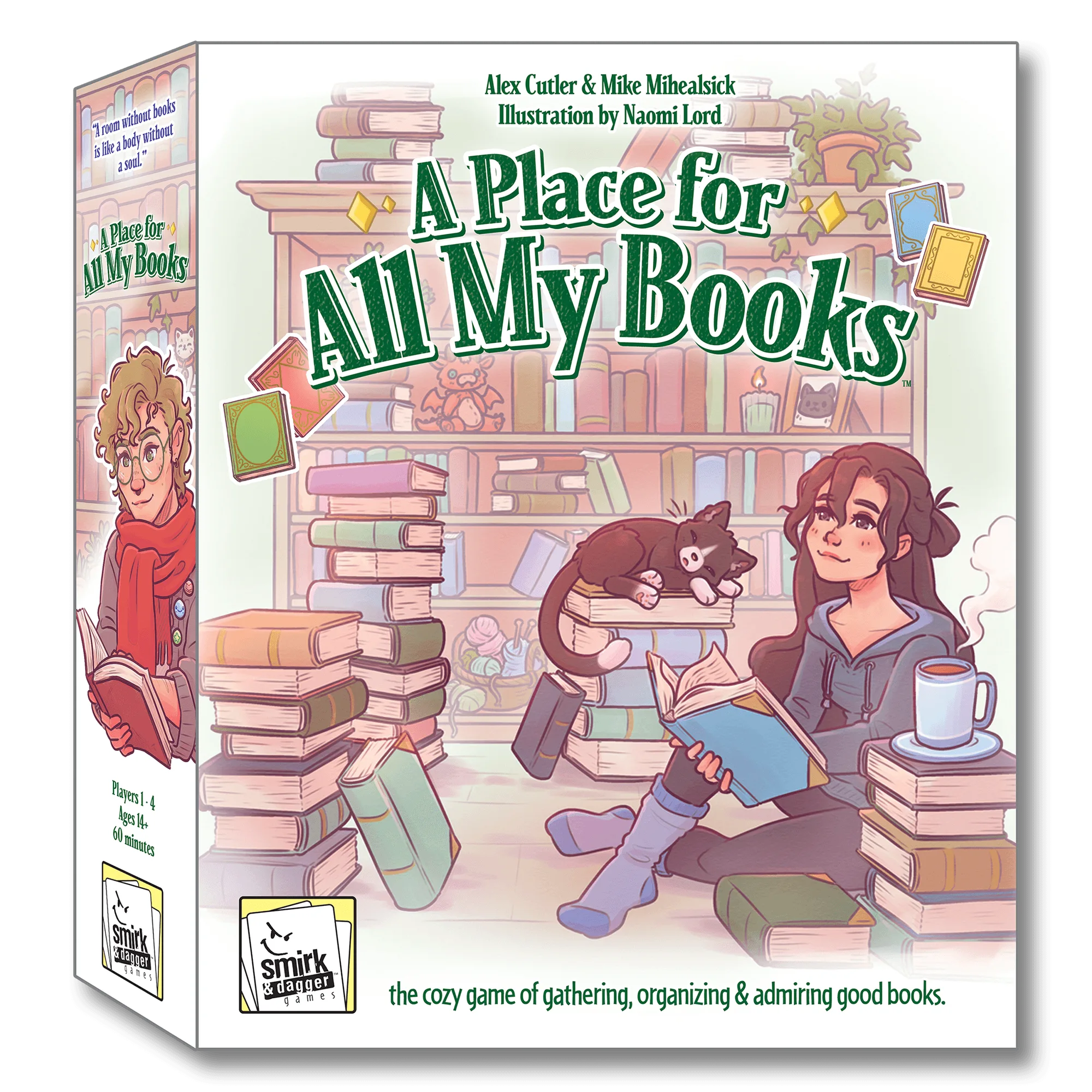
https://smirkanddaggerern.com/products/a-place-for-all-my-books-deluxe-edition-20411a7751f56f281f3759f5-1623105A Place for All My Books: DELUXE Edition is a puzzley book gathering, sorting, and organizing strategy game. Players arrange stacks of books in different rooms of their apartment as personal projects, then admire their accomplishments and gain rewards, including renewed energy they can spend to head into the village for more. The theme is cozy, but the decisions are about sorting, stacking, and timing.
- When comparing co-op games, read the decision loop first: what do players actually do on a turn?
- A strong theme can carry a light game, but it will not fix a decision loop your group finds boring.
Myth 5: If you lose a co-op game, someone must have played badly
Verdict: false. Co-op games are often designed so that losses come from compounding pressure, not one obvious blunder. That is why post-game talk matters more than blame. The useful question is not who failed, but which decision created the biggest risk two turns later.
boop is a good reminder that simple rules do not mean simple outcomes. It looks adorable, but the catalog calls it a deceptively challenging abstract strategy game: placing a kitten makes it boop, pushing every other kitten next to it one space away, and you need three kittens in a row to graduate them into cats, then three cats in a row to win. Small moves create large consequences, and that is true in co-op games too.
- After a loss, name one decision the team would change next time instead of naming a player.
- If your group hates losing together, choose a co-op game with a gentler failure curve or play it at an easier setup.
Verdicts at a glance
- Co-op games are easy: False. Shared loss conditions and escalating pressure can make co-op games harder than competitive ones, especially when the team must coordinate under time or resource limits. Verdict: false
- One player always runs the game: Partly true, but it is a table habit. Hidden information and simultaneous decisions reduce the alpha player problem. Verdict: partly true, fixable
- Co-op games are solo games with extra players: False for most designs. Co-op games require communication, task division, and team tradeoffs that solo play does not. Verdict: false
- Co-op games are all theme, no strategy: False. Many co-op games are built on sorting, sequencing, and resource decisions that stand on their own. Verdict: false
- A co-op loss means someone played badly: False. Losses often come from compounding pressure. Review decisions, not players. Verdict: false
Catalog facts that support these verdicts
- The SPILL: a dynamic co-op game of saving our oceans from a disaster: A fully co-op game featuring a 4-way dice tower pouring oil into the ocean, where a response team works together to avert an ecological disaster. Shows that co-op games can be tense and escalating rather than easy, which directly challenges the idea that winning together means winning easily.
- Adventure Party: The Role-Playing Party Game: A cooperative, party-weight, guessing game where players roll a 20-sided die behind a player screen so no one can see the result, then describe their character's plan and what happens. Hidden information makes it harder for one player to run the table, which is a practical answer to the alpha player problem.
- A Place for All My Books: DELUXE Edition: A puzzley book gathering, sorting, and organizing strategy game where players arrange stacks of books in different rooms of their apartment as personal projects and gain rewards, including renewed energy to head into the village for more. Demonstrates that a cozy theme can sit on top of real sorting and timing decisions, so theme alone does not determine strategic depth.
Cooperative board game myths survive because they are half-true at some tables. Use the verdicts above to check what your group actually wants: pressure, hidden information, or a quiet puzzle. Then pick the co-op game that matches, and let the table habits follow.