Quick Answer
To fix a tunneling candle, first allow the wax pool to reach the edges on your next burn—this usually takes 1–2 hours. If the tunnel is already deep, use a foil hat or a heat gun to melt the excess wax, then trim the wick before relighting. For a long-term fix, always burn your candle until the entire top layer is liquid, and keep wicks trimmed to 1/4 inch.
If you've ever noticed your candle burning down the middle while leaving a thick ring of wax around the edges, you've experienced tunneling. This common issue wastes wax, shortens burn time, and can make your favorite scent less enjoyable. But don't toss that candle—most tunneling can be fixed with a few simple steps.
In this guide, we'll walk you through why tunneling happens, how to fix a candle that's already tunneling, and how to prevent it from happening again. Whether you're burning a standard candle or a HI-FI candle, these tips work for most wax types.
Why Do Candles Tunnel?
Tunneling occurs when a candle burns faster in the center than at the edges, leaving a crater. The most common cause is not burning the candle long enough on the first use. If you extinguish a candle before the entire top layer has melted, the wax 'remembers' that burn path, and the next burn will follow the same narrow tunnel.
Other causes include a wick that's too short, drafts that cause uneven burning, or a candle that's too large for its wick. Some wax blends, like soy, have a lower melting point and can be more prone to tunneling if not burned correctly. Understanding the cause is the first step to fixing it.
- Always burn your candle for at least 1 hour per inch of diameter on the first burn.
- Avoid burning in drafty areas—this can cause uneven melting.
- Keep wicks trimmed to about 1/4 inch before each burn.
How to Fix a Tunneling Candle
If your candle has already developed a tunnel, don't worry—it's often salvageable. The easiest method is to use a 'foil hat': wrap aluminum foil around the top of the candle, leaving a small opening, and burn it for 1–2 hours. The foil traps heat and helps melt the outer wax, leveling the pool.
For deeper tunnels, you can use a heat gun or hair dryer on low to melt the excess wax, then pour it out or let it re-solidify evenly. Always allow the candle to cool completely before relighting. If the wick has become too short due to tunneling, you may need to remove some wax or consider a different approach.
- Use foil as a quick fix—just ensure the foil doesn't touch the flame.
- Never leave a burning candle unattended.
- If the wick is too short to light, it's time to stop and choose a new candle.
Preventing Tunneling in the Future
The best way to avoid tunneling is to establish a good burn routine from the start. On the first burn, let the candle melt all the way to the edges—this creates a 'wax memory' that will help it burn evenly every time. For standard candles, this usually takes 1–2 hours.
Regular wick maintenance is also key. Trim the wick to 1/4 inch before each burn to ensure a steady flame and even melting. Avoid burning for more than 4 hours at a time, as this can cause the wick to mushroom and create soot, which can also affect burn quality.
- Set a timer for your first burn to ensure you don't extinguish too early.
- Use a wick trimmer or scissors for precise cuts.
- Store candles in a cool, dry place to maintain wax integrity.
Diagnosing Your Candle Issue
- Symptom: Candle burns down the center, leaving a thick ring of unmelted wax on the sides. This is the classic sign of tunneling.
- Likely Cause: The candle was not burned long enough on its first use, or the wick is too short to create a full melt pool. Check your burn habits and wick length.
- Corrective Action: Use the foil method or a heat tool to melt the excess wax, then trim the wick and relight. For future burns, always allow the top layer to melt completely. Most tunneling can be fixed within one or two burns.
- When to Stop: If the wick is too short to light or the candle has less than 1/4 inch of wax left, it's time to stop and replace it. Attempting to burn a candle with a short wick can be a fire hazard. Choose a new candle or an alternative like incense sticks.
P.F. Candle Co. Products That Burn Evenly
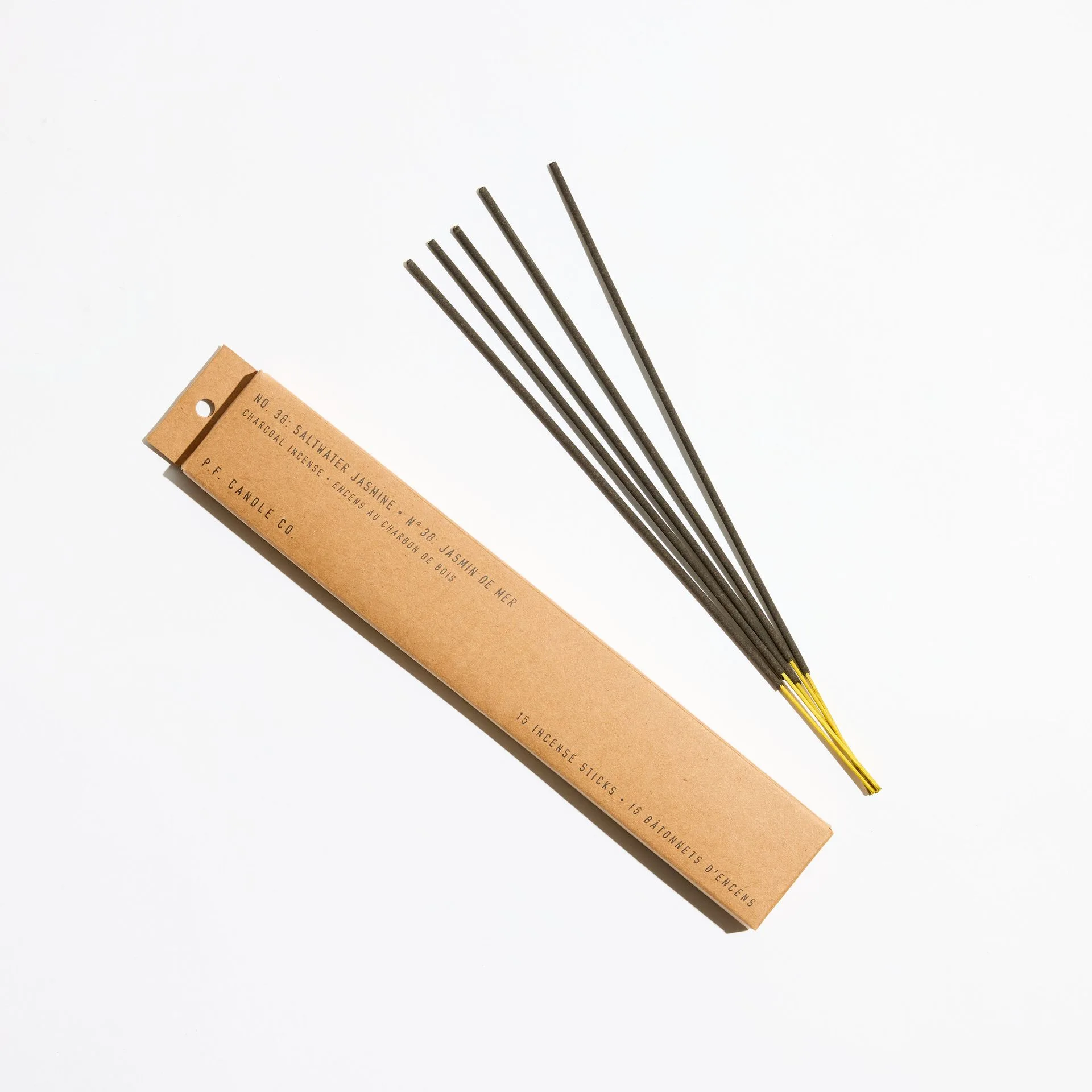
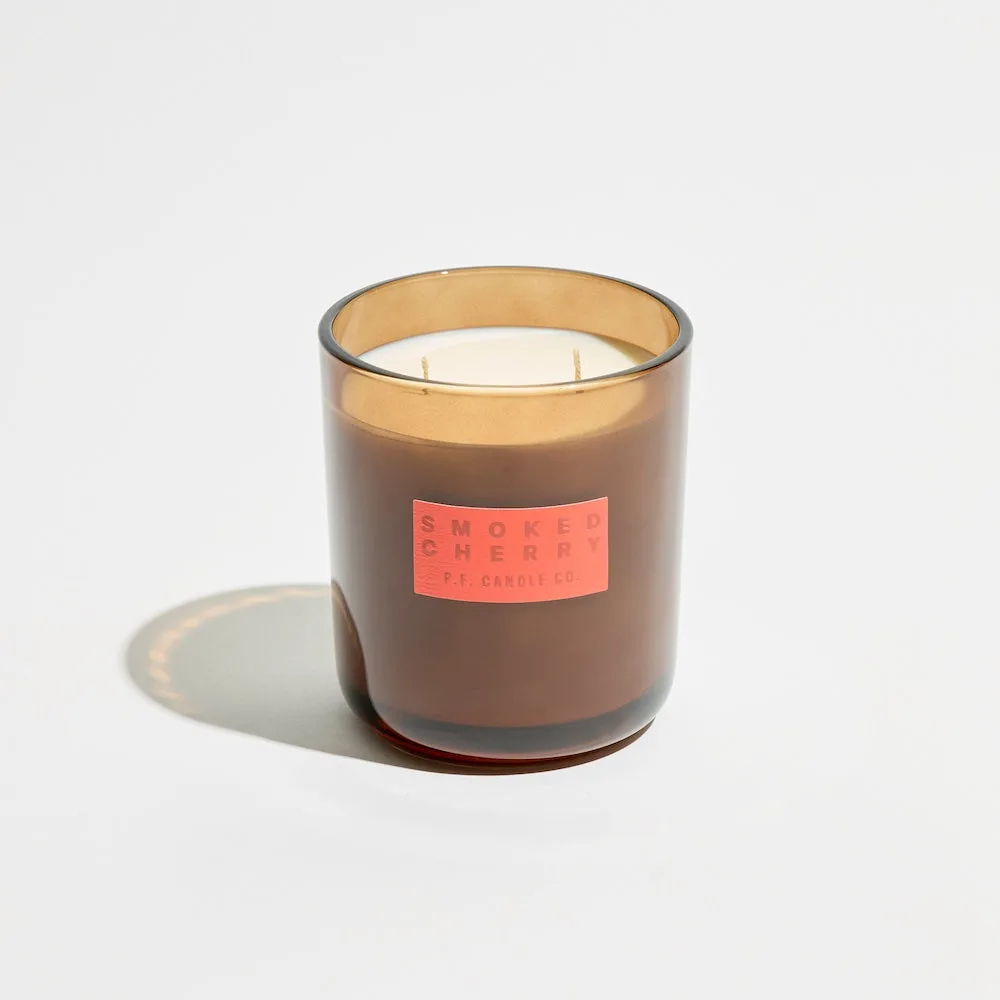
- Saltwater Jasmine – Standard Candle: This standard candle features a clean, ozonic scent with top notes of ozone, muguet, and bergamot, mid notes of jasmine, lemon, and sea moss, and base notes of amber, musk, vanilla, and sandalwood. Standard candles are designed for a balanced burn when used correctly. Following the first-burn rule ensures the wax pool reaches the edges, preventing tunneling and maximizing the life of this coastal fragrance.
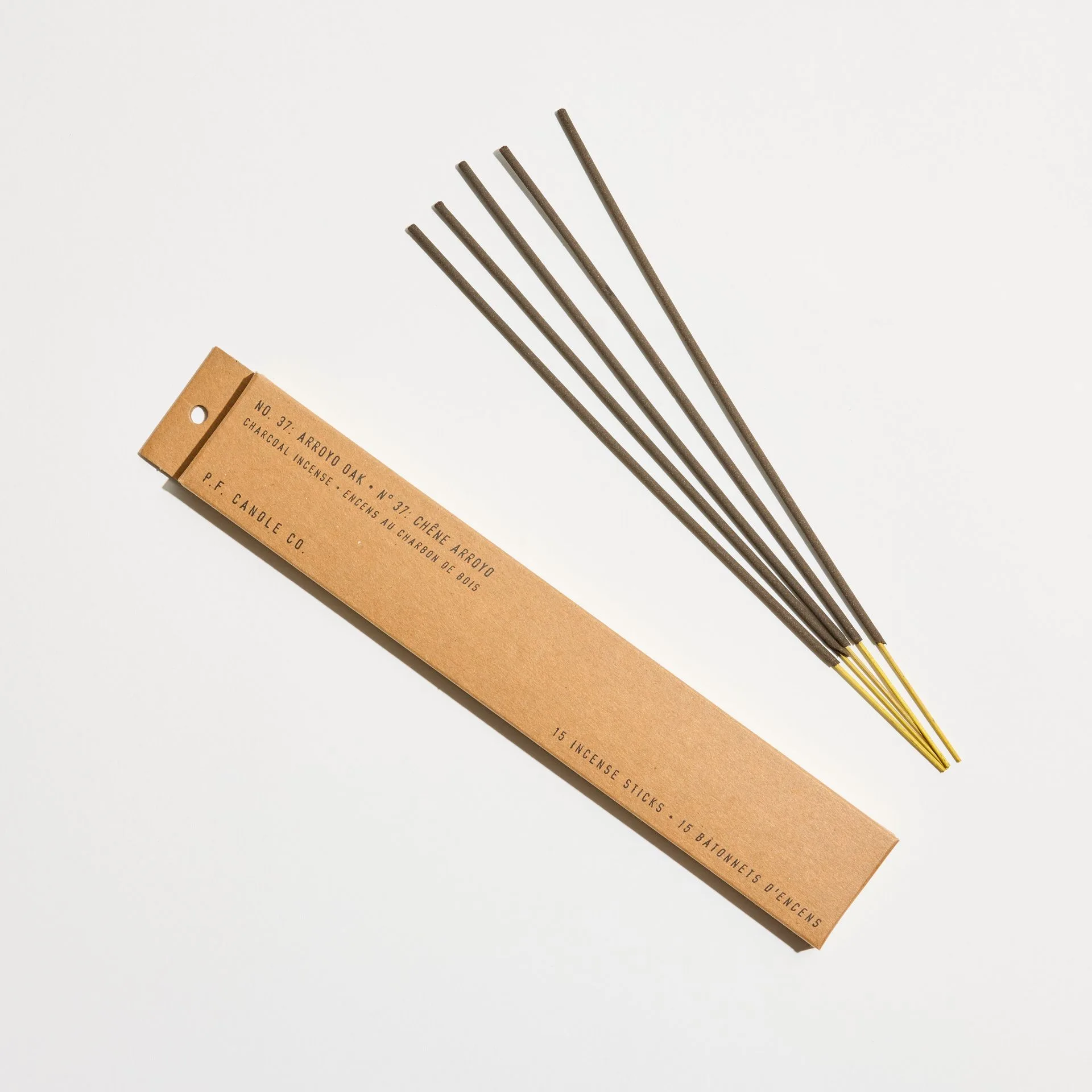
- Arroyo Oak – Incense Sticks: These incense sticks offer a woody, earthy scent with top notes of wild sage, silver artemisia, bay laurel, and black pepper, mid notes of chopped cedar, vetiver, and pine needles, and base notes of palo santo, olibanum, oak wood, and white smoke. If your candle tunnels beyond repair, switching to incense sticks is a practical alternative. They provide a long-lasting fragrance without the worry of uneven burns, and you can still enjoy a similar earthy aroma.
Tunneling is a common candle annoyance, but with the right technique, you can often rescue your candle and enjoy a full, even burn. Remember to burn your candle long enough on the first go, keep wicks trimmed, and use the foil trick for quick fixes. When a candle is beyond repair, consider switching to incense sticks for a hassle-free fragrance experience.