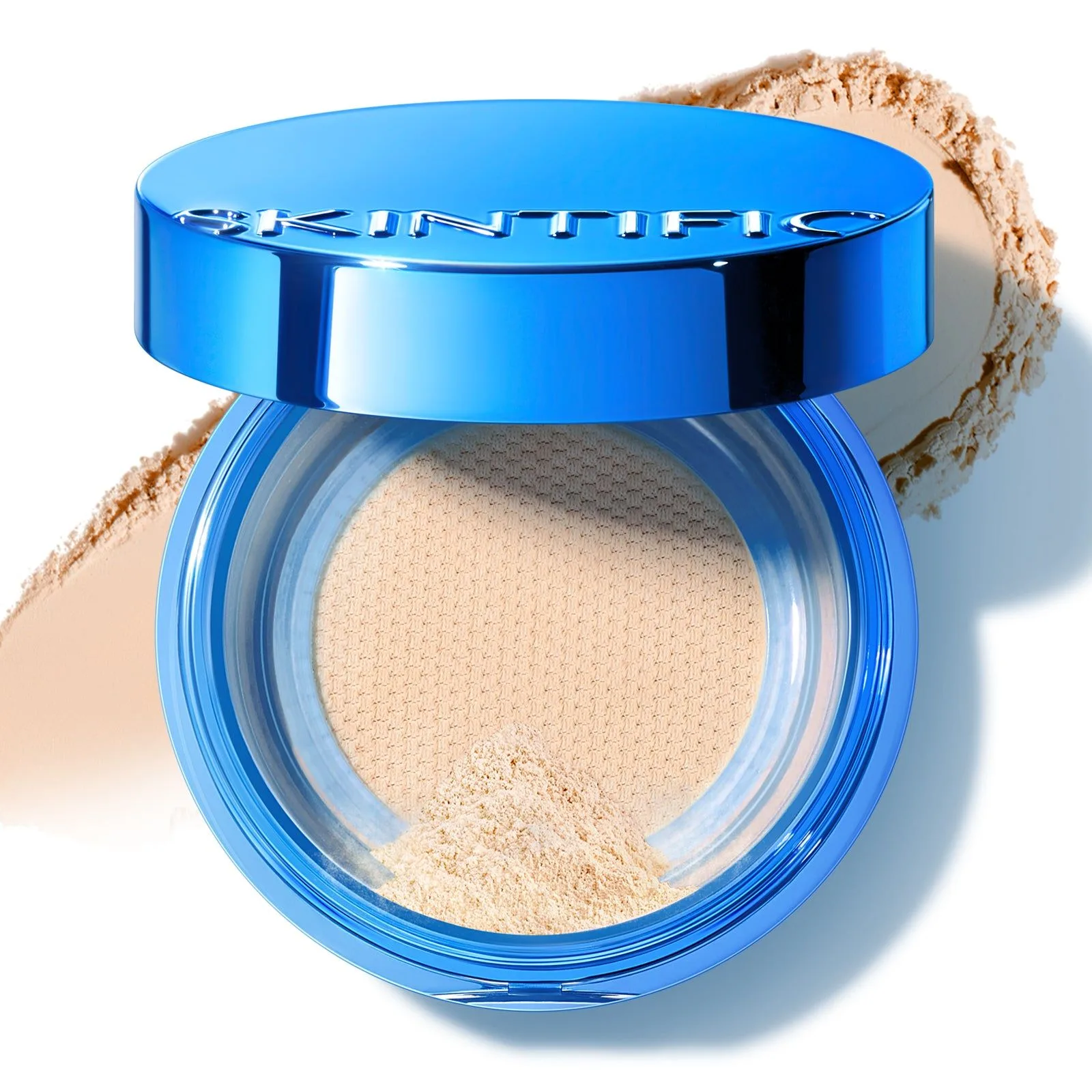
You finally bought that cushion foundation everyone’s raving about, only to discover the shade is off. Maybe it’s a smidge too dark, leaving an obvious line along your jaw, or too light, making you look washed out. Before you toss it in the back of a drawer, take a deep breath—there are several clever ways to rescue that almost-right foundation and make it work for your skin tone. Whether you’re dealing with a mismatched online order or a color that oxidizes after a few hours, these fixes will save your money and your makeup look.
The key is to treat your cushion foundation like a custom-blend canvas. With a few skincare or makeup products you probably already own, you can lighten, darken, or neutralize the shade without sacrificing the glow or coverage. In this guide, we’ll walk you through practical methods to adjust your cushion foundation, plus how to prevent future mismatches. Let’s turn that ‘oops’ shade into your new everyday winner.
Why Your Cushion Foundation Might Look Off (And How to Diagnose the Problem)
Before you start mixing, figure out exactly what’s wrong. Is the foundation too dark, too light, or does it oxidize into a different shade after a few minutes? Cushion foundations often contain emollients and pigments that react with your skin’s natural oils or pH. If you notice the color deepening within 30 minutes of application, oxidation is likely the culprit. In that case, you don’t need to change the shade—you need to prep your skin with a mattifying or barrier-supporting primer.
If the shade is simply wrong out of the sponge, check the undertone. A warm-toned foundation on cool skin can look orange or muddy, while a cool shade on warm skin can appear ashy. Hold the cushion compact next to your jaw in natural light. If it’s clearly darker or lighter than your neck, you’re dealing with a depth issue. Once you know whether it’s undertone, depth, or oxidation, you can choose the right fix from the methods below.
- Test the foundation on your jawline, not your hand, for the truest match.
- Wait 5–10 minutes after application to check for oxidation.
- Use natural daylight or a daylight-mimicking mirror for the most accurate assessment.
How to Lighten a Cushion Foundation That’s Too Dark
If your cushion foundation is too dark, don’t panic. The easiest fix is to mix it with a lighter product directly on the cushion or on the back of your hand. You can use a lightweight moisturizer, a brightening serum, or even a small amount of your regular day cream. For example, blending a pump of Glow Bright Day Cream into the foundation on the sponge will lighten the shade while adding a dewy finish. The cream’s illuminating pigments help offset the darkness without making the formula watery.
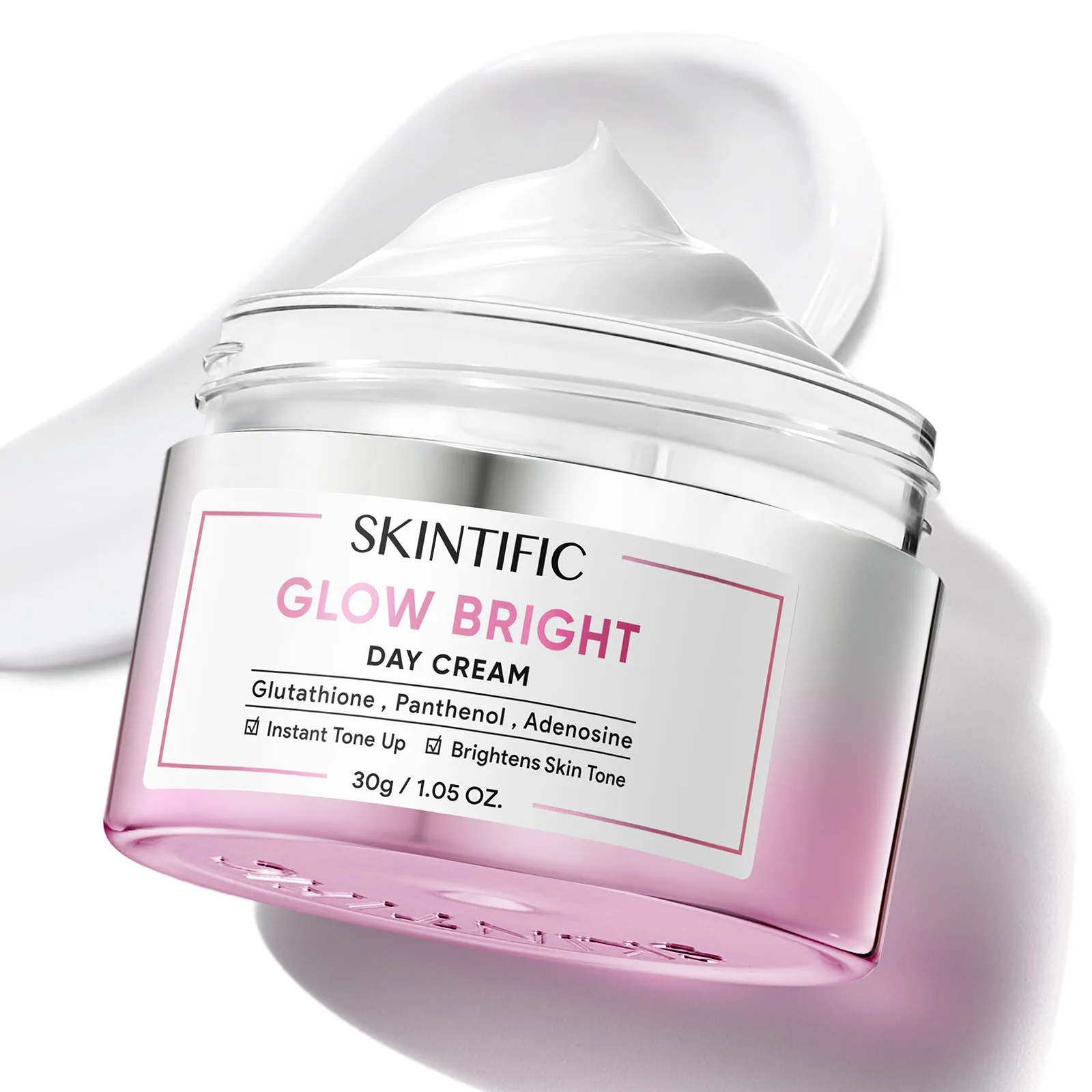
Glow Bright Day Cream
Another option is to layer a lighter concealer or a brightening powder under or over the foundation. Apply a thin layer of a light-coverage concealer to the center of your face, then press the cushion foundation over it. This creates a blended effect that softens the dark shade. You can also use a translucent or white setting powder to diffuse the color. Just dust lightly over the finished makeup—this trick works especially well for the T-zone and under-eyes.
- Mix a pea-sized amount of moisturizer or serum into the foundation on the cushion lid.
- Use a damp beauty sponge to blend the mixture for an even, streak-free finish.
- Avoid adding too much liquid, or the foundation may lose its long-wear properties.
How to Darken a Cushion Foundation That’s Too Light
A too-light cushion foundation can make you look pale or ghostly, but you can deepen it with a few simple additions. The most effective method is mixing in a drop of liquid bronzer or a darker foundation shade. If you have a bronzing serum or a tinted moisturizer in a warm tone, add one or two drops to the cushion’s sponge and press it in. This gradually darkens the product without altering its texture. For a more targeted approach, apply a darker powder contour along the perimeter of your face after the foundation—this creates a natural depth that counteracts the lightness.
You can also use a tinted setting spray or a bronzing mist to adjust the overall shade. Spray it lightly over your finished makeup, then blend with a clean sponge. This works especially well if the cushion foundation is only slightly too light. Remember, you can always add more color, but you can’t take it away, so start with the smallest amount and build up. If you have a darker concealer or a cream contour stick, dab a tiny bit onto the back of your hand, mix with the foundation, then apply.
- Start with one drop of bronzer or darker foundation to avoid over-darkening.
- Use a stippling motion with a brush to distribute the mixture evenly.
- Test on a small area of your jawline before applying to your whole face.
Skincare Prepping to Prevent Shade Mismatch and Oxidation
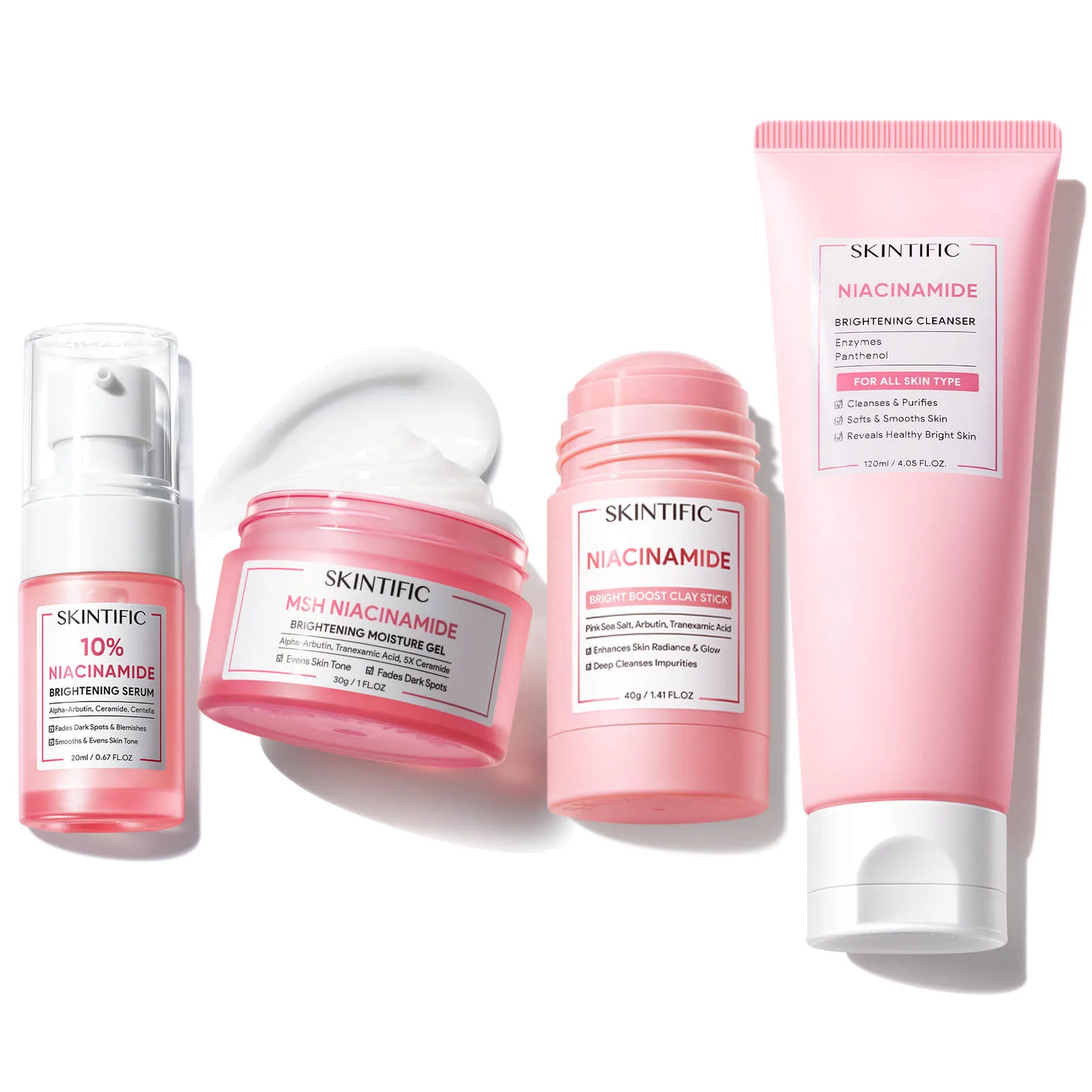
Sometimes the foundation shade is perfect, but your skin prep causes it to look off. Oily or dehydrated skin can alter how pigments sit on the surface. If you notice your cushion foundation darkening after a few hours, try prepping with a barrier-repairing serum or moisturizer. For instance, using a product like 10% Niacinamide Brightening Serum before foundation helps regulate oil production and even out skin tone, reducing the chance of oxidation. Niacinamide also brightens the skin, so even if the foundation is slightly off, your natural glow helps balance it.
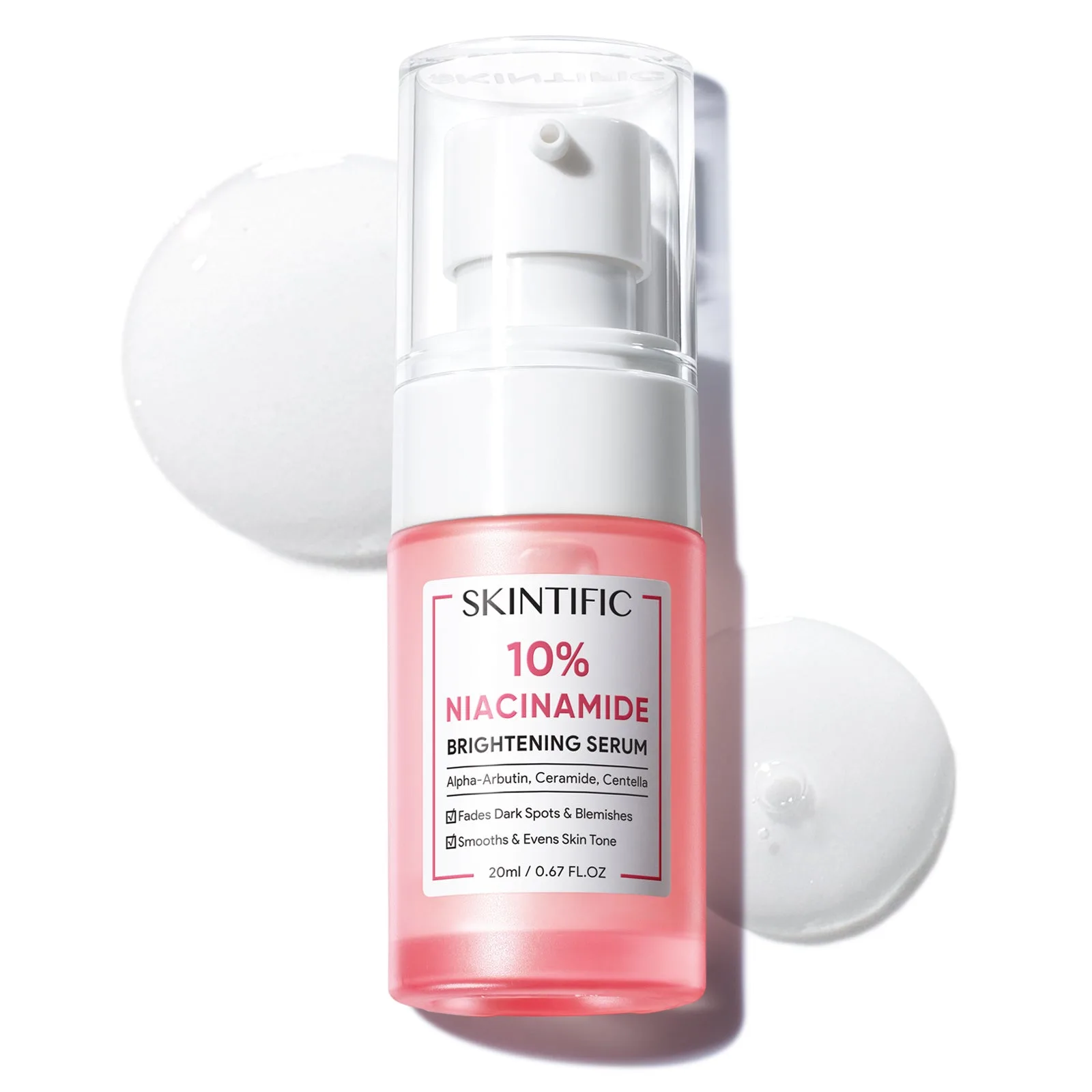
10% Niacinamide Brightening Serum
Another key step is using a primer that matches your skin’s needs. A mattifying primer for oily zones or a hydrating primer for dry patches creates a uniform canvas. Avoid heavy creams that can dilute the foundation’s pigment. Instead, opt for lightweight, fast-absorbing moisturizers. If you’re prone to redness, a green-tinted primer can neutralize the color so the foundation appears truer. Remember, a well-prepped skin = a more accurate shade match.
- Apply a thin layer of serum and let it absorb completely before foundation.
- Use a primer that addresses your skin’s primary concern (oil, dryness, redness).
- Avoid layering too many products under the cushion—less is more for color accuracy.
Pro Tips for Mixing and Storing Your Adjusted Cushion Foundation
Once you’ve found a mixing method that works, you’ll want to keep your cushion foundation fresh and effective. Never mix products directly into the compact’s original sponge if you plan to reuse it—this can breed bacteria and ruin the formula. Instead, scoop a small amount of foundation onto a clean palette or the back of your hand, add your adjuster (cream, serum, or bronzer), and mix with a spatula or clean finger. Then apply using a separate sponge or brush.
If you frequently need to adjust the shade, consider decanting a portion of the cushion foundation into a small airtight jar. Label it with the date and the adjuster you used. This way you have a custom shade ready to go without contaminating the original compact. Store the compact away from direct sunlight and heat, which can alter the pigment over time. With these storage habits, your adjusted cushion foundation will stay true to color and perform beautifully for weeks.
- Always mix on a clean surface, not inside the cushion compact.
- Use a separate applicator for the mixed foundation to keep the original sponge fresh.
- Label custom blends with the date and ratio for consistency.
Fixing a cushion foundation that’s too dark or too light doesn’t have to be a hassle. With a few smart mixing tricks, proper skin prep, and a little patience, you can turn a mismatched shade into your perfect match. Next time you’re shopping for a new cushion, keep these adjustment methods in mind—and don’t forget to explore our range of skincare boosters like the 10% Niacinamide Brightening Serum to help your foundation look its best. No more wasting product or settling for a less-than-perfect shade. You’ve got this!