Quick Answer
Frizz after straightening usually means your hair still has moisture trapped inside or the cuticle wasn't fully sealed. The fix is a three-step routine: prep with a heat protectant, use the right tool temperature, and finish with a lightweight anti-frizz serum or hairspray to lock the style.
Why Frizz Happens After You Straighten
When you straighten hair, the heat flattens the cuticle layer temporarily. If the cuticle isn't sealed properly or if humidity hits, moisture rushes back in and lifts the cuticle, creating frizz. Common culprits include using too high a heat setting (which damages the cuticle), skipping a heat protectant, or applying product after straightening that contains water or humectants.
Another overlooked factor is residual moisture. If your hair isn't 100% dry before you pass the flat iron over it, the water inside turns to steam and puffs up the hair shaft from within. That's why you get that poofy, frizzy look minutes after styling.
How to Prevent Frizz Before You Straighten
Start with a sulfate-free shampoo and a moisturizing conditioner, but rinse thoroughly. Apply a heat protectant spray or cream evenly from mid-lengths to ends. Let your hair air-dry until it's about 80% dry, then blow-dry on a low setting with a concentrator nozzle. Make sure every section is completely dry before you pick up the flat iron.
Set your flat iron to the lowest effective temperature for your hair type: fine hair around 300°F, medium hair 320-350°F, and coarse hair up to 380°F. Going higher doesn't make it straighter — it just damages the cuticle and invites frizz later.
Post-Straightening Anti-Frizz Routine
Once you've straightened a section, let it cool for a few seconds before touching it. This allows the cuticle to set. Apply a tiny amount of silicone-based serum or a lightweight hair oil to your palms, rub them together, and smooth over the surface of your hair. Avoid products with water as the first ingredient — they can reactivate frizz.
For extra hold in humid weather, finish with a flexible-hold hairspray. Spritz from about 12 inches away, then gently run your fingers through to break any stiffness. This creates a protective film that helps seal out moisture.
Diagnosis: Is Your Straightening Routine Causing Frizz?
- Symptom: Hair looks smooth right after straightening but frizzes up within an hour or two, especially in humid air. This points to an open cuticle or residual moisture inside the hair shaft.
- Likely Cause: Either you didn't dry your hair completely before straightening, or you skipped a heat protectant and used too high a temperature, damaging the cuticle. Check your drying technique and flat iron temperature.
- Corrective Action: Reset with a cool blow-dry on damp hair, apply a heat protectant, straighten at the right temperature, and seal with a lightweight anti-frizz product. If frizz still appears after this, consider a humidity-resistant finishing spray or switching to a ceramic or tourmaline flat iron.
- When to Stop or Choose Another Option: If your hair is severely damaged (split ends, brittle texture) or naturally very curly, straightening may not give lasting smoothness. In that case, a smoothing treatment or keratin service at a salon may be a better long-term solution. For damaged or highly textured hair, invest in repair first or consider professional smoothing options.
From the product catalog
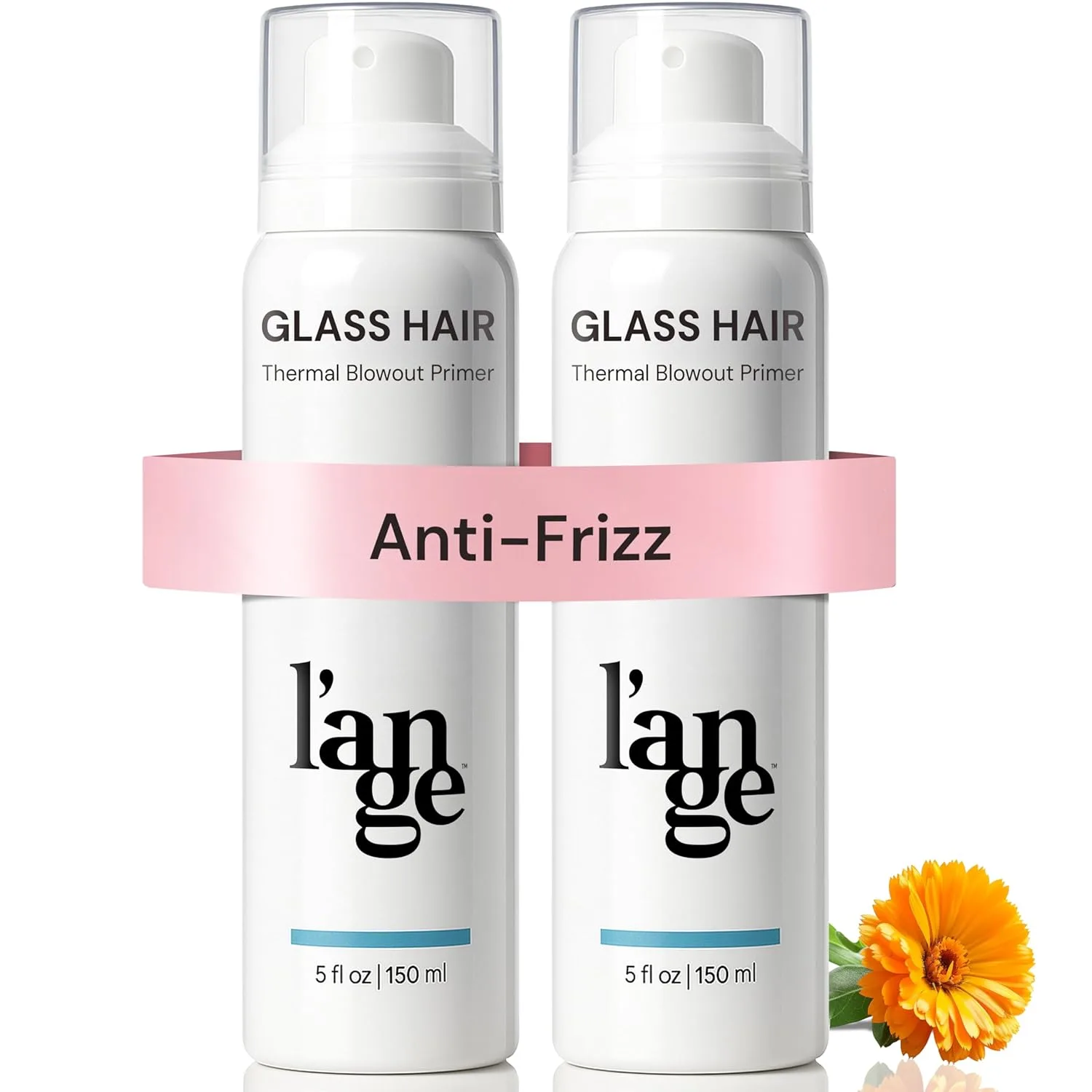
- L'ANGE HAIR Glass Hair Heat Protectant Spray: L'ANGE HAIR Glass Hair Heat Protectant Spray is designed to help shield your hair from the damaging effects of heat styling tools. This product offers a protective barrier while aiming to keep your hair looking smooth and glossy. Formulated as a heat protectant spray to help reduce damage from hot styling tools. Designed to support a sleek, glass-like finish for your hair. Available in a 2.5 Fl Oz (Pack of 2) size…