Quick answer
For most longarm tension problems, start by re-threading the machine and adjusting the bobbin tension; if issues persist after cleaning and testing, consider sending your quilt to a professional longarm quilting service.
Why tension problems happen
Longarm tension issues often stem from subtle changes in thread, needle, or fabric. Even a small burr on the hook or a slightly off-balance bobbin can cause visible problems. Understanding the root cause helps you fix it faster and avoid repeating the mistake.
Unlike a domestic machine, a longarm's thread path is longer and more exposed, so lint and dust can accumulate more easily. Regular cleaning and proper threading are your first line of defense.
Common mistakes that cause tension issues
Skipping the test quilt is one of the most common mistakes. Always test on a scrap piece that matches your project's fabric and batting. This helps you catch tension problems before they ruin your actual quilt top.
Another mistake is mixing thread weights between the top and bobbin. For example, using a heavy top thread with a light bobbin thread can create loops or puckering. Stick to similar weights or adjust tension accordingly.
Diagnose and fix longarm tension issues
- Symptom: Thread nests on the back: If you see tangled loops on the quilt back, the top thread is too loose or the bobbin thread is too tight. Re-thread the top, ensuring the thread sits firmly in the tension discs, then test on scrap. If nests persist after re-threading, check the bobbin tension next.
- Symptom: Uneven or loopy stitches on top: Loops on the top usually mean the bobbin thread is too loose. Remove the bobbin case and turn the tension screw slightly clockwise (about 1/8 turn) to increase tension. Test and repeat until stitches lock in the middle of the fabric. Make small adjustments and test each time; do not overtighten.
- Symptom: Puckered seams or fabric distortion: This often comes from too much top tension or a dull needle. Reduce top tension slightly and replace the needle with a fresh one suited to your fabric. Also check that the quilt is not being pulled too tightly through the machine. If puckering continues, check your needle size and fabric support.
- When to stop and seek help: If you have cleaned, re-threaded, and adjusted tension multiple times without improvement, stop. Further adjustments may damage the machine or fabric. Consider using a professional longarm quilting service for your project. Professional services can handle tension-sensitive quilts and save you time and frustration.
Product facts
-
Longarm Quilting Service: Our longarm quilting service includes edge-to-edge quilting, batting, thread, pattern of your choice, and return shipping with no hidden fees. If you prefer not to troubleshoot tension yourself, this service hands the technical work to professionals and includes all materials, so you can focus on designing your quilt.
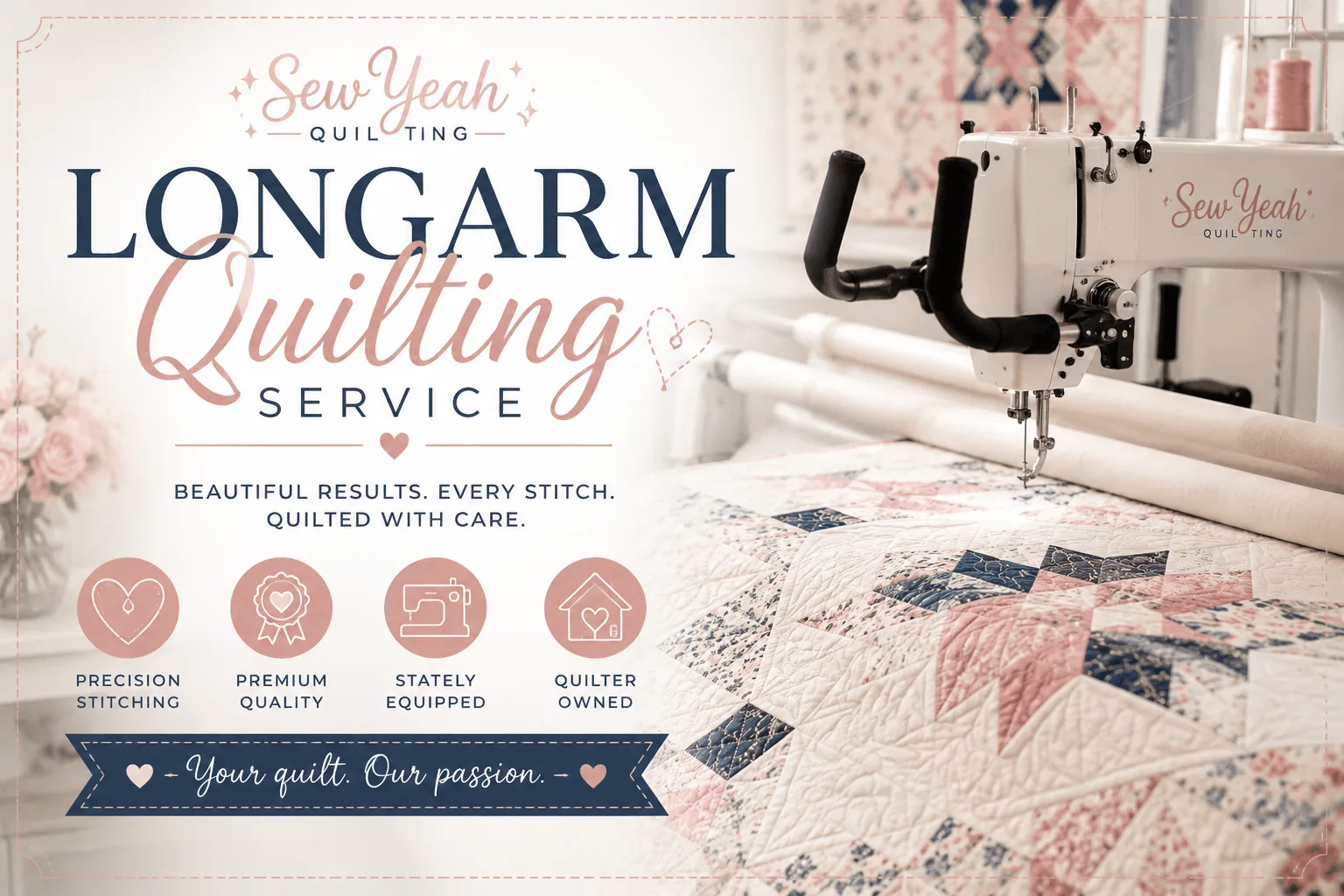
Longarm Quilting Service