Quick Answer
If your Rollei Infrared 400 shots look too bright or washed out, the most likely cause is metering without an infrared filter or using the wrong filter factor. First, check your camera's meter reading and adjust exposure compensation by 1-2 stops, then consider pulling development by 20% to reduce contrast. If highlights are completely blown, you may need to reshoot—but mild overexposure can often be salvaged in post.
Why Rollei Infrared 400 Overexposes
Rollei Infrared 400 is sensitive to visible light and infrared up to 820nm, but your camera's built-in meter only reads visible light. Without an infrared filter, the film records both visible and infrared light, which can fool the meter and lead to overexposure, especially in bright scenes with lots of infrared radiation.
When you do use an infrared filter, it blocks most visible light, so the meter reading is no longer accurate. You need to apply a filter factor—typically 4 to 8 times the unfiltered ISO—to get a correct exposure. Ignoring this factor is the most common cause of overexposed infrared shots.
How to Fix Overexposed Infrared Film
If you've already shot the roll and suspect overexposure, you can try pulling development. Reduce development time by 20-30% to lower contrast and prevent blown highlights from becoming unrecoverable. This works best if the overexposure is mild (1-2 stops).
For future rolls, use a spot meter or a phone app that can measure infrared, or bracket your exposures. Start with the film's box speed without a filter, then add the filter factor and bracket ±1 stop. Keep notes so you learn how your camera and filter combination behaves.
When to Accept the Loss and Reshoot
If the highlights are completely blown—no detail left in the sky or bright areas—no amount of development adjustment will bring them back. In that case, reshoot with a lower ISO setting or more exposure compensation. It's also worth checking your filter: a damaged or misaligned infrared filter can cause uneven exposure.
Remember that infrared film is meant for experimentation. A few overexposed frames can still yield interesting AURA effects if you intentionally overexpose by 1-2 stops. So not every mistake is a waste—sometimes it's a creative opportunity.
Diagnosis: Overexposed Infrared Film
- Symptom: Images look too bright, washed out, or have blown highlights, especially in skies or bright foliage. Check your histogram or negatives for clipped highlights.
- Likely Cause: Metering without an infrared filter or not applying the correct filter factor. Your camera's meter doesn't see infrared. Use a filter factor of 4-8x or bracket your exposures.
- Corrective Action: Pull development by 20-30% to reduce contrast and recover highlight detail. For mild overexposure, this often saves the roll. If highlights are still clipped after pulling, the roll may be unsalvageable.
- Stop or Switch: If the overexposure is severe (more than 3 stops) or you need reliable results, reshoot with correct exposure settings or switch to a more forgiving film. Consider Ektacolor Pro 400 for color work with wider latitude.
Films That Handle Overexposure Well
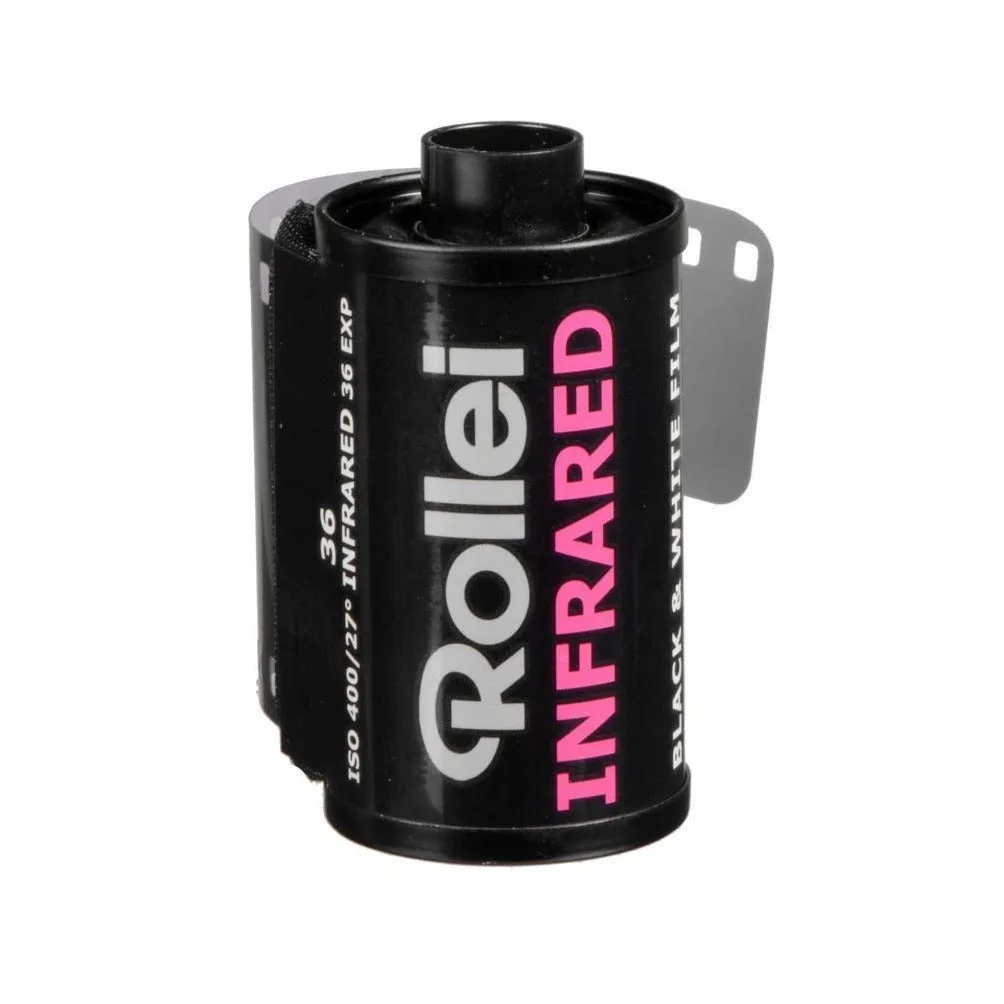
- Rollei Infrared 400 Black and White Film - 35mm Roll Film - 36 Exposures: Rollei Infrared 400 has a sensitivity up to 820nm and an ISO of 400 without filtering. It is well suited for experimental, creative applications and for scientific photography. Because it sees into the infrared range, you can't rely on your camera's meter alone. Bracket your shots and consider pulling development to tame contrast when you overexpose.
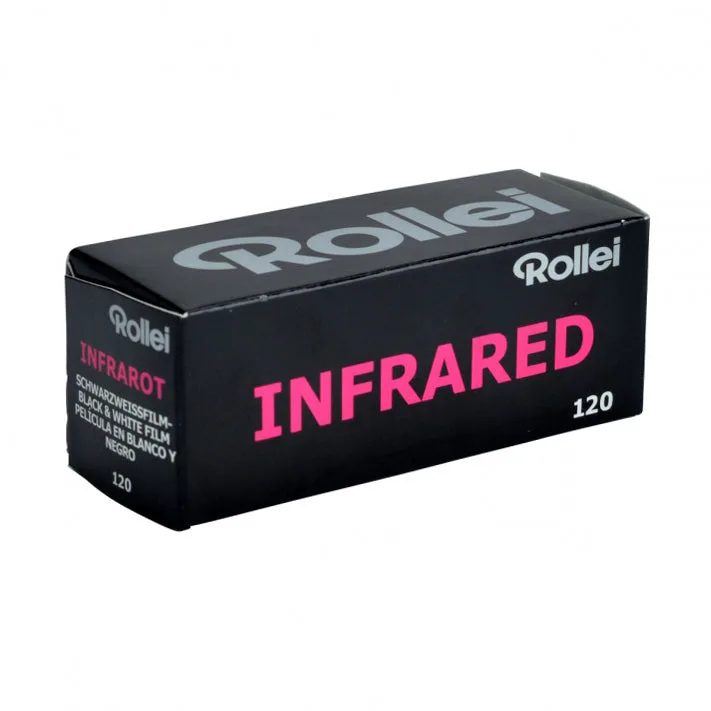
- Rollei Infrared 400 Black and White - 120 Roll Film: Rollei Infrared 400 in 120 roll film offers the same infrared sensitivity and ISO 400 speed, with high contrast and very fine grain. If you shoot medium format, the same exposure and development principles apply. The larger negative gives you more latitude to recover mild overexposure in post.
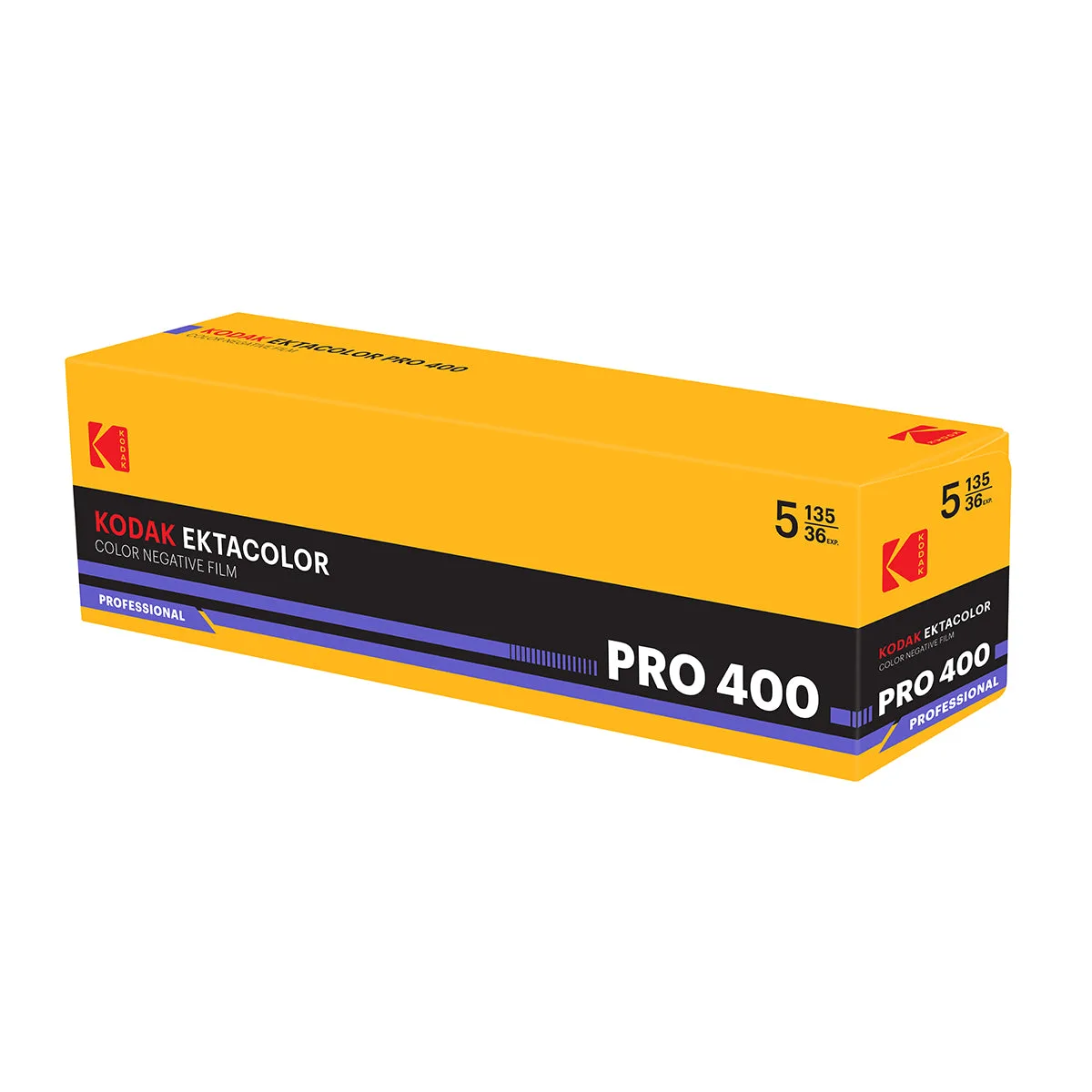
- New! Eastman Kodak Ektacolor Pro 400 Negative Film - 35mm Film - 36 Exposures - 5 Pack: Eastman Kodak Ektacolor Pro 400 is a professional-grade color negative film with ISO 400 speed, designed for vibrant colors and excellent skin tones in varied lighting. If infrared isn't working for you, this color film offers more forgiving exposure latitude and is a reliable alternative for bright scenes without the need for special filters.