Quick answer
A patchy beard usually reflects genetics or follicle density, not a lack of effort. You can improve the look of uneven coverage by keeping the skin healthy, directing hair growth with a derma roller, and using a leave-in growth balm. If patches remain bare after several months, switch to a shorter, intentional style instead of chasing full coverage.
Separate the symptom from the cause
Before buying tools, identify what you are actually seeing. A patchy beard is not one condition. It can be thin density (fewer follicles per square inch), slow growth (hair grows but takes weeks to fill in), or bare patches (no follicles at all). The fix differs for each. Thin density often responds to scalp-style stimulation and consistent conditioning. Slow growth improves with patience and healthy skin. Bare patches from genetics will not sprout new follicles no matter what you apply. That is a limitation of biology, not a product failure.
Corrective action: build a targeted routine
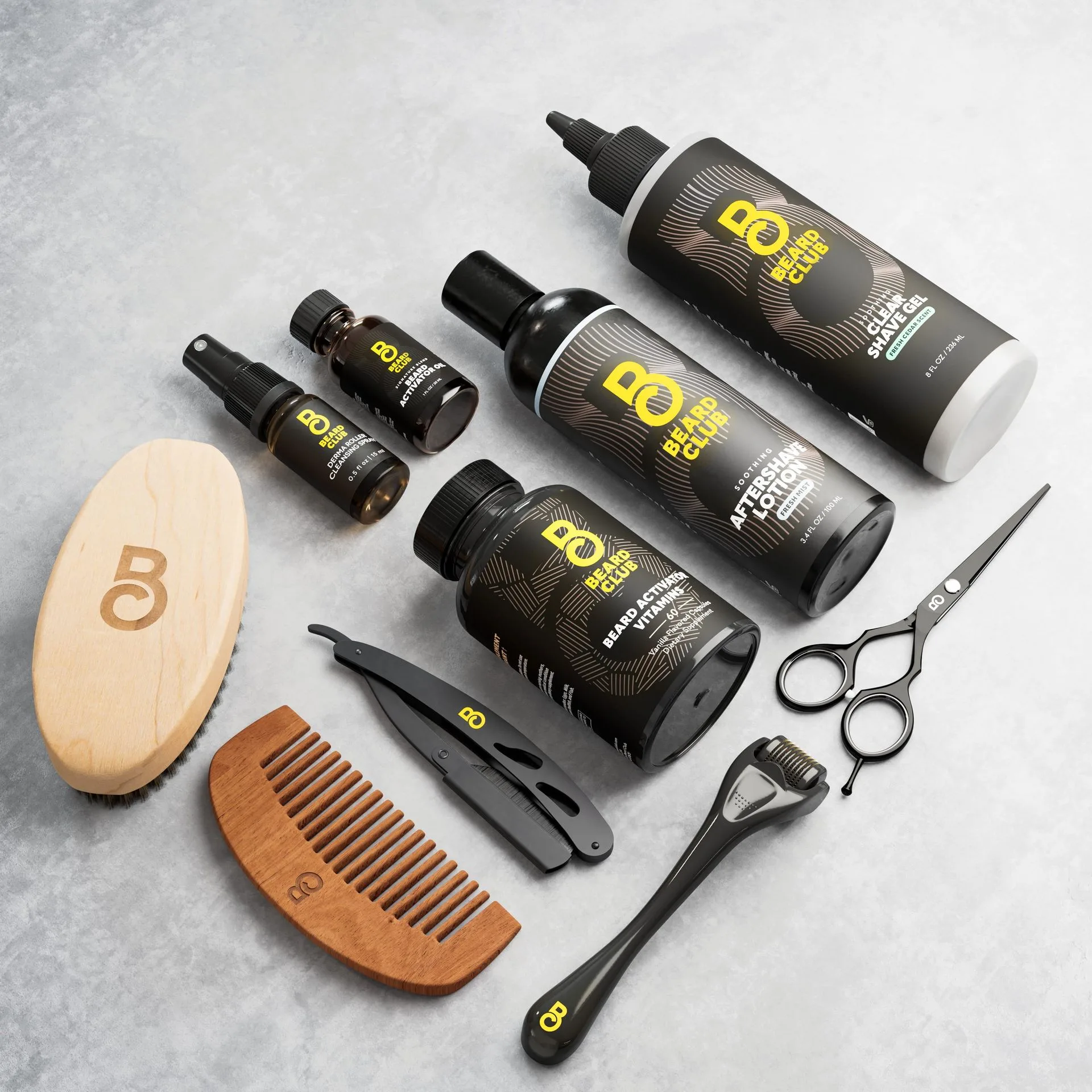
Start with a clean, exfoliated surface. A derma roller with fine needles (0.25–0.5 mm) can stimulate blood flow to the skin under the beard without damaging follicles. Use it two to three times per week on a clean beard, then follow with a leave-in growth balm. The balm stays on the skin and hair rather than rinsing out, so ingredients like biotin and castor oil have time to condition coarse hair and the skin beneath it. Pair this with a boar-bristle brush to train hair direction and distribute natural oils. Brush daily, especially along the jawline and cheeks where patches are most visible. A beard brush for patchy beard coverage helps blend longer hairs over thinner areas, creating the appearance of fuller coverage without adding new growth.
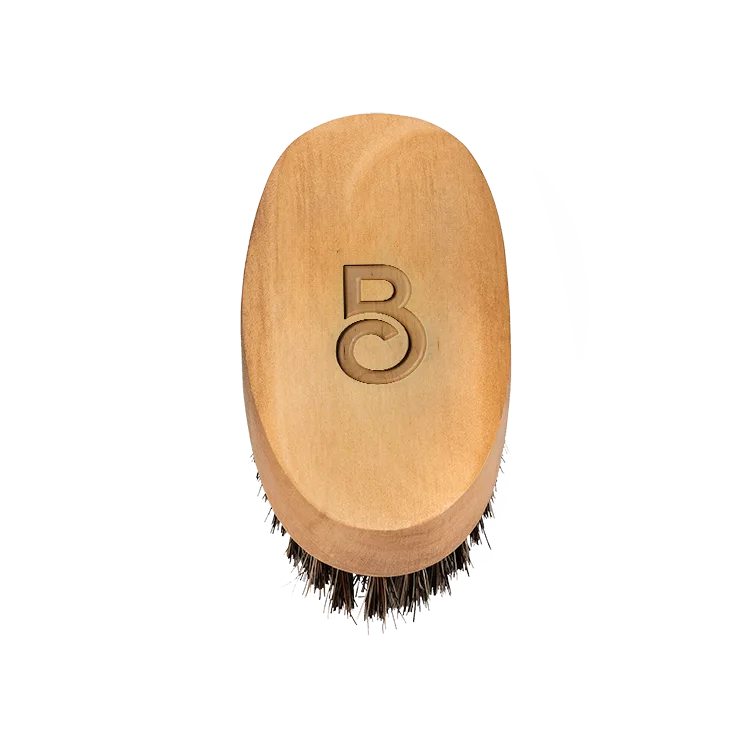
beard brush
When to stop and choose another option
Give any routine at least three months of consistent use before judging results. If you see no change in density or coverage after that, stop adding products. Instead, work with what you have. A shorter beard, a defined goatee, or a clean-shaven cheek line with a strong mustache can look sharper than a patchy full beard. If you are unsure whether your patches are genetic, ask a dermatologist or barber. They can tell the difference between slow growth and missing follicles. That answer determines whether you keep treating or change your style.
Diagnose your patchy beard
- Thin density: Hair grows but looks sparse across the cheeks or jaw. Follicles exist but are fine or slow to fill in. Use a derma roller 2–3 times weekly and a leave-in growth balm daily. Expect gradual improvement over 8–12 weeks.
- Slow growth: Patches are not bare, but new hair takes weeks to appear and looks uneven at different lengths. Focus on skin health and conditioning. Avoid over-trimming. Let the beard grow for at least 4 weeks before shaping.
- Bare patches: Smooth skin with no visible follicles. No topical product will create new follicles. Stop growth products for these areas. Choose a style that works with the growth you have, like a goatee or short beard.
Products that support a patchy beard routine
- Beard Growth Balm: Beard Growth Balm is a leave-in balm made with 2x biotin, castor oil, and ashwagandha extract. Because it stays in, it conditions both the beard and the skin underneath in one step, which is useful when you are trying to improve the look of thin or uneven areas.
- Thickening Leave-in Beard Conditioner: Thickening Leave-in Beard Conditioner is a lightweight, non-greasy daily conditioner scented with sandalwood and ginger. It softens coarse hair so a beard combs out smoothly, making it easier to brush hairs over patchy spots for a more even appearance.
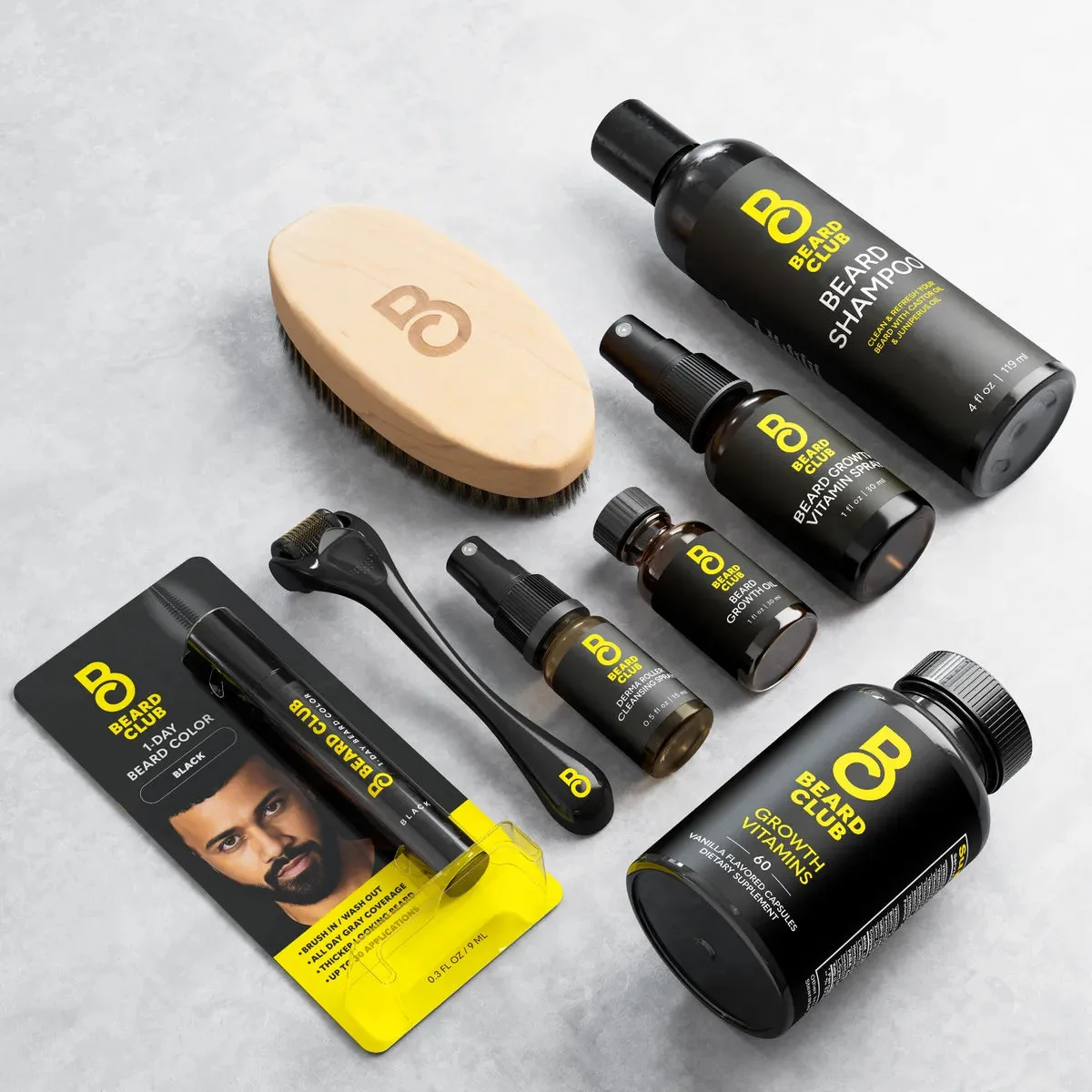
- Starter Growth & Color Kit: Starter Growth & Color Kit includes Beard Growth Oil, https://thebeardclubfd.com/products/beard-derma-roller-365581Beard Derma Roller, Beard Growth Multi-vitamins, Derma Roller Cleansing Spray, and Beard Color Wand. The derma roller and cleansing spray give you a safe stimulation routine, while the color wand can temporarily fill in bare patches for events or photos.