Quick Answer
For everyday carry and outdoor use, choose a fixed blade knife that balances blade length, sheath profile, and handle comfort. Toor's Barrow excels for precision cutting, while the Vandal offers a compact tactical option.
Blade Length and Carry Profile
Fixed blade knives for EDC typically have blades under 4 inches to stay legal and concealable. Outdoor knives can go longer for heavier tasks like batoning or prying. A shorter blade is easier to carry on a belt or in a pack, while a longer blade provides more leverage.
Trade-off: shorter blades limit chopping power; longer blades can be awkward to draw and conceal.
Blade Shape and Cutting Style
The blade shape determines what the knife does best. A drop point or clip point is versatile for slicing and piercing. A tanto tip offers strong penetration and a reinforced point for prying. A curved karambit blade is designed for slashing and retention in defensive use.
For outdoor tasks like food prep and carving, a belly-heavy drop point is ideal. For tactical or self-defense, a tanto or karambit shape may suit better.
Handle and Grip Considerations
A secure grip is critical for control and safety. Look for textured handles, finger grooves, or jimping on the thumb ramp. Materials like G10 or Micarta provide traction even when wet. A full tang adds strength but increases weight.
Some knives include a ring or finger hole for retention, which is useful in dynamic situations but can reduce comfort for extended cutting tasks.
Decision Rules for Choosing Your Fixed Blade
- Primary Use: EDC vs. Outdoor: If you carry daily and need a knife for light tasks (opening packages, cutting cordage), choose a compact blade under 3.5 inches with a low-profile sheath. For camping or hiking, a blade of 3.5–5 inches with a drop point or clip point is more versatile.
- Blade Shape: Versatile vs. Specialized: Choose a drop point or clip point for all-around cutting. Choose a tanto if you expect to pry or puncture tough materials. Choose a karambit only if your primary need is self-defense and you train with that shape. Stick with a drop point unless you have a specific reason for a specialized shape.
- Carry Method: Belt, Pocket, or Pack: Belt carry works for most fixed blades; a horizontal or scout carry positions the knife for quick draw. Pocket carry requires a small knife with a pocket clip or sheath. Pack carry is fine for outdoor knives but slower to access. Test the draw and re-sheath with your intended carry position before buying.
- Handle and Retention: For active or tactical use, look for a handle with jimping, a textured grip, or a retention ring. For long carving sessions, a smooth contoured handle without protrusions reduces hot spots. Match handle features to your primary activity: retention for defense, comfort for work.
Knife Options to Consider
-
Barrow - Walnut: The Barrow is designed around the front half of the blade where control, precision, and cutting efficiency matter most. This makes it ideal for detailed cutting tasks like food prep, carving, and utility work where you need accuracy over raw power.
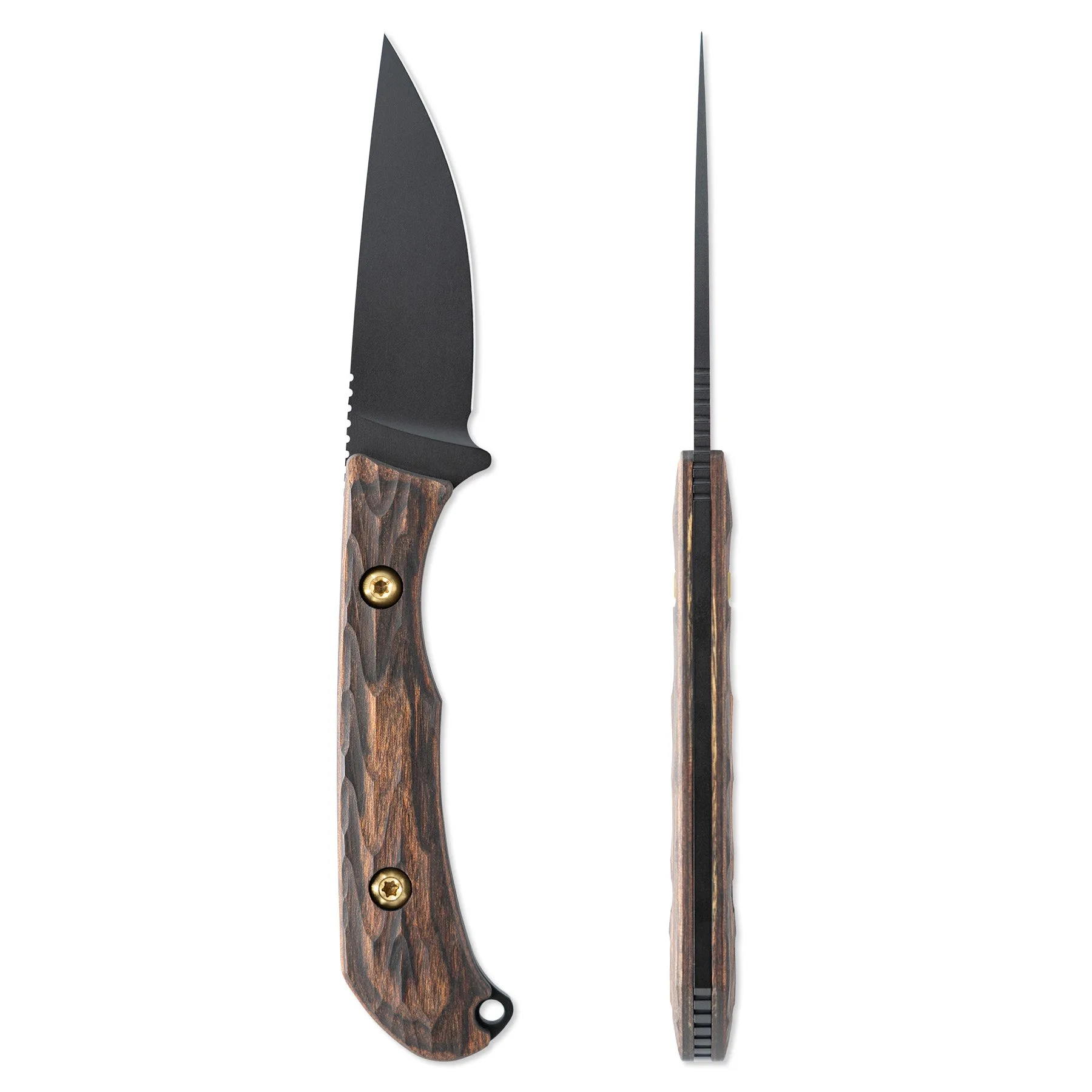
Barrow - Walnut
-
Vandal - SOCOM Black: The Vandal is a compact fixed blade for everyday carry and tactical application with a beveled ring and G10 grip. Its mid-sized profile and retention ring suit concealed carry or kit mounting while remaining quick to deploy for defensive use.
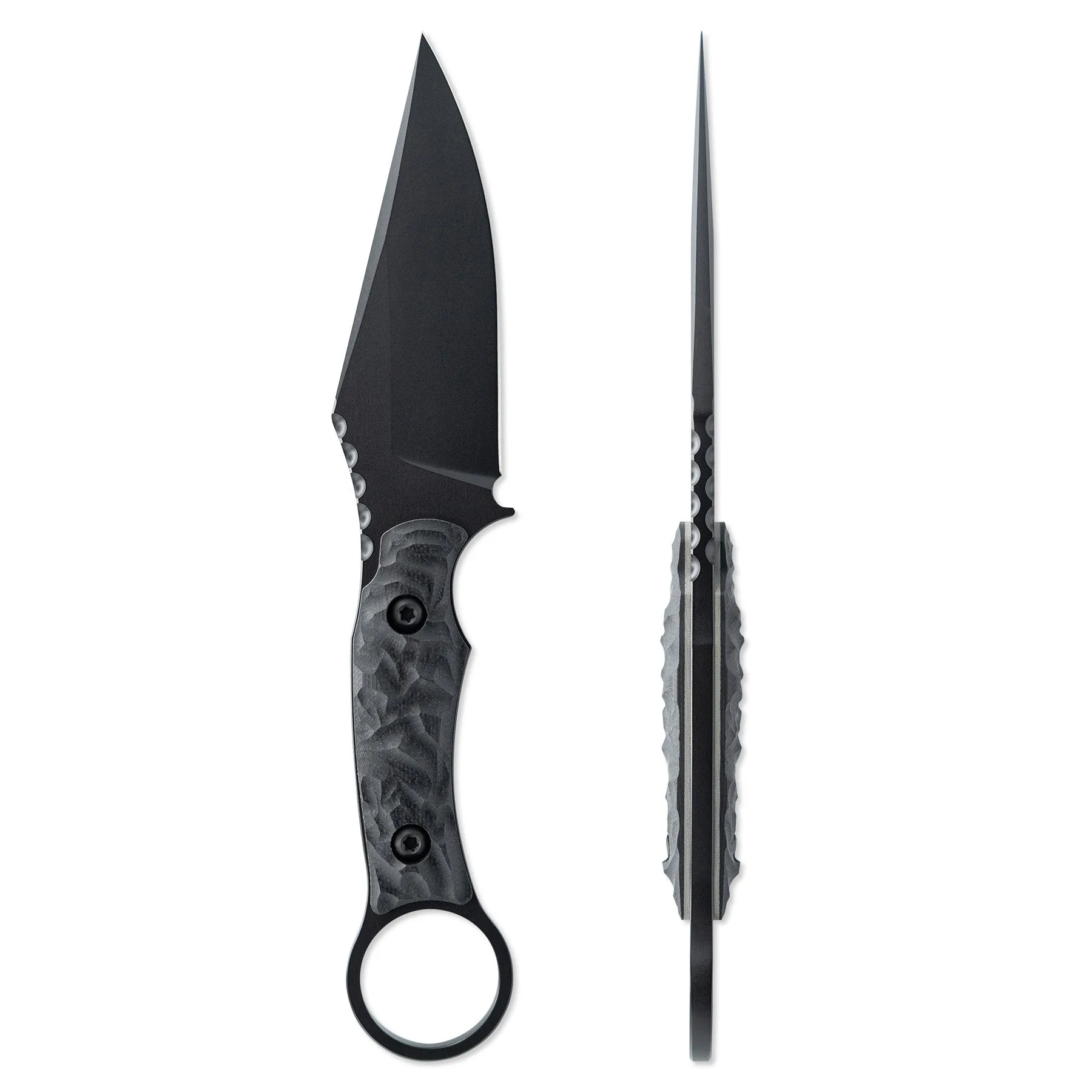
Vandal - SOCOM Black
Which Knife Fits You?
Best For
- Everyday carry users who need a compact, precise cutter for daily tasks
- Outdoor enthusiasts who want a reliable fixed blade for camping, hiking, and light bushcraft
- Tactical or self-defense carriers who prioritize quick deployment and retention
Not For
- Heavy bushcraft or batoning tasks where a larger knife with a thicker blade is required
- Collectors seeking a display piece rather than a functional user knife