Quick Answer
If you want one knife that can break down an elk or deer without stopping to sharpen, a fixed blade is the stronger choice. If you prioritize a compact, packable tool for light dressing and camp chores, a folding knife is easier to carry. The Argali Carbon Knife is built as a fixed-blade one-knife solution, so it leans toward hunters who want edge retention over a folding frame.
Carbon Knife
The fixed blade vs folding hunting knife question usually comes down to one trade-off: strength and edge retention versus compact carry. A fixed blade locks into your hand with no hinge to flex, while a folding knife disappears into a pocket or pouch until you need it.
This comparison looks at how each type performs in the field, what to check before you buy, and where the Argali Carbon Knife fits if you want a single blade for backcountry hunts. It also covers when a folding knife for hunting makes more sense than a fixed blade.
How the Two Types Differ in the Field
A fixed blade runs from handle to tip as one piece, so there is no pivot to loosen or collect debris. That rigidity helps when you are cutting through joints, separating hide, or working around bone. A folding knife trades that rigidity for a smaller footprint, which matters when pack space is tight or you want a blade that stays out of the way until needed.
For backcountry hunters, the difference shows up during a full packout. A fixed blade can handle repeated heavy cuts without flex, while a folding knife may need more frequent cleaning around the hinge. Neither is wrong; they simply solve different problems in camp and on the mountain.
- Fixed blades are easier to clean because there is no hinge area.
- Folding knives carry smaller but can be slower to deploy with cold hands.
Edge Retention and Sharpening
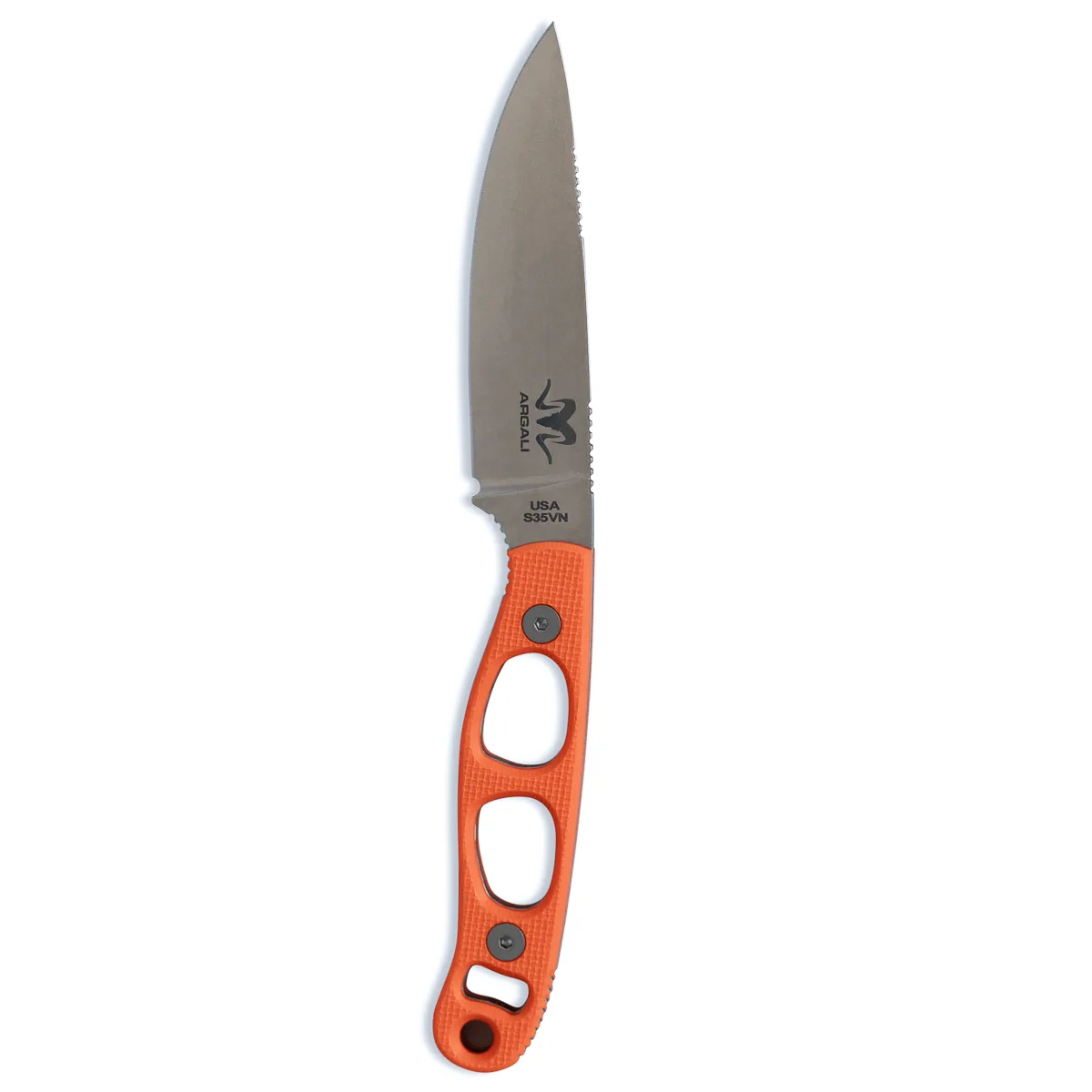
Steel choice matters more than the blade type itself. The Argali Carbon Knife is made in the USA from S35VN stainless steel for superior edge retention, and it is described as a one-knife solution for hunters who want to cut up an entire elk or deer without sharpening. That is a fixed-blade advantage: a solid, full-length tool paired with a premium steel.
Many folding knives use similar steels, but the pivot and lock add parts that can collect blood, hair, and grit. If you carry a folder, plan to clean and oil it after every hunt. If you carry a fixed blade, a quick wipe and dry is usually enough.
- Match steel to your sharpening habits, not just the blade type.
- Carry a small sharpener regardless of which knife you choose.
Packability and Weight
This is where folding knives win on paper. A folding knife for hunting takes up less room and can ride in a pocket, while a fixed blade needs a sheath on your belt or pack. The Argali Carbon Knife is described as ultralight and ultra-sharp, with textured G10 removable handles that give it the feel of a full-handled blade. Removable handles can also make the knife easier to pack or clean.
If you are counting ounces, compare the full system: knife, sheath, and any sharpening tool. A lightweight fixed blade with a simple sheath can be close in weight to a heavier folding knife, so do not assume the folder always wins.
- Weigh the knife plus sheath, not just the blade.
- A packable hunting knife should still fill your hand securely.
Safety and Control
A fixed blade gives you a predictable grip because the handle and blade are one unit. The Carbon Knife's textured G10 removable handles are designed to give the feel of a full-handled blade, which helps when your hands are wet or bloody. A folding knife relies on a lock, and lock failure is a real risk if the mechanism is packed with debris.
For gutting and quartering in awkward positions, control matters. Choose a handle that fills your palm and a blade length that matches the game you hunt. If you mostly dress small game or open boxes at camp, a folder is plenty.
- Test the grip with gloves on before you commit.
- Inspect and clean any folding lock after heavy use.
Trade-Offs at a Glance
- Strength and rigidity: A fixed blade has no hinge or lock, so it handles heavy cuts with less flex. The Carbon Knife leans into this with S35VN steel and a full-handled feel. Choose fixed if you break down big game regularly.
- Compact carry: A folding knife takes up less pack space and can ride in a pocket. That convenience comes with a pivot and lock that need cleaning. Choose folding if pack space or weight is your top limit.
- Maintenance: Fixed blades wipe down quickly. Folding knives need the hinge cleared of blood, hair, and grit to keep working smoothly. Factor cleaning time into your choice.
Product Facts
- Carbon Knife: Ultralight and ultra-sharp, the Carbon Knife from Argali is a one-knife solution for backcountry hunters who want to cut up an entire elk or deer without needing to sharpen, crafted in the USA from super-premium S35VN stainless steel for superior edge retention, with textured G10 removable handles. This is the fixed-blade benchmark here: premium steel and a full-handled feel for heavy field dressing, with removable handles for easier packing and cleaning.
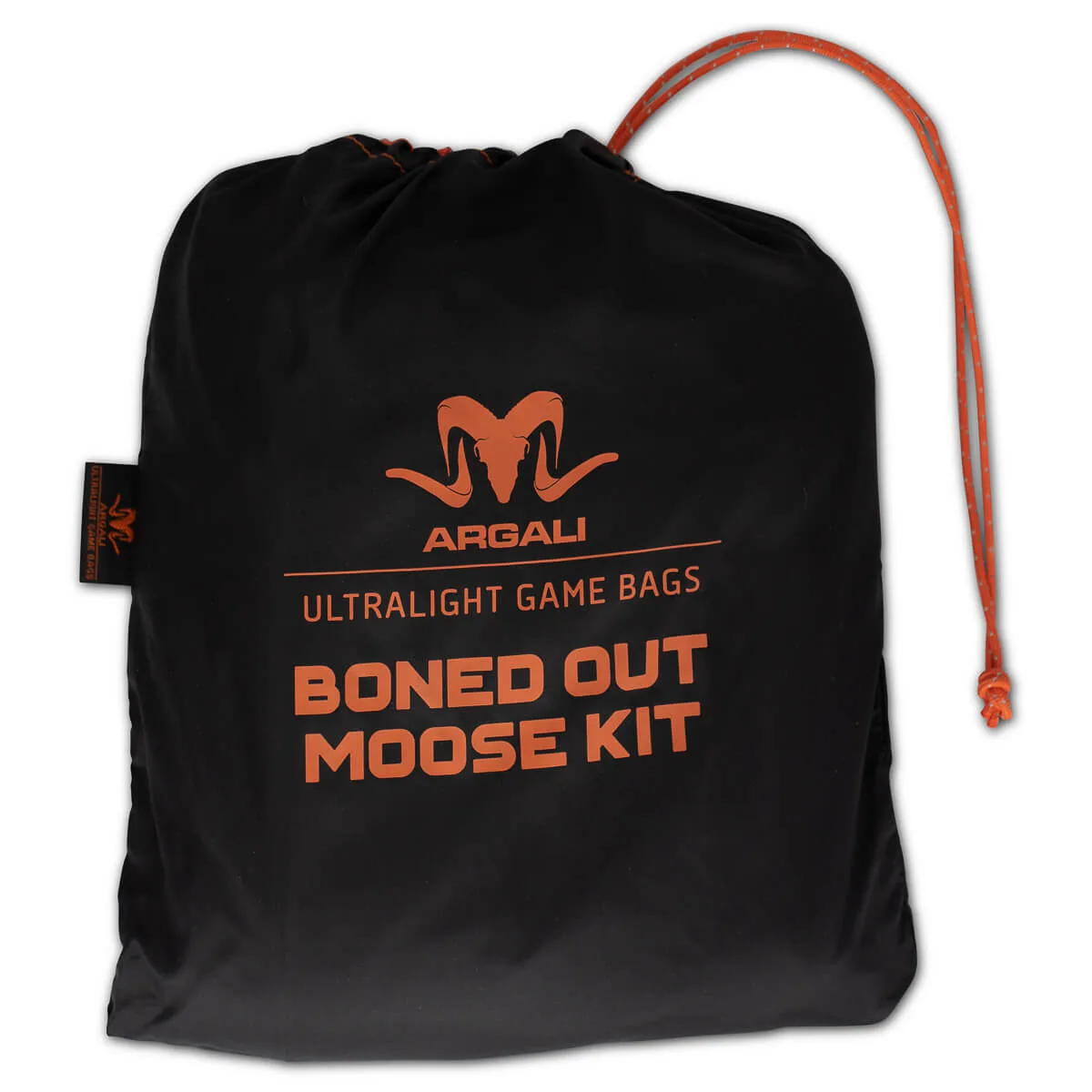
- Boned Out Moose Game Bag Set: The Argali Boned Out Moose Kit includes enough game bags to fit any mature bull moose and is made from ultralight, breathable, compact, and re-usable game bag fabric. Once your knife is sorted, meat care is the next step; this kit keeps a large packout organized and protected from flies.
Which Should You Carry?
Best for
- Hunters who break down elk, deer, or moose and want edge retention without stopping to sharpen
- Backcountry hunters who want one rigid, full-handled knife for the whole packout
Not for
- Hunters who need the smallest possible pocket carry and mostly dress small game
- Anyone who prefers a one-handed opening blade for camp chores and quick cuts
Pick a fixed blade if you want strength and edge retention for big game, and a folding knife if compact carry matters more than rigidity. The Argali Carbon Knife is the fixed-blade option to beat when one knife has to do the whole job.