Quick Answer
Choose a fixed lens if you have a stable viewing area and want the most affordable setup. Choose a motorized varifocal lens if you need remote zoom flexibility, the ability to adjust field of view after installation, or detailed identification of distant subjects. For most residential users, a fixed lens is sufficient, but motorized varifocal is worth the extra cost for larger properties or areas where you may need to zoom in remotely.
When you're shopping for a security camera, the lens type is one of the most important decisions you'll make. It determines how much of a scene you can see and how clearly you can identify details like faces or license plates. Lorex offers both fixed and motorized varifocal lenses across its wired camera lineup, and each has its own strengths.
This guide explains the practical differences between fixed and motorized varifocal lenses, when each makes sense, and how to match the lens to your specific security needs. We'll also look at two popular Lorex models to help you see the trade-offs in action.
What Is a Fixed Lens?
A fixed lens has a set focal length, meaning the field of view is locked at the factory. You choose the lens angle when you buy the camera, and you can't adjust it later. Fixed lenses are simpler and generally more affordable, which makes them a popular choice for covering specific areas like a front door, a hallway, or a parking spot.
The main limitation is flexibility. If your needs change—say you want to zoom in on a distant gate or widen the view after a remodel—you'll need to physically reposition the camera or replace it. For many people, though, a well-placed fixed camera is all they need.
- Fixed lenses are typically less expensive and have fewer moving parts, which can mean fewer potential failure points.
What Is a Motorized Varifocal Lens?
A motorized varifocal lens lets you adjust the focal length remotely, usually through the camera's app or software. This means you can zoom in or out and change the field of view without climbing a ladder or touching the camera. It's a powerful feature for fine-tuning your view after installation or for zooming in on a specific area when you need more detail.
The trade-off is cost and complexity. Motorized varifocal cameras are more expensive, and the moving parts can wear out over time. But the ability to remotely adjust the zoom can be a game-changer for properties with varied or changing security needs.
- Motorized varifocal lenses are ideal for large yards, parking lots, or areas where you need to identify license plates or faces at a distance.
Key Trade-Offs: Cost, Flexibility, and Detail
The most obvious trade-off is price. Fixed-lens cameras are generally more budget-friendly, making them a smart choice for covering multiple zones without breaking the bank. Motorized varifocal cameras cost more upfront, but they offer flexibility that can save you from having to buy a new camera if your needs evolve.
In terms of detail, a motorized varifocal lens can often provide a tighter zoom on a distant subject, which is critical for identification. However, if you know exactly what you need to cover, a fixed lens with the right angle can deliver the same clarity at a lower cost. The choice really comes down to how much flexibility you value.
- Consider whether you're more likely to need remote zoom adjustments or if a set-and-forget approach is fine for your property.
Decision Rules for Choosing Your Lens
- If you have a fixed viewing area: For a stable area like a front door or a hallway, a fixed lens is cost-effective and sufficient. You can choose the angle that covers the space and not worry about adjustments. Save money with a fixed lens.
- If you need remote zoom flexibility: If you anticipate wanting to zoom in on specific areas or adjust the view after installation, a motorized varifocal lens is worth the extra cost. It lets you fine-tune without climbing a ladder. Invest in motorized varifocal for flexibility.
- If you need to identify distant subjects: For identifying faces or license plates at a distance, a motorized varifocal lens can provide a tighter zoom. A fixed lens may not offer enough detail for distant identification. Choose motorized varifocal for detail at distance.
Lorex Camera Lens Options in Practice
- Nocturnal Series N4 Lite 4K IP Wired Turret Security Camera with Motorized Varifocal Lens, Real-Time 30FPS Recording: This camera features a motorized varifocal lens, allowing you to remotely adjust the zoom and field of view. It also offers real-time 4K video and Color Night Vision. If you need to zoom in on a distant area or adjust your view after installation, this camera gives you that flexibility without requiring physical access to the camera.
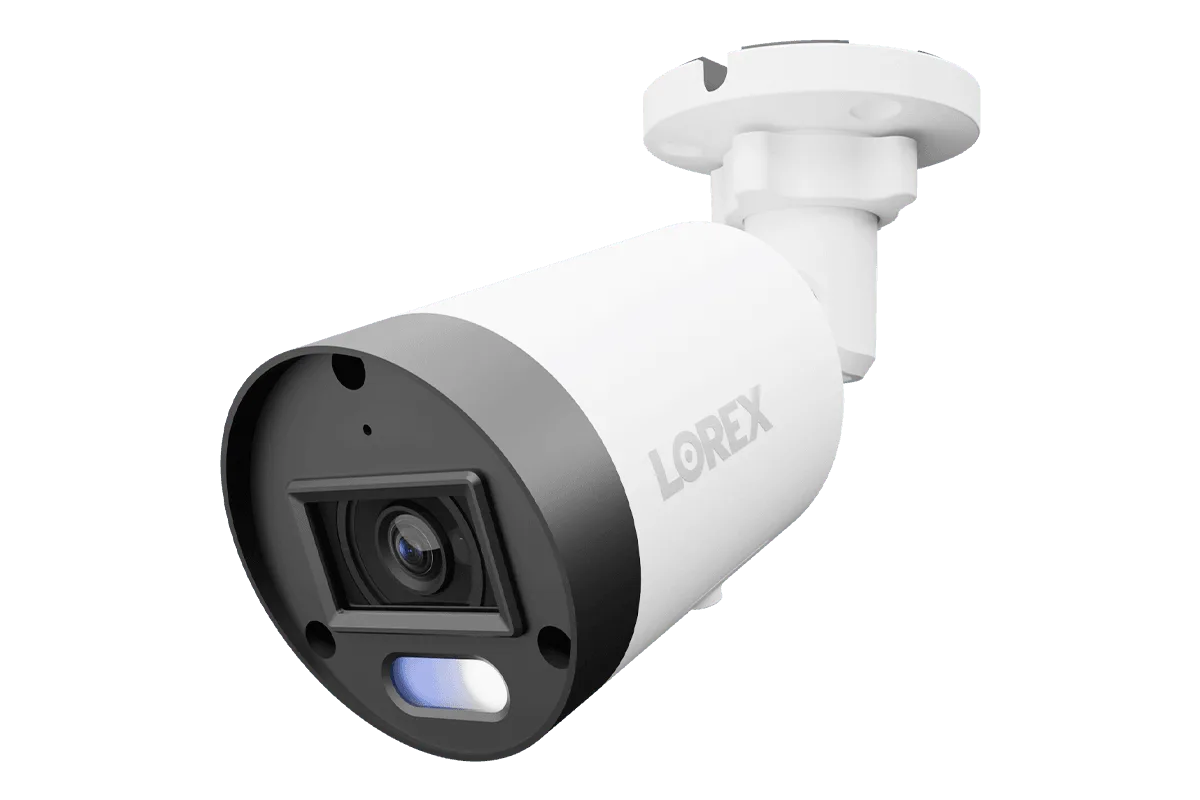
- Lorex Connect X3 4K Motorized Varifocal PoE Bullet Camera with Active Deterrence - Black/White: This PoE bullet camera delivers sharp 4K video day or night with the flexibility to remotely zoom in on distant areas without losing detail. It also includes active deterrence with lighting and a warning siren. For properties where you want to deter intruders and also have the ability to zoom in for details, this camera combines both features in one unit.
Which Lens Fits Your Needs?
Best for
- Budget-conscious homeowners who need reliable coverage of a specific, unchanging area.
- Users who prefer a simple, set-and-forget camera with fewer moving parts.
Not for
- Large properties or parking lots where you need to zoom in on distant details after installation.
- Users who want the flexibility to adjust the field of view remotely without physical access.
Choosing between a fixed and motorized varifocal lens ultimately comes down to your need for flexibility versus budget. If you have a stable viewing area and want to keep costs down, a fixed lens is a solid choice. If you value the ability to remotely zoom and adjust your view, a motorized varifocal camera like the Nocturnal Series N4 Lite or the Connect X3 is worth the investment. Assess your property, think about how your needs might change, and pick the lens that matches your priorities.