Quick answer
To fix fabric bleed in hand-dyed prints, first isolate the affected item, then use a cold water soak with a color catcher sheet. If bleeding persists, a gentle wash with a color-safe detergent and a second color catcher usually resolves it.
Why hand-dyed fabrics are prone to bleeding
Hand-dyed fabrics, like those in the Sweet Cecily collection by Janet Clare for Moda Fabrics, often use natural or low-impact dyes that can be less stable than synthetic ones. The watercolor-inspired prints, while beautiful, may release excess dye during the first few washes. This is normal and not a defect, but it does require careful handling to prevent color transfer to adjacent fabrics in your quilt.
Trade-offs: When to stop and choose another option
If the bleeding is severe or the fabric is a high-contrast print (like a white background with deep color), repeated washing might not fully restore it. In such cases, consider using the fabric in a project where color run won't be visible, or replace it with a known colorfast alternative. Not all hand-dyed fabrics can be fully saved, and aggressive washing can damage the fabric's hand or cause fraying.
Diagnosis and fix for fabric bleed
- Symptom: You see a halo of color around a seam or a pinkish tint on white areas after washing or pressing with steam. Do not dry the fabric—heat sets the stain.
- Likely cause: Excess dye from a hand-dyed or low-colorfast print that was not fully rinsed during manufacturing or was washed in warm/hot water. Check the fabric's care label; hand-dyed often requires cold water.
- Corrective action: Soak the affected area in cold water with a color catcher sheet for 30 minutes. If bleeding persists, gently hand-wash with a color-safe detergent and a second color catcher. Rinse thoroughly in cold water until the water runs clear. If bleeding remains after two soaks, stop washing and consider the fabric a 'use as is' or replacement candidate.
- Stop or choose another option: If the fabric is too delicate (e.g., silk or very loose weave) or the bleeding does not improve after two cold soaks, do not continue washing. Instead, repurpose the fabric for a project where color run is not critical, or replace it with a known colorfast option like a solid from a reputable brand.
Product facts
-
MODA - Sweet Cecily by Janet Clare - Clover Blenders Clover Watercolor - Lily: Sweet Cecily by Janet Clare for Moda Fabrics brings a soft, watercolor-inspired look to quilting and sewing projects. This Clover Blenders print in the Lily colorway is part of the Sweet Cecily collection. Its delicate watercolor effect means the dye is less concentrated than in solids, so bleeding may be less intense but still possible; handle with care during first wash.
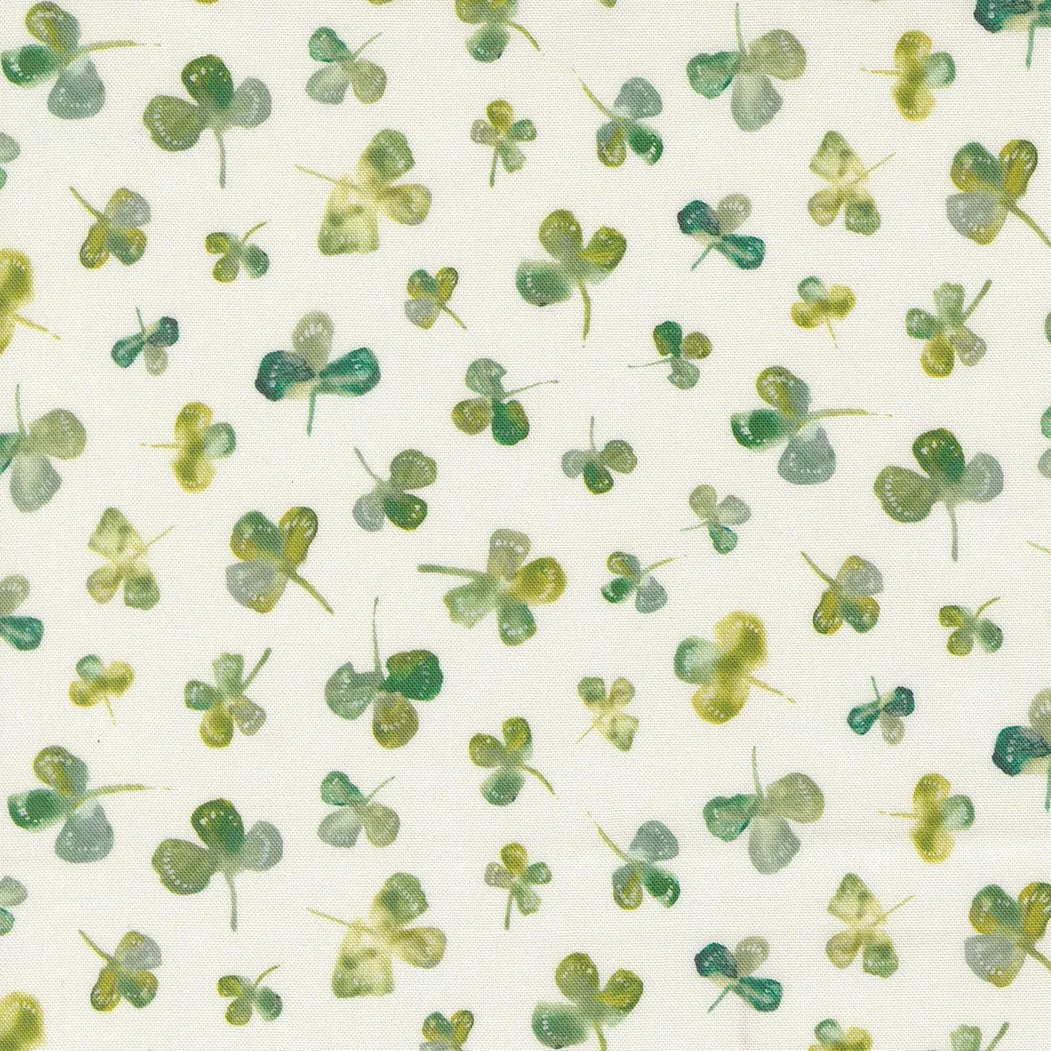
MODA - Sweet Cecily by Janet Clare - Clover Blenders Clover Watercolor - Lily