Quick Answer
To fix foggy ski goggles while riding, improve airflow and remove excess moisture. Crack the vent foam, wipe the lens with a dry microfiber cloth, and avoid pulling the goggles down over a sweaty face.
Why Goggles Fog Mid-Ride
Fog forms when warm, moist air inside the goggle meets a cold lens. While riding, your face generates heat and sweat, and if the vents are blocked or the fit is too tight, that moisture has nowhere to escape.
A common mistake is lifting goggles onto a helmet or forehead during breaks. This lets snow and sweat inside, and the lens cools unevenly, making fog worse when you pull them back down.
Ventilation and Fit Trade-Offs
More vents mean better airflow but can let in cold air and snow. Goggles with adjustable vents let you balance fog prevention with warmth on stormy days.
A snug fit is important for impact protection, but if the frame presses too tightly against your face, it compresses the foam and blocks airflow. Check that the foam isn't flattened or worn.
Diagnose and Fix Fog on the Mountain
- Symptom: Lens fogs within minutes of riding, especially after exertion or when you stop.
- Likely Cause: Blocked vents, a too-tight fit, or moisture trapped inside from pulling goggles up onto your helmet.
- Corrective Action: Open or clear the vents, loosen the strap slightly, and wipe the lens with a dry microfiber cloth. If moisture is trapped inside, remove the goggles in a dry area and let them air out. If fog persists after these steps, the anti-fog coating may be worn or damaged.
- Stop or Choose Another Option: If fogging continues despite proper ventilation and dry lenses, consider a goggle with a better vent system or replace the lens if it has a scratched anti-fog coating.
Product Spotlight
-
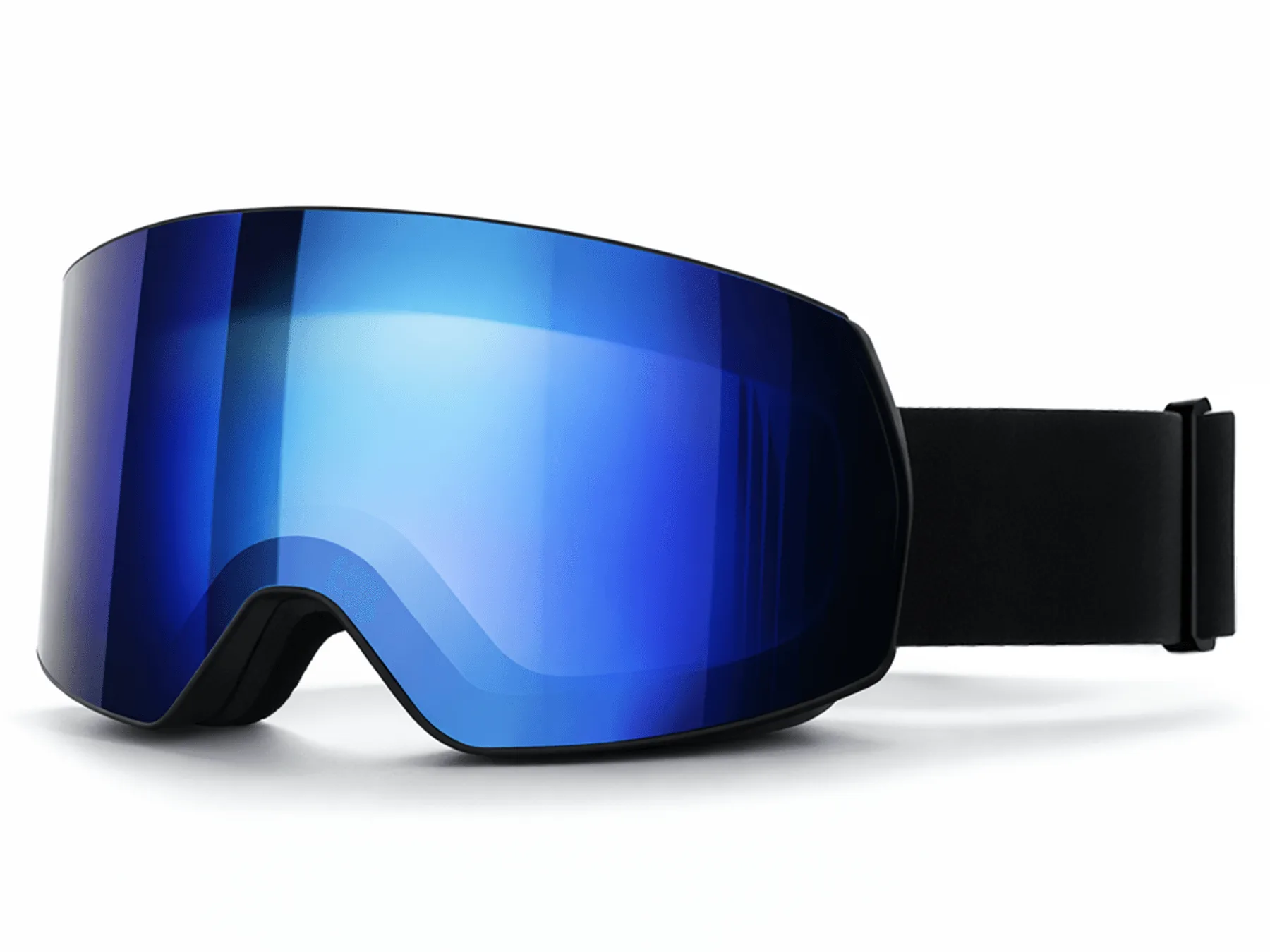
Louis Prescription Ski Goggles (Insert): The Louis Prescription Ski Goggles feature a ventilated frame and polycarbonate lenses. The ventilated frame helps reduce fog buildup, and polycarbonate lenses resist impact for safer riding.
Louis Prescription Ski Goggles (Insert)