Quick Answer
Flea and tick collars for cats can be both safe and effective when you pick a product labeled for cats, follow the package directions exactly, and check the fit weekly. They work best as one part of a broader cat flea prevention plan, not as a stand-alone fix for a heavy infestation. Never put a dog collar on a cat.
A flea collar is one of the easiest flea treatments to use on a cat: you put it on and mostly forget it. That convenience is also why so many cat owners ask whether collars actually work and whether they are safe for a pet that grooms itself constantly.
The honest answer is that collars vary widely. Some release medication slowly across the coat, some mainly repel pests, and some are little more than a scented band. What matters is the active ingredient, the species on the label, and how the collar fits.
How do flea and tick collars for cats actually work?
Most collars release their active ingredient onto the oils of your cat's skin and coat, where it spreads slowly around the body. That gives ongoing protection rather than a single dose. Some ingredients kill fleas on contact, others repel ticks, and some do both. Because the medication moves through the coat oils, a collar that is too loose or trimmed too short may not distribute well.
Coverage is not instant. Many products need a day or more to spread fully, and they are designed for maintenance, not for knocking down an existing flea population in your home. If your cat already has fleas, treat the cat and the environment together.
- Check the label for which pests the collar targets: fleas only, ticks only, or both.
- Give the collar time to spread before judging whether it works.
Are flea collars safe for cats?
For most healthy adult cats, a collar that is specifically labeled for cats is safe when used as directed. The real risks come from misuse: using a dog product on a cat, layering several flea products that contain the same or conflicting ingredients, or leaving a collar on a growing kitten that becomes too tight. Cats are more sensitive than dogs to certain insecticide classes, which is why species-specific labeling matters so much.
Kittens, pregnant or nursing cats, senior cats, and cats with skin conditions or ongoing medication need a veterinarian's input first. If you notice drooling, vomiting, wobbliness, excessive scratching at the neck, or skin irritation under the collar, remove it and call your vet. Wash your hands after handling any treated collar.
- Never use a dog flea collar on a cat.
- Do not stack a collar with a topical or oral product unless your vet confirms the combination.
What is the best flea collar for cats?
There is no single best collar for every cat, because the right pick depends on whether ticks are a problem where you live, whether your cat goes outdoors, and how long you want protection to last. Long-duration collars cost more up front but need replacing less often. Cheaper collars may only repel, or may need replacing every few months.
Look for a clear active ingredient, a stated duration, and an explicit cat label. If your cat is indoor-only in an area with low tick pressure, a flea-focused collar may be enough. If your cat hunts or roams, choose a cat flea and tick collar and check it weekly, since collars can snag on fences and branches. Whatever you choose, pair it with a plan for your home and yard.
- Outdoor or hunting cats: prioritize a collar labeled for both fleas and ticks.
- Indoor cats: a flea-only collar plus indoor control is often sufficient.
How should a flea collar fit a cat?
Fit is where most collar problems start. You should be able to slide two fingers between the collar and your cat's neck, no more. A collar that is too loose can slip off or be pawed at; one that is too tight causes hair loss, skin irritation, and discomfort. Trim excess length after fitting so your cat cannot chew the tail end, but follow the manufacturer's guidance on how much to cut.
Check the fit every week, and re-check after any grooming or bathing. Some collars lose effectiveness after swimming or frequent bathing, so read the label before you assume yours is water-resistant. Growing kittens need more frequent checks because their necks thicken quickly.
- Two fingers under the collar is the standard fit test.
- Re-check fit weekly and after baths or grooming.
Can a collar replace other cat flea prevention?
A collar handles the pet, but fleas spend most of their life cycle off the animal, in carpet, bedding, and yard debris. That is why collars work best alongside washing bedding, vacuuming, and treating areas where your cat rests. If you also have dogs, they need their own species-appropriate protection, because fleas move between pets freely.
Collars also do not address tapeworms, which cats can pick up by swallowing infected fleas. If you see rice-like segments near the tail or in bedding, that is a worm issue, not a collar issue, and it needs a deworming product. Ask your vet which combination fits your household.
- Treat the home and yard, not just the cat.
- Watch for tapeworm signs and treat separately if needed.
Flea Collar Safety Checklist for Cat Owners
Read the species label first
Confirm the package says it is for cats, and check the active ingredient and stated duration before you buy. If it says dog only, it does not go on your cat.
Fit with two fingers of slack
Slide two fingers under the collar, then trim the excess tail so it cannot be chewed. Re-check weekly and after any bath.
Do not stack products blindly
Combining a collar with a topical or oral flea product can double up ingredients your cat does not need. Ask your vet before layering treatments.
Watch for reactions in the first days
Drooling, vomiting, wobbliness, or neck irritation are reasons to remove the collar and call your vet. Keep the packaging so you can share the ingredient name.
Treat the environment too
Wash bedding, vacuum regularly, and manage outdoor pests so fleas cannot keep reinfesting your cat. A collar alone rarely clears a full infestation.
Helpful Products for a Complete Flea Plan
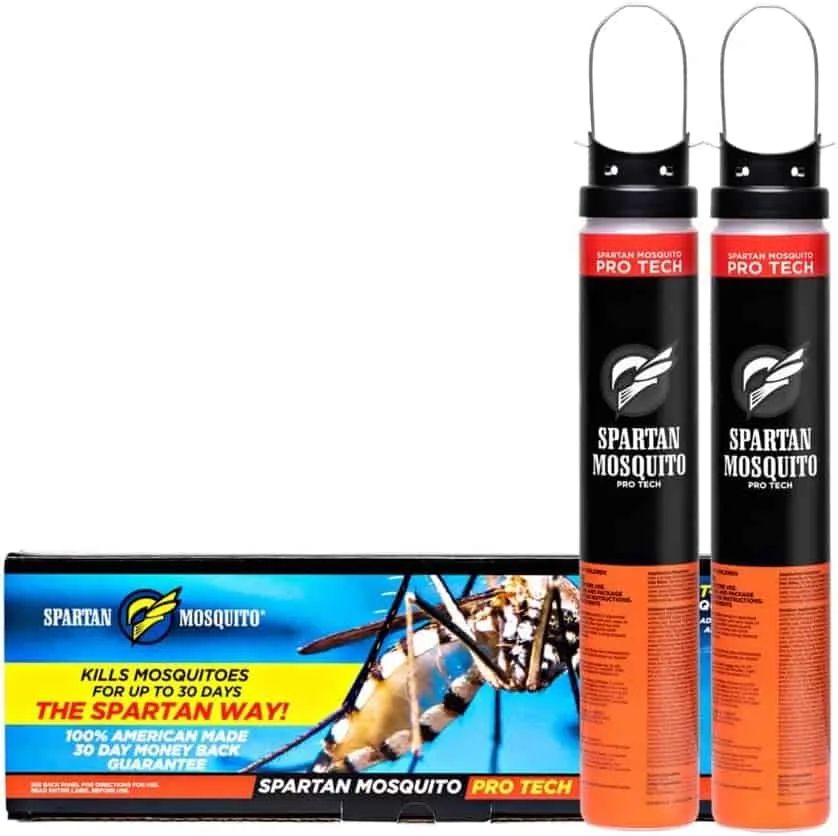
- Spartan Mosquito Pro Tech Outdoor 2 Pack: A no-spray outdoor solution that attracts and eliminates mosquitoes before they can reproduce, helping protect your yard for weeks at a time. Reducing biting pests in the yard lowers the overall pest pressure your cat faces near doors and windows.
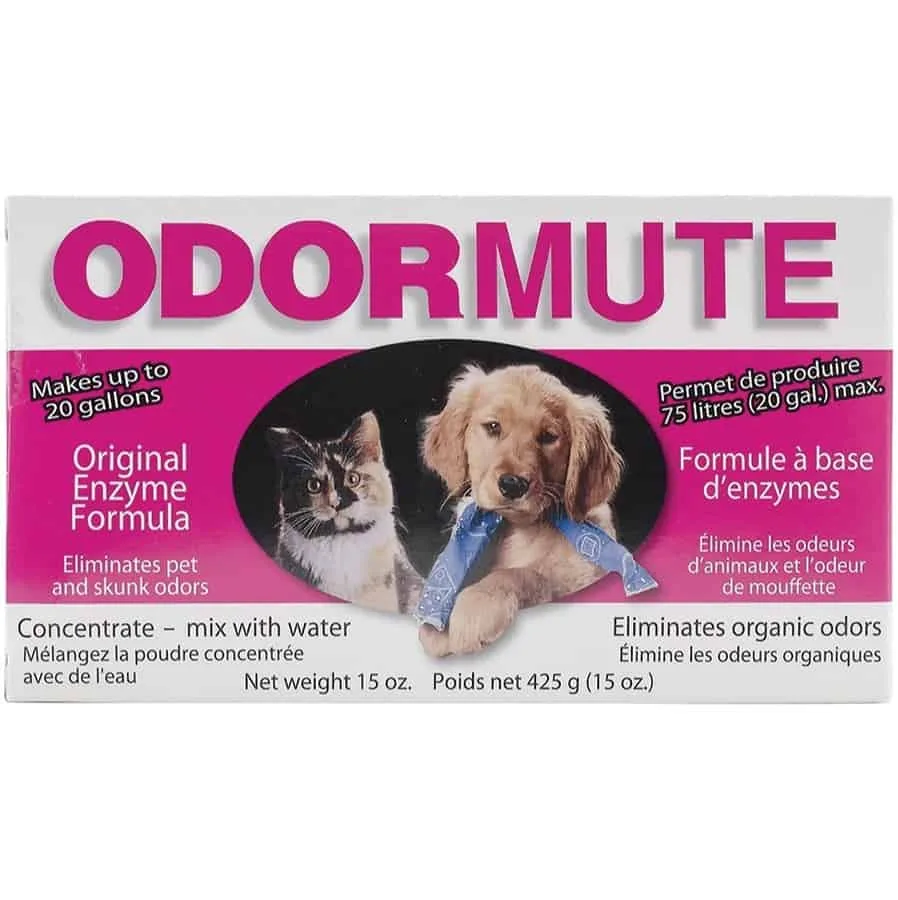
- Odormute Organic Odor Eliminator 15 oz: A concentrated enzyme powder that mixes with warm water and removes organic odors at the source, including urine odors set into carpet, walls, and fabrics. When fleas or accidents leave lingering smells in your cat's favorite spots, an enzyme cleaner helps you reset those areas during a flea cleanup.
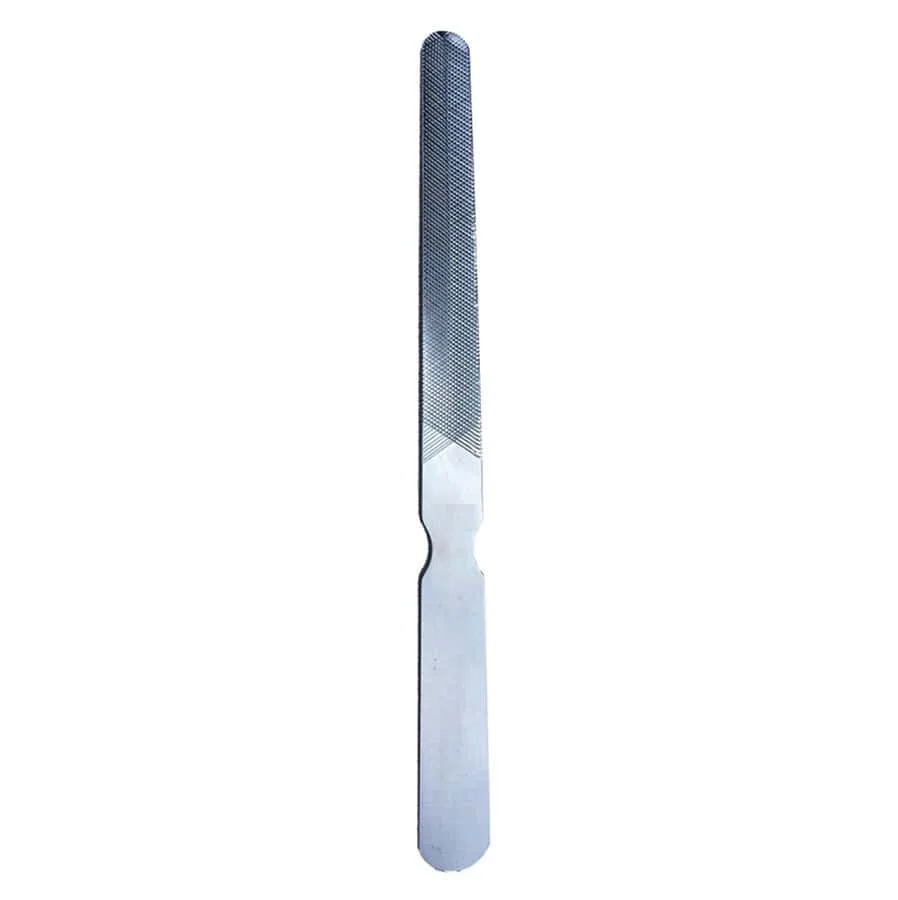
- Millers Forge Pet Nail File: A long, curved filing surface that follows the natural contour of your pet's nail to smooth rough edges after clipping. Smoother nails mean less self-trauma if your cat scratches irritated skin around the collar area.
Flea and tick collars for cats can be a safe, low-effort part of cat flea prevention when you choose a cat-labeled product, fit it correctly, and pair it with home and yard control. If your cat is young, senior, pregnant, or already itchy, talk to your veterinarian before you strap anything on.