Quick answer
Run flea and tick prevention for dogs as a 12-month routine, not a summer-only task. Pick one monthly product you can actually keep up with, confirm the weight range and species on the label, and re-check your dog and its bedding every time the seasons shift. In most homes the biggest failure is a missed month, not the wrong brand.
Fleas and ticks do not read a calendar. Fleas overwinter indoors on pets and in bedding, and ticks can wake up on any mild day, so the goal is a routine that survives weather changes, travel, and busy weeks.
This checklist walks you through the year in order, with the checkpoint that matters at each stage. It is written for dog owners in the St. Joseph, Missouri area and similar four-season climates, but the sequence works anywhere you get a real winter.
Start With the Right Product for Your Dog
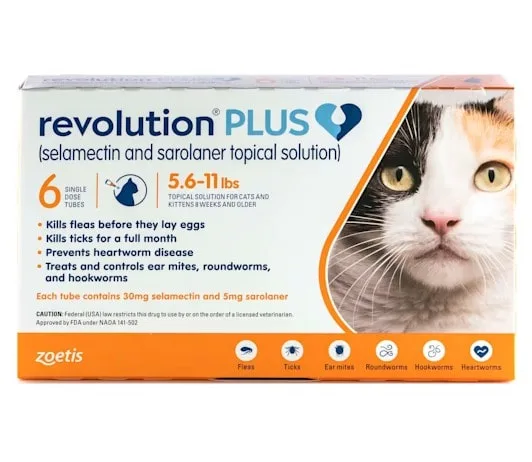
Before you build a schedule, match the product to your dog's current weight and to the parasites you actually need to cover. A topical like Revolution Plus is labeled by weight range, and the 5.6-11 lb 6 Pack covers cats in that range, not dogs, so read the species line before you buy. For dogs, choose the dog-labeled version of whatever your veterinarian recommends.
Decide whether you need flea-only, flea-and-tick, or flea, tick, and heartworm coverage. Revolution Plus for cats is a 6-in-1 monthly topical that kills fleas before they lay eggs, kills three tick species for a full month, and prevents heartworm disease while treating ear mites, but that label is for cats. Use it as a reminder that combination products exist and ask for the dog equivalent.
- Weigh your dog at home or at the vet before buying; weight ranges are not interchangeable.
- Check whether the label says dog, cat, or both. Never split a dose between species.
- If your dog is on a heartworm preventive already, confirm the new product does not duplicate it.
Early Spring: First Thaw Checkpoint
When daytime temperatures start staying above freezing, ticks become active again even if you still see snow patches. This is the month to restart or confirm monthly preventives if you paused them, and to do a full body check after every walk in tall grass or brush.
Run your hands against the coat from nose to tail, paying attention to ears, armpits, the groin, and between the toes. Ticks prefer warm, hidden spots, and a tick you find in the first 24 hours is far easier to deal with than one you find a week later.
- Set a phone reminder for the same date each month so doses do not drift.
- Check your dog within a few hours of any hike, not the next morning.
- Wash pet bedding on hot if you find any evidence of fleas.
Late Spring and Summer: Peak Pressure
This is when flea and tick pressure peaks in most of the Midwest. Keep the monthly schedule unbroken, and add a quick coat check after every outdoor session. If your dog swims or gets bathed often, ask your veterinarian whether your topical product's effectiveness is affected by frequent bathing, since some labels have timing rules.
Watch for the early signs of a flea problem: scratching around the tail base, small dark specks in the coat, or tiny bites on your own ankles. Catching fleas at this stage usually means treating the pet and washing bedding rather than treating the whole house.
- Do not double up on doses if you think you missed one; call your vet instead.
- Keep a lint roller near the door for a fast flea-dirt check after walks.
- If you have multiple pets, treat all of them on the same schedule.
Fall: The Month Most People Quit Too Early
Cooler nights do not end tick season. Adult ticks remain active into fall, and fleas that came inside during summer keep reproducing in a warm house. This is the single most common gap in seasonal flea control: owners stop in September, then see fleas again in November.
Keep the monthly product going through fall, and use the change in weather to do a deeper reset. Wash bedding, vacuum carpets and furniture edges, and empty the vacuum canister outside. If you have had fleas before, this is also a good time to re-check the areas where your dog sleeps.
- Do not stop preventives just because you stopped seeing ticks.
- Vacuum edges and under furniture, not just open floor.
- Store unused doses where you will see them next month.
Winter: Indoor Risk and Next-Year Planning
In a heated home, fleas can complete their life cycle year-round. If your dog visits other dogs, daycare, or training classes, keep prevention going through winter rather than pausing. Ticks are less likely in deep winter, but a warm spell can bring them out again.
Use the slower season to review what worked. If you struggled to remember doses, switch to a format that fits your routine, such as a chewable, a collar, or a longer-interval product your veterinarian carries. If your dog had a reaction or a breakthrough, note the date and product so your vet can adjust.
- Keep a written log of product name, date given, and any reaction.
- If you travel south in winter, keep full-year coverage.
- Restock before spring so you are not scrambling the first warm week.
Grooming and Home Habits That Support the Plan
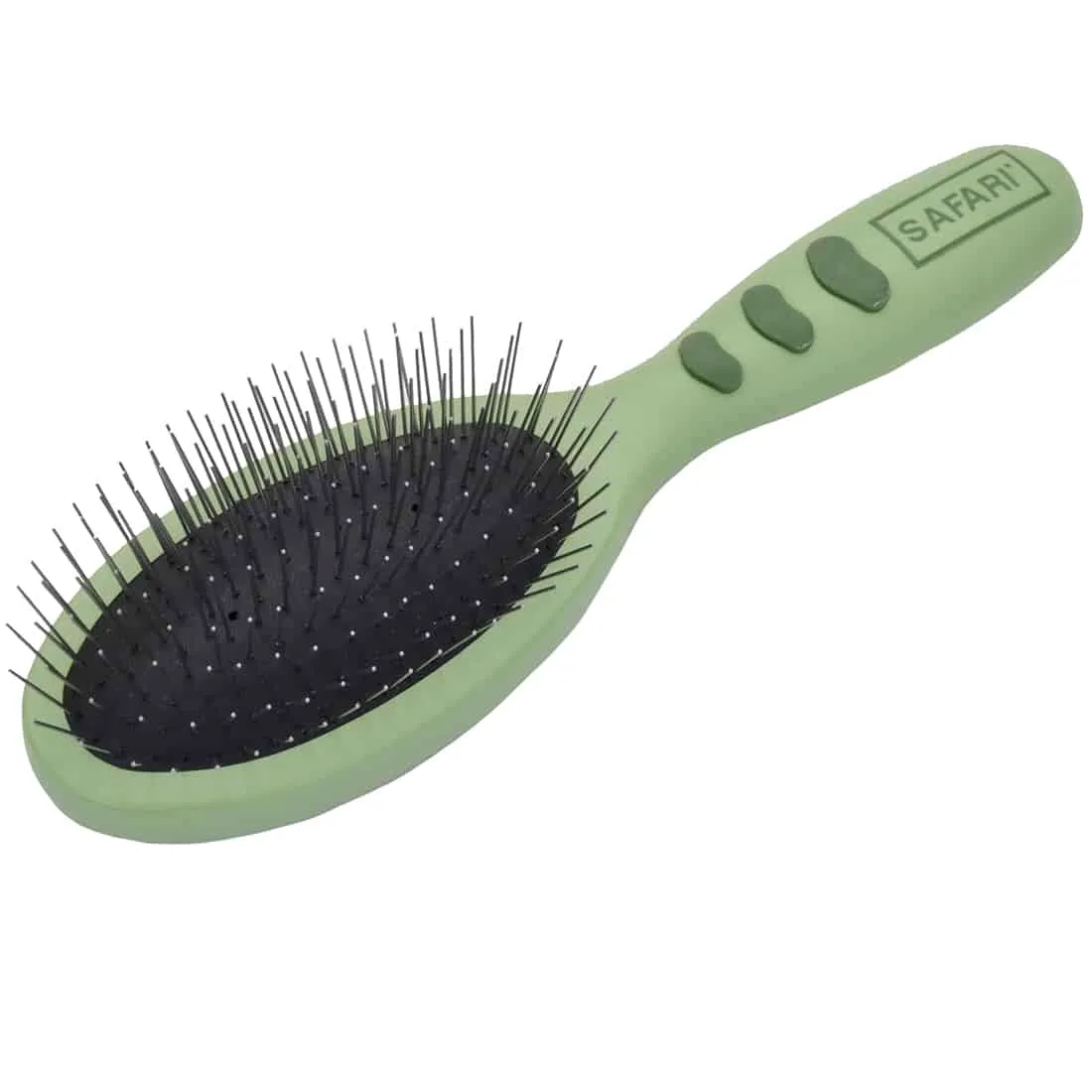
Prevention works better when you can actually see your dog's skin. A weekly brush-out removes loose hair and debris and gives you a reason to run your hands over the coat. The Safari Wire Pin Brush Large is a 9.25 by 2.5 inch pin brush that gently removes loose hair and helps distribute natural oils, which makes those weekly checks faster and more comfortable for the dog.
For dogs that grow hair in the ear canals, a quick ear check belongs in the same weekly routine. Ask your groomer or veterinarian before using any tool inside the ear canal, since the skin there is easy to irritate. The point is not to do more grooming, it is to catch problems while they are small.
- Brush before applying topical products so the coat is clean and dry.
- Check ears, paws, and the tail base every week.
- Wash your hands after handling any tick or flea product.
Your Monthly Flea and Tick Checklist
- Confirm the product and dose: Check the label species, weight range, and interval before you open anything. If your dog's weight has changed since the last dose, re-weigh before applying. Checkpoint: if the label says cat, do not use it on a dog.
- Apply or give on the same date each month: Pick a date you will remember, such as the first of the month, and set a recurring phone reminder. Missing a month is the most common reason prevention fails. Checkpoint: if you miss a dose, call your veterinarian for guidance instead of doubling up.
- Do a five-minute body check: Run your hands against the coat over the ears, armpits, groin, and between the toes. Remove any tick you find with fine-tipped tweezers and clean the area. Checkpoint: note the date and location of any tick bite in case your vet asks.
- Reset the home environment: Wash pet bedding on hot, vacuum carpet edges and furniture, and empty the canister outside. Do this more often during peak flea season. Checkpoint: if you see fleas after a full month of consistent prevention, treat the environment, not just the pet.
- Review at each season change: At the start of spring, summer, fall, and winter, ask whether your current product still matches your dog's weight, lifestyle, and travel plans. Checkpoint: write down any reaction or breakthrough so your veterinarian can adjust next time.
Products That Fit This Routine
- Revolution Plus Topical Solution for Cats 5.6-11 lbs 6 Pack: Revolution Plus is a monthly topical that provides 6-in-1 protection for cats, kills fleas before they lay eggs, kills three types of ticks for a full month, prevents heartworm disease, and treats and controls ear mites. It shows what combination coverage looks like, but the label is for cats in the 5.6-11 lb range, so dog owners should ask their veterinarian for the dog-labeled equivalent rather than using this product.
- Safari® Wire Pin Brush Large: The Safari Wire Pin Brush Large is 9.25 by 2.5 inches and gently removes loose hair and debris while helping distribute natural oils for a soft, shiny coat. A weekly brush-out with a pin brush makes it easier to spot fleas, flea dirt, and ticks during the seasons when pressure is highest.
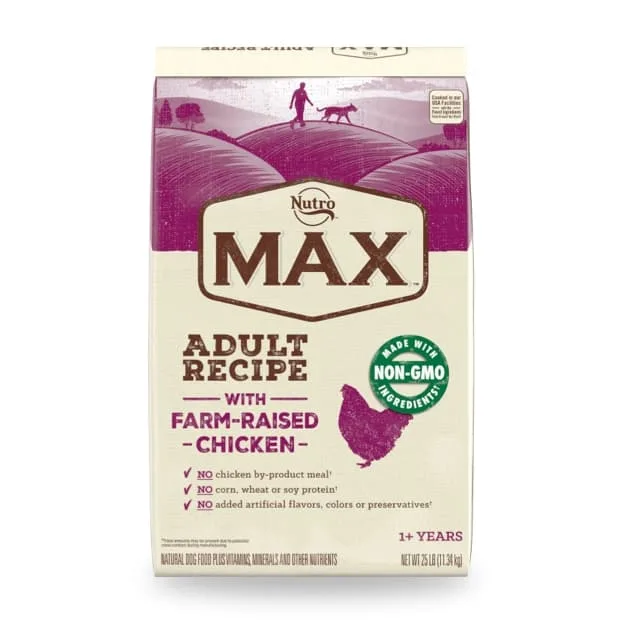
- Nutro MAX Adult Dog Food Chicken Recipe 25 lb: NUTRO MAX Adult Recipe Dry Dog Food With Farm-Raised Chicken is made in the USA with non-GMO ingredients and is available for local delivery or curbside pickup. Keeping your dog on a consistent, complete diet supports the skin and coat you are checking every week; this option is a straightforward adult maintenance formula.
Flea and tick prevention works best as a boring, repeatable routine: right product, same date every month, quick checks in between. Build the checklist into your calendar now, and the season changes stop catching you off guard.