Quick answer
Choose fleece booties for crawling, stroller naps, and indoor warmth because they stay on and let toes flex. Choose quilted booties for dry cold walks once your child is pulling up or walking. Choose rain boots only for wet weather or puddles, and size them with room for a thick sock. Most families end up owning two pairs: a soft pair for everyday and a waterproof pair for rain.
What each style is actually good at
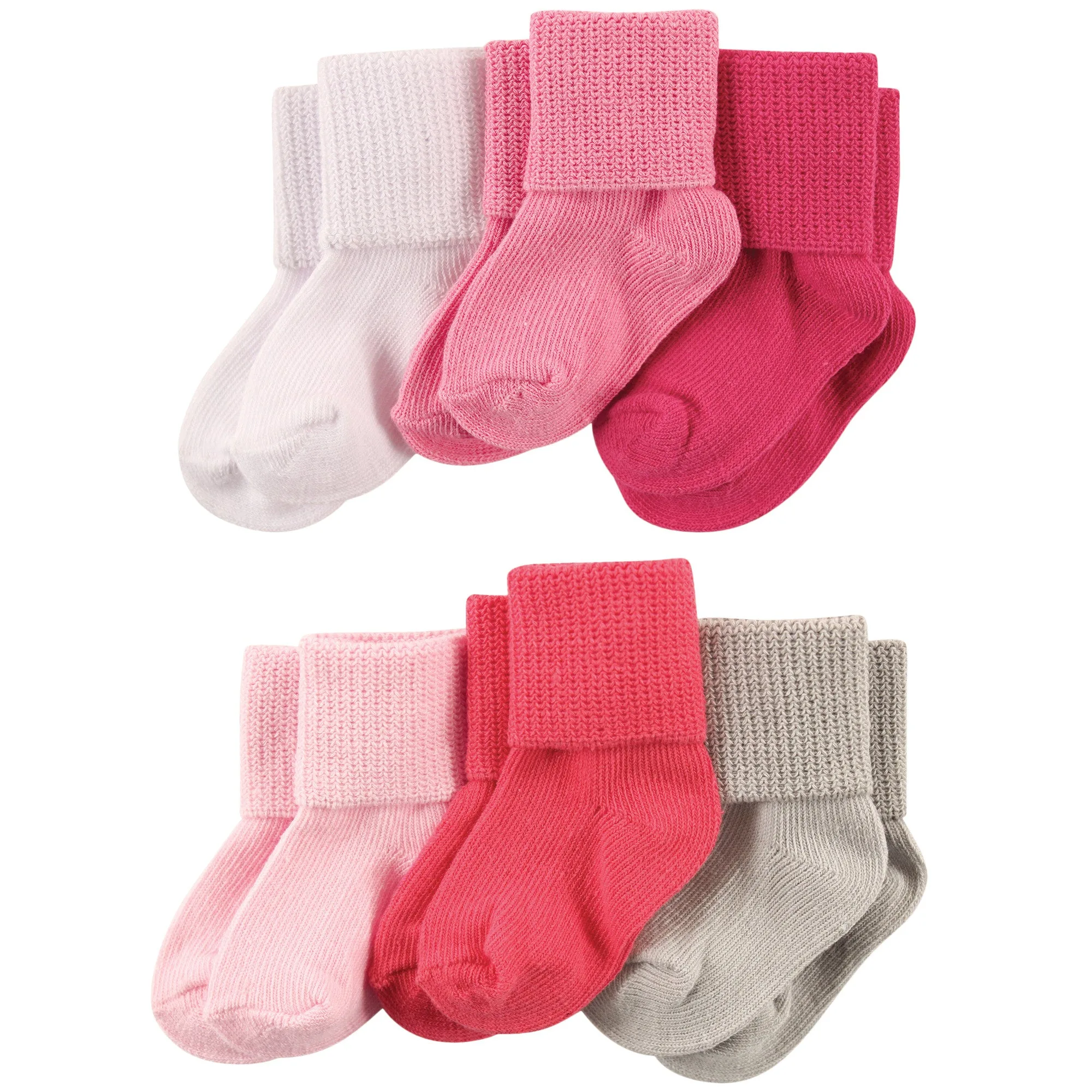
Fleece booties are soft, flexible, and lightweight. They slip on easily, stay put during tummy time and crawling, and add warmth without bulk, which makes them the best baby booties for crawling and early standing. They are not waterproof, so a wet sidewalk or a splash in a puddle soaks straight through.
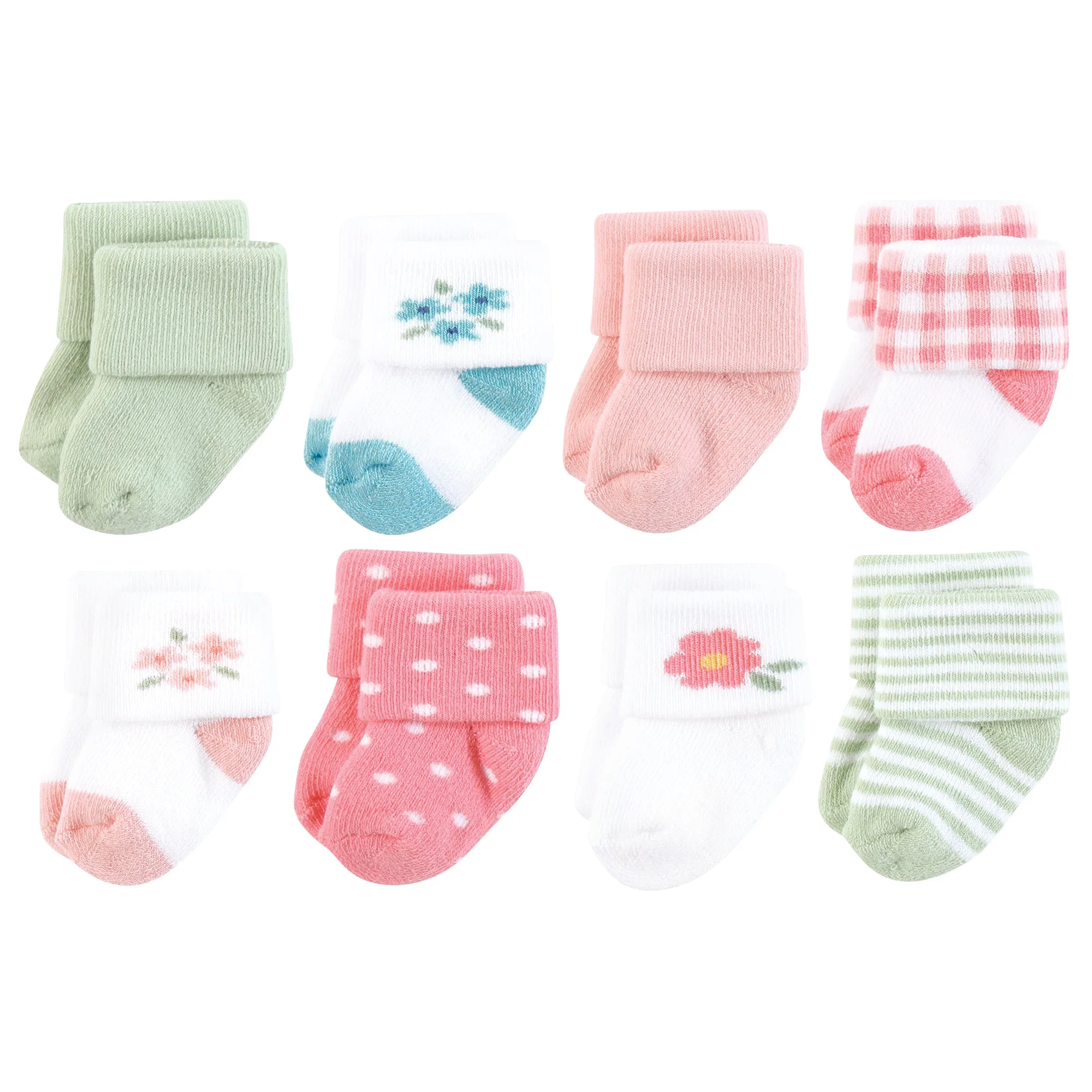
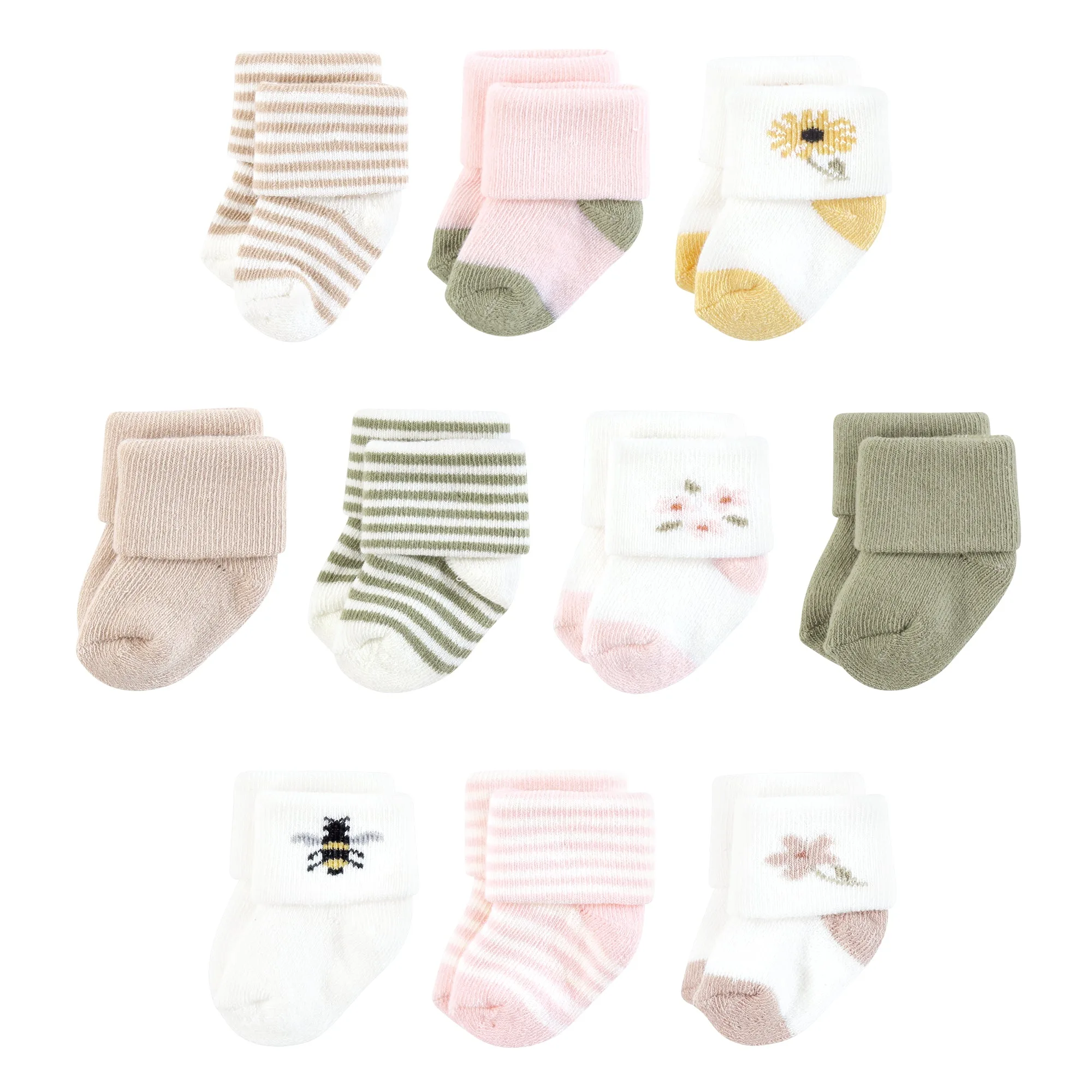
Quilted booties add a stitched, padded layer that traps more warmth than fleece alone and looks dressier with outfits. They work well for dry cold days, car rides, and short walks. Most quilted styles are water-resistant at best, not waterproof, so they are a poor match for slush or heavy rain.
Rain boots are the only option here built for wet weather. They are rigid, taller, and heavier, which helps in puddles but can trip a new walker. They also offer little warmth on their own, so pair them with thick socks or a fleece liner on cold rainy days.
Warmth, grip, and staying on
Warmth: fleece is the lightest layer, quilted adds padding, and rain boots add almost none. If the forecast is below freezing and dry, quilted booties over a warm sock beat rain boots every time.
Grip: soft-soled fleece and quilted booties let toes grip the floor, which is what crawlers and early walkers need. Rain boots have stiff soles that are safer outdoors on wet pavement but clumsy indoors.
Staying on: booties with an elastic ankle or hook-and-loop strap stay on far better than slip-on styles. If your baby kicks off shoes constantly, start with a bootie that has an adjustable closure before buying rain boots.
How to size and fit each pair
Measure your child's foot heel to toe and add about a half inch of growing room for booties, or a full inch for rain boots if you plan to layer socks. Check width too: a bootie that is long enough but too narrow will still pinch.
For crawlers, a snug fit matters more than length because loose booties slide off. For walkers, leave enough room that toes are not jammed at the front when standing, since feet spread under weight.
Always test fit at the end of the day when feet are slightly larger, and recheck every four to six weeks. Babies' feet grow quickly, and a pair that fit last month may already be tight.
Matching booties to real weather and routines
For a baby who spends most of the day crawling, cruising furniture, or napping in a stroller, soft fleece or quilted booties cover nearly every outing. Keep a waterproof pair by the door for rainy days rather than making rain boots the everyday shoe.
For a confident toddler who walks to the car, the playground, and through puddles, rain boots earn their place. A toddler rain boots buying guide rule of thumb: buy rain boots for the wet days, and keep quilted or fleece booties for the dry cold ones.
If you only want one pair for fall and early winter, quilted booties are the most versatile compromise. If you live somewhere with frequent rain, fleece plus rain boots is the more practical two-pair setup.
Trade-offs at a glance
- Fleece booties: Soft, flexible, and easy to put on, but not waterproof and thin against cold wind. Best for crawlers, indoor wear, and stroller naps.
- Quilted booties: More warmth and a dressier look than fleece, but usually only water-resistant, not waterproof. Best for dry cold days and everyday outings.
- Rain boots: Fully waterproof and great in puddles, but stiff, heavy, and not warm on their own. Best for wet weather with thick socks or a liner.
Products that fit these categories
- Hudson Baby Plush Jumpsuits, Winter Bear: Hudson Baby Plush Jumpsuits, Winter Bear is a one-piece plush jumpsuit with a breathable fabric and roomy design, machine washable. A warm one-piece covers the feet area on cold days and reduces the need for bulky booties indoors, so you can save the boots for outdoor wear.
- Hudson Baby Snow Bib Overalls, Black: Hudson Baby Snow Bib Overalls, Black has a water-repellent layer, insulation, adjustable straps, and reinforced areas, with a weather-resistant outer shell that blocks wind. For snow and slush, a snow bib handles the wet and cold better than any bootie, so pair it with rain boots or insulated boots rather than soft booties.
- Hudson Baby Cotton Poly Animal Face Hooded Towel, Gingham Bear Girl, One Size: Hudson Baby Cotton Poly Animal Face Hooded Towel, Gingham Bear Girl, One Size is made from gentle, absorbent cotton with a bear character hood and is machine washable. After a wet, muddy walk, a hooded towel makes cleanup easier and keeps a damp baby warm while you change out of wet footwear.
Which pair should you buy?
Best for
- Crawlers and pre-walkers who need soft, stay-on booties
- Dry cold days when you want warmth without bulk
- Families who want one versatile pair for fall and early winter
Not for
- Puddles, slush, or heavy rain, where only waterproof boots work
- Toddlers who need stiff soles for wet pavement
- Anyone expecting soft booties to replace insulated winter boots in deep snow