Quick answer
Choose a fleece jacket for active kids who need breathable warmth and full arm coverage; choose a padded vest for toddlers who need core warmth without bulk on the arms. If you can only buy one, a fleece jacket is the more versatile mid layer for changing seasons.
Warmth and breathability: how each layer performs
A fleece jacket traps air in its fibers to keep heat close while letting moisture escape, which suits kids who run, climb, and cool down repeatedly. A padded vest concentrates insulation on the torso, leaving arms free to move and vent heat. In cold but dry conditions, either can work as a mid layer; in damp or active situations, fleece usually manages sweat better because it is not as tightly woven as a padded shell.
Fit and mobility: sleeves vs. sleeveless
Fleece jackets add bulk through the arms, so check that the sleeves do not bunch under a waterproof shell. Padded vests sit closer to the body and slide under a jacket without restricting arm movement, making them easier for toddlers who are still mastering zippers and layers. If your child wears a backpack, a vest reduces shoulder bulk, while a fleece jacket adds a soft barrier against straps.
Practical care and durability for daily wear
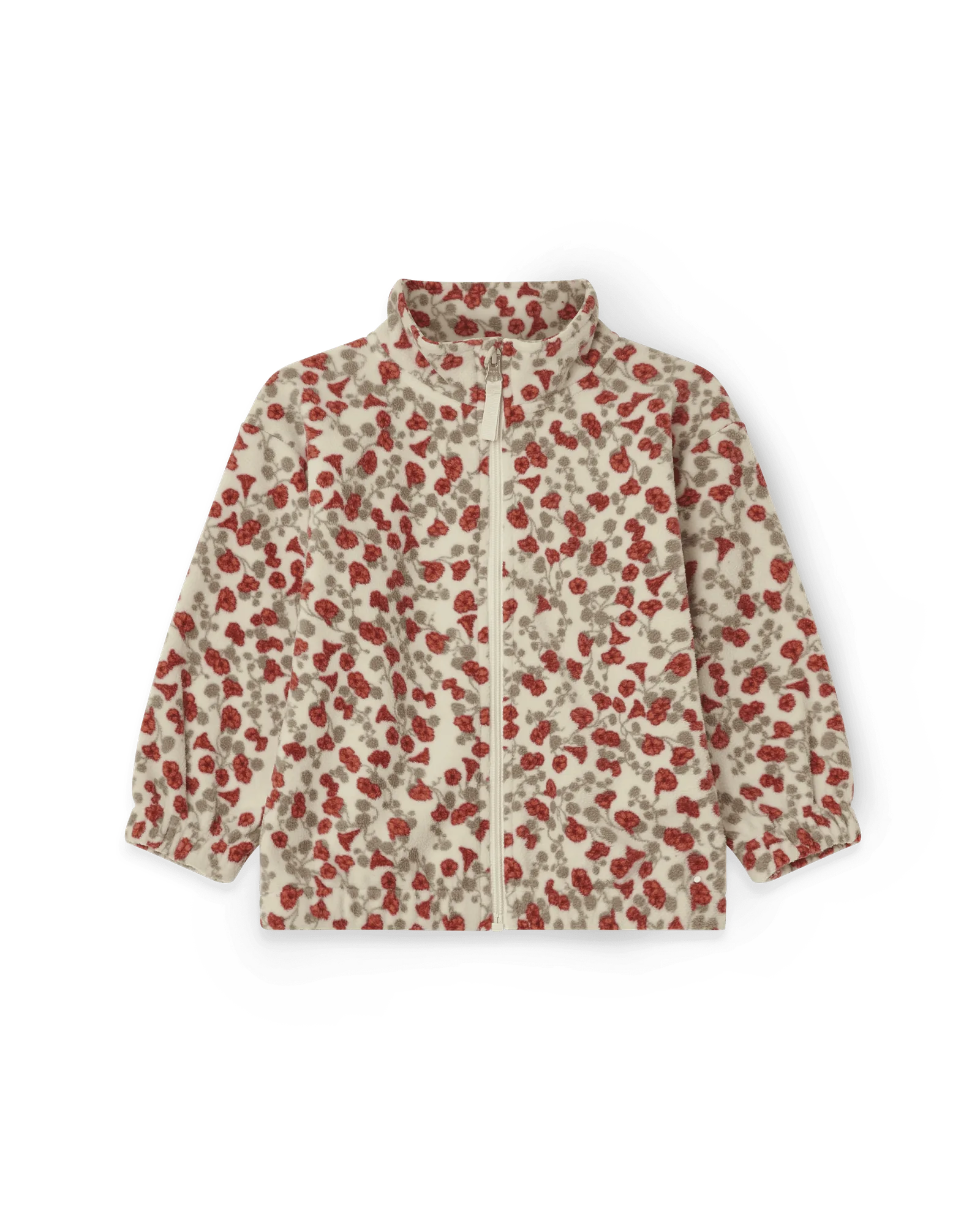
Both layers need to survive playgrounds and repeated washing. Fleece can pill over time, especially at cuffs and under backpack straps, so turn it inside out and avoid fabric softener. Padded vests often have a smooth outer that wipes clean easily but may show stains more than a patterned fleece. Check the care label: the Garbo&Friends Fleece Jacket is made from 100% GRS-certified recycled polyester, which can be washed according to the label without losing its shape.
Trade-offs at a glance
- Fleece jacket: warmth vs. bulk: The fleece jacket covers arms and torso for consistent warmth, but the sleeves add bulk under a shell and can feel warm indoors. Best for active kids who need breathable warmth on cool days.
- Padded vest: core warmth vs. arm coverage: A padded vest keeps the core warm without restricting arm movement, but leaves arms exposed to wind and rain. Best for toddlers who need easy on-and-off layering and free arms.
- Layering order: base, mid, shell: Both work as a mid layer: put fleece or vest over a base top and under a waterproof jacket. Fleece adds sleeve warmth; vest adds core warmth only. Check that the mid layer fits smoothly under the outer jacket without compressing insulation.
Product facts
- Fleece Jacket: Soft and warm fleece jacket with beautiful hand-drawn print. The jacket has a high collar, two pockets and a front zip. Made from 100% GRS-certified recycled polyester. The high collar and front zip let you adjust ventilation, while the recycled polyester makes it a practical mid layer for active days.
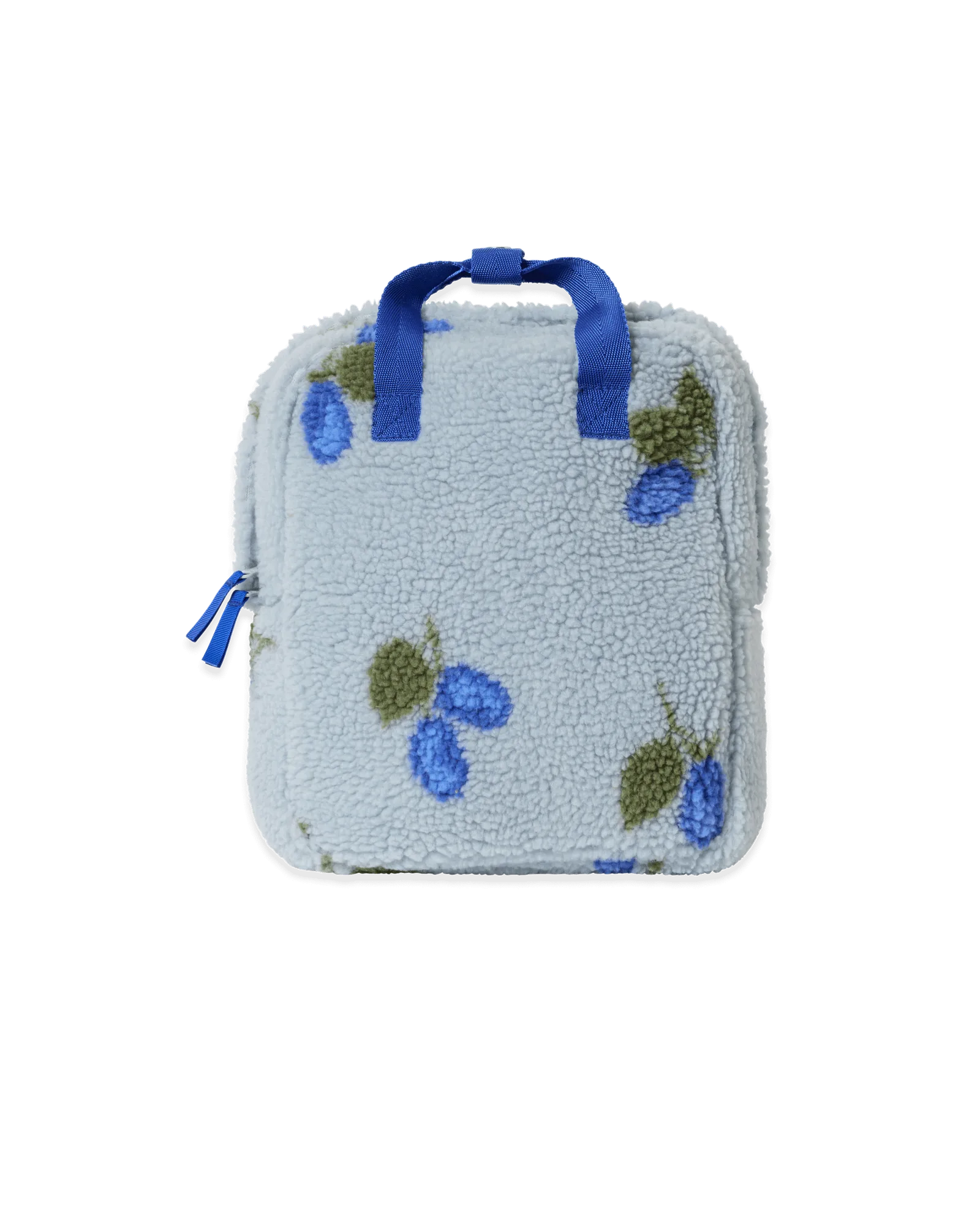
- Pile Backpack: Soft backpack in jacquard knitted pile, perfect for back to school or seasonal excursions. The backpack has adjustable shoulder straps in contrast colour and zip closure. Made from 100% GRS-certified recycled polyester. If your child carries this backpack, a fleece jacket adds a soft layer under the straps, while a padded vest keeps the shoulder area free.
Which layer should you choose?
Best for
- Active kids who need breathable warmth and full arm coverage
- Children who wear a backpack and need a soft barrier under straps
- Changeable seasons where a single mid layer must work indoors and out
Not for
- Toddlers who overheat easily or need quick ventilation without removing a full jacket
- Very cold, wet conditions where arms also need insulation and waterproofing