Quick Answer
Choose the Flex Cine Full-Stop Diffusion Fabric if you need heavy softening and spill control for overhead or key lights. Choose the 1-Stop fabric when you want subtle diffusion that preserves more light output and edge definition. Both mount instantly to the Scrim Jim Cine frame system.
How Diffusion Fabric Affects Your Light
Diffusion fabric sits between your light source and subject to scatter photons, softening shadows and reducing harsh highlights. The amount of diffusion is measured in stops: a 1-stop fabric cuts light by roughly one f-stop, while a full-stop fabric cuts light by a full stop or more. The more aggressive the diffusion, the softer the light but the greater the light loss.
Both fabrics attach to the Scrim Jim Cine frame using a durable touch fastener lining, so swapping between them takes seconds. You can also stack fabrics for even greater softening, though this increases light loss further.
Full-Stop Fabric: Heavy Softening for Key Lights
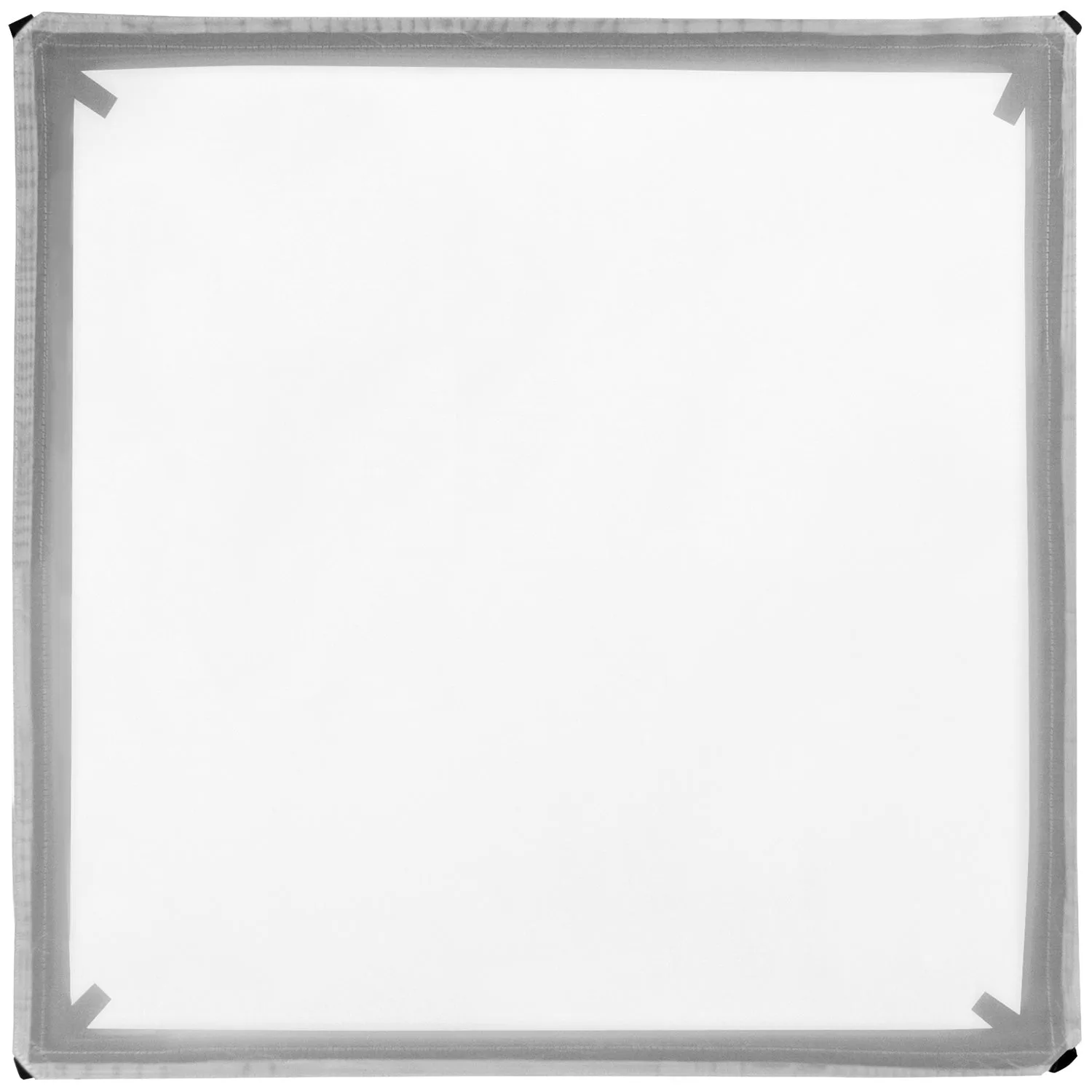
The Flex Cine Full-Stop Diffusion Fabric (2' x 2') is designed for maximum softening. It's ideal for overhead sunlight, studio lighting, or speedlights where you want to eliminate hard shadows and create a wrap-around quality. The trade-off is noticeable light loss, so you'll need a powerful source or a higher ISO to compensate.
This fabric works well as a main key light diffuser or as a large fill source. Because it diffuses heavily, it also helps control spill and reduces flare when placed close to the subject.
1-Stop Fabric: Subtle Diffusion with More Output
A 1-stop diffusion fabric lets you soften light without sacrificing as much output. It's a good choice when you want to maintain a brighter exposure or when your light source is already at its limit. The edge definition remains slightly sharper than with full-stop fabric, making it useful for rim lights or hair lights where you want a soft but defined highlight.
If you're shooting with a battery-powered LED panel and need to preserve runtime, the 1-stop fabric helps you keep your light levels higher for longer.
Trade-offs at a Glance
- Light Loss: Full-stop fabric cuts more light, requiring a stronger source or higher ISO. 1-stop fabric preserves more output for brighter exposures. Choose 1-stop if you need to maximize light output; choose full-stop if you can compensate with a stronger light.
- Softness & Shadow Quality: Full-stop fabric produces the softest shadows and most wrap-around light. 1-stop fabric gives a slightly harder edge, which can be desirable for rim or hair lights. Full-stop for key and fill; 1-stop for accent and rim lights.
- Mounting & Swapping: Both fabrics use the same touch fastener lining and mount instantly to the Scrim Jim Cine frame. No tools needed. Easy to swap mid-shoot; carry both fabrics for flexibility.
Product Facts
- Flex Cine Full-Stop Diffusion Fabric (2' x 2'): High-quality diffusion fabric for use with Scrim Jim Cine frame system. Diffuse overhead sunlight, studio lighting, or speedlights. Durable touch fastener lining mounts instantly to Scrim Jim Cine frame. Essential light softening fabric for filmmakers and photographers. The Full-Stop fabric gives you maximum control over light quality, making it a go-to for portrait and product shoots where soft, even light is critical.
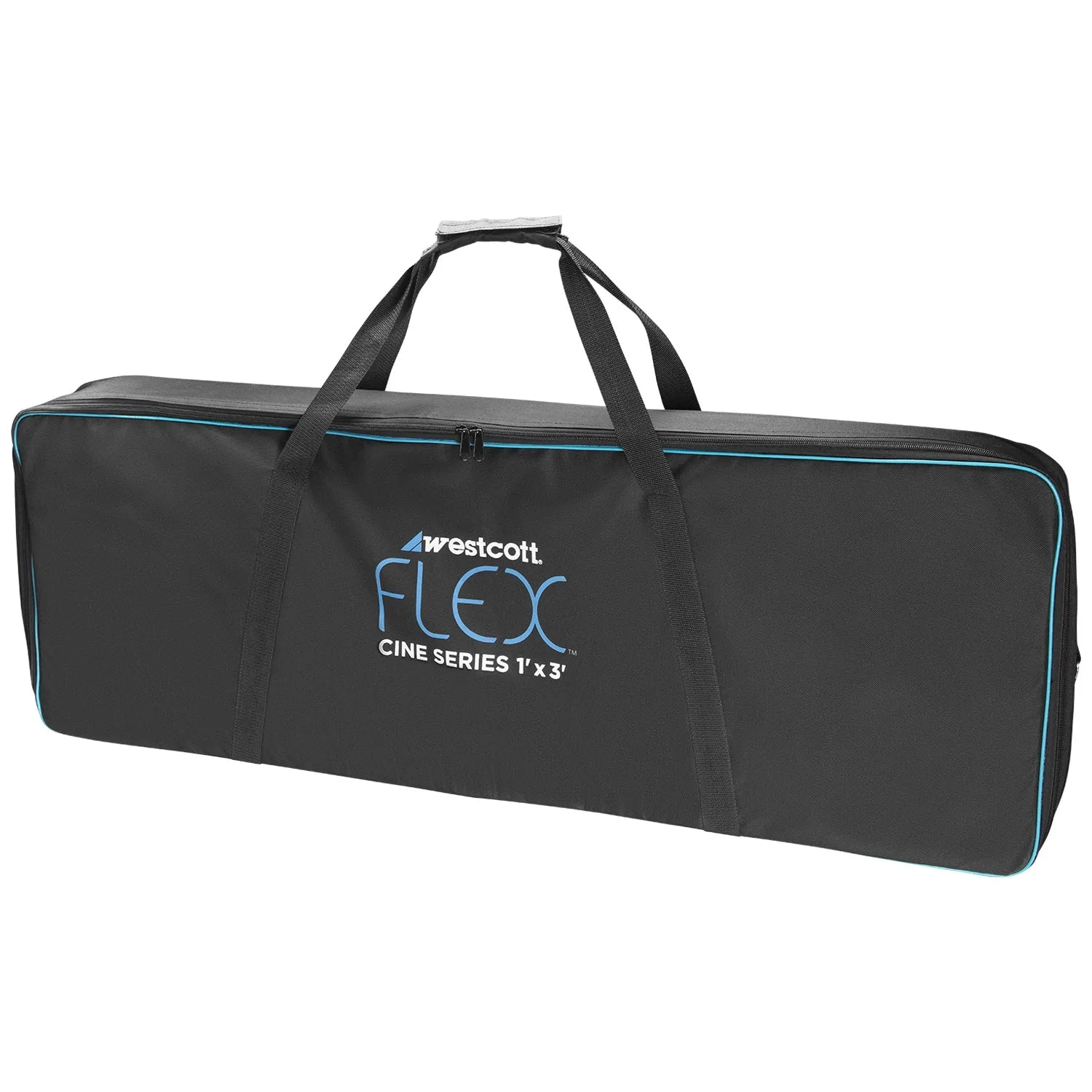
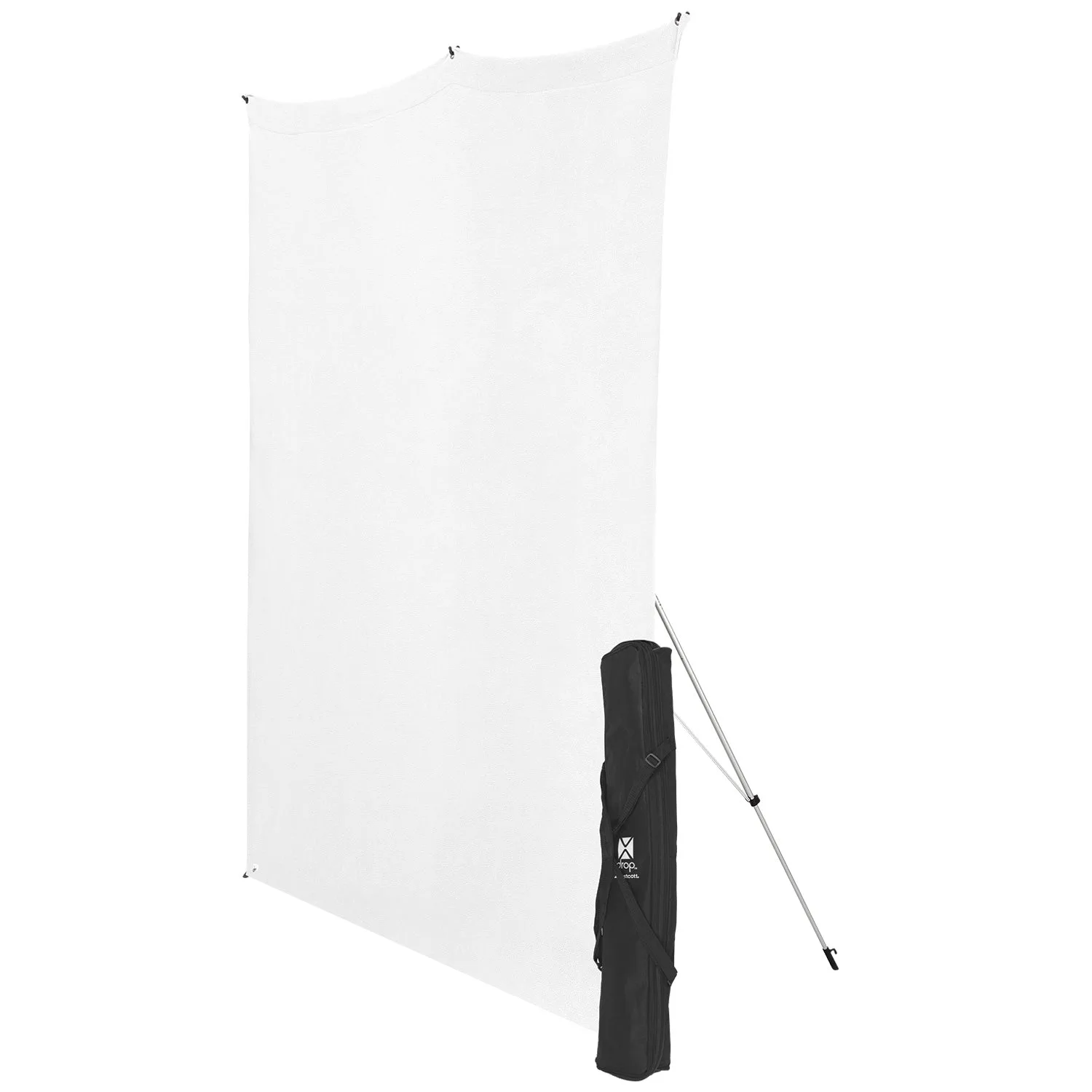
- Flex Cine Gear Bag (1' x 3'): Compact carry case for assembled Flex 1' x 3' LED kits. Soft yet durable construction. Customizable dividers and zippered pocket for organization. Adjustable and removable shoulder strap. Clear card holder for identification. Backed by a 1-year limited warranty. While not a diffusion fabric, the Flex Cine Gear Bag helps you transport and protect your diffusion fabrics and LED kits together, keeping your kit organized on location.
Which Fabric Should You Choose?
Best For
- Filmmakers and photographers who need maximum softening for key lights and overhead diffusion
- Shooters who can afford the light loss and want the softest possible shadows
Not For
- Situations where you need to preserve every bit of light output from a small or battery-powered source
- Rim or hair light applications where a sharper edge is preferred