Start with the habit, not the hype
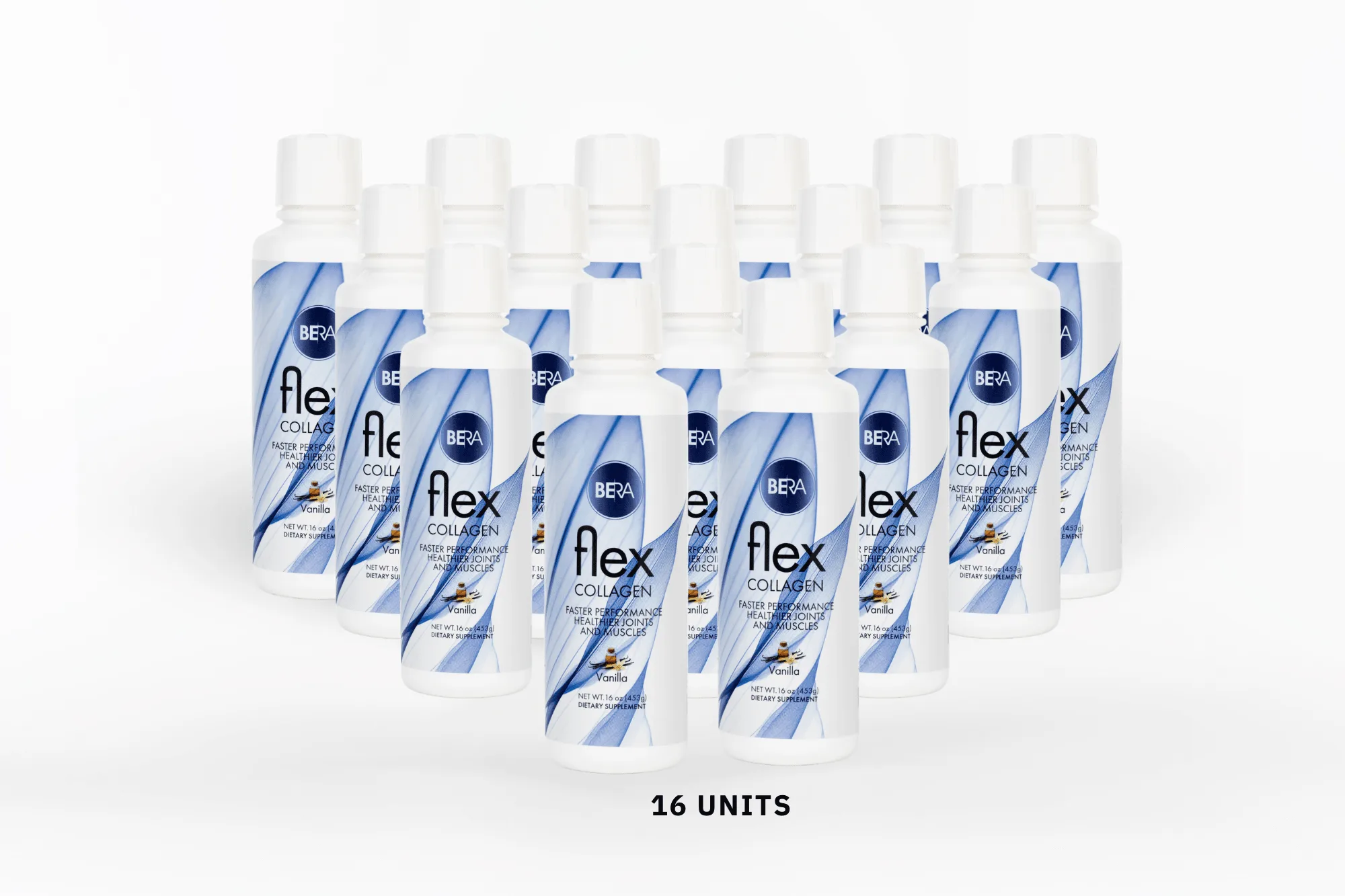
FLEX Collagen (Liquid) is a liquid collagen supplement positioned to support overall well-being as part of a healthy lifestyle. If you already take it or are thinking about starting, the real challenge is usually not the product itself but fitting it into a busy day without turning it into another forgotten task.
This guide focuses on routine design: where to place FLEX in your day, how to make the habit stick, and what to confirm before you rely on any serving or timing advice. It does not replace the label or professional guidance.
What the catalog confirms about FLEX Collagen (Liquid)
-
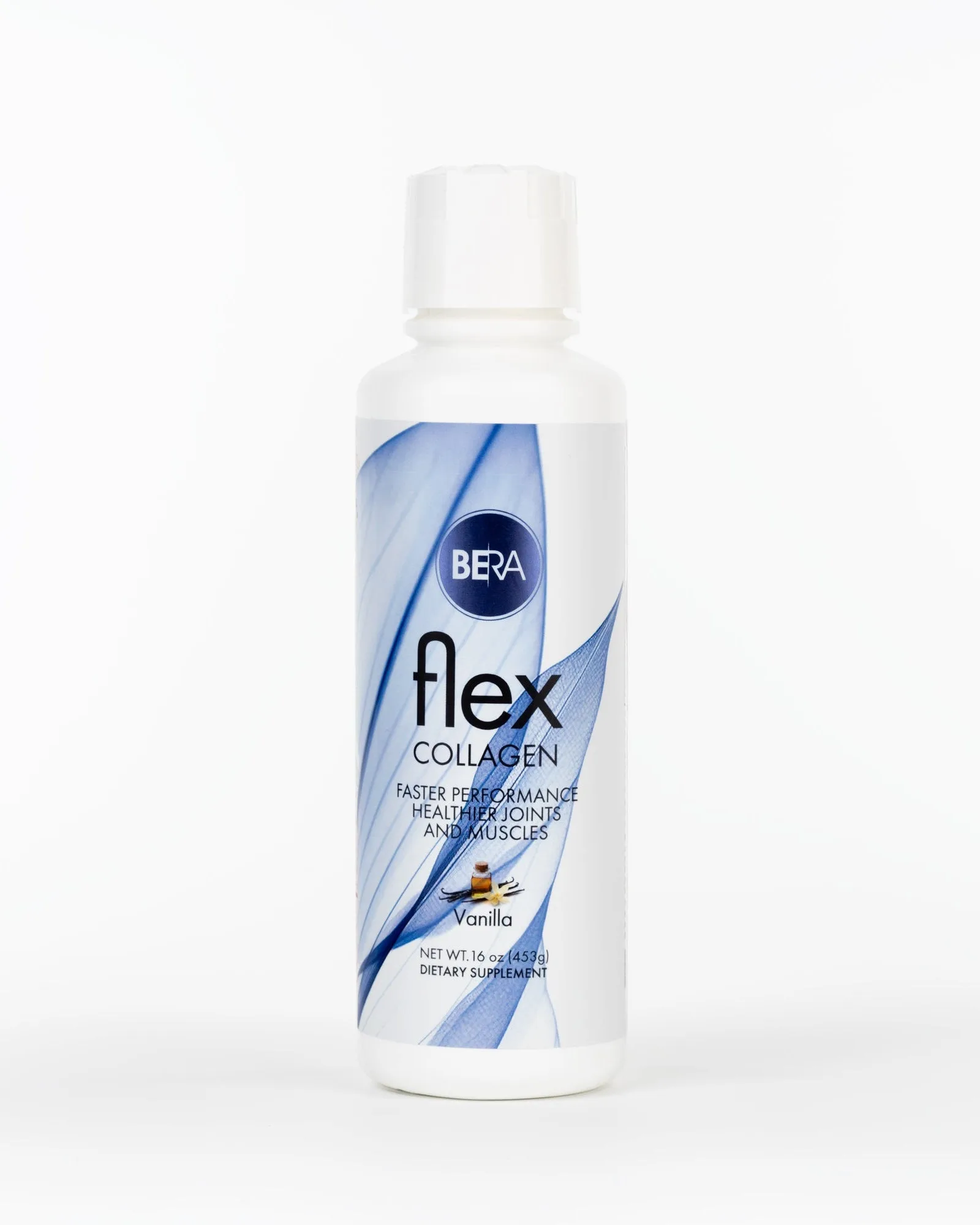
FLEX Collagen (Liquid): FLEX Collagen (Liquid) is described as a high-quality liquid collagen supplement crafted to support overall well-being as part of a healthy lifestyle. This tells you the intended role: a general wellness supplement, not a targeted treatment. Your routine should reflect that everyday framing.
FLEX Collagen (Liquid)
-
FLEX Collagen (Liquid): The catalog lists a single variant: Standard. There is no flavor or strength choice to plan around, so your routine can stay simple: one product, one place in your day.
What the catalog does not confirm
The supplied product record does not include a serving size, timing recommendation, mixing instructions, or storage details for FLEX Collagen (Liquid). That absence is a limitation of the available information, not a suggestion that the product lacks these details. Before you settle on a daily amount or a specific time of day, check the product label or contact the seller for the manufacturer's instructions.
This matters for routine building: without a confirmed serving, you cannot accurately plan how long a bottle will last or whether your chosen time of day fits any label guidance. Treat any timing advice in this article as habit-design suggestions, not manufacturer instructions.
A practical way to anchor FLEX to your day
The most reliable routines attach a new action to something you already do consistently. Use these steps to choose an anchor and test it for a week.
- Pick a daily anchor you never skip: Morning coffee, breakfast, or brushing your teeth are common anchors. Choose one that happens at roughly the same time every day, even on weekends.
- Decide the physical placement: Keep FLEX where you will see it at your anchor moment, not in a cupboard you rarely open. If you take it at breakfast, store it near your breakfast items.
- Confirm the serving before you start: Check the label for the manufacturer's serving size. Without that, you cannot measure consistently or know how long a bottle lasts.
- Run a one-week trial: Use the same anchor and time for seven days. At the end, ask whether it felt easy or forced. If forced, try a different anchor rather than relying on willpower.
- Review before you reorder: Once you know your confirmed serving, estimate how many days a bottle covers. That tells you when to reorder without guesswork.
Timing tips that work with real schedules
Because the catalog does not specify a time of day, the best timing is the one you can repeat. These suggestions focus on consistency rather than any claimed biological advantage.
- Attach it to a meal you always eat: Breakfast or lunch are common choices because they are already part of your routine. The goal is a reliable cue, not a specific clock time.
- Avoid stacking it with a rushed moment: If your mornings are chaotic, a lunchtime or evening anchor may be more realistic. A habit that survives a busy Tuesday is better than a perfect plan that collapses.
- Use a visible reminder for the first two weeks: A sticky note on the fridge or a phone alarm can bridge the gap until the action feels automatic. Remove it once the habit holds.
- Keep weekends consistent: A routine that only works on weekdays tends to fade. Choose an anchor that also happens on your days off.
Making the habit survive a busy week
Habits break when the cue disappears, not when motivation dips. If you travel, work late, or have guests, your anchor may shift. Plan for that by choosing a backup anchor, such as taking FLEX with your first glass of water at home, and by keeping the bottle in the same visible spot.
If you miss a day, resume at the next anchor rather than doubling up. The catalog does not provide guidance on missed servings, so the safest approach is to return to your normal routine and check the label or ask the seller if you are unsure.
FLEX Collagen (Liquid) vs. a powdered collagen in a daily routine
The catalog only confirms FLEX as a liquid supplement. Use this comparison to think about routine fit, not to assume features the record does not confirm.
- FLEX Collagen (Liquid): A liquid format may suit people who dislike mixing powders or want a product that is ready to take. The catalog does not confirm whether FLEX requires refrigeration or mixing, so check the label.
- Powdered collagen (general): Powders typically require measuring and mixing into a drink, which adds steps but can be easier to adjust if a label specifies a serving size. This is a general observation, not a claim about any specific product.
- Routine complexity: A liquid can reduce preparation steps, which may help consistency. However, without confirmed storage instructions for FLEX, confirm how to store it before you build a routine around it.
What to confirm before you commit to a daily routine
Before you rely on FLEX Collagen (Liquid) as a daily habit, confirm three things: the manufacturer's serving size, any storage instructions, and whether the product should be taken with food or at a specific time. The supplied catalog does not include these details, so the label or the seller is your source.
If you take medications, have a medical condition, or are pregnant or breastfeeding, speak with a qualified professional before starting any supplement. FLEX is positioned for general well-being, not as a treatment for any condition.
Once you have the confirmed details, write them down next to your anchor. A routine built on verified instructions is easier to trust and easier to keep.