The real difference is format, not a winner
Liquid and powder collagen are two ways to deliver a collagen product, not two proof levels of effectiveness. The useful comparison is practical: how you measure a serving, how you store it, what the label tells you, and whether the format fits your day. FLEX Collagen (Liquid) is the supplied liquid option here, and the catalog describes it as a collagen blend designed to support joints, muscle recovery and mobility for an active lifestyle.
That positioning tells you what the product is for. It does not tell you that liquid is absorbed better than powder, and nothing in the supplied records supports a speed or absorption claim for either format.
Liquid vs. powder collagen side by side
Use this table to separate what the format changes from what it does not.
- Serving control: Powder is usually scooped, so the package scoop defines the serving. A liquid is usually poured or measured, so the package directions define the serving. Neither is automatically more precise; the label decides.
- Label transparency: Both formats can show collagen type, amount per serving and added ingredients. Judge the specific product label, not the format category.
- Absorption claims: The supplied records do not confirm that liquid collagen is absorbed faster or better than powder. Treat absorption marketing as a claim to verify on the label, not a reason to choose a format.
- Storage and travel: Powder is generally lighter and less spill-prone; liquid is ready to use but depends on the storage instructions on the package. The supplied FLEX record does not include storage directions, so check the label.
- Routine fit: Liquid suits people who will not mix a powder; powder suits people who want to add collagen to shakes or food. The best format is the one you will actually use consistently.
What the FLEX Collagen catalog record confirms
-
FLEX Collagen (Liquid) (Affiliates): FLEX Collagen (Liquid) is described as a collagen blend designed to strengthen joints, support muscle recovery and enhance mobility for an active lifestyle. This is the intended-use positioning you can compare against your own goal; it is not a guarantee of results.
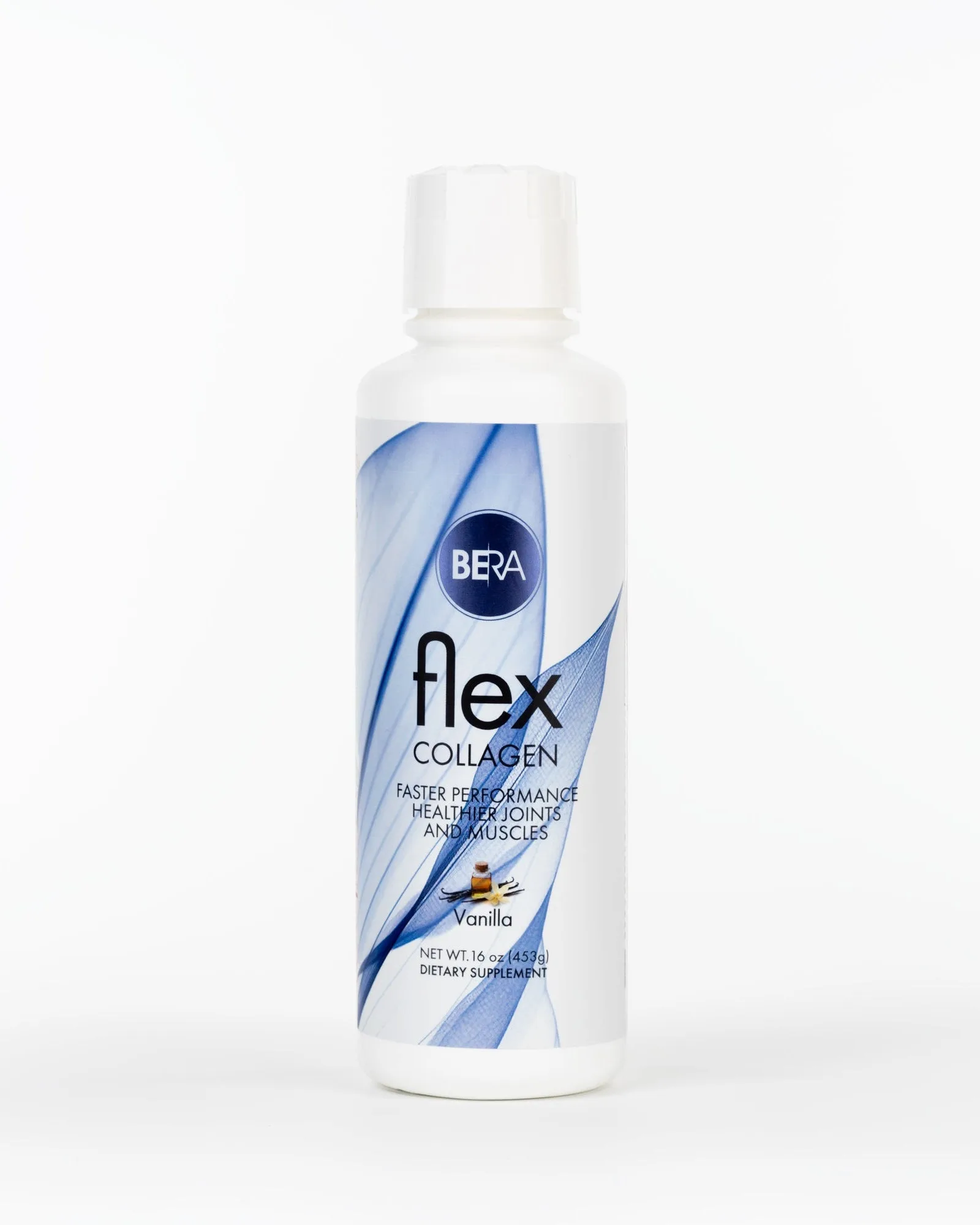
FLEX Collagen (Liquid) (Affiliates)
-
FLEX Collagen (Liquid) (Affiliates): The catalog lists FLEX Collagen (Liquid) at USD 56.80, compared with a catalog comparison price of USD 80.00, in a Standard variant. Price per unit matters more than bottle price, so compare the cost per labeled serving once you have the package directions.
What the FLEX record does not tell you
The supplied FLEX Collagen record does not include a serving size, collagen type or amount, full ingredient list, storage instructions, or preparation steps. That is a gap in the supplied evidence, not proof that the package lacks them. Before you buy or start, read the physical label for the serving size, collagen content and any use directions.
This matters for the liquid collagen serving size question specifically. A liquid collagen serving is defined by the product label, not by a general rule, and the supplied record does not provide one. If serving size is your deciding factor, ask for the label details before choosing FLEX over a powder.
Liquid collagen pros and cons in practice
These are format-level trade-offs, not claims about FLEX beyond its stated positioning.
- Pro: no mixing: A liquid removes the step that makes powder routines fail for some people, which can help consistency if you dislike measuring and stirring.
- Pro: ready-to-use format: Useful when you are away from a shaker or blender, provided the package storage instructions allow it.
- Con: serving control depends on the label: Without a confirmed serving size in the supplied record, you cannot calculate cost per serving or daily collagen intake from the catalog alone.
- Con: heavier to store and carry: Liquid containers are generally bulkier than powder, and storage requirements come from the package, not from general advice.
- Con: absorption is not a settled advantage: The supplied evidence does not establish that liquid collagen is better absorbed than powder, so do not pay a premium for that claim alone.
How to take FLEX Collagen without guessing
The supplied record does not include preparation or operating instructions, so these steps are about reading the product correctly rather than inventing a protocol.
- 1. Read the package directions: Use the serving size and any timing or use instructions printed on the FLEX Collagen label; the catalog does not supply them.
- 2. Check the collagen amount per serving: Compare the labeled collagen content with any powder you are considering, using the same unit.
- 3. Follow the storage instructions on the package: The supplied record does not confirm storage requirements, so do not assume room-temperature or refrigerated storage.
- 4. Ask a professional if you take medication or have a medical condition: Collagen products are not a substitute for medical advice, and the supplied record does not include safety or compatibility information.
Choosing liquid or powder collagen
Choose liquid if you want a ready-to-use format and you have confirmed the serving size and storage instructions on the label. Choose powder if you want to add collagen to shakes or food and you prefer to control the amount with a scoop. If your main question is whether liquid collagen is better than powder, the honest answer from the supplied evidence is that format alone does not settle it; the specific product's label, collagen amount and your routine do.
FLEX Collagen (Liquid) fits readers whose goal matches its stated joint, muscle recovery and mobility positioning and who will use a liquid consistently. It is not confirmed by the supplied record as a better-absorbing option, and it does not replace professional advice.