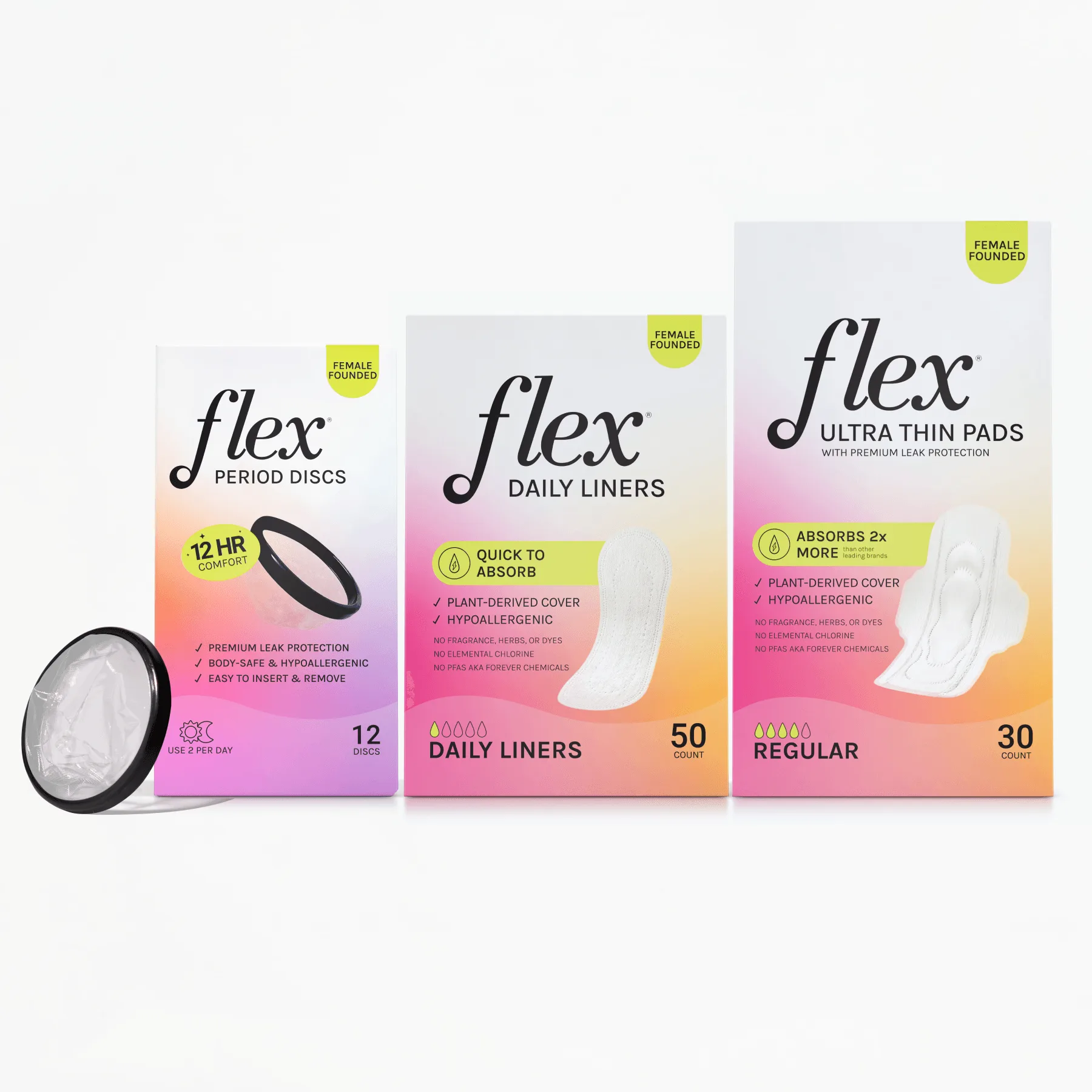
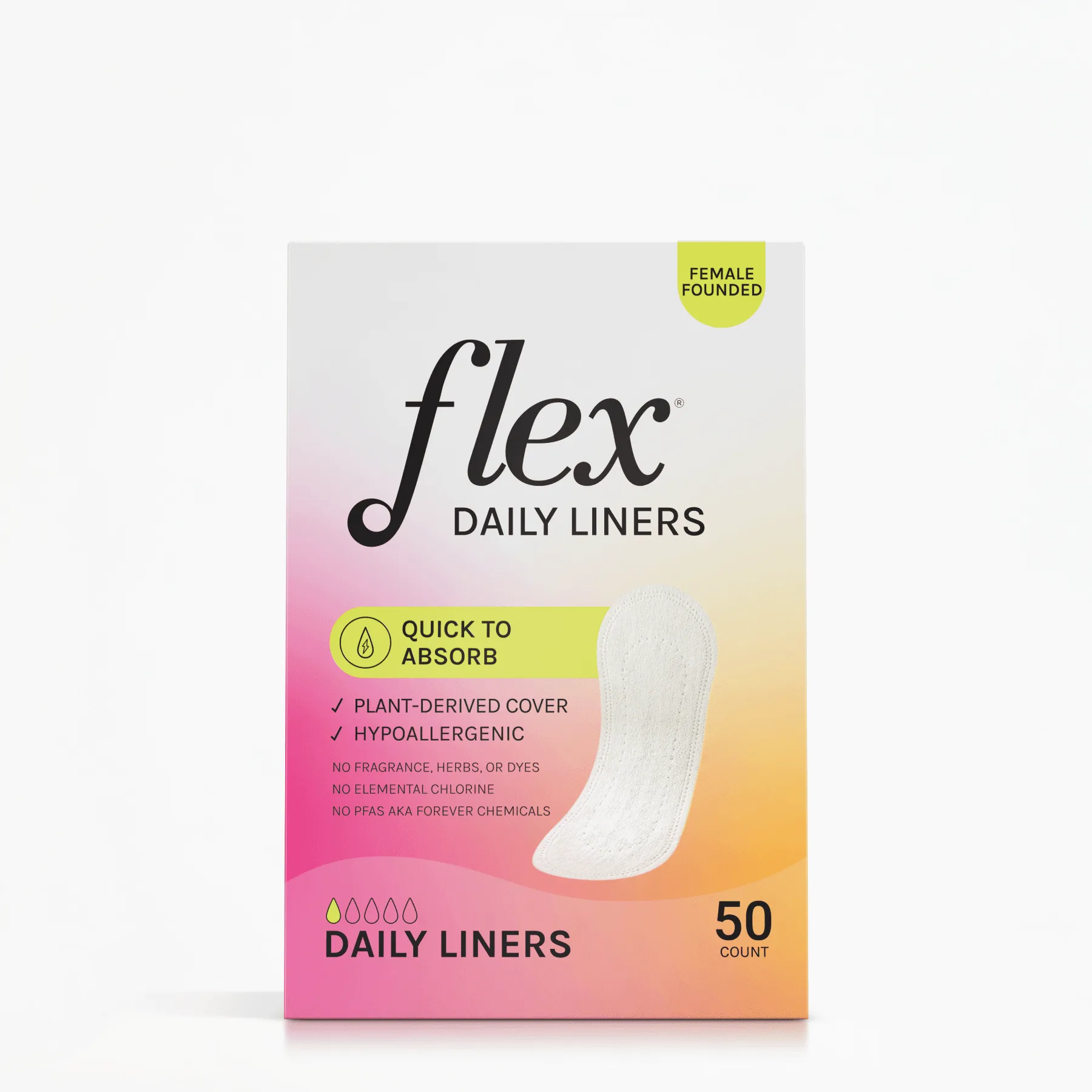
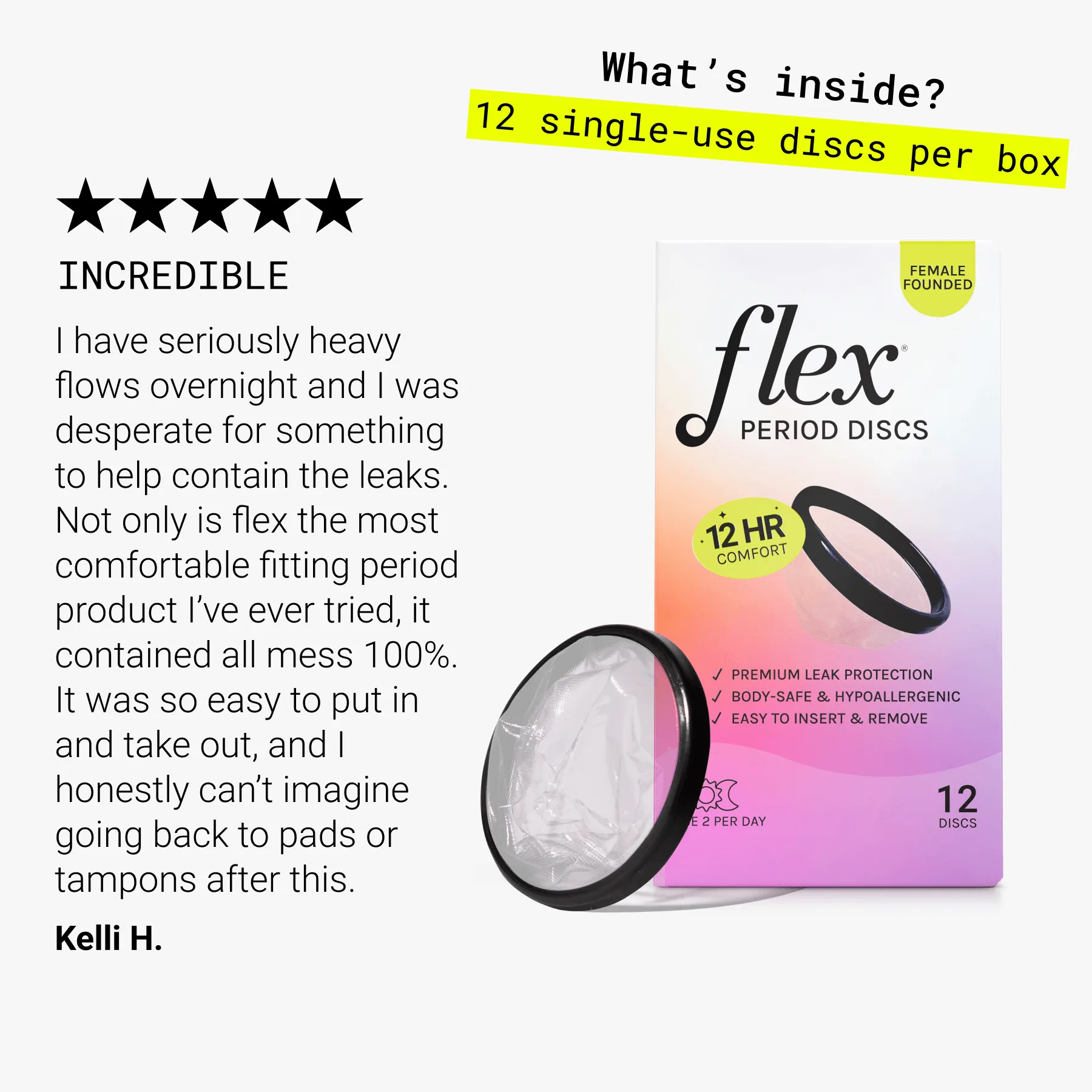
When it comes to sustainable period care, the choice between disposable and reusable products can feel overwhelming. Flex offers two popular options: the Flex Ultra Thin Pads and the Flex Plant+ Disc. Both aim to reduce environmental impact, but they do so in very different ways. In this comparison, we'll break down the sustainability factors—waste, materials, water usage, and more—to help you decide which aligns with your eco-conscious lifestyle.
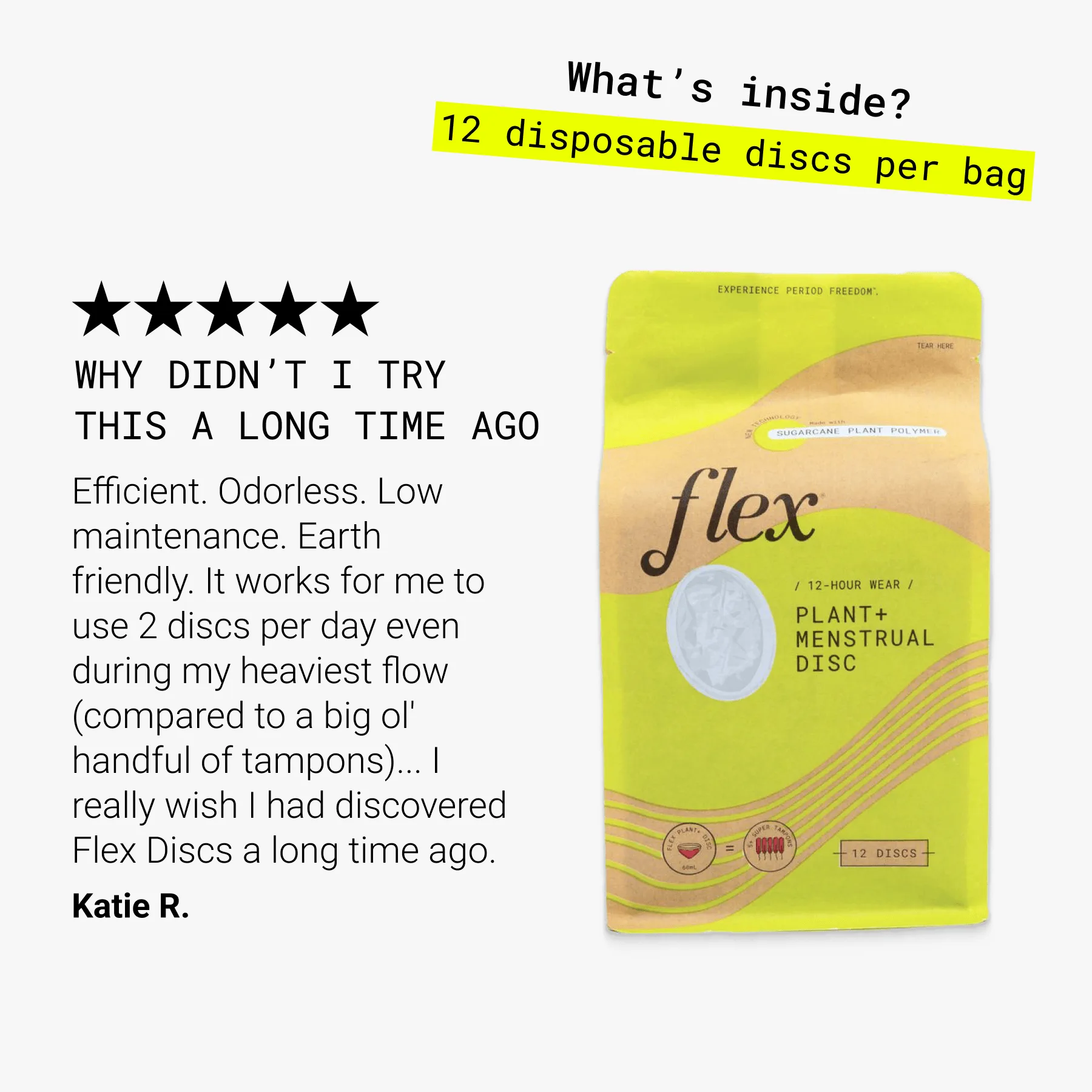
Flex Plant+ Disc
Whether you're new to eco friendly period products or looking to switch from traditional tampons and pads, understanding the full lifecycle of each product is key. Let's dive into the details of Flex Ultra Thin Pads vs Flex Plant+ Disc to see which one truly shines in the sustainability department.
Understanding the Products
Flex Ultra Thin Pads are disposable, ultra-thin pads made with sustainable bamboo and plant-based materials. They offer the convenience of a traditional pad but with a lower environmental footprint. On the other hand, the Flex Plant+ Disc is a reusable menstrual disc made from medical-grade, plant-based materials. It can be used for up to one year, significantly reducing single-use waste.
Both products are part of Flex's commitment to sustainable period care, but they cater to different preferences. Pads are familiar and easy to use, while discs require a bit of learning but offer long-term waste reduction. Understanding how each is made and disposed of is crucial for a fair sustainability comparison.
- Flex Ultra Thin Pads: disposable, bamboo-based, compostable in industrial facilities.
- Flex Plant+ Disc: reusable for up to 12 months, made from plant-based TPE.
Waste Comparison: Landfill Impact
The most significant difference between these two products is the amount of waste they generate. A single Flex Ultra Thin Pad is used once and then disposed of, contributing to landfill waste. Even though the materials are more sustainable than conventional pads, they still end up in the trash unless composted properly. Over a year, a person using pads could generate dozens of pounds of waste.
In contrast, the Flex Plant+ Disc is reusable. One disc replaces hundreds of disposable products over its lifespan. This dramatically reduces the waste you send to the landfill. For those aiming for a zero waste period, the reusable disc is the clear winner in terms of waste reduction.
- Pads: single-use, adds to landfill waste unless composted.
- Disc: one disc can replace up to 12 months of disposable products.
Material Sourcing and Biodegradability
Flex Ultra Thin Pads are made with bamboo viscose and other plant-based materials. Bamboo is a highly renewable resource, growing quickly without the need for pesticides. The pads are designed to be compostable in industrial facilities, which can turn them into nutrient-rich soil. However, home composting may not be effective due to the specific conditions required.
The Flex Plant+ Disc is made from a plant-based thermoplastic elastomer (TPE). This material is durable and designed for repeated use. While it is not biodegradable, its long lifespan means fewer resources are consumed over time. At the end of its life, it can be recycled in some programs, though not all curbside recycling accepts it. The key is that the disc's production impact is spread over many uses, making it more resource-efficient.
- Bamboo pads are renewable but require industrial composting.
- Reusable disc uses durable materials, reducing overall resource consumption.
Water and Energy Footprint
Producing disposable pads, even eco-friendly ones, requires water and energy for manufacturing, packaging, and transportation. Each pad has a one-time use, so the cumulative footprint adds up. Studies show that reusable products generally have a lower environmental impact over time, despite the higher initial resource investment.
The Flex Plant+ Disc requires more resources upfront to produce, but because it is reused, the per-use footprint decreases significantly. Over a year, the disc's water and energy footprint is a fraction of that of using multiple packs of pads. For the environmentally conscious, this long-term efficiency is a major plus.
- Pads: higher cumulative water and energy use due to single-use nature.
- Disc: lower per-use impact after the initial production.
Lifestyle Fit and Sustainability
Sustainability isn't just about the product—it's about how well it fits your lifestyle. If you're not comfortable with internal products, Flex Ultra Thin Pads might be more practical, encouraging consistent use and reducing the chance of reverting to less sustainable options. On the other hand, if you're open to trying a disc, the Flex Plant+ Disc offers unmatched waste reduction and convenience once you get the hang of it.
Consider your daily routine: Are you always on the go? The disc can be worn for up to 12 hours, making it ideal for travel or long workdays. Pads require changing every few hours, which can be less convenient. Also, think about your access to composting facilities—if you can't compost pads, their eco-benefits diminish.
- Disc: longer wear time, less frequent changes, ideal for busy schedules.
- Pads: familiar and easy, but require more frequent changes and disposal.
Cost-Effectiveness Over Time
While the upfront cost of a reusable disc is higher, it pays off in the long run. A single Flex Plant+ Disc can last up to a year, eliminating the need to buy pads or tampons monthly. In contrast, Flex Ultra Thin Pads need to be repurchased regularly, adding up over time. For budget-conscious consumers, the disc is a smart investment that also benefits the planet.
Flex also offers bundles that combine products for added value. For example, the Cup Starter Bundle includes a reusable cup and accessories, but if you prefer discs, you can pair the Flex Plant+ Disc with a Softcup Case for easy storage. These options make sustainable choices more accessible and affordable.
- Reusable disc: higher initial cost, but saves money over a year.
- Pads: lower upfront cost, but recurring expenses.
Making the Eco-Friendly Choice
So, which is more sustainable? If your primary goal is to minimize waste and you're comfortable with internal wear, the Flex Plant+ Disc is the clear winner. It significantly reduces landfill contributions and has a lower long-term environmental impact. However, if you prefer external protection or need a backup option, Flex Ultra Thin Pads are a more sustainable choice than conventional pads, especially if you can compost them.
Many people find that using a combination works best: the disc for most days and pads for lighter days or as a backup. This hybrid approach allows you to enjoy the benefits of both while maximizing sustainability. Whatever you choose, Flex is committed to providing eco friendly period products that align with your values.
- Consider your comfort and lifestyle when choosing.
- Combining both products can offer flexibility and reduce waste further.
Ultimately, the most sustainable period product is the one you'll actually use consistently. If you're ready to make a significant impact, the Flex Plant+ Disc is an excellent choice. Explore the Flex Plant+ Disc today and take a step toward a zero waste period.