Quick answer
Buy for the longest flight you take most often, not the one-off trip. A flight ready pack needs three things: compression for bulky clothes, a small pouch system for loose essentials, and a comfort item you will actually use. Add pieces only when a specific trip exposes a gap.
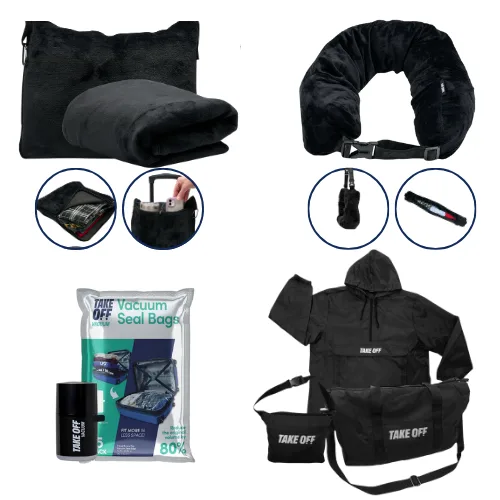
flight ready pack
A flight ready pack is not one product. It is a small set of items that solve the problems you hit at the airport: a bag that will not close, a pocket full of loose cables, a neck that aches after four hours in a middle seat.
The trick is buying for your typical flight length. A weekend hop and a long-haul red-eye need different kits, and buying for the longest trip you might take is how people end up with gear they never use. This guide walks through the decision rules, the trade-offs, and where each purchase earns its place.
Match the kit to your flight length
Short flights under three hours rarely justify compression gear. You are not fighting for space, and the time saved packing does not pay back the setup. For these trips, a small pouch for chargers, passport, and snacks is usually enough, plus a layer you can shed on the plane.
Flights over five hours change the math. Bulky clothing becomes the main space problem, and a compression solution starts earning its keep. This is also where a comfort item matters more than an extra outfit, because you will actually be sitting still long enough to notice the difference.
The middle band, roughly three to six hours, is where most travelers overbuy. Ask one question: does this item solve a problem I had on my last flight of this length? If the answer is no, leave it out.
- Under 3 hours: pouch, charger, layer, nothing more.
- 3 to 6 hours: add one comfort item and a compression option only if you pack bulky clothes.
- Over 6 hours: compression plus a real comfort item, and plan for a change of clothes in your carry-on.
Compression: vacuum bags or nothing
Compression is the single biggest space decision in a flight ready pack. Vacuum seal bags shrink clothing by removing air, which is why they work well for soft, bulky items like sweaters and jackets. They do not help much with structured items, and they add a step to your packing routine.
The trade-off is real: vacuum bags save space but require a pump or a one-way valve, and once sealed, you cannot easily dig out one item without reopening the bag. If you repack mid-trip, that friction adds up. If you pack once and stay put, it is close to free space.
For carry-on only travel, compression is often the difference between checking a bag and not. That is a concrete cost saving, not a vague benefit, which is why it belongs in the kit for anyone flying long distances with bulky clothing.
- Use vacuum bags for soft, bulky clothing, not shoes or structured items.
- Skip compression entirely if your trips are short and your bag already closes.
- If you repack often, choose a compression option you can reopen and reseal quickly.
Pouches and small organizers: buy for the loose stuff
The second most common flight problem is loose essentials. Passport, charger, earbuds, pen, snacks, and a phone cable end up scattered across a seat pocket. A small set of pouches fixes this for very little money and almost no weight.
Look for waterproof material if you carry toiletries or liquids, and different sizes so you can separate clean items from damp ones. Three pouches at different sizes covers most trips: one for cables, one for toiletries, one for documents and cards.
This is the lowest-risk purchase in the whole kit. It costs less than a meal at the airport, and it solves a problem on every single flight, regardless of length.
- Choose a multi-size pouch set over a single large pouch.
- Waterproof material matters if the pouch shares space with toiletries.
- Keep the cable pouch in the same pocket every trip so you never hunt for it.
Wheels, comfort, and the items people forget
Two categories get overlooked. The first is luggage hardware: worn or noisy wheels turn a simple walk through the terminal into a chore, and replacement wheels are a cheap fix compared to a new suitcase. Check whether replacement wheels are compatible with your model before buying.
The second is comfort. A neck pillow or blanket item only helps if it matches how you sleep. If you sleep upright, a stuffable or structured pillow works. If you sleep leaning, a blanket-style item may be better. Buying both is usually a waste.
Finally, a small crossbody or fanny pack keeps your wallet and phone reachable without digging through your bag at the gate. It is not essential, but it removes a small daily annoyance for a low price.
- Verify wheel compatibility with your specific luggage model before ordering.
- Pick one comfort item based on how you actually sleep on planes.
- A reachable pouch or fanny pack speeds up boarding and security.
Decision rules for building your flight ready pack
- Buy compression only if you fly long and pack bulky: Vacuum bags and a pump pay off when you are squeezing sweaters into a carry-on for a trip of five hours or more. On short hops, they add steps without solving a real problem. If your last long flight ended with you sitting on your suitcase, buy compression. If not, skip it.
- Buy pouches first, almost always: A multi-size pouch set is the lowest-cost, highest-use item in the kit. Waterproof material matters if the pouch shares space with liquids. This is the one purchase that helps on every flight length.
- Buy one comfort item, not two: Choose based on how you sleep: upright sleepers do better with a structured or stuffable pillow, leaners with a blanket-style item. Buying both usually means one stays home. Match the comfort item to your sleep position, not to the product photos.
- Fix hardware before replacing luggage: Replacement wheels cost far less than a new suitcase and solve the most common annoyance: a noisy, dragging roll through the terminal. Check model compatibility first. Confirm your luggage model is supported before ordering wheels.
Product facts that matter for this kit
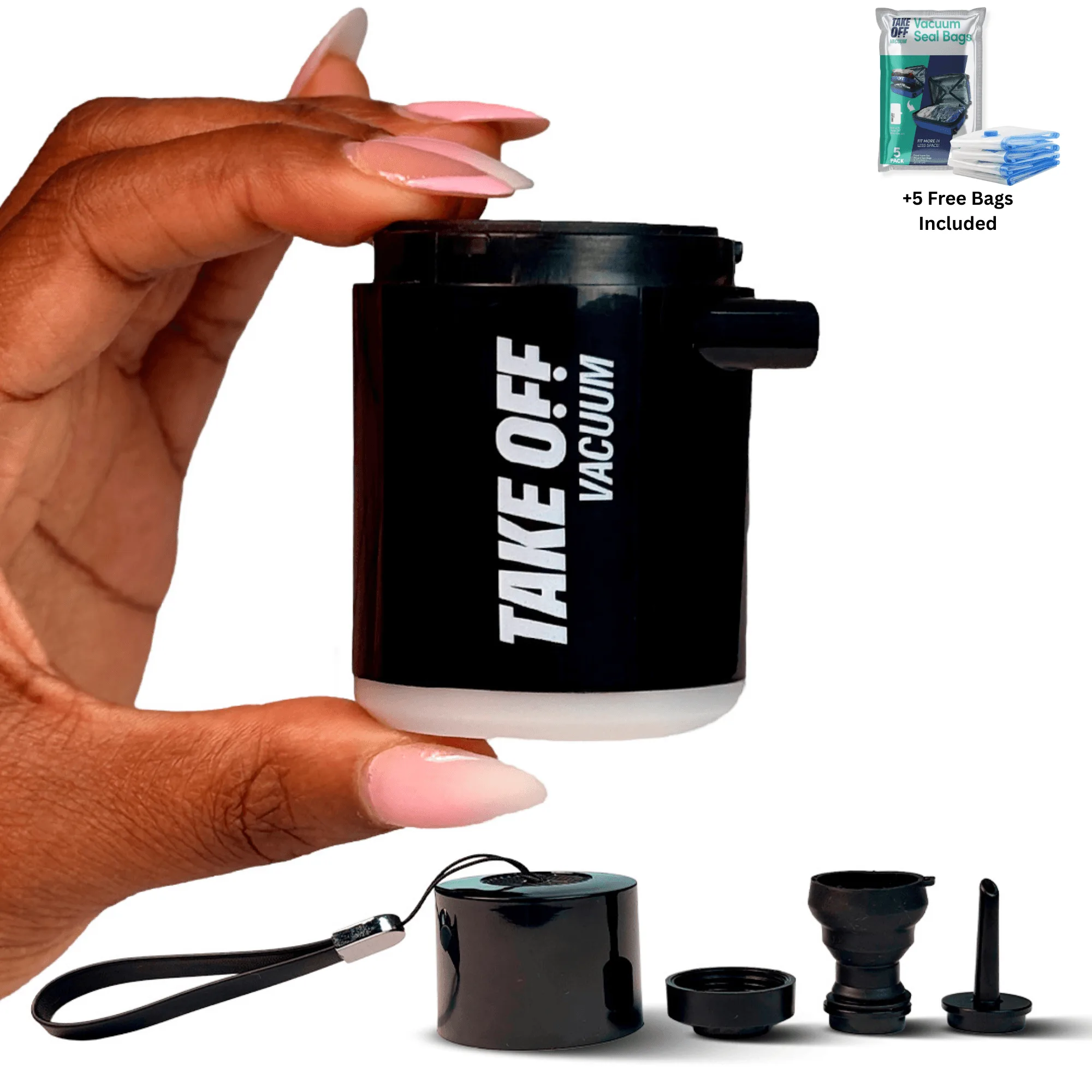
- Vacuum Seal Bags - 5 Pack: Maximize your luggage space with our vacuum travel bags. These compression bags shrink your clothes, letting you pack more for any trip. Ideal for suitcases and carry-ons, our vacuum sealed bags ensure you can fit more without adding extra weight. The lightest way to add space for bulky clothing without paying a checked bag fee.
- Mini Vacuum Pump 2.0 (NEW) + Vacuum Bags (5 Pack) - Black: This pocket-sized powerhouse sucks the air out of your clothes, shrinking bulky sweaters and outfits by 50%. It turns a week's worth of clothes into a weekend-sized stack, allowing you to pack for long trips in a carry-on and skip the checked bag fee. Comes with 5 FREE vacuum seal bags. The pump makes compression practical when you do not have a vacuum at your destination.
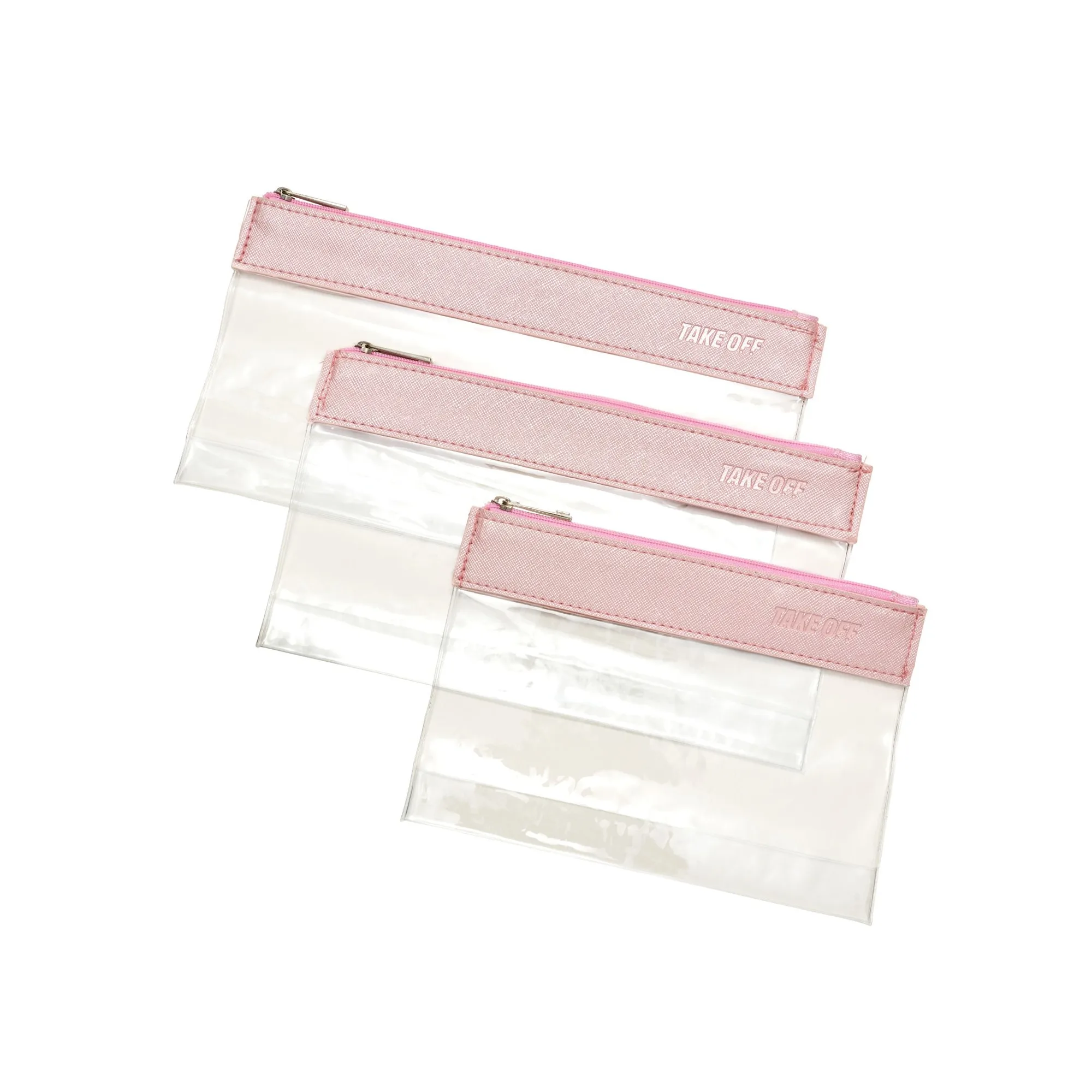
- Flat Pouch - 3 Pack: Get 3 different sized waterproof pouches to help you easily carry all your travel essentials and keep them organized. Three sizes let you separate cables, toiletries, and documents so nothing gets lost in the seat pocket.
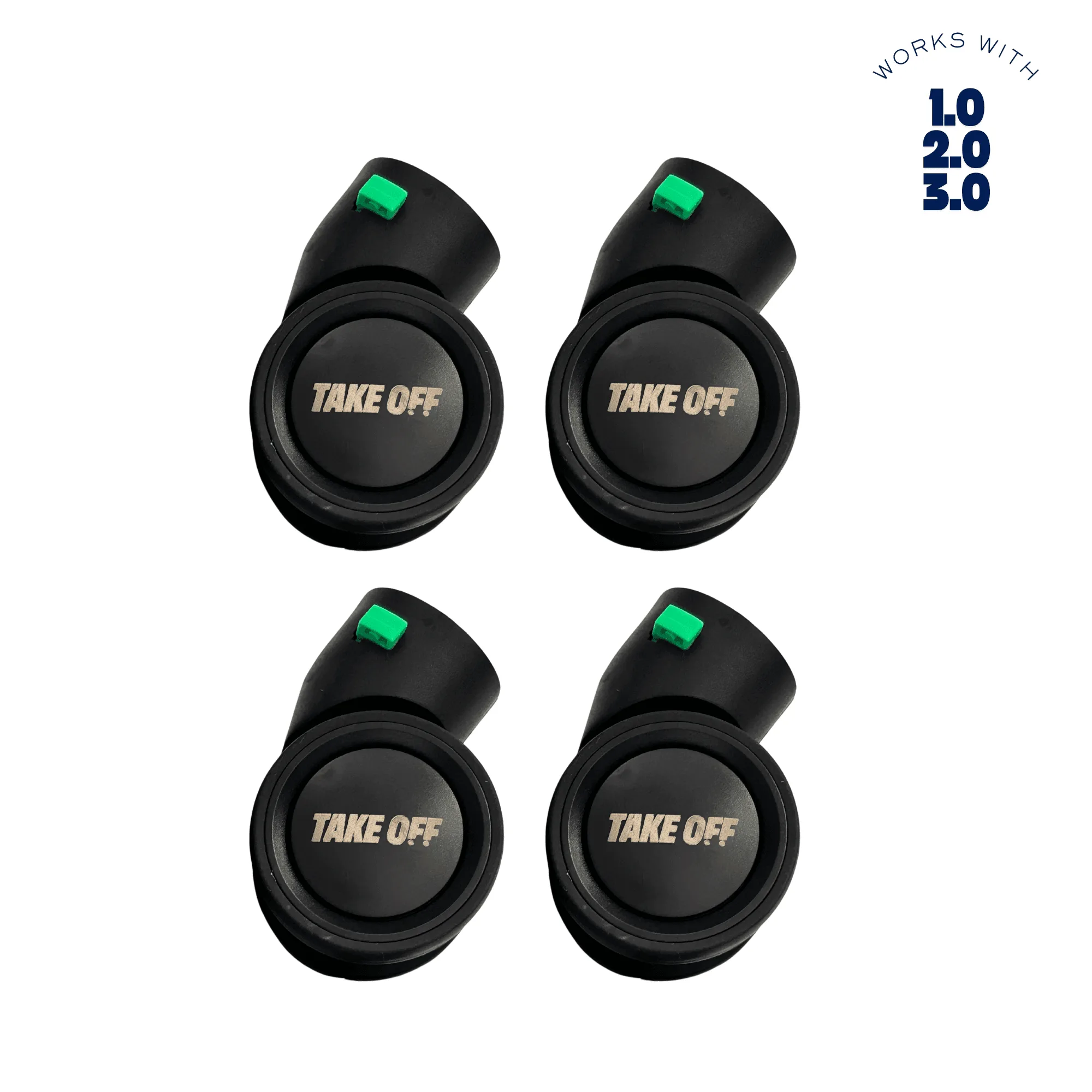
- Green Tab Double Wheels Set - 4 Pack: Make your airport dash effortless with our newest signature wheel design. These premium double wheels provide a smoother, quieter roll across terminal floors and city sidewalks. Works with 1.0, 2.0, 3.0 and 3.0 (PLUS) Models. A cheap upgrade that fixes a noisy or dragging suitcase instead of replacing the whole bag.
Who this kit fits
Best for
- Travelers who fly long distances with bulky clothing and want to avoid checked bag fees
- Carry-on only travelers who need a repeatable packing system
- Anyone whose current suitcase rolls noisily or will not close
Not for
- Short-hop travelers who already fit everything in a personal item
- Travelers who repack multiple times per trip and need fast access to every item
- Anyone unwilling to check wheel compatibility with their specific luggage model
Build your flight ready pack around your typical flight, not your dream trip. Start with a pouch set, add compression only if bulky clothing is your bottleneck, and fix your wheels before you replace your suitcase.