Quick Answer
Place floor lamps where they serve a clear purpose: near seating for reading, in corners to fill dark gaps, or behind furniture for ambient glow. Avoid placing them in high-traffic walkways or where they create glare on screens.
Floor lamps are versatile lighting fixtures that can transform a room's ambiance and functionality. But their impact depends heavily on placement. A lamp tucked into the wrong corner can create shadows, glare, or simply go unnoticed.
This guide walks you through the key principles of floor lamp placement, from choosing the right spot for different activities to avoiding common mistakes. Whether you're lighting a cozy reading nook or adding ambient glow to a living room, these tips will help you get the most from your floor lamp.
Start with the Purpose of the Light
Before moving your lamp, decide what you need it to do. Floor lamps can provide task lighting for reading or hobbies, ambient lighting to fill a room with soft glow, or accent lighting to highlight a feature like a plant or artwork. Each purpose suggests a different position.
For task lighting, place the lamp close to the activity—beside a chair or sofa, with the shade at eye level when seated. For ambient lighting, position it in a corner or behind furniture to bounce light off walls. For accent lighting, aim the lamp toward the object you want to highlight.
- Common mistake: placing a floor lamp solely for aesthetics without considering its function, leading to wasted light or poor visibility.
Consider the Room Layout and Traffic Flow
Floor lamps occupy floor space, so they must not obstruct walkways or doorways. Measure the area and ensure at least 24 inches of clearance in main paths. In living rooms, place lamps near seating but not in the direct line between the TV and sofa.
In bedrooms, position lamps near the bed for reading, but ensure they don't block closet doors or dresser drawers. In home offices, place lamps to avoid glare on computer screens—ideally at a 45-degree angle from the monitor.
- Checkpoint: Walk through the room after placing the lamp to confirm it doesn't create a tripping hazard or block access.
Match Lamp Height to the Seating or Surface
The shade's bottom should be roughly at eye level when you're seated for task lighting—about 40 to 48 inches from the floor. This prevents direct glare into your eyes and ensures light lands on your book or work.
For ambient lighting, a taller lamp can cast light from above, creating a softer, more diffuse effect. If the lamp is too low, it may create a harsh pool of light; if too high, it may be ineffective. Adjust the lamp's position or choose a model with an adjustable head to fine-tune the beam.
- Common mistake: using a lamp that's too short or too tall for the seating, causing eye strain or ineffective illumination.
Layer Light with Other Sources
Floor lamps work best when combined with other lighting, such as ceiling fixtures, table lamps, or wall sconces. This creates a balanced, layered effect that reduces harsh shadows and makes the room feel inviting.
Place floor lamps in areas where ceiling light is insufficient, like dark corners or reading nooks. Use them to supplement overhead lighting rather than replace it entirely. This approach also allows you to adjust the mood by turning off certain lights.
- Tip: Use a floor lamp with a dimmer or adjustable head to easily change the light intensity for different times of day.
Use Lamps to Define Zones in Open Spaces
In open-plan living areas, floor lamps can visually separate different zones, such as a reading corner or a conversation area. A lamp placed between a sofa and a bookshelf creates a sense of boundary without physical barriers.
Position lamps at the edges of rugs or furniture groupings to anchor the space. This helps the eye navigate the room and makes each area feel intentional. Avoid placing lamps in the center of a room, as they can disrupt the flow.
- Checkpoint: Stand at the room's entrance and see if the lamp helps define a zone or just looks like an afterthought.
Step-by-Step Floor Lamp Placement
- Identify the primary function: Decide if the lamp is for task, ambient, or accent lighting. This determines its ideal position relative to seating, walls, or objects. Checkpoint: Write down the lamp's main purpose before moving it.
- Measure the space: Check the lamp's footprint and height against the room's dimensions. Ensure it fits without blocking walkways or furniture doors. Common mistake: skipping measurements and ending up with a lamp that's too large for the spot.
- Position for the task: For reading, place the lamp beside the chair with the shade at eye level. For ambient light, tuck it into a corner or behind a sofa. Checkpoint: Sit in the chair and confirm the light hits your book, not your eyes.
- Adjust for balance: Step back and assess the lamp's visual weight. It should complement the room's layout, not dominate or disappear. Tip: Use a lamp with an adjustable head or dimmer to fine-tune the light direction and intensity.
- Test with other lights on: Turn on ceiling and other lamps to see how the floor lamp interacts. It should fill gaps without creating glare or harsh shadows. Checkpoint: If the lamp causes glare on screens, move it or adjust its angle.
Floor Lamps That Shine in the Right Spot
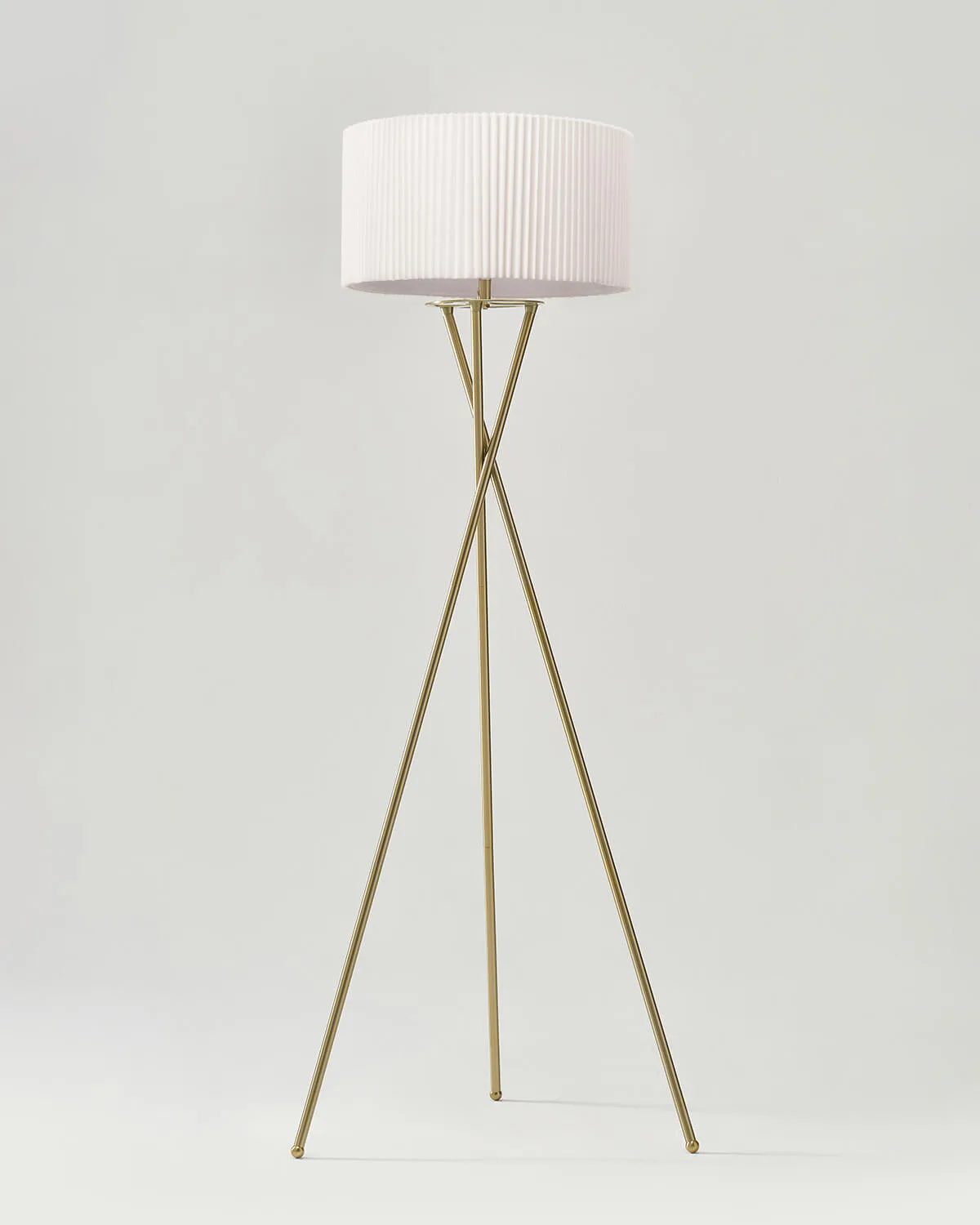
- Emma Floor Lamp: A beautiful minimalist tripod lamp that will steal the spotlight of any room. The natural wooden base and linen shade mix beautifully together to create a modern tripod lamp worthy of showing off. Add in the environmentally friendly LED included bulb and you have the perfect lamp. Its tripod design takes up minimal floor space, making it ideal for corners or beside a chair without overwhelming the area. The linen shade diffuses light softly, perfect for ambient or reading light.
- Austin Floor Lamp: A unique vintage floor lamp that will add a historical touch to your living room. With its sleek detailed base and stem in black, and a hanging glass shade, the Austin Floor Lamp adds just the right amount of ambience and style to any space. The hanging glass shade directs light downward, making it a great choice for task lighting over a side table or desk. Its vintage look can anchor a traditional or eclectic room design.
- Ivo Floor Lamp: A vintage inspired floor lamp, the Ivo is sure to turn heads. This bold piece combines six burgundy curved shades, a maple wood stem, and a black metal base. Its unique design will be the statement piece in your space. With six shades, the Ivo provides widespread ambient light, ideal for filling a large corner or lighting an entire seating area. Its bold design also serves as a focal point, so place it where it can be admired.
Proper floor lamp placement is about balancing function and style. By considering the lamp's purpose, the room's layout, and how it layers with other light sources, you can create a space that's both practical and inviting. Remember to measure, test, and adjust until the light feels just right.