Quick answer
Floorstanding speakers deliver fuller bass and fill larger rooms without a subwoofer, while bookshelf speakers offer easier placement and lower cost for smaller spaces. Your choice depends on room size, bass expectations, and whether you want an all-in-one tower or a flexible system.
Size and room fit
Floorstanding speakers (towers) are tall, floor-mounted cabinets that typically house multiple drivers. They need floor space but free up shelf or stand area. Bookshelf speakers sit on stands, shelves, or furniture, making them more flexible in tight rooms but requiring stands for optimal performance.
In a small to medium room (under 200 sq ft), bookshelf speakers often integrate better without overwhelming the space. In larger rooms, floorstanding models can project sound more evenly and produce deeper bass without strain.
Bass output and subwoofer needs
Floorstanding speakers generally have larger woofers and bigger cabinets, giving them natural low-end extension. Many listeners find tower speakers satisfying for music and movies without a separate subwoofer. Bookshelf speakers produce less deep bass; adding a subwoofer is common for full-range sound.
If you want a clean two-channel setup without extra boxes, floorstanding speakers simplify the system. If you enjoy tuning bass separately or have space constraints, bookshelf-plus-sub gives you more control.
Cost and upgrade path
Bookshelf speakers are generally more affordable at equivalent quality levels, and they pair easily with a wide range of amplifiers. Floorstanding speakers often cost more for comparable driver quality but include built-in bass capability.
A bookshelf system lets you upgrade the subwoofer or amplifier independently. Floorstanding speakers are a more all-in-one investment — swapping them later means replacing the whole tower.
Floorstanding vs bookshelf: trade-offs at a glance
- Bass depth: Floorstanding speakers produce deeper, more powerful bass naturally. Bookshelf speakers need a subwoofer for equivalent low-end.
- Placement flexibility: Bookshelf speakers fit on shelves, stands, or furniture. Floorstanding speakers require dedicated floor space and careful positioning. Measure your room and listening distance before choosing.
- System simplicity: Floorstanding speakers can form a complete two-channel system on their own. Bookshelf setups often add a subwoofer, increasing complexity and cost.
- Upgrade path: With bookshelf speakers you can upgrade the subwoofer or amplifier separately. Floorstanding speakers are a single larger investment; swapping means replacing the whole tower. Consider your long-term budget and whether you like to tinker.
Real-world examples
-
Bowers & Wilkins 603 S3 Tower Speakers (Pair): The Bowers & Wilkins 603 S3 is the largest model in the 600 Series, designed for larger rooms and home theater setups with dual bass drivers. This tower delivers room-filling scale and authoritative bass without needing a subwoofer, ideal for dedicated listening spaces.
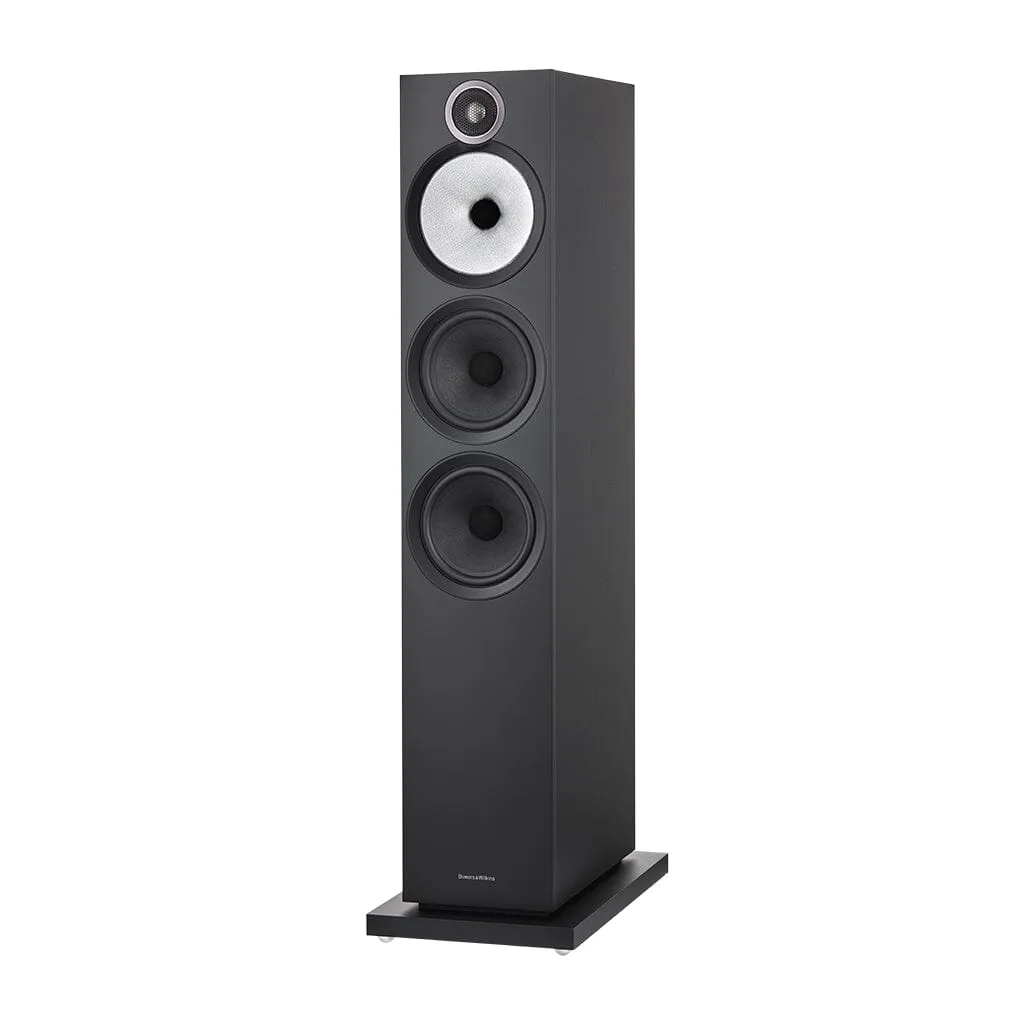
Bowers & Wilkins 603 S3 Tower Speakers (Pair)
-
KEF LS60 Wireless Powered Speakers: The KEF LS60 Wireless is a slim, powered floorstanding speaker that defies traditional size limits with integrated amplification and wireless streaming. It combines tower bass and presence with the simplicity of a powered system — no separate amp or subwoofer needed, perfect for modern minimalist setups.
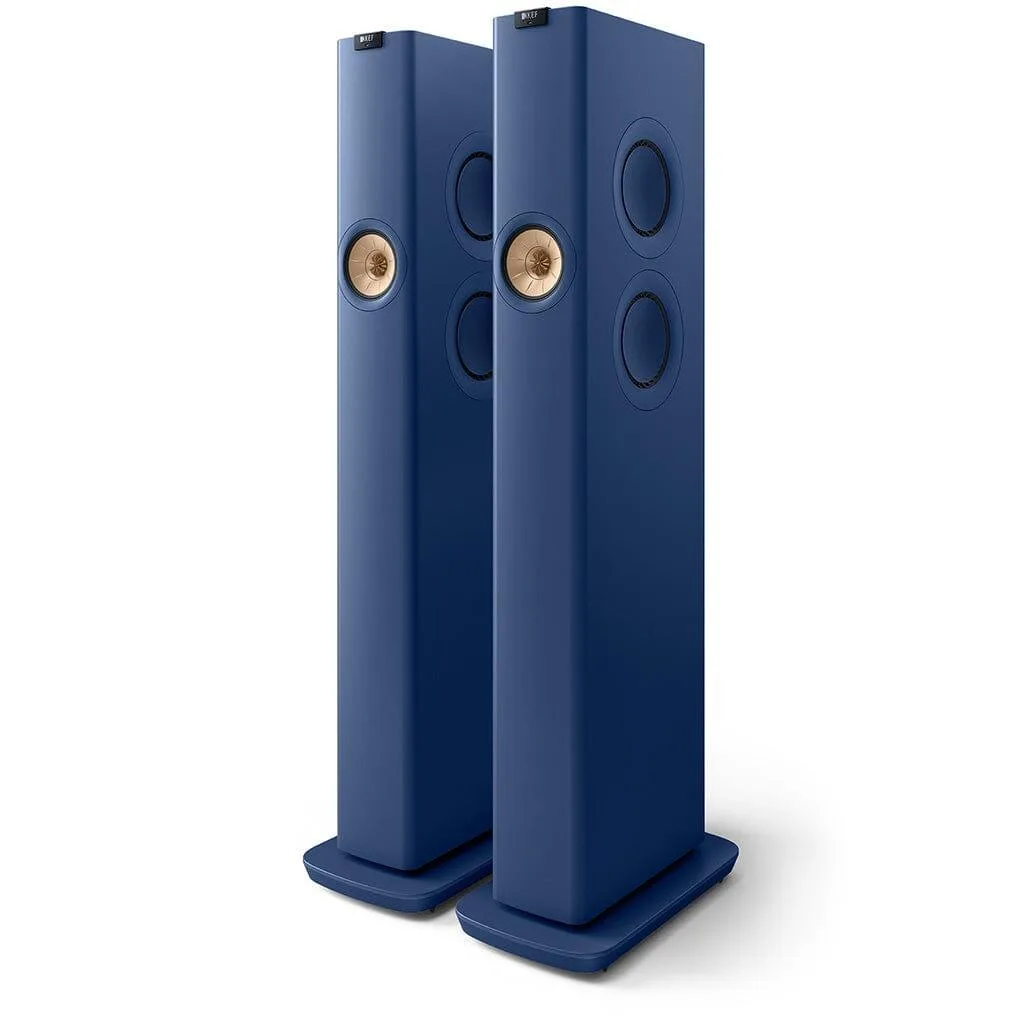
KEF LS60 Wireless Powered Speakers
Which should you choose?
Best for
- Listeners with larger rooms (over 200 sq ft) who want full-range sound without a subwoofer
- Home theater enthusiasts who value effortless bass and a clean, minimalist setup
- Audiophiles who prefer an all-in-one tower like the Bowers & Wilkins 603 S3 or KEF LS60 Wireless
Not ideal for
- Small apartments or rooms under 150 sq ft where towers can overwhelm the space
- Budget-conscious buyers who want to start small and upgrade components over time
- Listeners who enjoy customizing bass with a separate subwoofer and amplifier