Quick Answer
Fluxx and Jenga are both party favorites, but they serve different crowds. Fluxx offers ever-changing rules and strategic chaos for players who enjoy thinking on their feet, while Jenga delivers tense, hands-on suspense that works for all ages. For a lively, talkative game night, Fluxx wins; for a quick, physical challenge, choose Jenga.
Party game night often boils down to a simple question: do you want a game that makes people talk and laugh, or one that makes them hold their breath? Fluxx and Jenga sit on opposite ends of that spectrum, yet both have earned a spot on countless shelves. Understanding their differences helps you pick the right one for your group.
Fluxx is a card game where the rules change with every turn, while Jenga is a dexterity game of steady hands and nerve. This comparison looks at how they play, who they suit, and what each brings to a party—so you can decide without a trial run.
Gameplay: Rules That Change vs. Rules That Stay
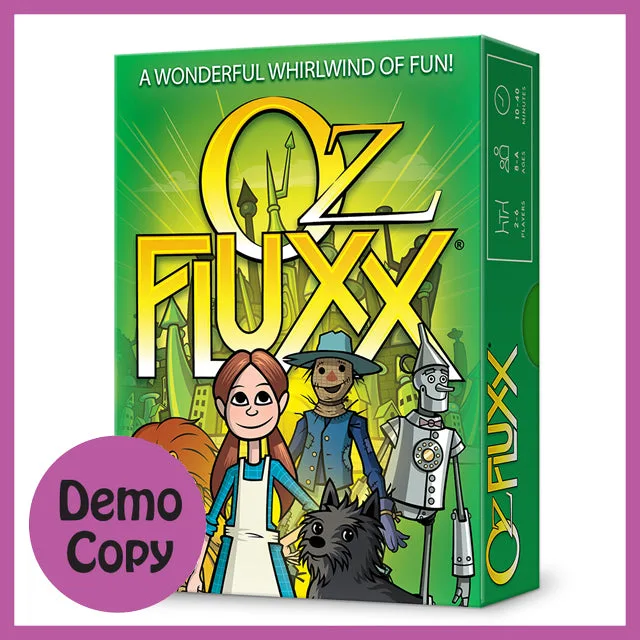
Fluxx starts simple: draw a card, play a card. But then new rules appear, changing how many cards you draw, how many you play, and even what you need to win. The goal itself can shift mid-game, turning every turn into a puzzle. This keeps everyone engaged because you never know what will happen next.
Jenga, by contrast, has one fixed rule: pull a block from the tower and place it on top without toppling the structure. The tension builds as the tower becomes more unstable. It’s a game of physical skill and nerve, where the rules never change but the challenge grows with every move.
- Fluxx rewards adaptability and strategic thinking.
- Jenga tests steady hands and spatial judgment.
Player Count and Pacing
Fluxx supports 2 to 6 players, and games typically last 10 to 30 minutes. That makes it flexible for small gatherings or larger groups, though bigger tables can slow things down. The ever-changing rules mean everyone stays involved even between turns, as you watch for new goals and rule changes.
Jenga is designed for any number of players, but it’s best with 2 to 4 in a single game. Because only one person moves at a time, a large group can take turns, but players may feel idle while waiting. Games are short—often under 15 minutes—so you can play multiple rounds in a row.
- Fluxx fits 2-6 players and encourages group discussion.
- Jenga works with any group size but shines with smaller ones.
The Fun Factor: Laughter vs. Suspense
Fluxx generates laughter through absurd rule combinations and sudden goal shifts. One minute you’re collecting cookies, the next you need to get rid of them. The unpredictability creates moments of shared surprise and playful frustration, making it a hit for groups that enjoy banter and strategy.
Jenga creates suspense. Every block pulled raises the stakes, and the tower’s wobble makes the whole room hold its breath. When it finally falls, there’s a collective gasp and laugh. It’s a tactile experience that doesn’t require reading or complex rules, so it’s accessible to nearly everyone.
- Fluxx is ideal for talkative groups that like strategy.
- Jenga suits groups that enjoy physical tension and quick rounds.
The Trade-Off: Fluxx vs. Jenga
- Rule Complexity: Fluxx has changing rules that require reading and adapting, which can be confusing for some. Jenga has a single, simple rule that anyone can grasp instantly. Choose Jenga for mixed-age groups or non-gamers; choose Fluxx for players who enjoy mental challenges.
- Physical vs. Mental Engagement: Jenga is physical and tactile, testing dexterity and steady hands. Fluxx is mental, demanding strategic thinking and flexibility. If your group likes hands-on activity, Jenga wins; for a brainy game, Fluxx is better.
- Player Interaction: Fluxx encourages constant discussion and negotiation as rules change. Jenga creates shared tension but less direct interaction between players. For a social, talkative crowd, Fluxx fosters more conversation; Jenga is better for focused, suspenseful moments.
Fluxx Variations to Consider
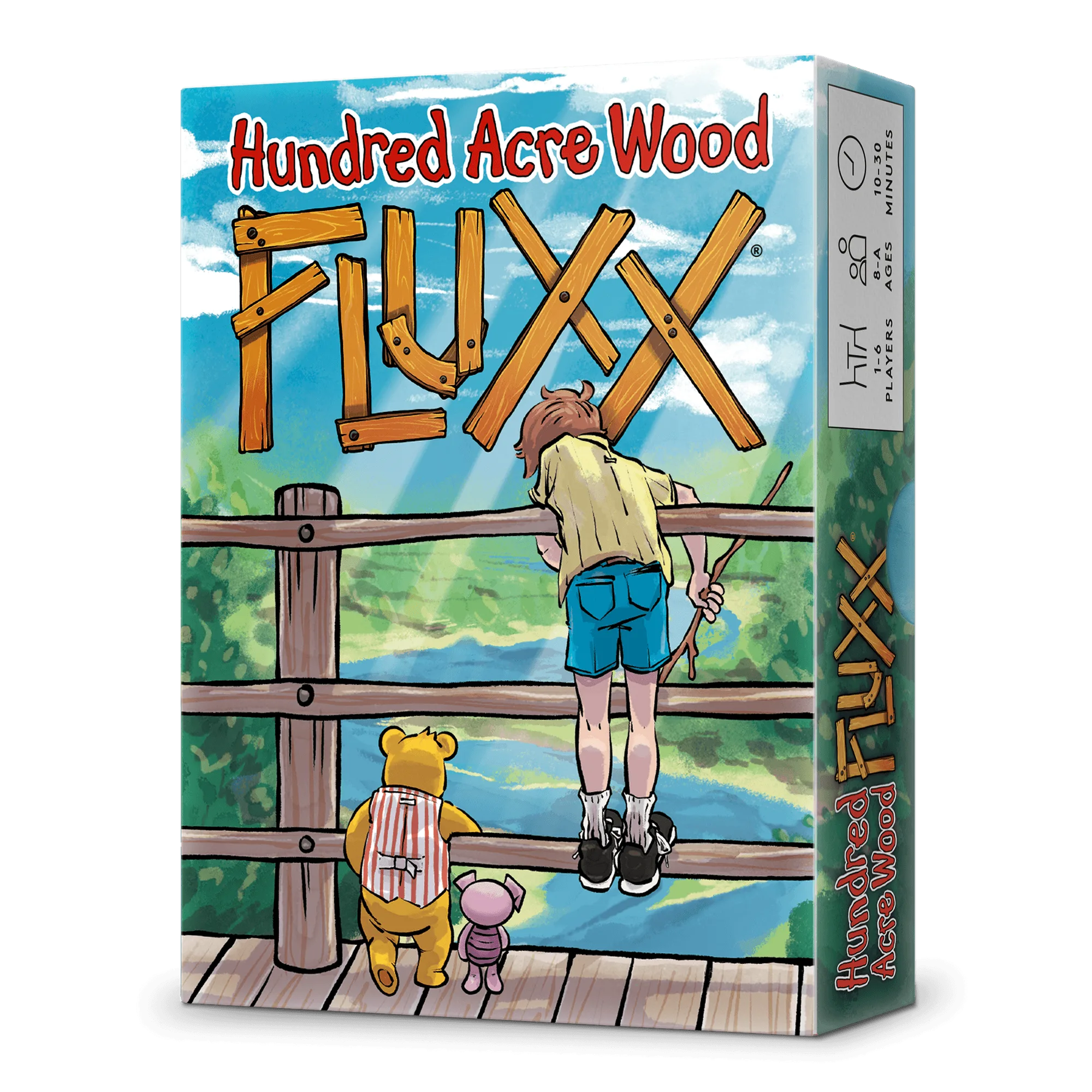
- Fairy Tale Fluxx: Fairy Tale Fluxx brings the zaniness of the card game of ever-changing rules to the land of happily ever after! Gather Keepers to fit the current fairy tale Goal and you win; but look out for the Witch and the Wolf! With delightful illustrations by Mary Engelbreit, this version of Fluxx is a wish come true. 2-6 Players | 10-30 min | Ages 8-Adult If you prefer a whimsical theme, Fairy Tale Fluxx adds charming art and a fairy tale twist while keeping the same core Fluxx mechanics, making it a great entry point.
- Mystery Fluxx: It’s a mash-up of all your favorite detective stories! This time, the Keepers include clues to the murder, scenes of the crime, weapons, suspects, and a host of classic detectives. Danger cards can cause players to be eliminated (but don’t worry, you can quickly jump back in) and this version introduces another type of card: the Secret! It’s non-transferable and if you’re forced to play or reveal it, bad stuff happens. Mystery Fluxx adds a detective theme and unique Secret cards, offering a more complex experience for players who want extra layers on top of the standard Fluxx chaos.
Which Should You Choose?
Fluxx is best for
- Groups that love strategy and adapting to new rules.
- Players who enjoy a game that sparks conversation and laughter.
Fluxx is not for
- Young children or players who struggle with reading or rule changes.
- Those who prefer a quick, physical challenge over mental puzzles.
Both Fluxx and Jenga are excellent party games, but they cater to different moods. If you want a lively, ever-changing card game that rewards quick thinking, Fluxx is your match. If you prefer a tense, physical test of nerve that anyone can play, Jenga takes the tower. Consider your group’s style, and you’ll pick the winner every time.