Quick answer
Choose the Flying Squirrel pajama size that matches your child's current height and weight, not the age on the label. The loose fit is intentional: it gives room to grow and lets your child move freely while staying covered. If your child is between sizes, size up for longevity, but make sure the ribbed cuffs still sit at the wrists and ankles.
Why the Flying Squirrel Fit Is Different
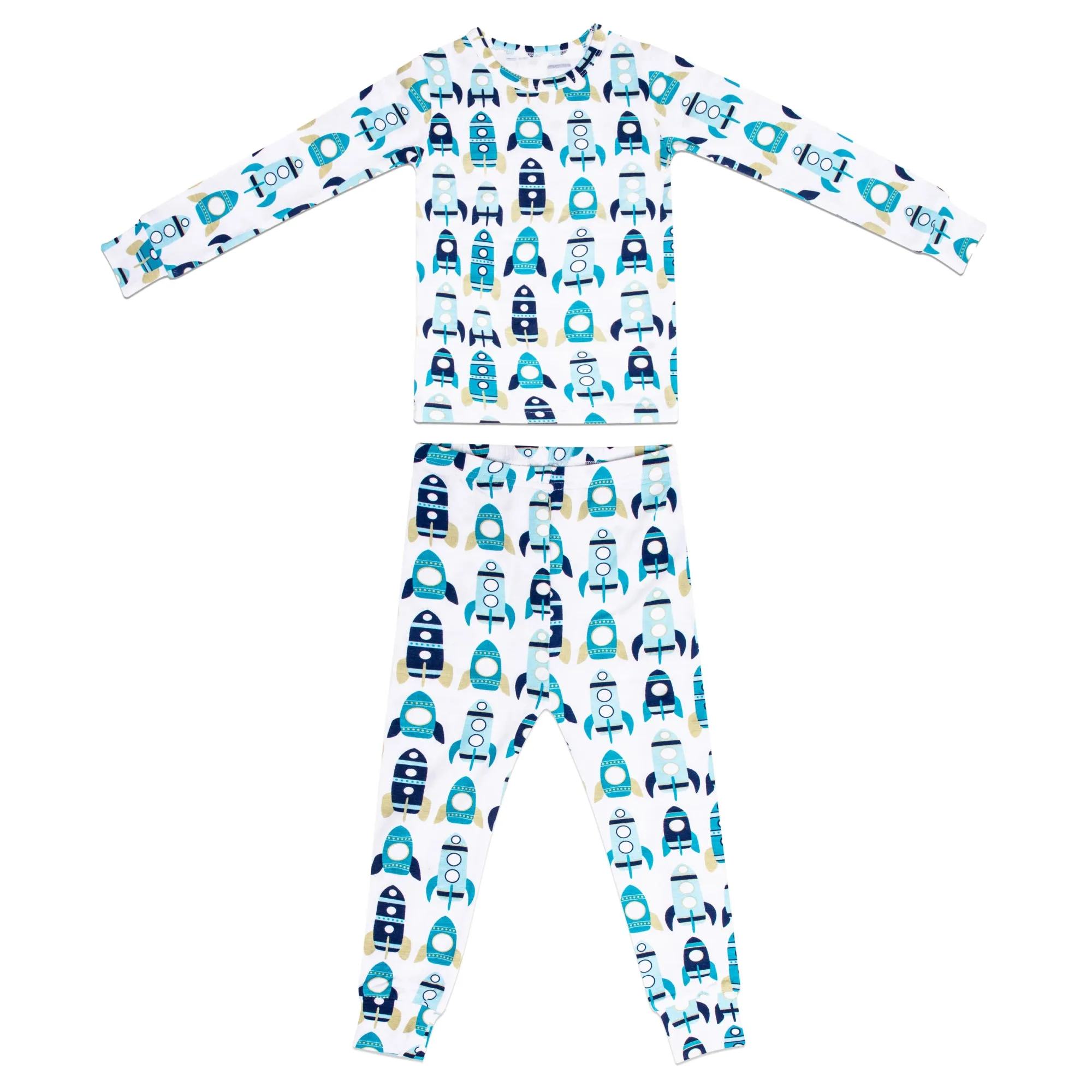
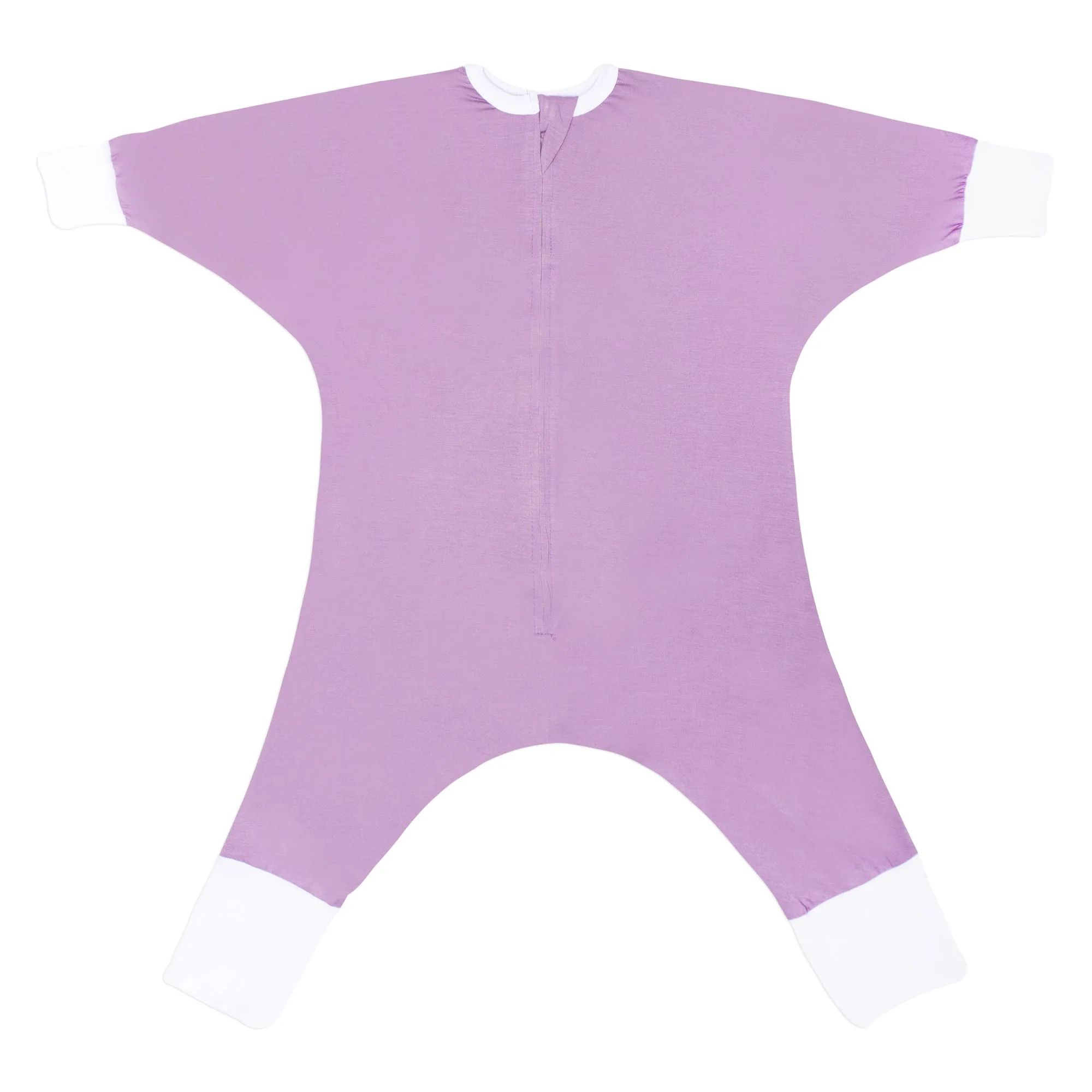
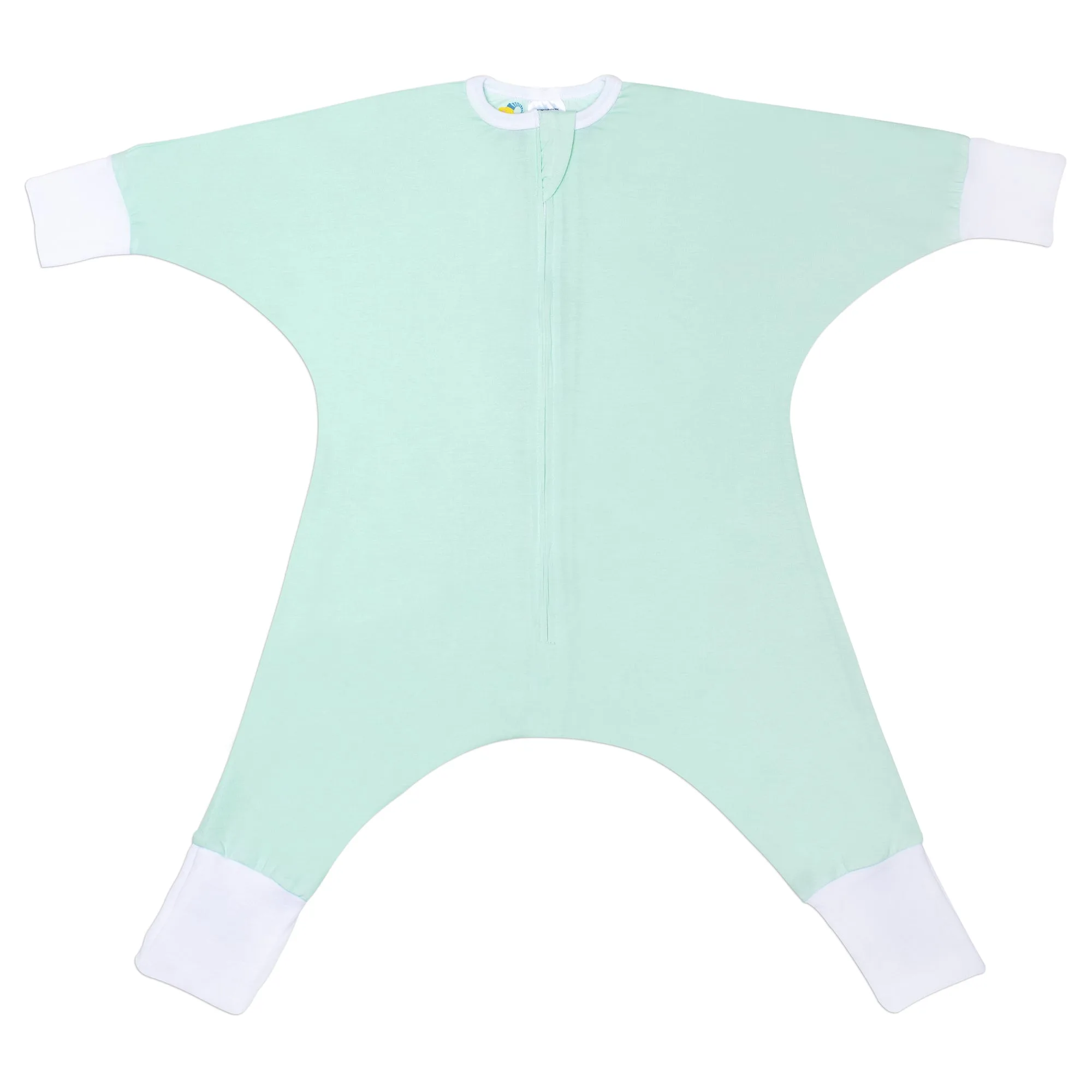
Most sleepwear is designed to hug the body. The Flying Squirrel pajama is deliberately loose. It doubles as a wearable blanket, so the fabric needs extra room for rolling, kicking, and curling up. That loose cut is also why the ribbed cuffs matter: they keep the sleeves and legs from riding up during sleep. When you check sizing, look at the whole silhouette. A fit that looks slightly baggy in the torso is normal. A fit that bunches at the wrists or drags past the toes is not.
How to Measure Before You Choose a Size
You only need two numbers: your child's height and weight. Stand your child against a wall without shoes for height, and use a recent weight from a home scale or a pediatric visit. Then compare both numbers to the size chart. If height and weight point to different sizes, follow weight for younger babies and height for older toddlers, because torso length affects how the cuffs sit. Recheck every two to three months. Children between 12 months and 5 years can change sizes quickly, and a pajama that fit in spring may be too short by fall.
Snug vs. Roomy: What to Aim For
A well-fitting Flying Squirrel pajama has a little extra fabric through the body but stays put at the extremities. Here is a simple test: have your child wear it and stretch both arms overhead. The cuffs should stay near the wrists, not slide down to the elbows. Then have your child lie down and roll over. The fabric should move with them, not twist around the torso. If the pajama twists or the cuffs slide, try a different size. If it looks loose but stays in place, that is the right fit.
What the Size Chart Does Not Tell You
The Flying Squirrel pajama is listed for little ones 12 months to 5 years. That range is broad because children grow at different rates. The chart gives you a starting point, but it cannot account for torso length, shoulder width, or how much your child moves at night. If your child is long-waisted or broad-shouldered, you may need to size up even if the weight suggests otherwise. The loose fit gives you some flexibility, but the cuffs are the limiting factor. They need to stay near the wrists and ankles to do their job.
Decision rules for Flying Squirrel sizing
- If your child is between sizes: Size up only if the ribbed cuffs still sit at the wrists and ankles. If they slide down, stay with the smaller size. The cuffs are the deciding factor, not the label.
- If your child is a restless sleeper: Choose the size that keeps the torso loose but the cuffs secure. A tighter fit can restrict movement and defeat the purpose of the design. Loose through the body, snug at the cuffs.
- If your child is tall for their age: Follow height over weight. A long torso can pull the cuffs out of place, so you may need the next size up even if the weight range fits. Height controls where the cuffs land.
- If you are unsure after measuring: Order one size and test it with the arms-overhead and roll-over checks. Exchange if the cuffs move or the fabric twists. A five-minute fit test beats guessing.
Flying Squirrel options at a glance
- Sleeping Baby Classic Mint Flying Squirrel Pajama: Sleeping Baby Classic Mint Flying Squirrel Pajama is designed for little ones 12 months to 5 years and has ribbed cuffs at wrists and ankles. The wide age range means you should rely on height and weight rather than the label. The ribbed cuffs are your fit checkpoint: if they slide, the size is wrong.
- Sleeping Baby Monster Madness Flying Squirrel Pajama: Sleeping Baby Monster Madness Flying Squirrel Pajama has the same loose fit and breathable fabric with gentle stretch, and is also sized for 12 months to 5 years. Because the cut is identical across prints, you can use the same size in either style. Choose the print your child prefers without worrying about a different fit.
Who the Flying Squirrel pajama fits best
Best for
- Children 12 months to 5 years who have outgrown a swaddle and need a wearable blanket
- Restless sleepers who roll, kick, and change position during the night
Not for
- Babies under 12 months or any child still in a swaddle
- Children who need a snug, body-hugging fit or who dislike loose sleepwear