Quick answer
Choose foam play cubes if you want a low-risk, portable option for babies and young toddlers to build, stack, and tumble. Choose a wooden climbing set if your child is 3 or older and needs a daily outlet for climbing, swinging, and balance. Many families end up with both: soft blocks for quiet corner play and a climbing structure for active play.
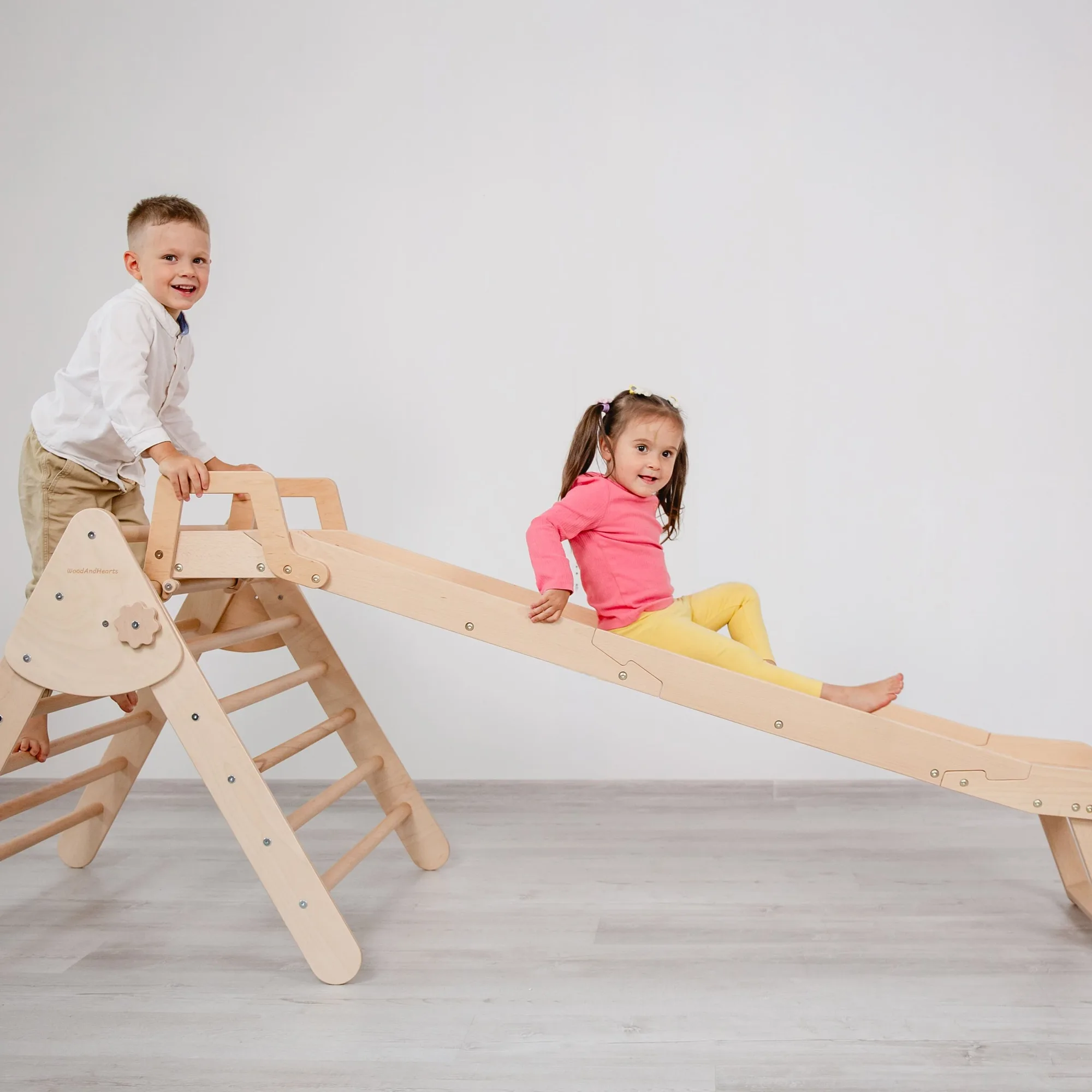
wooden climbing set
Foam play cubes and wooden climbing sets both belong in a well-rounded playroom, but they serve different developmental jobs. Soft play blocks encourage stacking, sorting, and safe falling for crawlers and early walkers. Wooden climbing sets challenge older kids to pull, step, and balance, building strength and coordination.
This comparison breaks down the trade-offs so you can decide which to buy first, or whether you need both. We'll look at age fit, safety, space, and long-term value using real product examples from our catalog.
Age and developmental fit
Foam play cubes typically suit children from around 6 months to 3 years. They are light, soft, and easy to grasp, making them ideal for tummy time, sitting practice, and early stacking. A toddler can push them over without getting hurt, which builds confidence. However, once a child can climb confidently, foam cubes may become too simple and get ignored.
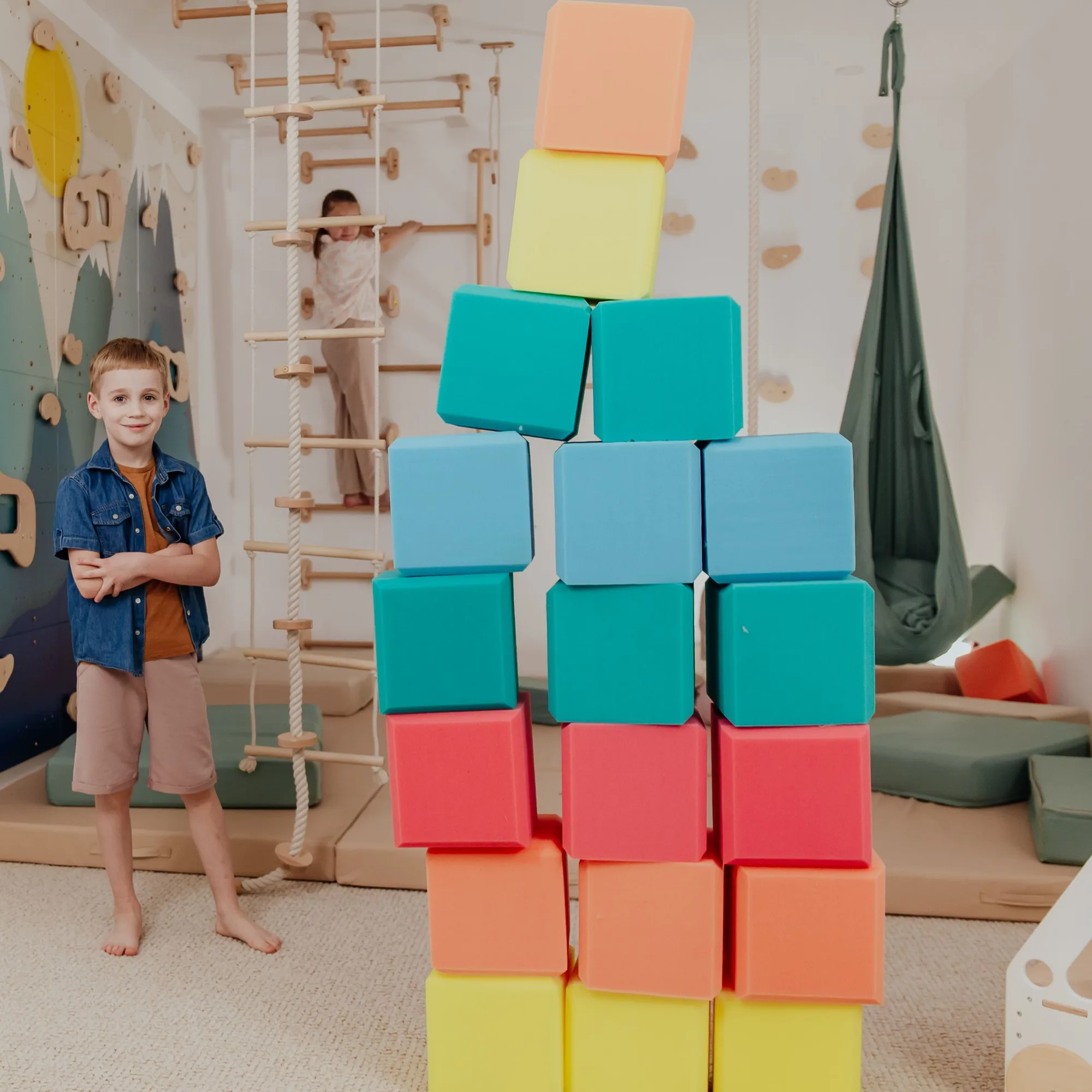
foam cubes
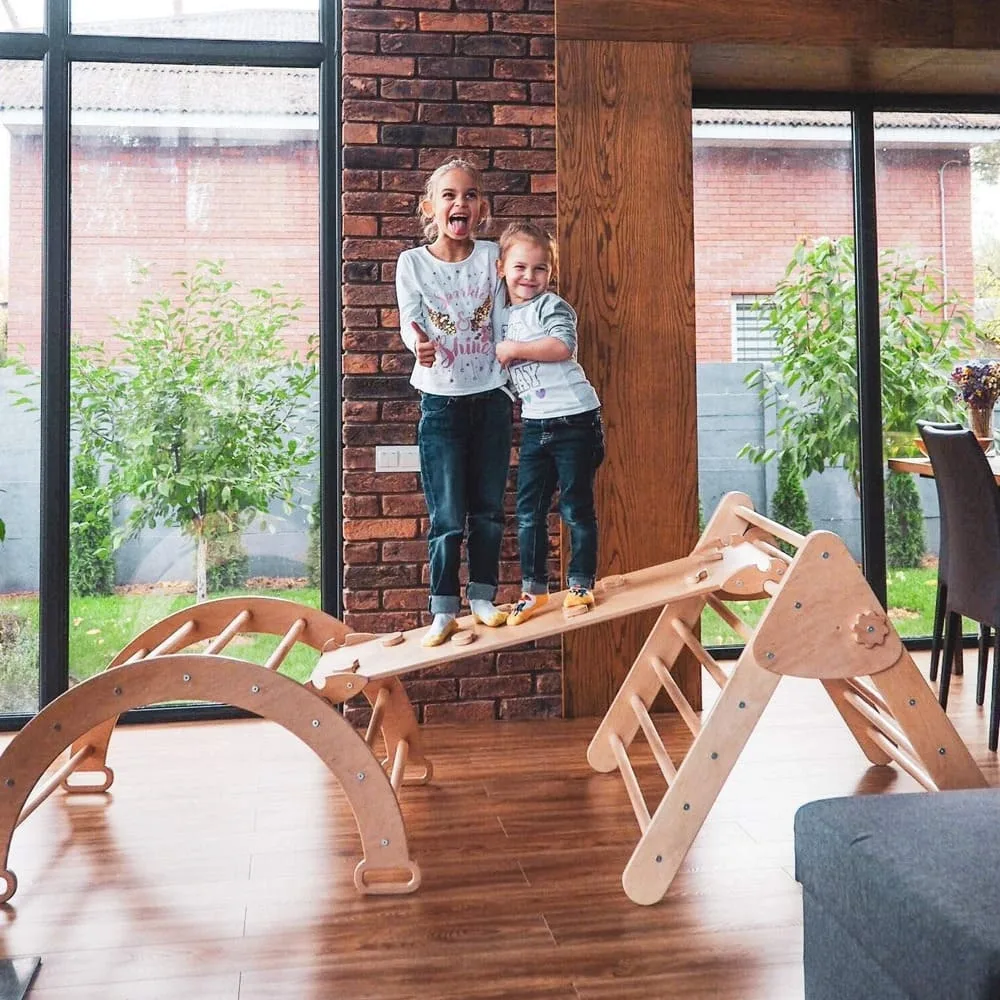
Wooden climbing sets are designed for kids 3 and up. For example, the Montessori Climbing Set of 3 is available in Large size for ages 2 to 8, covering a wide range. The Rock Climbing Wall and Home Climbing Wall target ages 3 to 8. These structures demand more strength and coordination, so they grow with your child rather than being outgrown quickly.
- If your child is under 3, start with foam cubes and add a climbing set when they turn 3.
- If you have multiple children, a wooden climbing set often serves a wider age range.
Safety and supervision needs
Foam cubes are inherently low-risk: no hard edges, no height, and no moving parts. The main safety concern is keeping them clean and free of tears. They require minimal supervision, which makes them great for independent play while you cook or work nearby.
Wooden climbing sets need more attention. They should be assembled securely, placed on a soft surface, and used with adult supervision, especially for younger children. The Swedish Ladder Wall Gym, for instance, combines climbing, swinging, and balance training, so proper installation and spacing are critical. That said, the risk is manageable with clear rules and a safe landing zone.
- Always anchor wall-mounted climbing equipment to studs or use appropriate wall fixings.
- Place a mat or rug under climbing sets to cushion falls.
Space and storage
Foam cubes are bulky but lightweight. A set of 6 to 12 cubes can be stacked in a corner or stored in a bin when not in use. They don't require wall space, so they suit small apartments or rooms with limited floor area.
Wooden climbing sets take up more permanent space. The Climbing Indoor Playspace for Kids, Complete Climbing Set is a multifunctional setup for climbing, swinging, and active development, and it needs a dedicated zone. The All-in-One Kids Play Paradise, 9-in-1 Playroom Bundle transforms a room into a full activity set, which is fantastic if you have the square footage but overwhelming in a tiny nursery.
- Measure your play area before buying a climbing set; leave at least 2 feet of clearance around it.
- Choose a foldable climbing triangle if you need to reclaim floor space between play sessions.
Long-term value and versatility
Foam cubes are relatively inexpensive and easy to replace, but they may wear out or be outgrown within a few years. They are a short-term investment in early development.
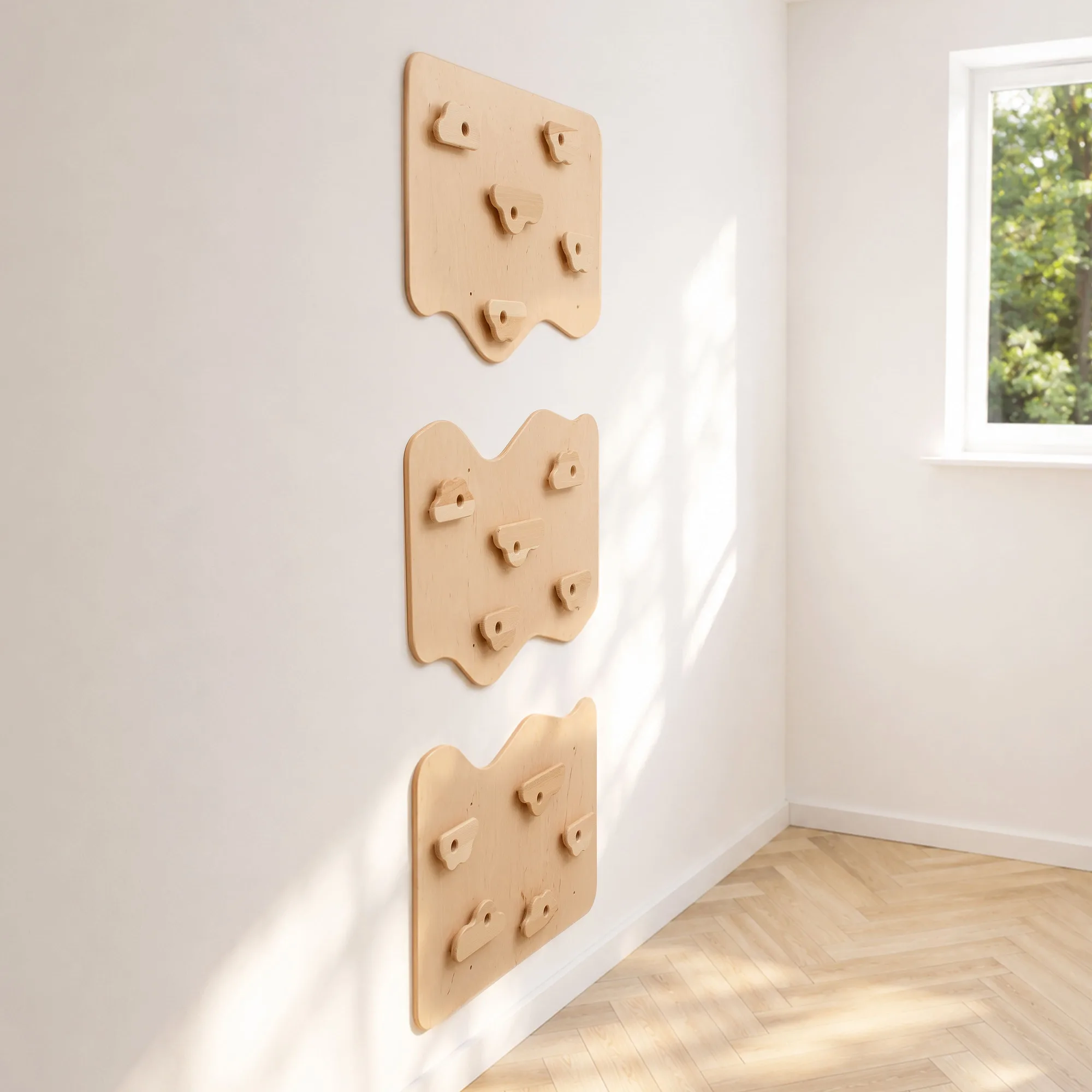
Wooden climbing sets cost more upfront but often last through multiple children. The Swedish Ladder Wall Gym includes 18 sturdy panels with mountain designs, divided into three modules: climbing wall, rope wall, and more. The Rock Climbing Wall promotes strength, coordination, and confidence for children aged 3 and up. These sets adapt as your child's skills grow, offering years of active play.
- If you plan to have more children, a wooden climbing set often has a lower cost per year of use.
- Foam cubes can be rotated out as your child's interests shift.
Trade-offs at a glance
- Foam cubes: safety vs. challenge: Foam cubes are safer for babies and toddlers because they are soft and low to the ground, but they offer limited physical challenge once a child can climb. Choose foam cubes if safety and independent play are top priorities for a child under 3.
- Wooden climbing sets: development vs. space: Wooden climbing sets build strength, balance, and confidence, but they require more floor or wall space and adult supervision. Choose a wooden climbing set if you have a dedicated play area and a child aged 3 or older.
- Cost: upfront vs. longevity: Foam cubes cost less initially but may be outgrown in a few years. Wooden climbing sets cost more but often last through multiple children and developmental stages. If budget allows and you plan long-term use, a wooden climbing set may offer better value per year.
Product facts from our catalog
- Montessori Climbing Set of 3: Includes a Foldable Triangle, Climbing Arch, and Rocker Board, available in Large size for ages 2 to 8. This set covers a wide age range and offers three distinct ways to climb and balance, making it a versatile first wooden climbing choice.
- Swedish Ladder Wall Gym: Features 18 sturdy panels with mountain designs, divided into three modules: climbing wall with natural-style holds, rope wall, and more. Suitable for kids 3+ and even adults. A wall-mounted option that saves floor space and can be used by older family members, but it requires secure installation and dedicated wall space.
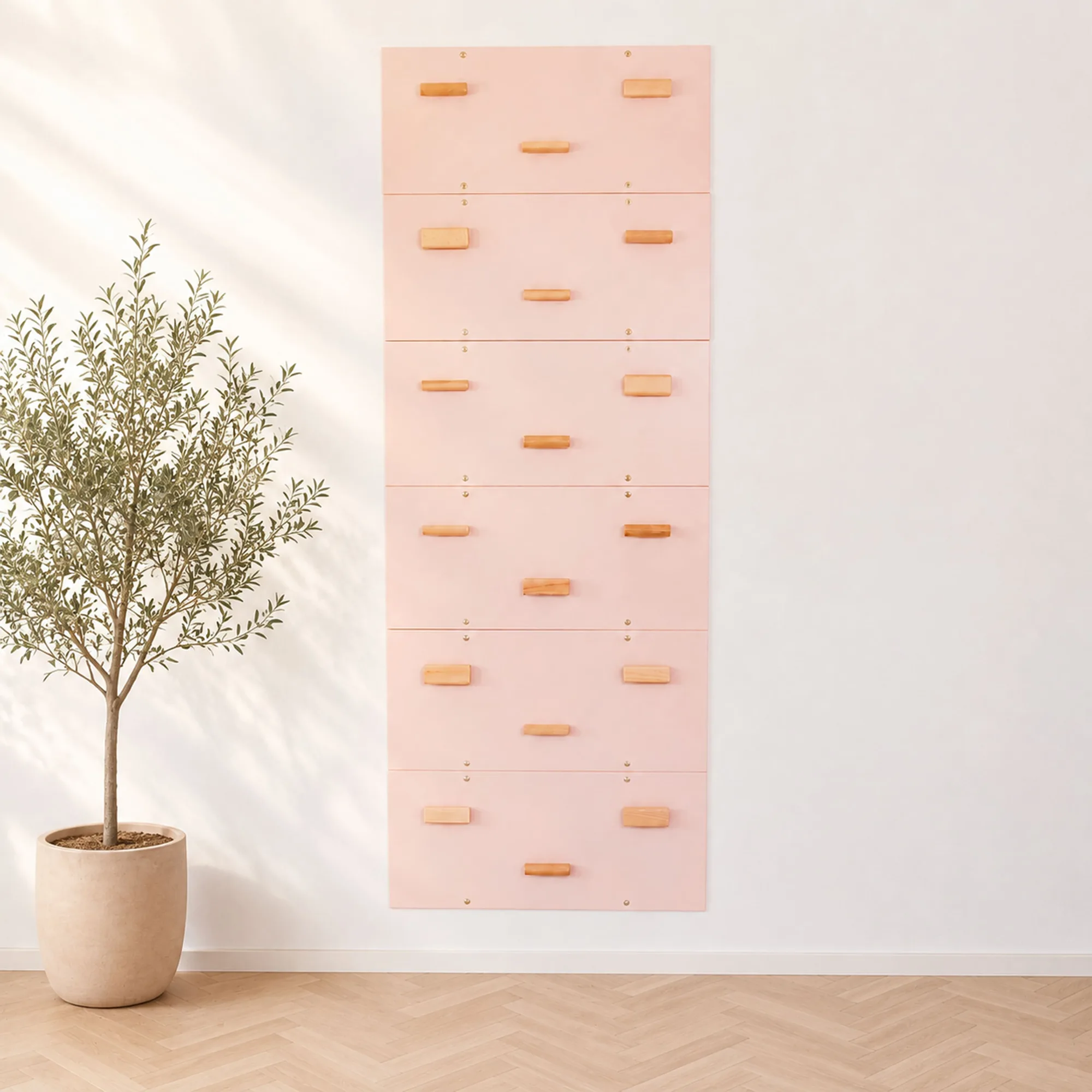
- Rock Climbing Wall: Designed for children aged 3 and up, this wall promotes strength, coordination, and confidence. It stimulates gross motor development. A focused climbing challenge that builds specific skills; best for families who want a permanent climbing feature rather than a portable toy.
Which should you choose?
Best for
- Families with babies and toddlers under 3 who need safe, soft play blocks
- Small apartments where floor space is limited and wall mounting isn't possible
- Parents who want a portable, easy-to-store play option
Not for
- Older kids (5+) who need a physical challenge and won't engage with soft blocks
- Families looking for a long-term investment that grows with multiple children
- Homes with a dedicated playroom where active climbing is desired
Foam cubes and wooden climbing sets aren't rivals—they're teammates. Start with soft play blocks for your youngest, then add a wooden climbing set when your child is ready to climb. If you can only pick one, match it to your child's age and your available space. Either way, you're investing in active, screen-free play.