Quick answer
Foam stabilizer gives better shape when you want a bag that stands up, holds crisp edges, and keeps its silhouette after repeated use. Fleece gives better shape when you want soft, rounded volume and a squishy feel. Many makers combine a thin fleece layer with foam for extra loft, but foam is the layer doing the structural work.
Bag shape comes down to one decision: do you want structure or softness? Foam stabilizer and fleece both add body, but they behave differently once sewn. Foam resists folding and springs back, so it creates walls that stay upright. Fleece compresses and drapes, so it creates a plush, rounded bag that feels more like a cushion than a box.
This comparison looks at how each option affects shape, weight, sewing difficulty, and long-term wear. You will also see where the two can work together, and which projects should skip one entirely.
How each one creates shape
Foam stabilizer is a dense, spongy layer that holds a fold and returns to its original thickness. That springiness is what keeps a tote standing open on a table and stops a zip pouch from collapsing when you set it down. It also gives edges a firm, defined line, which is why foam interfacing for bags shows up in structured patterns like totes, backpacks, and boxy pouches.
Fleece works differently. It adds thickness and softness without much rigidity, so the bag keeps a rounded, relaxed shape. Sew-in fleece bags feel lighter and more flexible, but they will slouch unless the pattern also includes a firm stabilizer. If you want a puffy quilted look, fleece is the layer that creates that loft.
- Pin or clip foam pieces rather than folding them sharply; creases can show through fabric.
- If a pattern calls for foam and you substitute fleece, expect a softer bag with less upright structure.
Sewing and construction differences
Foam adds bulk at seam allowances, so you need a walking foot or a sturdy machine and a fresh needle. Reducing seam bulk by trimming foam out of the seam allowance on bulky joins helps. Fleece is easier to sew because it compresses under the presser foot, but it can shift, so basting or using a temporary tape helps keep layers aligned.
Weight matters too. Foam makes a bag heavier and stiffer, which is great for a work tote but tiring for a small crossbody. Fleece keeps the bag light and packable. Both can be quilted, but foam holds quilt lines more sharply while fleece gives a softer, puffed effect.
- Test on scraps with your actual fabric, foam or fleece, and lining before sewing the real bag.
- Use a longer stitch length on foam to avoid perforating and weakening it.
When to combine foam and fleece
You do not always have to choose. A common approach is a layer of foam for structure plus a thin fleece for softness and to hide foam texture. This is where cloudfill fleece for bags comes in: it adds loft without much weight, so the bag feels plush while the foam underneath keeps the shape. The trade-off is more bulk, more cost, and more time at the machine.
If you combine them, place fleece against the outer fabric and foam behind it, then quilt or baste the layers together. This sandwich gives you the crisp edges of foam with the soft hand of fleece. Skip the combination on small pouches, where the extra layers can make turning the bag difficult.
- Quilt the fleece and foam together before assembling the bag to prevent shifting.
- For small pouches, use only one layer to keep turning and topstitching manageable.
Matching the stabilizer to your pattern
Look at the pattern's recommended materials. If it calls for foam, the designer likely drafted seam allowances and construction steps around that thickness. Substituting fleece will change how the bag folds and how the lining fits. If the pattern calls for fleece, adding foam may make the bag too stiff to turn or close properly.
Your fabric choice matters as well. A lightweight water-resistant canvas lining is easier to pair with foam because it does not add much bulk. A pliable frosted jelly vinyl bends and folds without a fight, so it works well over fleece when you want a soft, quick project. Heavier faux leather plus foam can become very thick at seams.
- Keep a scrap of each stabilizer labeled with its thickness so you can compare before cutting.
- If seams get too bulky, trim foam or fleece from the seam allowance after sewing, not before.
Trade-offs at a glance
- Shape retention: Foam springs back and keeps walls upright; fleece compresses and lets the bag relax into a softer silhouette. Choose foam for totes and boxy bags, fleece for slouchy or rounded shapes.
- Weight and packability: Foam adds noticeable weight and bulk; fleece keeps the bag light and easy to fold or pack. For travel or everyday crossbody bags, fleece is often the more comfortable choice.
- Sewing difficulty: Foam demands a sturdy machine, a walking foot, and seam bulk management; fleece sews more easily but can shift. If your machine struggles with thick layers, start with fleece and add foam only where structure matters.
Products that pair well with each stabilizer
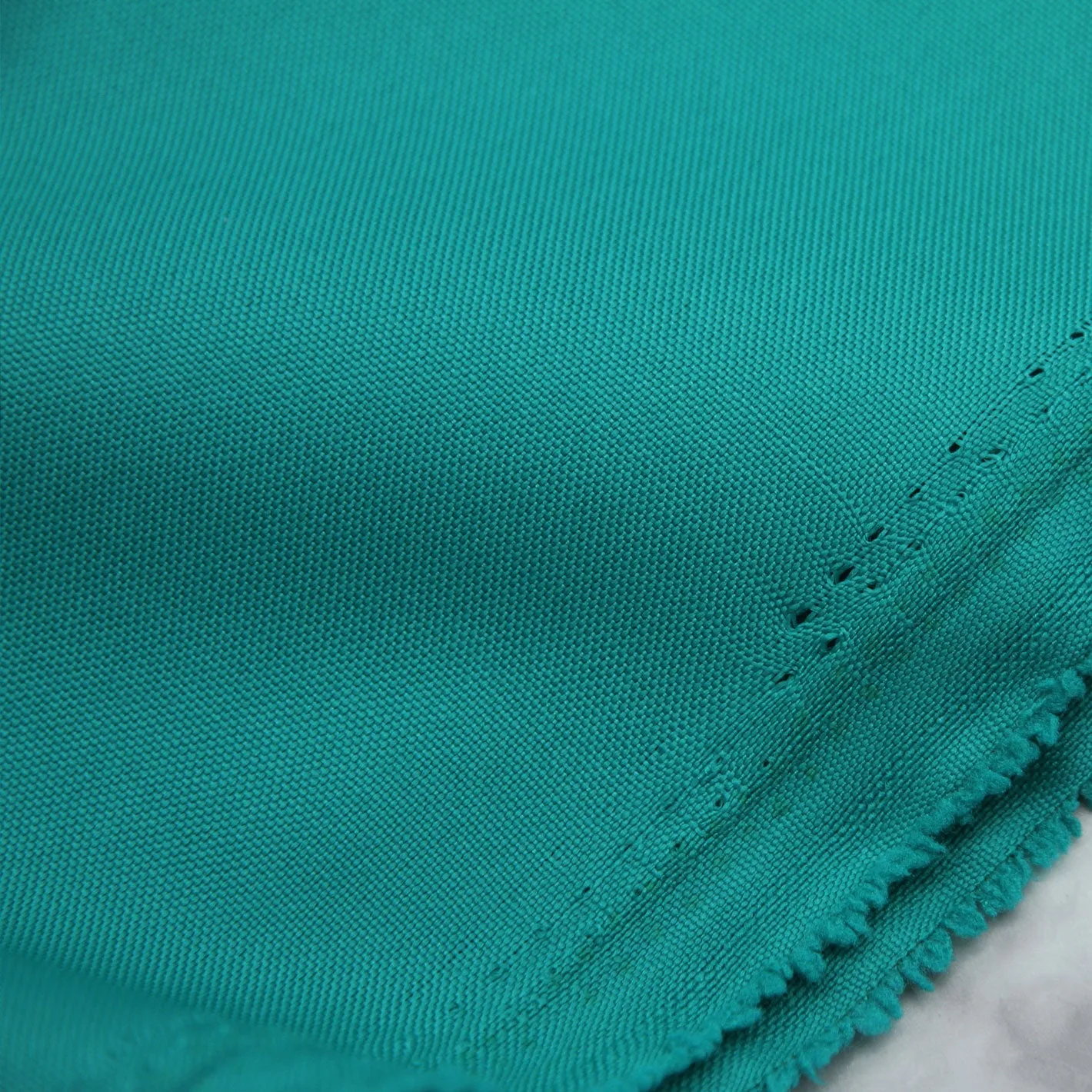
- Teal Appeal - Lightweight Water Resistant Canvas: 300 denier polyester canvas with a clear PU back coating, described as light but strong and substantial enough to hold its shape. A lining or outer fabric that already holds some shape lets you use less foam, which keeps the bag lighter and easier to sew.
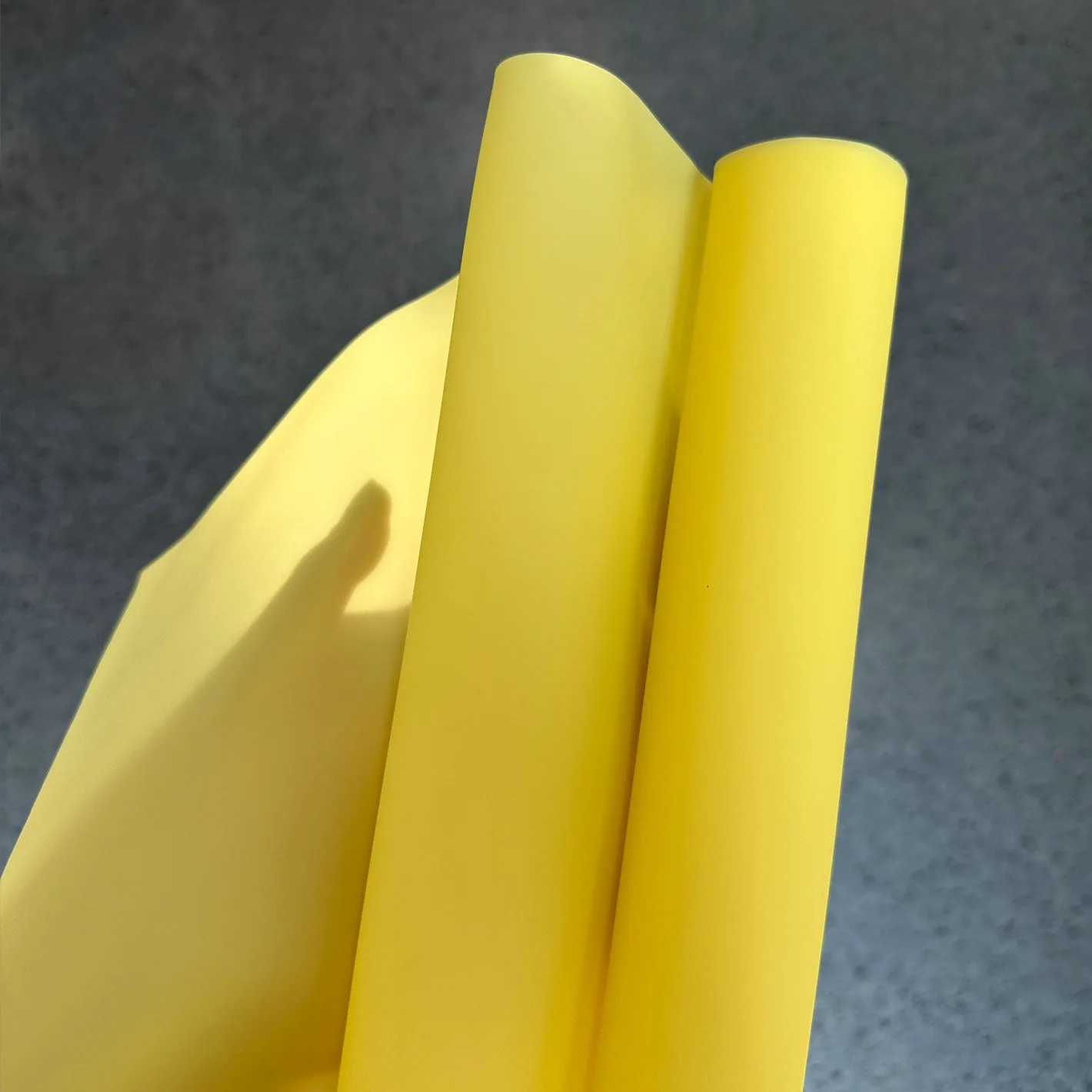
- Banana Split - Frosted Jelly Vinyl: Exceptionally pliable PVC vinyl that bends and folds easily, does not need lining, and is domestic machine friendly. Because it is so flexible, it works best over fleece or a light stabilizer rather than heavy foam, which would fight the vinyl's natural drape.
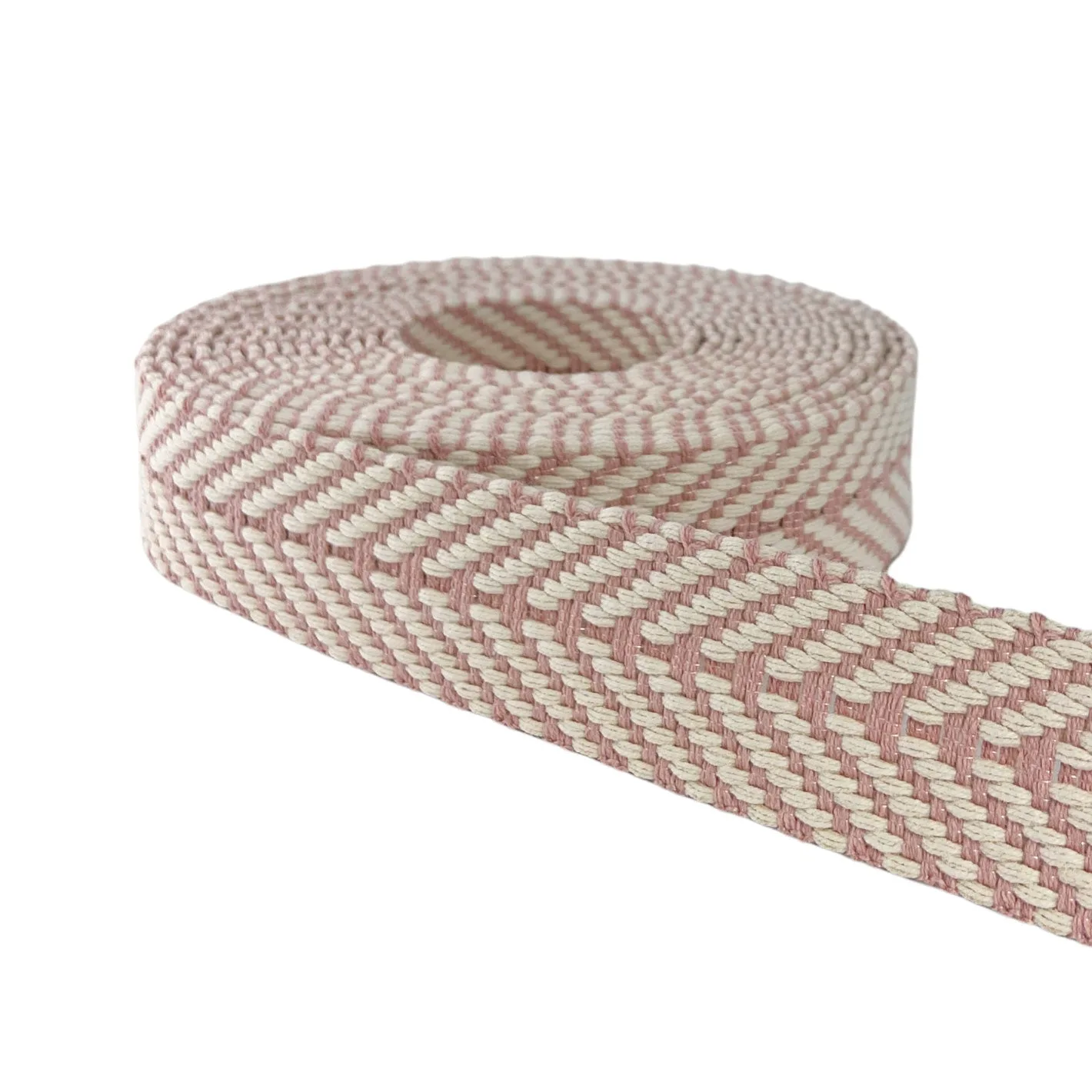
- Dusty Rose - Classic Jacquard Webbing: Made from quality cotton, designed to feel comfortable and withstand time, and pairs with swivel hooks and adjustable sliders for bag straps. Straps do not add structure, so choose foam or fleece for the bag body and let the webbing handle comfort and hardware attachment.
Which should you choose?
Best for
- Structured totes, backpacks, and boxy pouches that need to stand open on their own.
- Makers who want crisp edges and a bag that keeps its shape after months of use.
Not for
- Soft, slouchy bags where a relaxed drape is the goal.
- Very small pouches where thick foam makes turning and topstitching difficult.
Pick foam when the bag needs to stand up and hold its lines, and fleece when you want soft volume and a lighter feel. If you want both, layer a thin cloudfill fleece over foam and quilt them together. Test on scraps first, and let the pattern's recommended stabilizer guide your final choice.