Quick answer
Most foam toys are safe for babies when the foam is intact, the toy has no loose or detachable pieces, and you inspect it before and after each play session. Check the material, seams, and surface every time, and retire any foam toy that is torn, crumbling, or shedding bits.
Foam toys earn their place in the playroom because they are light, soft on floors and furniture, and easy for small hands to grab. That same softness is exactly why they need a quick once-over before baby plays.
This guide answers the questions parents ask most about foam toy safety, from what the material actually is to how often you should inspect a toy and when it is time to let it go.
Are foam toys safe for babies?
Yes, when the foam is intact and the toy is age-appropriate. The main risks are not the foam itself but damage: a chewed edge, a split seam, or a chunk that comes loose can turn a soft toy into a choking hazard. Foam also degrades over time, especially if it is left in sunlight or chewed repeatedly.
A simple rule: run your fingers along every edge and seam before play. If the surface feels smooth and firm, the toy is good to go. If you feel crumbles, cracks, or a spot that gives way under pressure, set it aside.
- Squeeze the foam gently. It should spring back, not flake or crumble.
- Check that no small parts, wheels, or attachments wiggle loose.
- Match the toy to your baby's stage, not just the age on the box.
What are foam toys made of, and does the material matter?
Foam toys are made from several different materials, and the type matters for durability and cleaning. EPP foam, for example, is a dense, waterproof foam that holds its shape and wipes clean, which is why it shows up in ride-on and scooter-style toys. Softer foams used in bath and squishy toys can absorb water and break down faster.
When you shop, look for a clear material description rather than a vague 'foam' label. If a listing does not name the foam type or give care instructions, treat that as a decision limitation and ask the seller before buying.
- Dense, waterproof foams like EPP resist water and wipe clean easily.
- Open-cell or sponge-like foams trap water and are harder to keep hygienic.
- No material name listed? Ask before you buy.
How do I check whether a foam toy is non toxic?
You cannot confirm safety by smell or feel alone. The practical move is to buy from brands that publish material and safety information, and to check the packaging or product page for age grading and care instructions. For any toy your baby mouths, that documentation matters more than a marketing phrase like 'non toxic.'
If a product page does not state the foam type, age range, or cleaning method, that is a gap worth asking about. A quick message to the seller usually resolves it, and a vague answer is itself useful information.
- Look for a stated age range and material name on the product page.
- Prefer toys with wipe-clean or washable care instructions.
- Skip any foam toy with a strong chemical odor out of the package.
How often should I inspect foam toys?
Inspect before every play session and again after, especially for toys your baby chews. A 30-second check catches most problems early: seams, edges, moving parts, and the surface where teeth have been. Foam that has been gnawed is the most common failure point.
Once a week, do a deeper pass. Wash wipe-clean foam with a damp cloth and mild soap, let it dry fully, then flex the toy to look for hairline cracks. If you find one, stop using it until you can confirm it is only cosmetic.
- Daily: check edges, seams, and chew marks.
- Weekly: clean, dry fully, and flex the foam to spot cracks.
- After any drop or hard knock: recheck the frame and attachments.
When should I stop using a foam toy?
Retire a foam toy as soon as it tears, crumbles, sheds bits, or develops a loose piece. Foam cannot be repaired safely the way wood or fabric sometimes can, because a patch can itself come free. If the damage is on a part your baby mouths, stop immediately.
Also retire foam toys that stay damp or develop a musty smell, since trapped moisture is hard to remove. Replacing a small foam toy is far cheaper than a choking scare.
- Torn, crumbly, or shedding foam: out of rotation for good.
- Persistent damp or musty smell: replace rather than rewash.
- Loose wheels, rattles, or clips on a foam toy: remove it until fixed.
Foam toy safety FAQ: quick answers
Are foam toys safe if my baby chews them?
Only if the foam is intact and the toy is rated for mouthing. Check the surface daily for crumbles or tears, because chewing is what breaks foam down fastest. Any torn or shedding foam toy comes out of rotation immediately.
Does foam type really matter?
Yes. Dense, waterproof foams like EPP hold up to wiping and resist moisture, while soft sponge-like foams absorb water and degrade faster. If the material is not named on the listing, ask before buying.
How do I clean a foam toy?
Wipe wipe-clean foam with a damp cloth and mild soap, then let it air dry completely before it goes back in the toy bin. Never store a foam toy damp; trapped moisture is the start of bigger problems.
When is a foam toy too damaged to keep?
Tears, crumbling edges, shedding bits, loose attachments, or a musty smell all mean it is done. Foam cannot be patched safely, so replace rather than repair.
Foam toy examples and what their materials tell you
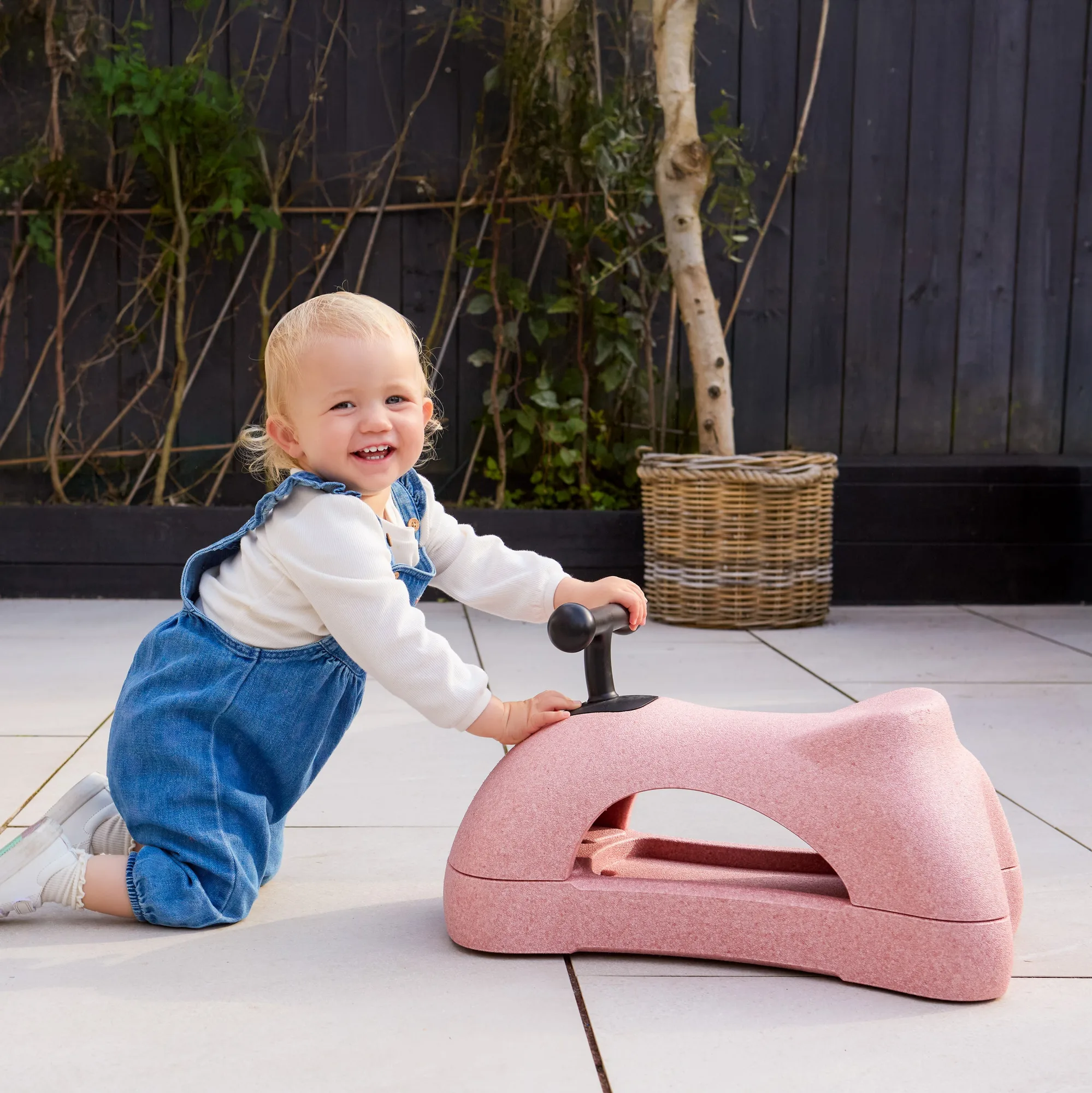
- Boogie Buggy | Pink: A 3-in-1 scooter, walker, and caster board for 12+ months, made of ultra-durable, waterproof EPP foam that is soft on furniture and floors and easy to wipe clean. Waterproof EPP wipes clean instead of trapping moisture, and the 12+ month rating tells you it is designed for a child who is already steady on their feet.
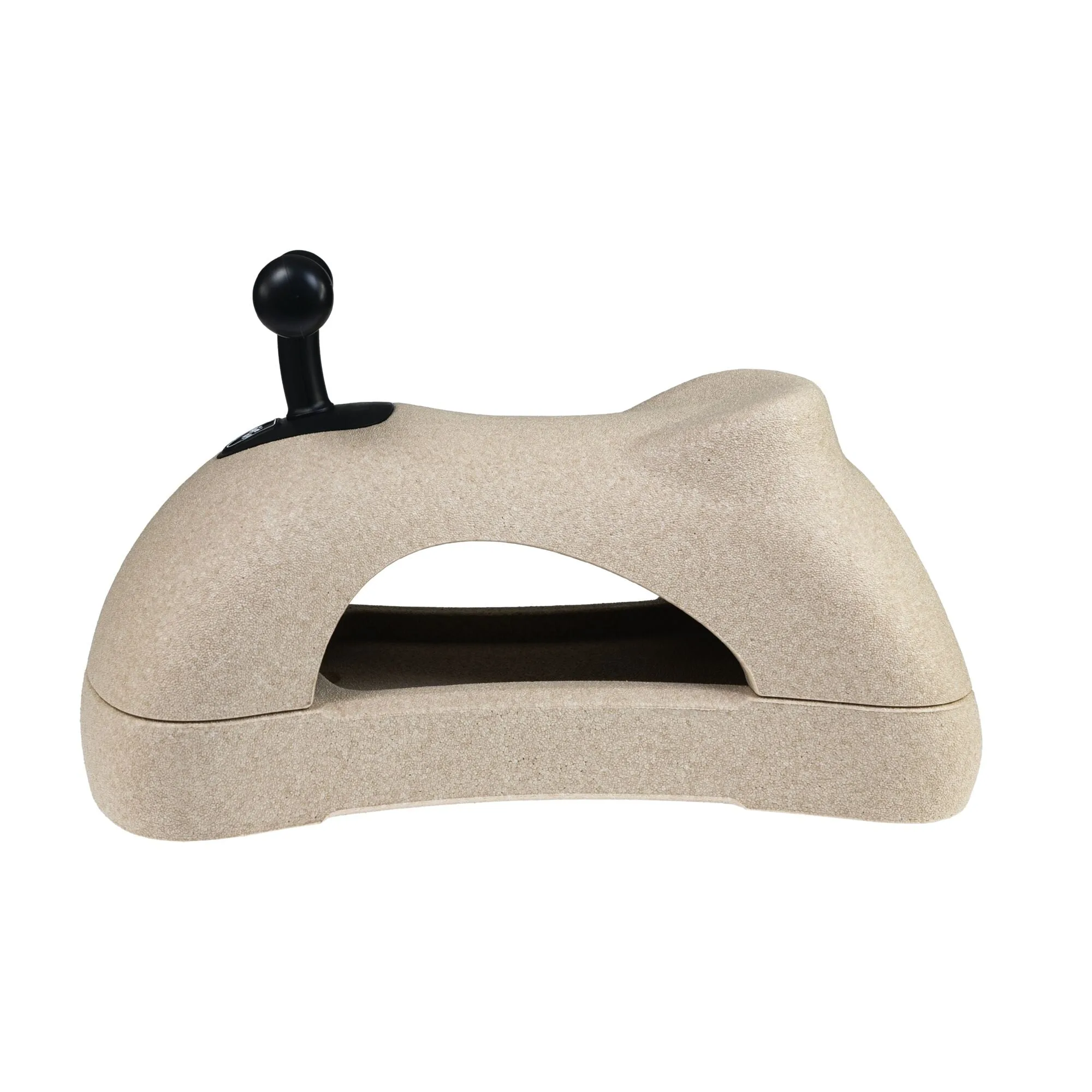
- Boogie Buggy | Beige: Built to grow with your little one from first wobbly steps to hallway laps, lightweight enough to lift and sturdy enough for endless play. A lightweight foam ride-on is easier to move out of the way and inspect, but you still need to check the wheels and frame for looseness as your toddler uses it daily.
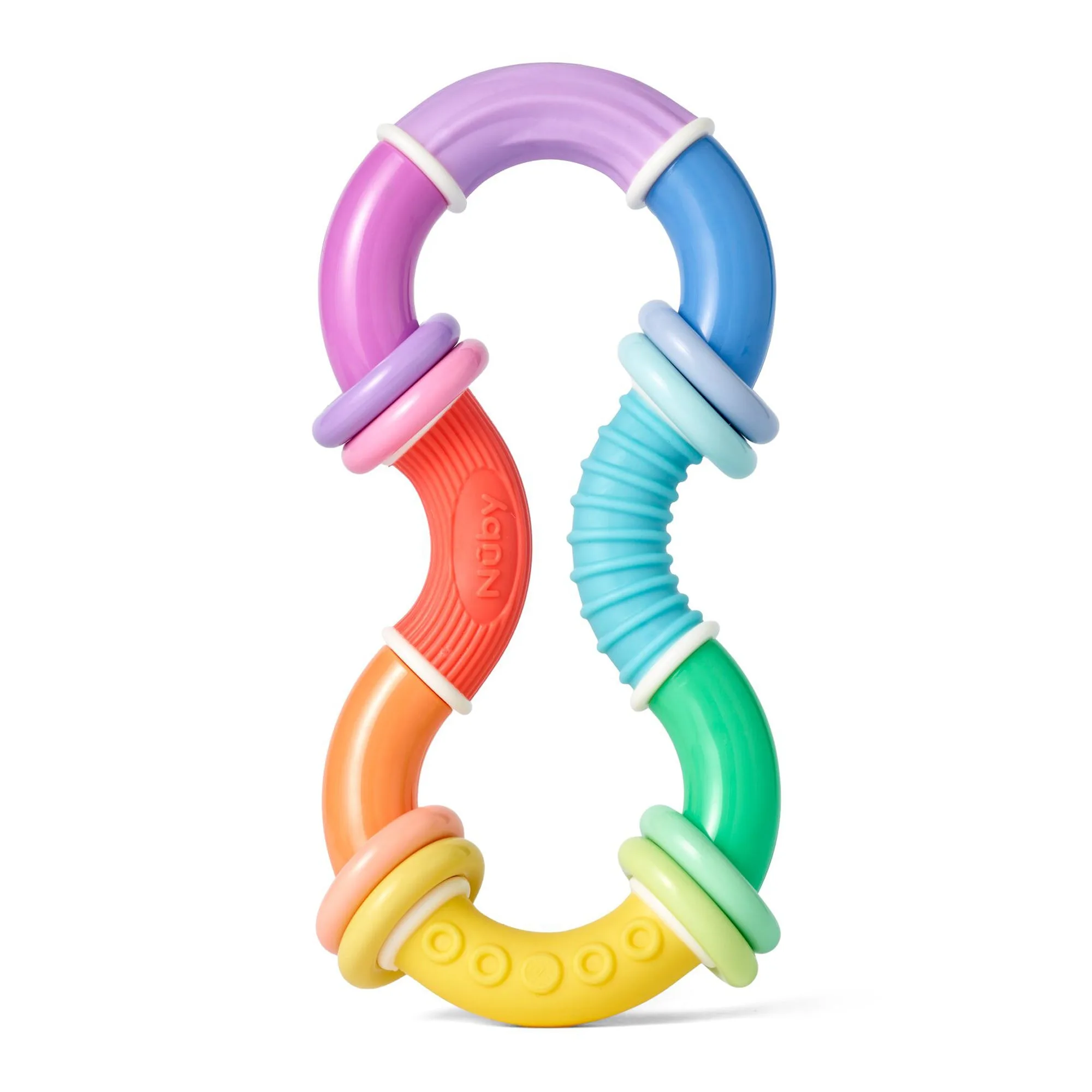
- Twista Rattle Teether Toy | Colorful Rings: A rattle teether with textured surfaces that provide relief, designed to engage fine motor skills and hand-eye coordination. Teethers get chewed hardest, so check the textured surfaces for wear every day and clean them according to the care instructions.
Foam toy safety comes down to a short, repeatable habit: check the material, inspect the seams and surface, keep it dry, and retire anything damaged. Do that, and foam toys stay a soft, practical part of playtime.