Quick Answer
Use a plastic shim when a die isn't cutting through cleanly and you need extra pressure without changing your machine's core setup. Choose foam when you want a soft, forgiving layer for embossing or delicate texture. Pick mount board when you need a firm, stable base for intricate dies or fabric cutting. Most crafters keep all three on hand because each solves a different problem.
If you've ever stared at a die cut that didn't quite separate from the cardstock, you've probably wondered whether you need a foam sheet, a piece of mount board, or a plastic shim. These three layering materials look similar in a stack, but they behave very differently inside a die cutting machine.
This comparison breaks down what each layer actually does, where it shines, and where it falls short. You'll also see how specific Crafter's Companion tools fit into the mix, so you can stop guessing and start cutting with confidence.
What Each Layer Actually Does
Foam sheets for crafts are compressible. They absorb pressure and spring back, which makes them useful when you want a softer impression, like with embossing folders or when you're trying to protect delicate dies. But foam alone won't add the rigid pressure needed to push a blade through thick cardstock or fabric.
Mount board is a rigid, dense board that provides a flat, stable surface. In die cutting, it's often used as a base layer to support intricate dies so they stay level and don't shift. It doesn't compress, so it transfers pressure evenly. That rigidity is helpful for clean cuts, but it can be unforgiving if your die has fine details that need a little give.
Plastic shims are thin, rigid sheets that add a small amount of height to your sandwich. That extra height increases pressure exactly where you need it. A plastic shim die cutting setup is the go-to fix when a die is cutting most of the way but leaving a few stubborn fibers attached.
- Foam = compression and cushioning
- Mount board = stability and even pressure
- Plastic shim = fine-tuned pressure boost
When to Use Foam Sheets for Crafts
Reach for foam when you're embossing rather than cutting, or when you're cutting very thin materials that might tear under too much pressure. Foam is also handy as a soft mat under delicate dies that could bend if forced. Because it compresses, it can help you get a deeper embossed impression without adding a shim.
The trade-off is that foam wears out. Over time it flattens and stops providing the same cushioning, so you'll need to replace it. It also isn't a substitute for a shim when a die genuinely needs more pressure to cut through thick cardstock or fabric.
- Best for embossing folders and delicate dies
- Replace when it stops springing back
Mount Board Uses in Crafts and Die Cutting
Mount board uses crafts extend beyond die cutting—it's a favorite for bookbinding, mixed media, and creating sturdy bases for dimensional projects. In a die cutting sandwich, mount board acts as a firm platform that keeps intricate dies flat and evenly pressed. That makes it a smart choice when you're cutting detailed shapes from cardstock or when you're working with fabric.
The downside is that mount board adds thickness without much compression. If your machine already has a tight clearance, adding mount board can make the sandwich too thick to roll through. It's also not adjustable—you either use a full sheet or cut it down, but you can't fine-tune the pressure the way you can with a shim.
- Great for intricate dies and fabric cutting
- Check your machine's maximum sandwich thickness before adding
Plastic Shim Die Cutting: The Pressure Fix
A plastic shim is the most adjustable layer. You can add one, two, or three shims to dial in the exact pressure your die needs. That's why a die cutting shim guide often recommends starting with one shim and adding more only if the cut isn't clean. Shims are also durable—they don't compress or wear out the way foam does.
The trade-off is that shims don't provide cushioning or stability on their own. They're a pressure tool, not a base layer. Using too many shims can overstress your machine or cause dies to cut into your plates. Always follow your machine's guidelines and add shims gradually.
- Start with one shim, then add more if needed
- Never exceed your machine's recommended sandwich height
How to Choose Based on Your Project
If your die is cutting cleanly but you want a softer embossed look, foam is your layer. If you're cutting intricate shapes and want them to stay flat and even, reach for mount board. If your die is almost cutting through but not quite, a plastic shim is the quickest fix.
Many crafters combine layers: a plastic shim under a mount board for extra pressure, or a foam sheet on top of a shim for cushioning. The key is to understand what each layer contributes so you can build a sandwich that matches your material and die.
- Clean cut but want texture? Foam.
- Intricate die and need stability? Mount board.
- Almost cutting through? Plastic shim.
Trade-Offs at a Glance
- Foam: Adds cushioning and compression, which helps with embossing and delicate dies. But it wears out over time and doesn't add enough pressure for thick materials. Keep spare foam on hand and replace it when it stops springing back.
- Mount Board: Provides a rigid, stable base that keeps intricate dies flat and evenly pressed. However, it adds thickness and isn't adjustable, so it can make a sandwich too thick for some machines. Measure your machine's maximum sandwich height before adding mount board.
- Plastic Shim: Lets you fine-tune pressure by adding one or more thin sheets. It's durable and precise, but it doesn't cushion or stabilize on its own, and too many shims can stress your machine. Add shims one at a time until the cut is clean, then stop.
Tools That Put These Layers to Work
- Crafter's Companion - Essential Tool Kit: Inside the Essentials Craft Tool Kit, you’ll find everything you need to start your papercrafting journey. This kit includes a craft knife, pokey tool, tweezers, 4.5” precision snips, 6” metal cutting ruler and 6” self-healing cutting mat. Having precise cutting tools on hand makes it easier to trim foam, mount board, or shims to the exact size your project needs.
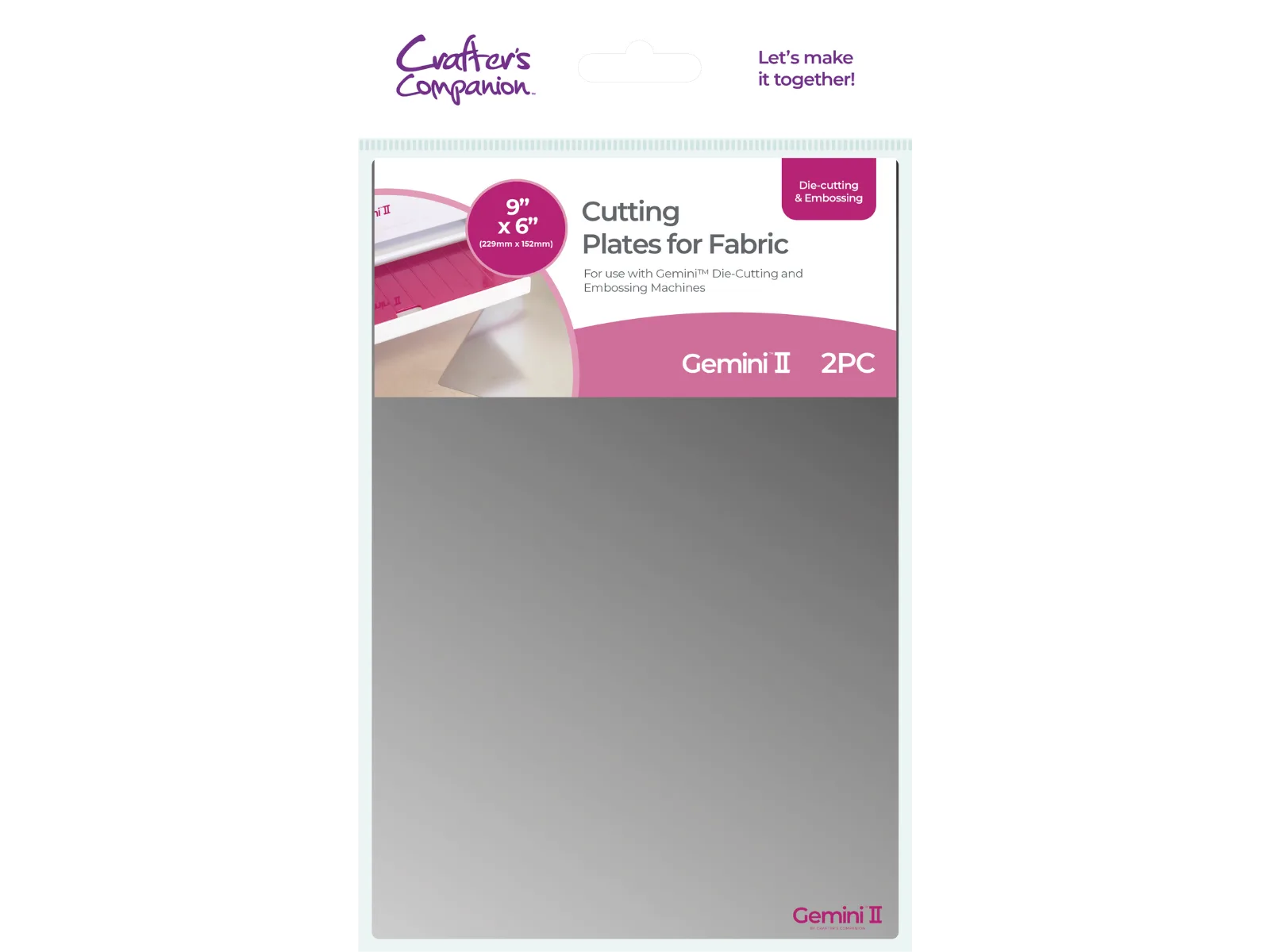
- Gemini II Accessories - 9x6 Cutting Plates for Fabric: Cut multiple layers of fabric at one time with the 9" x 6” Fabric Cutting Plates from Crafter’s Companion. Designed to work with the Gemini ll Die Cutting Machine, these plates are perfect for cutting through multiple layers of fabric at one time, making projects like quilting and patchwork a walk in the park! If you're cutting fabric, these plates are designed for that material, so you may not need to add a shim or mount board to get a clean cut.
- Crafter's Companion - Mask-It Tape (15cm x 10m): This roll of low-tack material is perfect for creating masks and stencils with ease – simply die-cut, cut with scissors or a craft knife, or simply tear it as desired. Mask-It Tape is a low-tack material you can die-cut, which means you can test your foam, mount board, or shim setup on a removable medium before committing to your final project.
Which Layer Should You Reach For?
Best for
- Crafters embossing or cutting delicate materials who want a softer impression (foam)
- Crafters cutting intricate dies or fabric who need a stable, even base (mount board)
- Crafters whose die is almost cutting through and needs a precise pressure boost (plastic shim)
Not for
- Anyone who needs a durable, long-lasting layer—foam will eventually flatten
- Crafters with a machine that has tight clearance—mount board may be too thick
- Beginners who haven't checked their machine's sandwich guidelines—too many shims can cause damage
Foam, mount board, and plastic shims each solve a different die cutting problem. Start with the layer that matches your goal—cushioning, stability, or pressure—and adjust from there. With a little experimentation, you'll know exactly which layer to grab every time.