Quick Answer
For allergy-friendly cooking, focus on whole, real foods and simple substitutions. Food Babe Kitchen offers a practical starting point with quick, real-food recipes that can be easily adapted to avoid common allergens.
Why Real Food Helps with Allergies
Processed foods often hide allergens like soy, gluten, and dairy in unexpected places. By cooking from scratch with whole ingredients, you control exactly what goes into your meals, reducing the risk of accidental exposure.
Food Babe Kitchen emphasizes quick, easy, real-food recipes that make cooking fun and healthy. This approach naturally supports allergy-friendly cooking because it focuses on fresh ingredients rather than packaged products.
The Challenge of Substitutions
Substituting allergens in recipes can be tricky because different allergens affect texture and flavor in different ways. For example, replacing eggs in baking isn't always a one-to-one swap, and gluten-free flours behave differently than wheat flour.
The key is to start with simple recipes and make one substitution at a time. This way, you can see how each change affects the final dish and adjust accordingly.
Common Allergy-Friendly Cooking Questions
How do I adapt a recipe to be allergy-friendly?
Identify the allergen in the recipe and choose a suitable substitute. For dairy, use plant-based milks or oils; for eggs, try flax eggs or applesauce; for gluten, use a gluten-free flour blend. Start with simple recipes and test one substitution at a time. Keep a list of your go-to substitutions for quick reference.
How can I avoid cross-contamination in my kitchen?
Use separate cutting boards, utensils, and cookware for allergen-free cooking. Clean all surfaces thoroughly before preparing food, and clearly label containers to avoid mix-ups. Consider using color-coded tools for different allergens. Designate a specific drawer or shelf for allergy-friendly tools and ingredients.
What are some easy allergy-friendly meal ideas?
Focus on simple meals like grilled protein with roasted vegetables, stir-fries with rice noodles, or hearty salads with beans and seeds. These dishes are naturally free of many common allergens and easy to customize. Plan a few go-to meals that you know are safe and quick to prepare.
How do I know if a packaged food is truly allergen-free?
Always read the full ingredient list, not just the allergen statement. Look for hidden sources of allergens like 'natural flavors' or 'spices' which can contain allergens. When in doubt, contact the manufacturer or choose whole foods instead. When possible, cook from scratch to avoid hidden allergens in packaged products.
Can I still eat out with allergies?
Yes, but you need to communicate clearly. Call ahead to ask about their allergy protocols, speak directly with the chef or manager, and always carry your own safe snacks as a backup. Choose restaurants that are known for accommodating allergies. Always have a backup plan when dining out, such as a safe snack or a list of nearby allergy-friendly restaurants.
A Helpful Resource
-
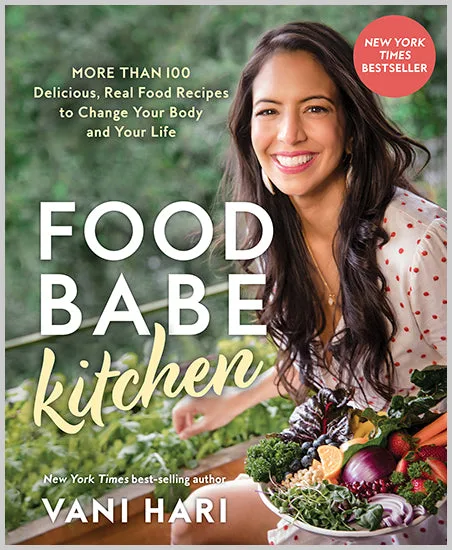
Food Babe Kitchen: Food Babe Kitchen is a New York Times best-selling cookbook by food activist Vani Hari, offering quick, easy, real-food recipes that make cooking fun, healthy, and delicious. Its focus on real, whole foods gives you a solid base for allergy-friendly cooking, with simple recipes you can adapt to your specific dietary needs.
Food Babe Kitchen