Quick answer
Most insulated food canisters hold between 8 and 32 ounces. For a full lunch of soup or leftovers, choose 16 to 25 ounces; for kids or small snacks, 8 to 12 ounces is enough. If you need to carry both food and a drink, a bundle with a separate water bottle often works better than one oversized canister.
How canister capacity maps to real meals
Capacity in ounces is a volume measure, not a guarantee of how much food fits. A 16-ounce canister holds about two cups of liquid, which is a generous bowl of soup or a standard leftovers portion. Thick stews, pasta, and grain bowls take up more space per ounce because they don't settle flat. If you pack dense foods, size up by about 25 percent compared with a soup-only estimate.
For kids, an 8 to 12-ounce canister matches a small appetite and fits easily in a lunch bag. For adults at work, 16 to 25 ounces covers most single meals without being bulky. Anything above 25 ounces starts to feel heavy when full and may not fit upright in a standard lunch tote.
Canister shape and opening affect usable space
A wide opening makes it easier to fill, eat from, and clean, but it can also let heat escape faster if the lid isn't insulated. Narrow canisters hold heat well but are harder to spoon into. Look for a canister whose opening is at least as wide as your spoon or you'll end up eating in layers.
Stackable or nesting shapes save cabinet space but often have tapered interiors that reduce usable volume. If you plan to pack sandwiches, cut fruit, or dry snacks alongside a hot main, a wider, shorter canister lets you separate items with a silicone cup or reusable wrap.
Food canister vs thermos: which one you actually need
A thermos is designed for liquids and usually has a narrow neck and a cup lid. A food canister is built for solid or semi-solid food with a wider mouth and sometimes a folding spoon. If your lunch is mostly soup or smoothies, a thermos works. If you pack rice, pasta, or leftovers, a canister is easier to fill and eat from.
Some people buy both, but that adds cost and clutter. A single well-chosen canister in the 16 to 20-ounce range can handle soup on Monday and leftovers on Tuesday. The trade-off is that very thin liquids may be harder to eat from a wide canister without spilling, so a small travel bowl or a steady surface helps.
Insulation and lid design matter more than size alone
Double-wall vacuum insulation keeps hot food hot for hours, but the lid is often the weak point. A lid with a tight gasket and fewer seams holds temperature better and is less likely to leak in a bag. If you carry your canister in a backpack, test it with water before trusting it with soup.
Dishwasher-safe canisters save time, but hand washing the lid gasket extends its life. If the gasket is removable, take it out weekly to prevent odors. For kids, a canister that's easy to open without help is more important than a few extra ounces of capacity.
Decision rules for picking a food canister size
- Rule 1: Match ounces to meal type: Use 8–12 oz for kids or snacks, 16–20 oz for a standard adult soup or leftovers lunch, and 25–32 oz only if you regularly eat large portions or share. If you are between sizes, size up for dense foods and size down for soup.
- Rule 2: Choose opening width by food: Pick a wide mouth for solid foods you spoon out; pick a narrower opening for liquids you pour or sip. A wide canister with a poorly sealing lid is a bad trade for soup. Test the lid with water before relying on it for hot soup in a bag.
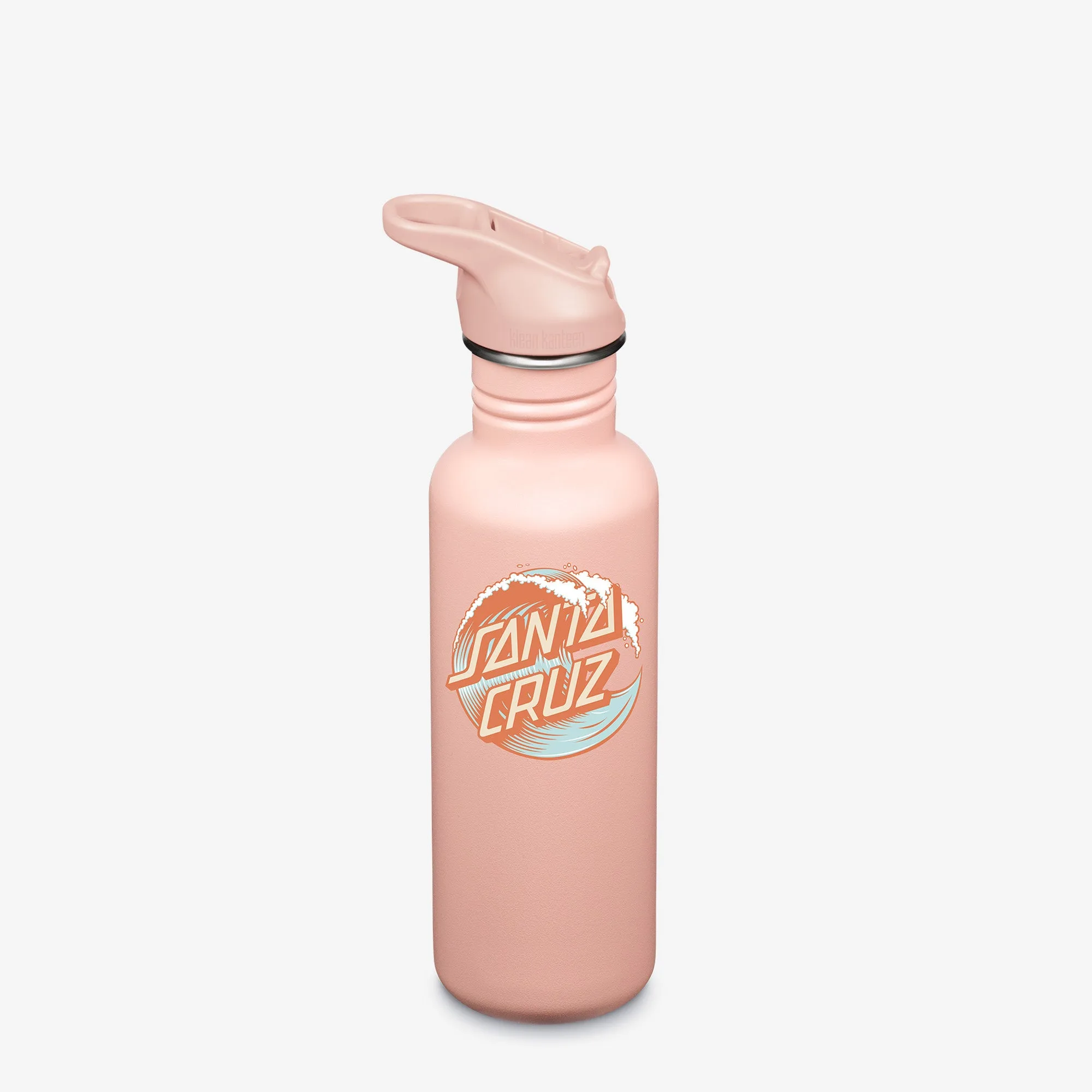
- Rule 3: Separate food and drink when possible: A dedicated water bottle plus a moderate canister usually beats one huge container. Bundles that pair a kids cup with a 12oz bottle keep drink and food organized. If you need both hot food and cold water, two containers are easier to manage than one.
Products that fit these size rules
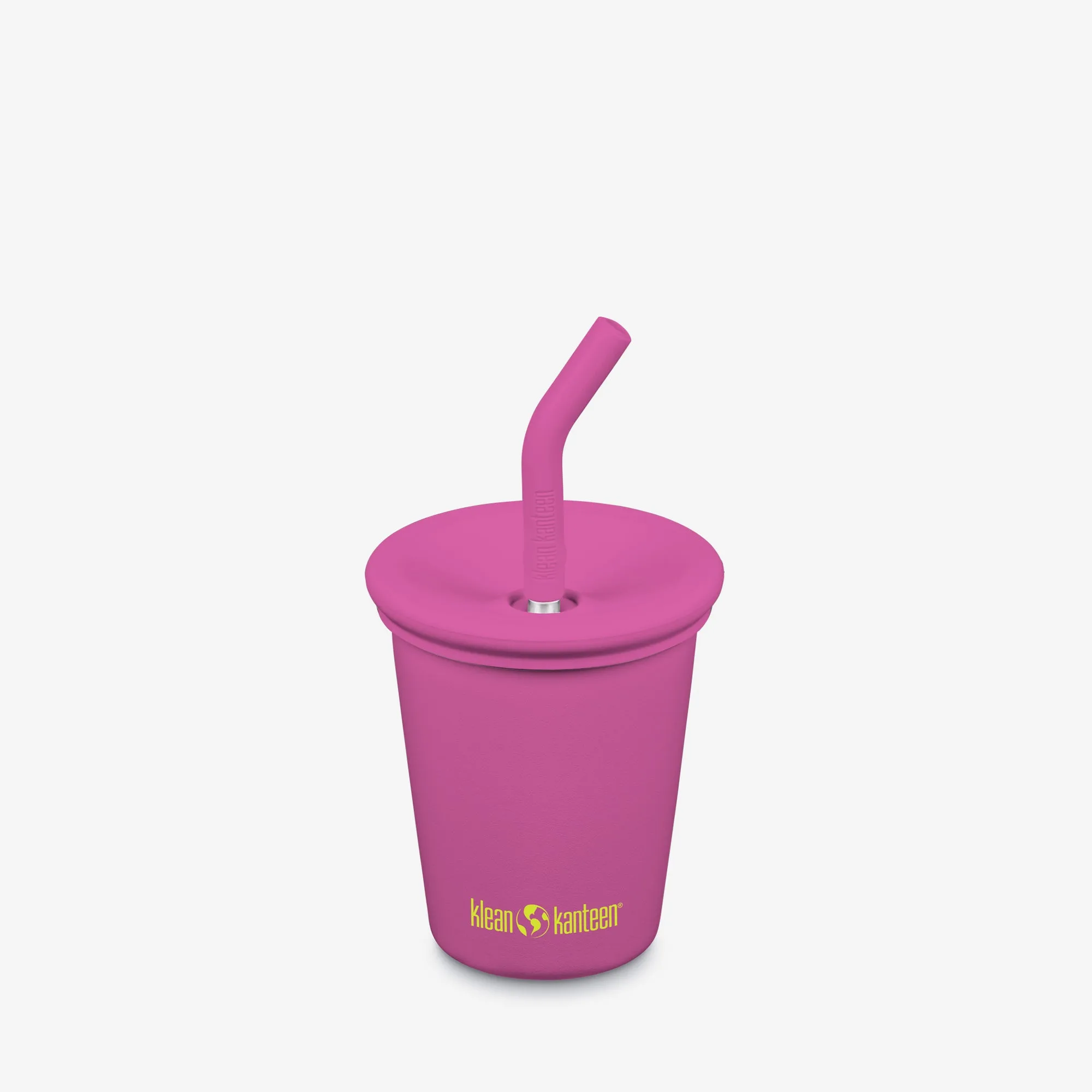
- 10oz Kid's Cup with Straw Lid: 10oz Kid's Cup with Straw Lid is easy for small hands to hold, fits in most stroller and car seat cup holders, and comes with a splash-proof Straw Lid and matching reusable straw. A 10-ounce size is a good benchmark for a young child's snack or small drink, and the cup-holder fit makes it practical for strollers and car seats.
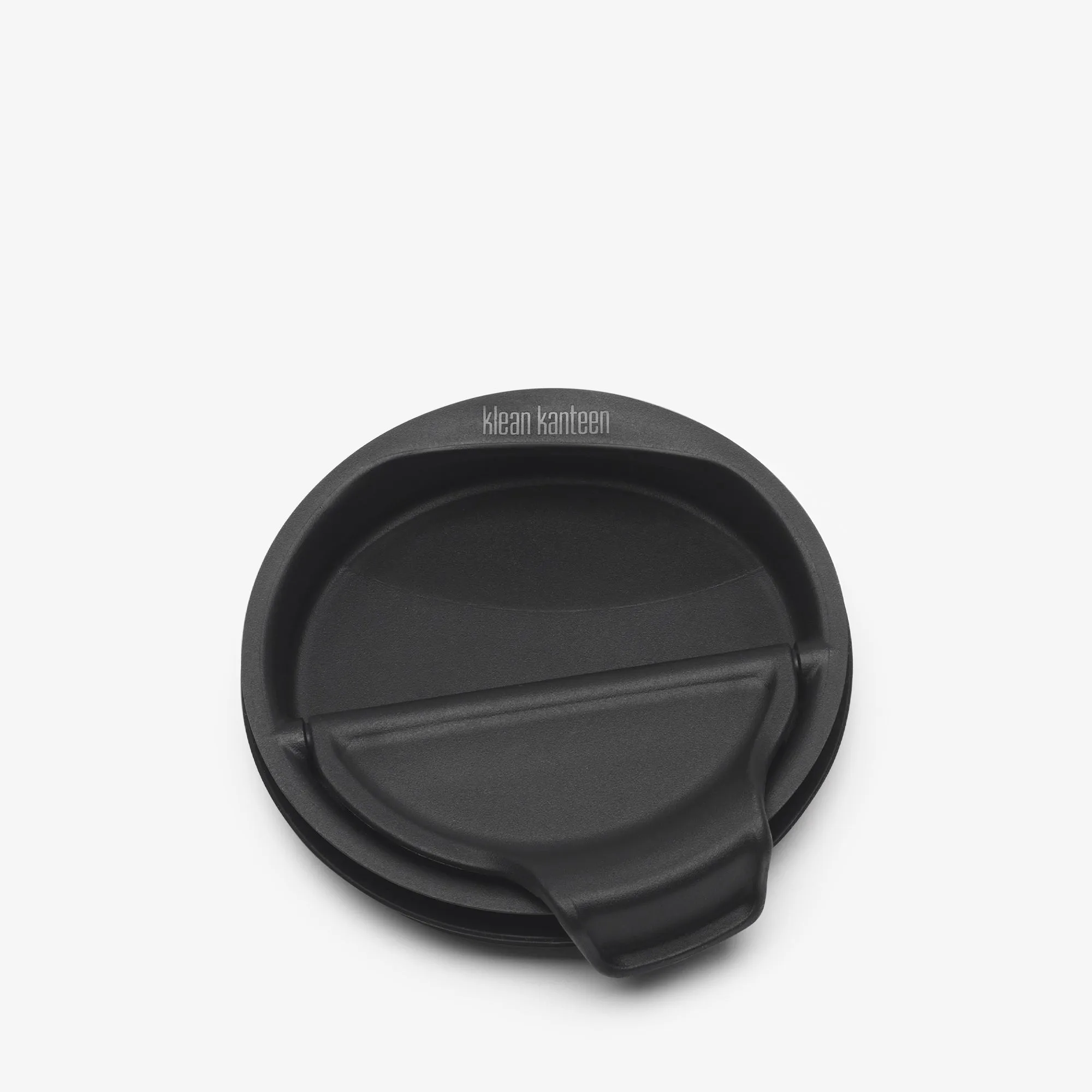
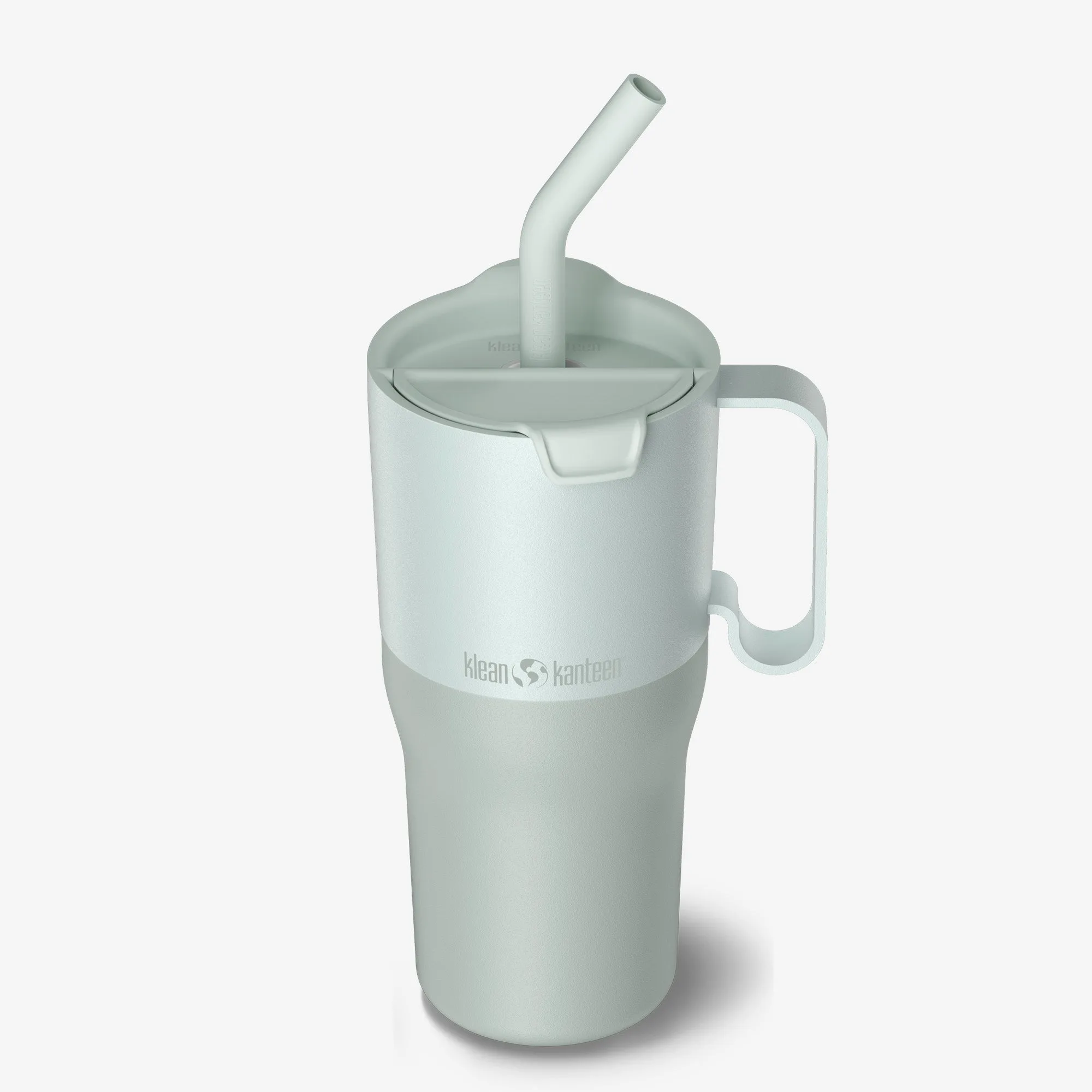
- 26oz Rise Tumbler with Straw Lid: 26oz Rise Tumbler with Straw Lid has a sturdy handle and dual-function Flip Lid with Straw, is cup-holder friendly, and is dishwasher safe. At 26 ounces, this tumbler is a larger capacity option for adults who want one container for a long workday, though it is designed for drinks rather than solid food.
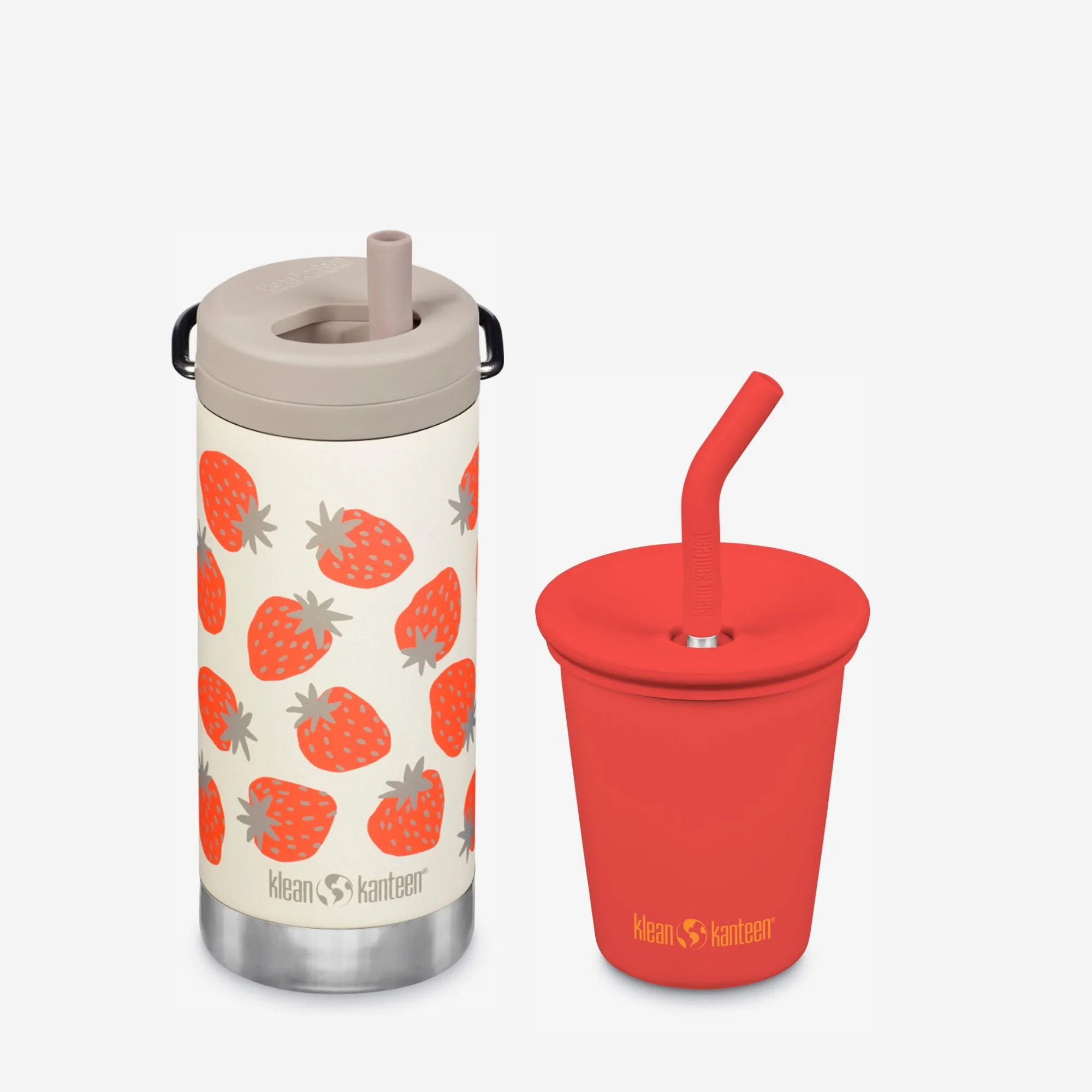
- Kid's Sippy Cup and Wide Water Bottle Set: Kid's Sippy Cup and Wide Water Bottle Set includes a 10oz Kids Cup with Straw Lid and a 12oz TKWide Insulated Water Bottle with leak proof Twist Cap with built-in reusable steel straw. This bundle separates food and drink containers, which is often more practical than asking one canister to do both, especially for kids' lunches.
Who each size is best for
Best for
- Adults packing soup or leftovers for work who want a 16–20 oz canister
- Parents packing small lunches for kids who need an 8–12 oz container
- Anyone who wants a separate drink container alongside a food canister
Not for
- People who need to carry both a full meal and a large drink in one container
- Users who mostly pack thin liquids and prefer a narrow-neck thermos
- Those who want a single container for a family-sized portion