Quick answer
Containers keep food fresher longer for most storage because they create a full seal that blocks air and holds in moisture. Covers win for short-term covering of bowls, cut produce, and odd-shaped dishes you already own. The best food storage solution is usually a mix: containers for leftovers and meal prep, covers for quick, temporary protection.
How each option actually protects food
Containers enclose food on all sides. A lid plus walls limit airflow and slow moisture loss, which is why leftovers, cut fruit, and grains hold up better in them. Covers sit on top of a bowl or plate and block air from above, but the seal depends on the rim and the stretch of the cover. That makes covers great for a few hours or overnight, less reliable for several days.
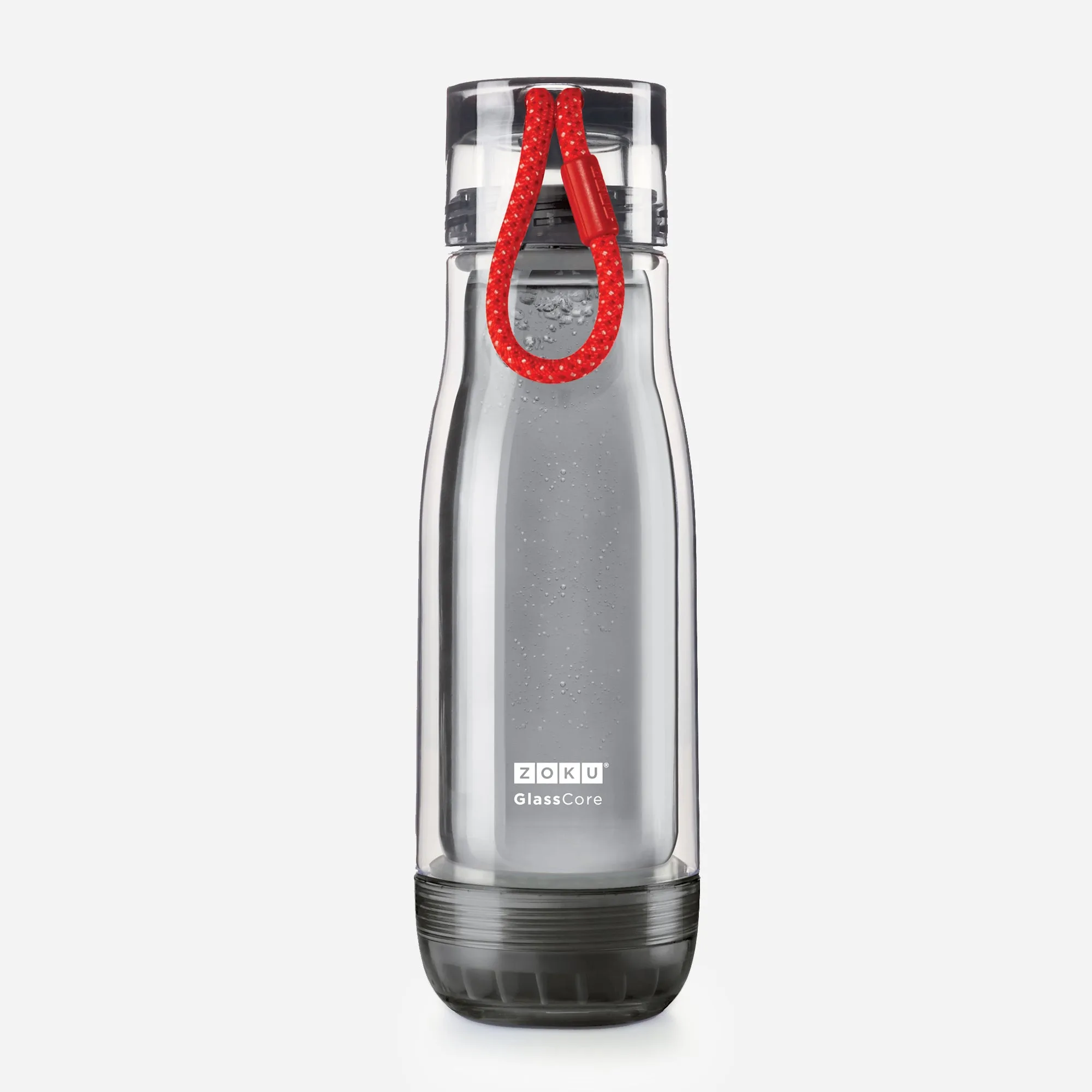
The material matters too. Glass containers, like the ZOKU 16oz Glass Core Bottle with its borosilicate glass core, do not retain flavors, so yesterday's soup does not taste like today's smoothie. Plastic or silicone covers are lightweight and flexible but can pick up odors over time if not washed promptly.
Space, stacking, and fridge efficiency
Containers take up fixed space and often do not stack well unless designed to nest. Covers are flat and flexible, so they store in a drawer and let you use bowls you already have. If your fridge is tight, covers reduce the number of bulky vessels you need.
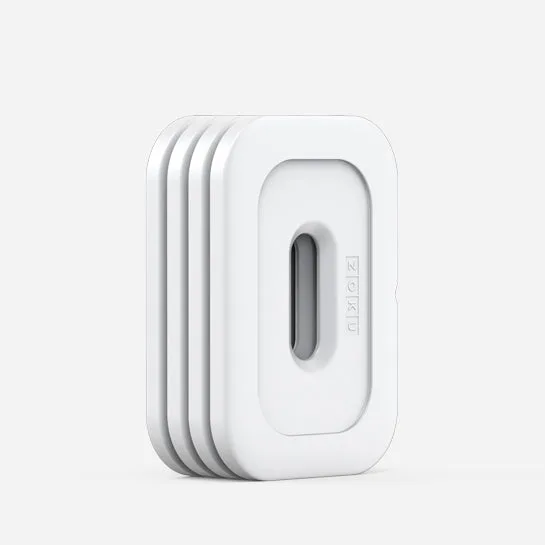
However, containers with a slim profile can be surprisingly efficient. The ZOKU 4 Piece Neat Stack Freezer Pack is designed to fit the 3, 4, and 5-cup Neat Stack containers, and its slim design does not take up space, allowing for more food storage while keeping meals chilled. That combination of container plus freezer pack can replace several loose bowls and ice packs.
Cleaning, durability, and long-term cost
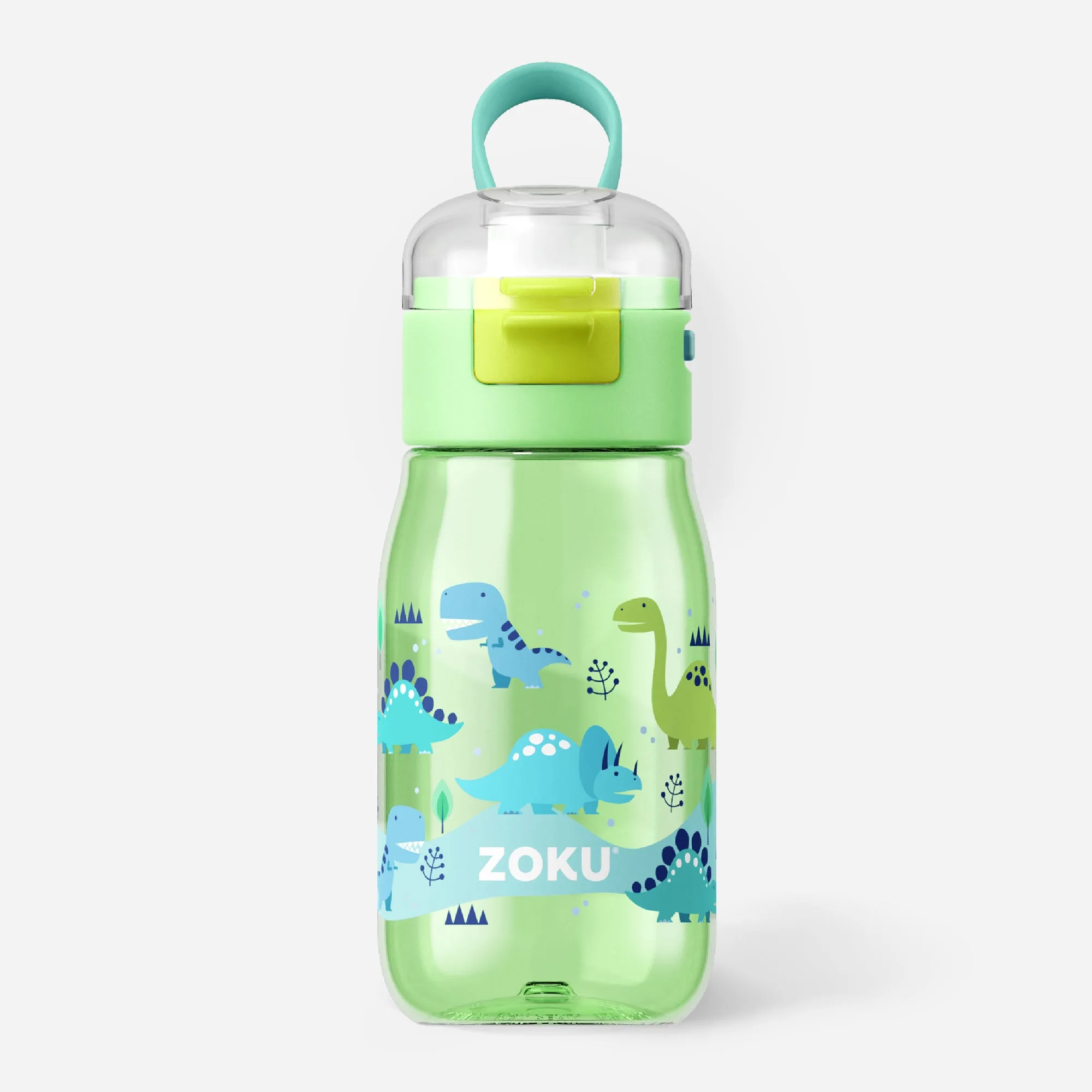
Covers are quick to rinse but can tear or lose elasticity. Containers need more scrubbing, especially around seals, but last for years. Fewer parts generally means fewer places for gunk to hide, which is why simple designs like the ZOKU Kids Flip Gulp Bottle are easy to clean. The same principle applies to storage: simpler lids and smooth interiors are easier to maintain.
Upfront cost is usually lower for a set of covers, but if you replace them often, containers can be cheaper per year. Choose based on how often you store food and how rough you are on gear.
When covers beat containers
Covers are the better pick for a half-used onion, a bowl of rising dough, or a plate of leftovers you will eat within a day. They also work on non-standard shapes that no container fits. If you mostly store short-term and want to use your existing dishes, covers are the practical choice.
They are also lighter for lunch bags and picnics where you do not want to carry a heavy container home.
Trade-offs at a glance
- Seal and freshness: Containers create a full seal that blocks air and holds moisture, so food stays fresh longer. Covers block air from the top only, so the rim and stretch determine how well they seal. For multi-day storage, containers are the safer bet.
- Space and flexibility: Covers are flat, stackable, and fit odd shapes. Containers take fixed space but protect food on all sides and can be stacked if designed to nest. Choose covers for tight drawers and irregular dishes; containers for structured stacking.
- Cleaning and longevity: Covers rinse fast but can tear or lose elasticity. Containers need more scrubbing but last for years, especially with simple lids and smooth interiors. If you hate scrubbing, pick covers; if you want durability, pick containers.
- Cost over time: Covers cost less upfront but may need replacing. Containers cost more initially but often work out cheaper per year if you use them often. Track how often you replace covers to see which is truly cheaper for you.
Products that fit this comparison
- 4 Piece Neat Stack Freezer Pack: The universal Neat Stack freezer packs fit each of the 3, 4, and 5-cup containers; the slim design does not take up space and keeps meals chilled. Pairs with Neat Stack containers to extend freshness for packed lunches and make-ahead meals without bulky ice packs.
- 16oz Grey Glass Core Bottle - Red: Double-wall design with a pure borosilicate glass core keeps drinks tasting fresh without retaining flavors; leak-proof 1/4-turn locking cap and glass mouthpiece for plastic-free sipping. A reusable bottle that resists flavor transfer, so it works for both hot and cold drinks without lingering tastes.
- Kids Flip Gulp Bottle - Green Dino: Button-activated, fully covered high-flow mouthpiece; fewer parts mean fewer places for gunk to hide; soft-touch carrying loop folds down for lunch bags or backpacks. Easy to clean and pack, making it a good hydration companion when you are already carrying containers or covers.
Which should you choose?
Best for
- Meal preppers and leftover keepers who need multi-day freshness
- Anyone storing soups, grains, or cut fruit that dries out quickly
- Households that want stackable, leak-resistant storage
Not for
- Covering a bowl of rising dough or a half-used onion for a few hours
- People with very limited drawer space who want flat, flexible storage
- Those who mainly store food for less than a day and want to use existing dishes