Quick Answer
If you carry a rifle, a magazine pouch belongs on your belt first because it protects your primary reload. A frag pouch is the better belt choice when you need a lightweight, fast-access pouch for a grenade, a small medical item, or other bulky gear that does not fit a magazine slot. Many shooters run both, but the Frag Pouch from Haley Strategic Partners is the more flexible of the two when your loadout changes often.
What Each Pouch Is Actually Built to Hold
A magazine pouch is shaped around a single job: holding a rifle or pistol magazine so the feed lips stay protected and the magazine indexes the same way every time you reach for it. Its interior dimensions, retention, and opening are all tuned to that rectangular footprint.
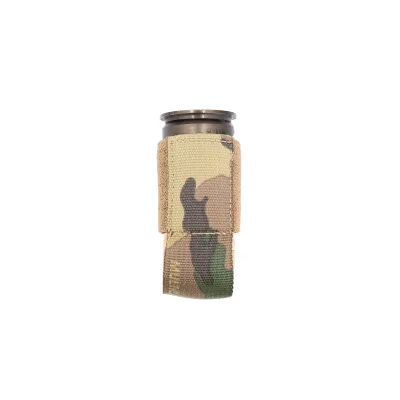
A frag pouch is built around a different footprint. The Haley Strategic Partners Frag Pouch uses premium materials to form a lightweight, durable pouch that does not sacrifice speed or retention on deployment. That combination matters when the item you are carrying is rounder, bulkier, or heavier than a magazine, because the pouch has to hold it securely without slowing your access.
Why the Frag Pouch Is the More Versatile Belt Option
The case for the Frag Pouch on a belt setup is that it is not locked into one payload. Because it is designed for fast deployment and positive retention rather than a magazine-shaped interior, it can hold a fragmentation grenade, a smoke canister, a compact trauma item, or another piece of gear that will not sit correctly in a magazine pouch.
That flexibility is the real trade-off. A dedicated magazine pouch will generally index a magazine more consistently because it was cut for exactly that shape. The Frag Pouch gives up some of that specialization in exchange for being able to carry whatever your current task requires.
When Medical Gear Changes the Answer
If your belt is also your first-line trauma access, the pouch question gets more specific. A frag pouch can hold a compact medical item, but it is not a substitute for a purpose-built kit. The Improved Trauma Response Kit was developed in collaboration with Special Operations Aid and Rescue (SOARescue), and it is the item to reach for when you want a defined trauma loadout rather than an open pouch you fill yourself.
The practical split is this: use the Frag Pouch for a single item you need to grab fast, and use a dedicated kit when you need a known, complete set of supplies. Mixing the two roles in one pouch usually means you carry neither well.
Belt Space and Placement
Belt real estate is finite, so decide the order of priority before you buy. Rifle magazine retention comes first for most carbine setups, then a medical or utility pouch, then specialty items. If you only have room for one extra pouch, the Frag Pouch covers more scenarios because it is not tied to a single magazine pattern.
Placement follows the same logic. Keep the pouch you need to access under stress on your support side or front, and keep it clear of holster and sling paths. Test the position with the pouch loaded, not empty, because a full pouch sits differently on the belt.
Trade-Offs at a Glance
- Payload flexibility: The Frag Pouch is not cut for one item shape, so it can hold a grenade, a smoke canister, or a compact medical item. A magazine pouch holds a magazine and little else. Choose the Frag Pouch if your loadout changes; choose a magazine pouch if it does not.
- Retention and indexing: A dedicated magazine pouch is shaped for consistent magazine indexing. The Frag Pouch prioritizes speed and retention on deployment rather than magazine-specific fit. If fast, repeatable reloads are the priority, keep a magazine pouch in that slot.
- Weight and bulk: The Frag Pouch is built to be lightweight and durable without giving up deployment speed, which matters when it shares belt space with a holster and other gear. Weigh the loaded pouch, not the empty one, before you commit to placement.
Product Facts
- Frag Pouch: The Frag Grenade Pouch uses premium materials to form the most lightweight, durable frag pouch that doesn't sacrifice speed or retention upon deployment. Light weight and fast deployment are the two things that make this pouch work on a belt where every ounce and every second counts.
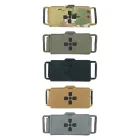
- Improved Trauma Response Kit: The ITRK (Improved Trauma Response Kit) was developed in collaboration with Special Operations Aid and Rescue (SOARescue). If your goal is a defined trauma loadout rather than an open utility pouch, this is the purpose-built option instead of filling a frag pouch yourself.
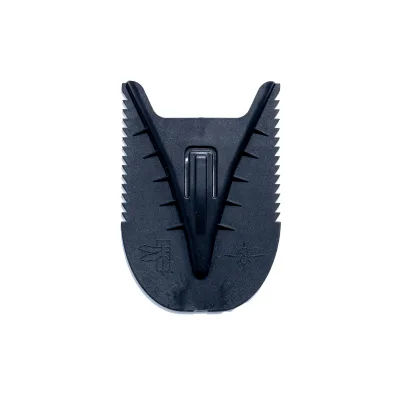
- Snake Doctor® Sheath: The Snake Doctor Sheath is a practical everyday carry accessory from Haley Strategic Partners, designed to keep your gear secure and accessible. A low-cost way to keep a specific tool secure and accessible when you do not want to dedicate a full belt pouch to it.
Which One Belongs on Your Belt
Choose the Frag Pouch if you
- carry a grenade, smoke, or bulky item that will not fit a magazine pouch
- want one belt pouch that adapts as your loadout changes
- need fast access with retention rather than magazine-specific indexing
Choose a magazine pouch or a dedicated kit instead if you
- need consistent, repeatable rifle magazine reloads as your first priority
- want a complete, defined trauma loadout rather than an open utility pouch
- run a fixed loadout where every pouch has one permanent job