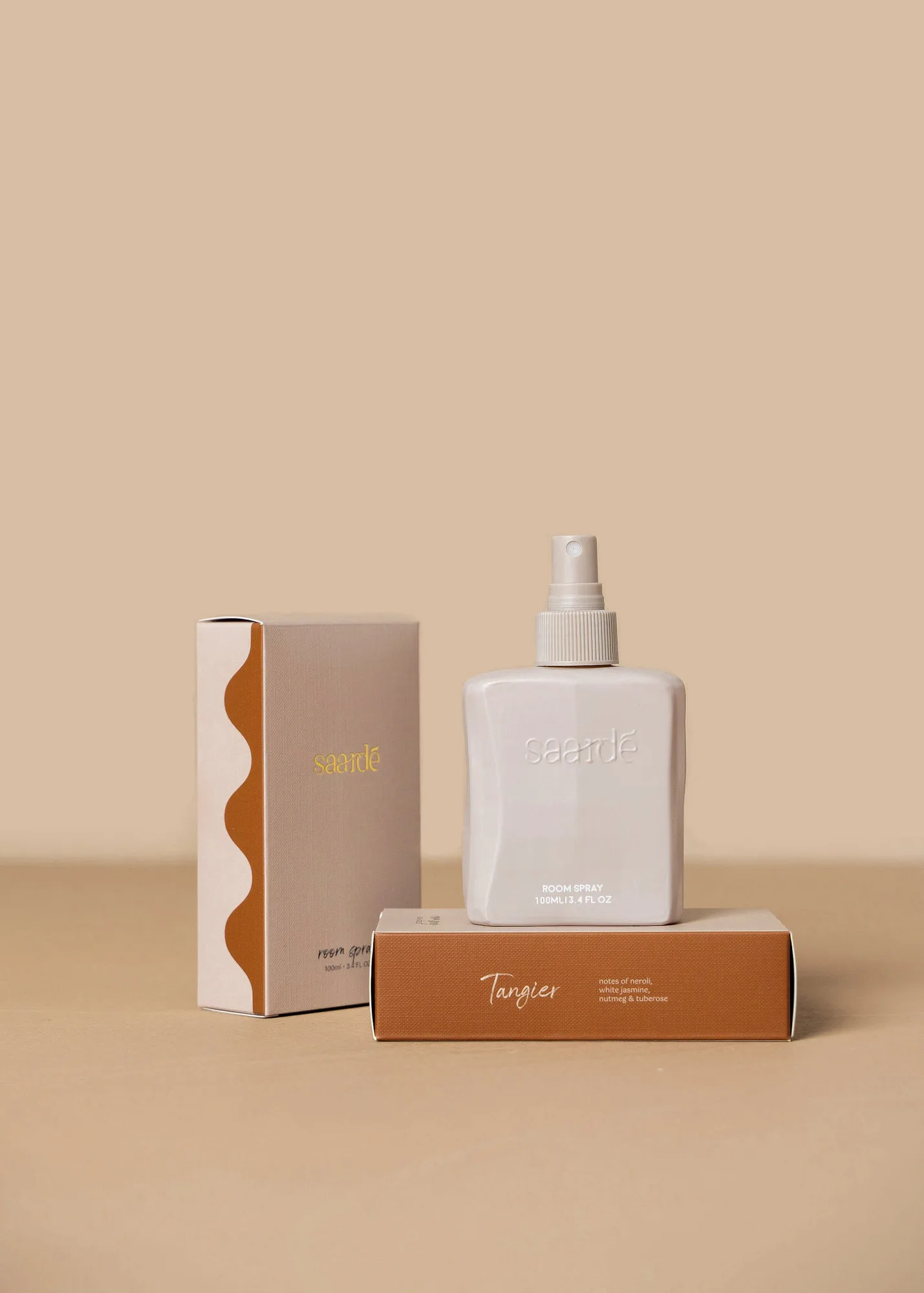
Have you ever spritzed a perfume or lit a scented candle and wondered why the smell seems to change after a few minutes? That’s the magic of fragrance notes at work. Understanding these layers can transform the way you shop for personal fragrances and home scents, helping you make choices that last and delight.
In this beginner-friendly guide, we’ll break down the structure of fragrance notes, explore popular fragrance families, and show you how to apply this knowledge when selecting perfumes, room sprays, and other scented products. Whether you’re a complete novice or looking to refine your scent vocabulary, this guide will help you feel confident next time you browse a fragrance counter or online store.
What Are Fragrance Notes? The Three-Layer Structure
Fragrance notes are the individual scents that combine to create a perfume or scented product. They are typically arranged in three layers: top notes, heart (or middle) notes, and base notes. Together, they form what perfumers call a fragrance pyramid. The top notes are the first impression — light, volatile, and often citrusy or herbal. They evaporate quickly, usually within 15 to 30 minutes, making way for the heart notes.
Heart notes form the core of the fragrance, emerging after the top notes fade. They are more rounded and persistent, often floral, spicy, or fruity. Finally, base notes are the foundation — rich, heavy, and long-lasting. They include scents like vanilla, musk, sandalwood, and amber. When you smell a perfume hours after application, you’re mostly experiencing the base notes. Understanding this pyramid helps you predict how a scent will evolve on your skin or in your home.
- Top notes: citrus, light fruits, herbs (e.g., bergamot, lemon, lavender)
- Heart notes: florals, spices, soft fruits (e.g., rose, jasmine, cinnamon)
- Base notes: woods, resins, musks (e.g., cedarwood, patchouli, vanilla)
Fragrance Families: A Quick Tour
Fragrances are grouped into families based on their dominant characteristics. The main families include floral, oriental, woody, fresh, and gourmand. Floral scents are romantic and feminine, with notes like rose, jasmine, and lily. Oriental fragrances are warm and exotic, featuring amber, vanilla, and spices. Woody scents are earthy and grounded, often built around sandalwood, cedar, and vetiver.
Fresh fragrances are clean and invigorating, with citrus, aquatic, or green notes. Gourmand scents smell edible — think vanilla, chocolate, caramel, and coffee. Many modern perfumes blend multiple families. For example, a fresh floral might combine citrus top notes with a floral heart and a woody base. Knowing which family appeals to you makes it easier to narrow down choices when shopping for personal or home scents.
- Floral: rose, jasmine, lily of the valley
- Oriental: amber, vanilla, incense, spices
- Woody: sandalwood, cedar, patchouli, vetiver
- Fresh: citrus, green, aquatic, ozonic
- Gourmand: chocolate, caramel, coffee, honey
How to Choose Home Scents Based on Fragrance Notes
The same principles of fragrance notes apply to home scents like candles, room sprays, and diffusers. When selecting a product for your living space, consider the mood you want to create. For a calming bedroom, look for base notes like lavender, chamomile, or sandalwood. For an energizing kitchen or home office, top notes of citrus or mint can be uplifting.
Room sprays and candles often feature simpler pyramids than perfumes, but they still have layers. A well-crafted room spray might open with a bright top note, then settle into a warm base. When layering scents at home — for example, using a candle in one room and a room spray in another — choose complementary families. Woody and fresh scents pair beautifully, while floral and gourmand can clash. Always test a new scent in your space before committing to a large size.
- For relaxation: lavender, chamomile, sandalwood
- For energy: citrus, peppermint, eucalyptus
- For warmth: vanilla, cinnamon, amber
- For freshness: linen, cucumber, green tea
Scent Layering: A Pro Trick for Personal Fragrance
Scent layering is the art of combining multiple products — like body wash, lotion, and perfume — to create a unique, long-lasting signature scent. The key is to start with a base that has similar notes to your chosen perfume. For example, if you love a vanilla-based perfume, use a vanilla-scented body lotion as a foundation. This helps the fragrance last longer and smell richer.
You can also layer two different perfumes or a perfume with a home scent. For instance, a fresh citrus perfume can be layered over a woody base for an unexpected twist. When layering, stick to two or three products maximum, and ensure they share at least one common note. Avoid competing families like floral and gourmand unless you’re experienced. Practice on a weekend when you have time to experiment and observe how the scents evolve.
- Start with an unscented or matching body lotion
- Apply perfume to pulse points after moisturizing
- Use a matching room spray to extend the scent into your space
- Test combinations on a scent strip before applying to skin
How to Read a Fragrance Label Like a Pro
Perfume and home scent labels often list notes in order of prominence. The first few notes are usually the top notes, followed by heart and base notes. However, some brands list them in alphabetical order or by concentration. Look for terms like 'eau de parfum' (higher concentration, longer lasting) vs. 'eau de toilette' (lighter, shorter lasting). For home scents, check if the product uses natural essential oils or synthetic fragrances — natural oils tend to be more subtle and complex.
Also pay attention to the fragrance family descriptors on the packaging. Words like 'fresh', 'woody', or 'floral' give you a quick clue. Some brands include a scent pyramid diagram. If you’re shopping online, read customer reviews that mention longevity and how the scent changes over time. This can help you decide if a particular fragrance is right for you before you buy.
- Check the concentration: Eau de Parfum (EDP) lasts 4-6 hours, Eau de Toilette (EDT) 2-4 hours
- Look for natural essential oils for a more nuanced home scent
- Read reviews for real-world descriptions of how the scent evolves
Common Mistakes Beginners Make (And How to Avoid Them)
One of the biggest mistakes is testing a fragrance on a paper strip and making a snap decision. Always test on your skin because body chemistry changes how a scent smells. Another error is over-spraying — two to three spritzes on pulse points are usually enough. For home scents, don’t place candles or diffusers in direct sunlight or near air vents, as heat and airflow can distort the scent.
Beginners also tend to buy full-size bottles without trying a sample first. Many brands offer discovery sets or travel sizes. Finally, avoid storing perfumes in the bathroom where humidity and temperature fluctuations can degrade the fragrance. Keep them in a cool, dark place. By avoiding these pitfalls, you’ll enjoy your fragrances longer and get more value from every purchase.
- Always test on skin, not just paper
- Start with sample sizes before buying full bottles
- Store perfumes away from heat, light, and humidity
- Use one or two spritzes — less is more
Decoding fragrance notes opens up a world of scent possibilities, whether you’re choosing a new perfume or refreshing your home with a room spray. By understanding top, heart, and base notes, exploring fragrance families, and learning to layer scents, you can curate a personal collection that feels uniquely yours. Ready to start your scent journey? Explore our curated selection of home fragrances and find the perfect match for your space.