Quick answer
The fragrance pyramid is a simplified map of how a scent evolves over time: top notes are the first impression, heart notes form the core, and base notes linger longest. Read it to predict whether a perfume will suit your taste before you commit to a full bottle.
Every perfume bottle comes with a list of notes, but those names only make sense once you understand the pyramid behind them. The fragrance pyramid is a tool perfumers use to describe how a scent unfolds from the first spray to the dry-down. Knowing how to read it helps you predict whether a fragrance will feel too sharp, too sweet, or just right for your skin.
In this guide, we'll break down top, heart, and base notes, explain what accords are, and give you practical rules for using the pyramid when you shop. We'll also show how these concepts apply to real L'Artisan Parfumeur fragrances, so you can make an informed choice.
What Is the Fragrance Pyramid?
The fragrance pyramid is a vertical structure with three layers: top notes, heart notes, and base notes. Top notes are the lightest and most volatile, hitting your nose within seconds and lasting about 15 minutes. They create the first impression but fade quickly. Heart notes emerge after the top notes settle, lasting a few hours and forming the main character of the scent. Base notes are the heaviest, lingering for hours or even days and anchoring the fragrance.
This pyramid is not a strict timeline but a guide. Different ingredients evaporate at different rates, and skin chemistry can speed up or slow down the process. Still, it's the most reliable way to compare fragrances on paper and to understand why a scent smells different on a tester strip than on your skin.
- Top notes: citrus, light fruits, herbs – first 15 minutes.
- Heart notes: florals, spices, green notes – the core of the scent.
- Base notes: woods, musks, resins – the lasting impression.
Top Notes: The First Impression
Top notes are designed to grab your attention. They're usually bright, fresh, and volatile, like citrus, bergamot, or light spices. Because they evaporate quickly, they don't define the perfume's longevity. When you test a fragrance, don't judge it solely on the top notes – wait for the heart to develop.
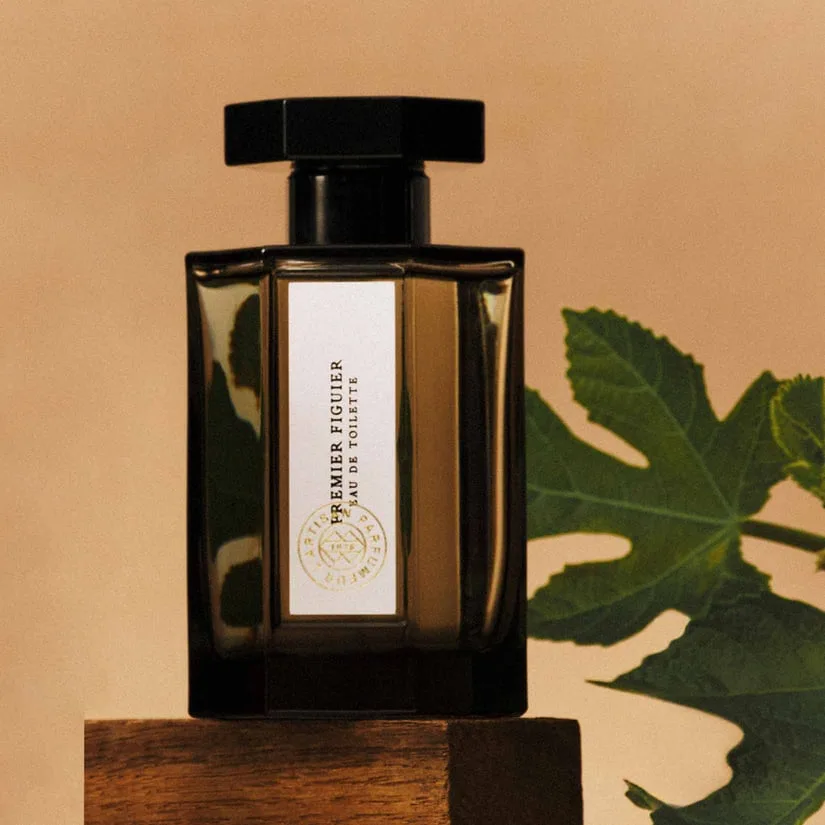
For example, Premier Figuier Eau de Toilette opens with green, leafy fig notes that feel fresh and immediate. That initial burst is the top note, but the scent evolves as the heart and base emerge. If you love the opening but aren't sure about the rest, give it time before deciding.
- Don't buy a perfume based only on the first spray.
- Wait at least 10 minutes to experience the heart notes.
Heart Notes: The Soul of the Fragrance
Heart notes, also called middle notes, appear as the top notes fade. They last for several hours and form the core of the perfume's identity. Floral, fruity, or spicy ingredients often sit here. For many people, the heart is what they associate with the perfume's name.
In Passage d'Enfer Extrême Eau de Parfum, the heart reveals incense and lily, giving the scent a smoky, floral character. This is the stage where you can truly judge whether the fragrance matches your personality. When reading a pyramid, focus on the heart notes – they'll be with you for most of the day.
- Heart notes are the longest-lasting part of the scent experience.
- If you dislike the heart, the fragrance likely isn't for you.
Base Notes: The Lasting Impression
Base notes are the foundation of the pyramid. They're heavy, long-lasting molecules like woods, musks, amber, and vanilla. They emerge after the heart fades and can linger on skin or clothing for hours. Base notes determine the perfume's sillage and longevity.
For a fragrance like Ode à l'Oudh Eau de Parfum, the base is rich and woody, with oud and resins that persist well into the evening. If you want a scent that stays with you, pay attention to the base notes. They're also the reason a perfume can smell completely different at the end of the day.
- Base notes are your best guide to longevity.
- Test a fragrance for at least 4 hours to experience the full base.
Accords: The Blending of Notes
An accord is a combination of notes that creates a unified smell, like a chord in music. Perfumers blend individual notes to form accords such as 'woody', 'ambery', 'fresh', or 'gourmand'. When you read a fragrance pyramid, you'll often see accords listed alongside individual notes.
Understanding accords helps you identify the overall character of a scent. For example, Musc Amarante Eau de Parfum features a musky accord that feels soft and intimate, while Iris de Gris Eau de Parfum has a powdery, iris-led accord. Recognizing accords lets you compare fragrances beyond their listed ingredients.
- Look for accords to understand the perfume's mood.
- Common accords: woody, floral, citrus, oriental, fresh, gourmand.
How to Use the Pyramid When You Shop
When you pick up a perfume, read the pyramid to set expectations. Ask yourself: Do I like the heart and base notes? Will the top notes fade to something I enjoy? If you're shopping online, use the pyramid as a filter – if you dislike heavy base notes like oud, skip fragrances that list them.
Also consider the concentration. An Eau de Toilette like Premier Figuier has a lighter structure, while an Eau de Parfum like Iris de Gris has a richer, more lasting presence. The pyramid tells you what to expect, but your skin chemistry will be the final judge.
- Use the pyramid to shortlist fragrances before testing.
- Always test on skin, not just on paper.
Decision Rules for Reading Any Fragrance Pyramid
- Rule 1: Start with the base notes: Base notes are the longest-lasting and define the dry-down. If you dislike the base, the fragrance will eventually become unpleasant to you. Check the base notes first – they're your long-term companion.
- Rule 2: Evaluate the heart notes on your skin: Heart notes appear after 10-15 minutes and last for hours. Test the fragrance on your wrist and wait for this stage before making a judgment. Don't judge a perfume in the first minute.
- Rule 3: Match the pyramid to the occasion: Light top notes are great for daytime, while heavy base notes suit evening wear. Use the pyramid to align the fragrance with your needs. Choose the pyramid that fits your lifestyle.
L'Artisan Parfumeur Fragrances and Their Pyramids
- Premier Figuier EDT 100ml: Eau de toilette concentration for a lighter, fresh wear. A lighter concentration means top notes dominate and the scent evolves quickly – ideal if you prefer a subtle, fresh fragrance that doesn't linger too heavily.
- Passage d'Enfer Extrême Eau de Parfum 100ml: Eau de parfum concentration for a richer, more lasting scent experience. Extrait-level depth means the base notes will stay with you for hours – choose this if you want a fragrance that develops slowly and leaves a lasting impression.
- Ode à l'Oudh Eau de Parfum 100ml: Eau de parfum concentration with a focus on rich, woody notes. If you love deep base notes like oud, this fragrance will reward patience – but it's not for those who prefer light, airy scents.
Who Should Use the Fragrance Pyramid?
Best for
- Shoppers who want to understand why a perfume smells different over time.
- Anyone comparing multiple fragrances and needing a structured way to choose.
Not for
- People who prefer to choose a perfume purely by intuition and first sniff.
- Those who are sensitive to fragrance and need to avoid certain notes – they should focus on ingredient lists rather than the pyramid.
The fragrance pyramid is your roadmap to understanding how a perfume evolves. By learning to read top, heart, and base notes, and recognizing accords, you can make smarter choices that match your taste and lifestyle. Next time you explore L'Artisan Parfumeur's collection, use these rules to find a scent that truly feels like you.