Choosing the right tug toy for your puppy is more than just picking a fun toy—it's a critical part of their training and development. Tug toys are excellent for building drive, teaching impulse control, and strengthening the bond between you and your pup. But with so many options on the market, it can be overwhelming to decide which material is best. Two popular choices are French linen tugs and rubber ring tugs. Each has its own set of benefits and potential drawbacks, especially when it comes to puppy training.
In this comparison, we'll dive deep into the characteristics of French linen and rubber ring tugs, examining their durability, grip, dental safety, and play style. By the end, you'll have a clear understanding of which tug toy aligns best with your puppy's needs and your training goals.
Understanding French Linen Tugs
French linen tugs are a favorite among professional dog trainers, particularly in sports like IGP and Schutzhund. The material is a tightly woven natural fiber that offers a unique combination of strength and gentleness. For puppies, French linen is gentle on developing teeth and gums, making it an excellent choice for teething pups. The texture also provides a good grip for both the dog and the handler, even when wet.
One of the standout features of French linen is its durability. It can withstand significant pulling and tugging, making it a long-lasting option. However, it's important to note that French linen can absorb moisture and dirt, so it requires regular cleaning to maintain hygiene. For puppies, this is especially important as they tend to drool and chew more during play.
- Gentle on puppy teeth and gums
- Excellent grip for handler and dog
- Durable and long-lasting
- Requires regular cleaning to prevent odor and bacteria buildup
Understanding Rubber Ring Tugs
Rubber ring tugs, on the other hand, are made from durable, non-porous rubber. They are designed to be tough and resilient, perfect for puppies who love to chew and tug with vigor. The rubber material is also easy to clean—simply rinse with water and mild soap. This makes them a popular choice for outdoor play and training sessions where dirt and debris are common.
Rubber ring tugs provide a different kind of grip. The smooth surface can be easier for puppies to hold, but it may be more challenging for handlers to maintain a secure grip, especially if their hands are sweaty. Additionally, rubber is generally more abrasive than French linen, which could be a concern for very young puppies with sensitive mouths. However, for older puppies with stronger jaws, rubber rings can withstand intense tugging without fraying or breaking.
- Non-porous and easy to clean
- Highly durable and resistant to chewing
- Smooth surface may be easier for puppies to grip
- Potential for more abrasion on sensitive gums
Durability and Maintenance: A Side-by-Side Comparison
When it comes to durability, both French linen and rubber ring tugs are designed to last, but they wear differently. French linen tugs are strong but can eventually fray or develop weak spots if chewed aggressively. They also absorb moisture, which can lead to mildew if not dried properly. Rubber ring tugs are virtually indestructible for most puppies, but they can degrade over time if exposed to extreme temperatures or harsh chemicals.
Maintenance is another key factor. French linen tugs should be washed regularly and air-dried to prevent bacteria growth. Rubber ring tugs are more low-maintenance—just wipe them down or rinse them off. For busy pet parents, rubber rings offer convenience, while French linen offers a more natural, traditional feel that many trainers prefer.
- French linen: requires washing and drying; may fray over time
- Rubber ring: easy to rinse and dry; resistant to wear
- Consider your puppy's chewing habits: heavy chewers may benefit from rubber rings
- For training sessions, French linen's grip can be an advantage
Training Benefits: Which Tug Enhances Puppy Training?
Tug toys are not just for play—they are powerful training tools. French linen tugs are often used in formal training like IGP because they provide a clear target for the dog and are gentle on the mouth. This makes them ideal for teaching controlled tugging and release commands. The fabric's texture also helps puppies learn to grip properly without damaging their teeth.
Rubber ring tugs, on the other hand, are excellent for building drive and endurance. Their durability allows for vigorous tugging sessions, which can be great for high-energy puppies. However, the smooth surface may not provide the same level of feedback as French linen, making it slightly less effective for precision training. For puppies that are just starting their training journey, French linen might be the better choice to establish good habits.
- French linen: better for teaching proper grip and controlled tugging
- Rubber ring: ideal for high-energy play and building drive
- Consider your training goals: precision vs. endurance
Puppy Safety: Teeth and Gum Health
Puppies have delicate teeth and gums that are still developing. The material of the tug toy plays a significant role in their oral health. French linen is soft and forgiving, reducing the risk of dental damage. Its natural fibers are also less likely to cause abrasions. Rubber ring tugs, while durable, can be more abrasive and may cause discomfort if a puppy chews too hard. However, rubber is also flexible and can be gentler on teeth than harder materials like nylon.
Another safety consideration is the risk of ingestion. Both French linen and rubber ring tugs can be chewed into small pieces if a puppy is very aggressive. It's crucial to supervise play and inspect the toy regularly for damage. For puppies that are heavy chewers, rubber rings may be safer because they are less likely to break apart into small, ingestible fibers.
- French linen: soft and gentle on teeth and gums
- Rubber ring: durable but may be abrasive; supervise play
- Always inspect toys for damage and replace when necessary
Making the Right Choice: Factors to Consider
When deciding between a French linen tug and a rubber ring tug for your puppy, consider your puppy's age, chewing habits, and training objectives. For very young puppies (under 6 months), French linen is often the safer and more comfortable option. For older puppies with strong jaws, rubber rings can withstand more vigorous play.
Also, think about the environment where you'll be training. If you're training outdoors in wet or dirty conditions, a rubber ring tug is easier to clean. If you're focusing on precision training indoors, French linen's grip may be more beneficial. Ultimately, many trainers recommend having both types in your toy box to vary play and training sessions.
- Age and chewing strength of your puppy
- Training environment (indoor vs. outdoor)
- Specific training goals (precision vs. endurance)
- Ease of cleaning and maintenance
Both French linen and rubber ring tugs have their place in puppy training. French linen offers gentleness and superior grip for precision work, while rubber rings provide durability and easy maintenance for vigorous play. Assess your puppy's needs and your training style to make the best choice. And remember, no matter which tug you choose, always prioritize safety and supervision. For a high-quality option that combines durability with ease of cleaning, consider the Herm Sprenger Flex Grip Sport Gloves - Fingerless Gloves to enhance your grip during training sessions.
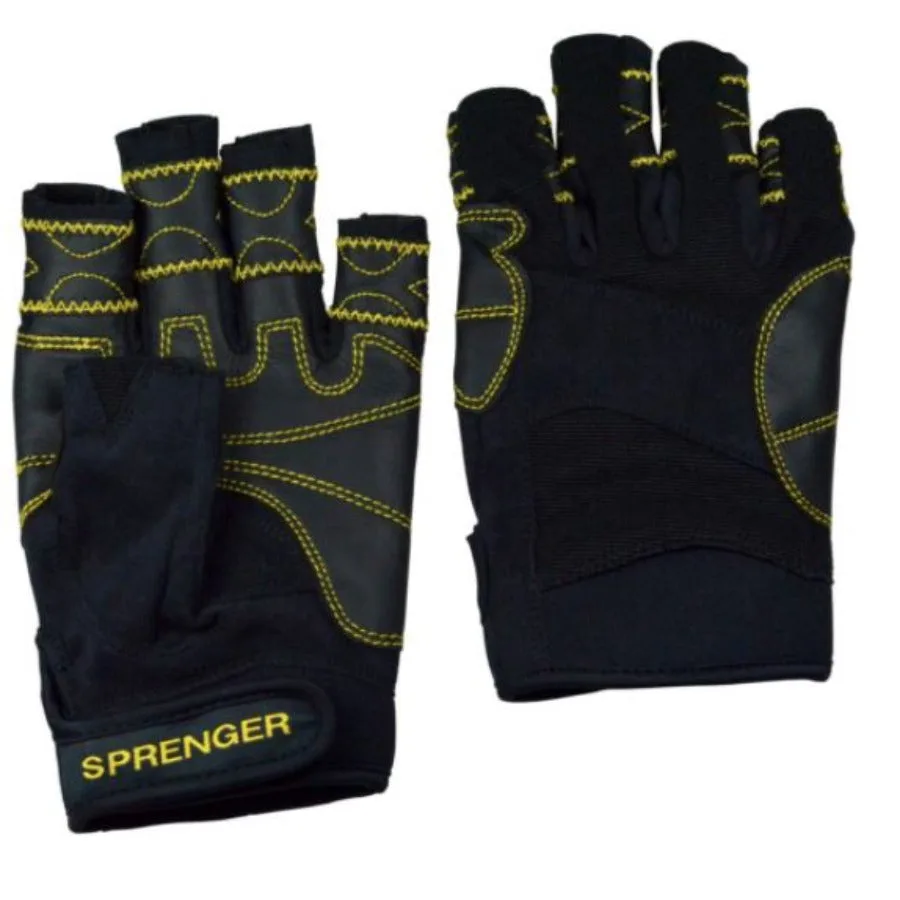
Herm Sprenger Flex Grip Sport Gloves - Fingerless Gloves