Quick answer
Treat your studio as one connected air zone, not separate rooms. Start by removing the source of the odor, then use one or two light sprays of a natural room spray in the air and on fabrics, and finish by airing the space for a few minutes. Keep the scent low so it never competes with cooking, laundry, or your own nose fatigue.
Why studio odor control is different from a house
In a studio, kitchen steam, bathroom humidity, laundry, and sleep all share the same air. A scent that smells subtle in a hallway can become heavy when it has nowhere to escape. That is why small space air freshener routines should focus on removing odors first and adding fragrance second. If you spray to cover a smell, you end up with two smells. If you remove the smell and then add a light scent, the room reads as clean rather than perfumed.
Choose a spray that works in the air and on fabrics
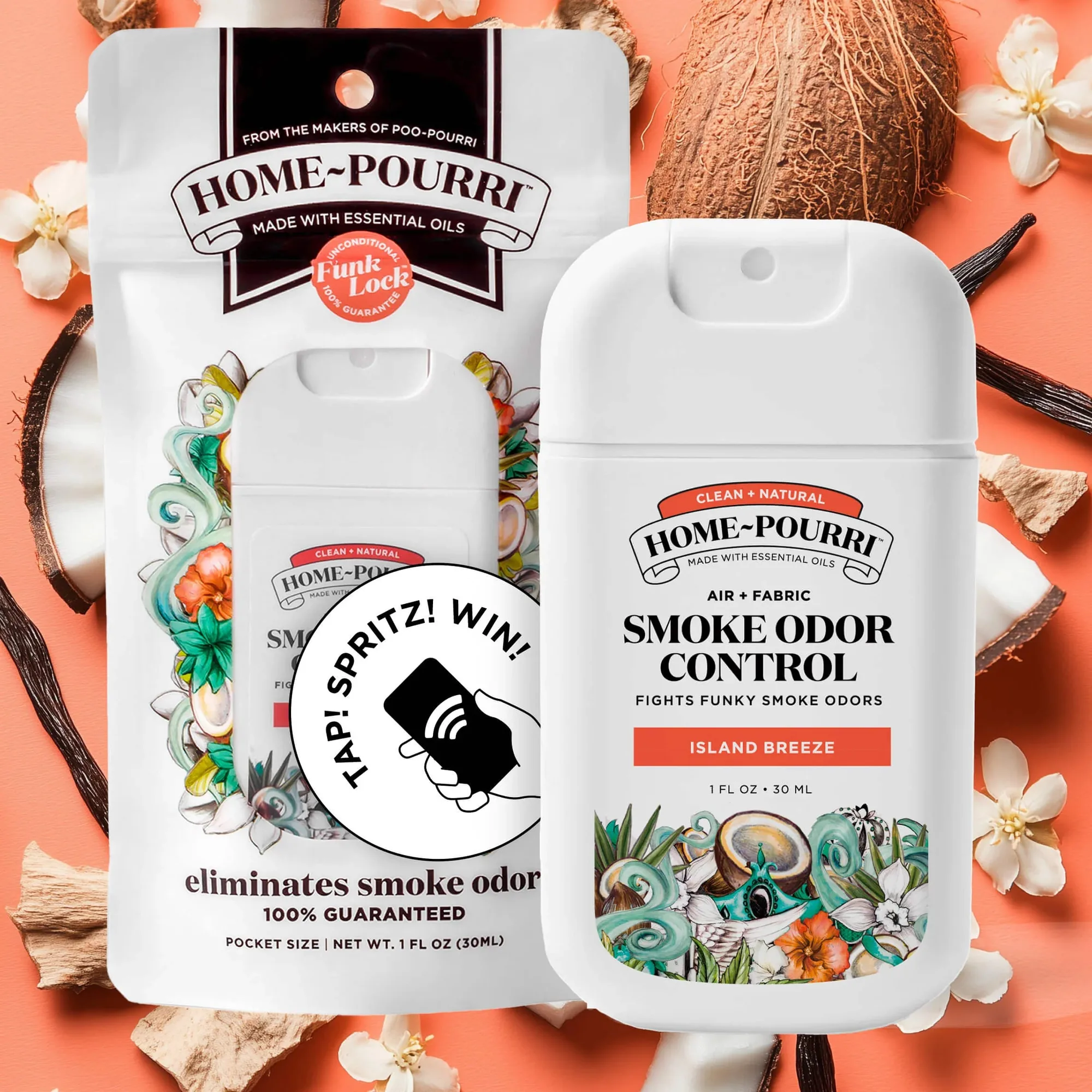
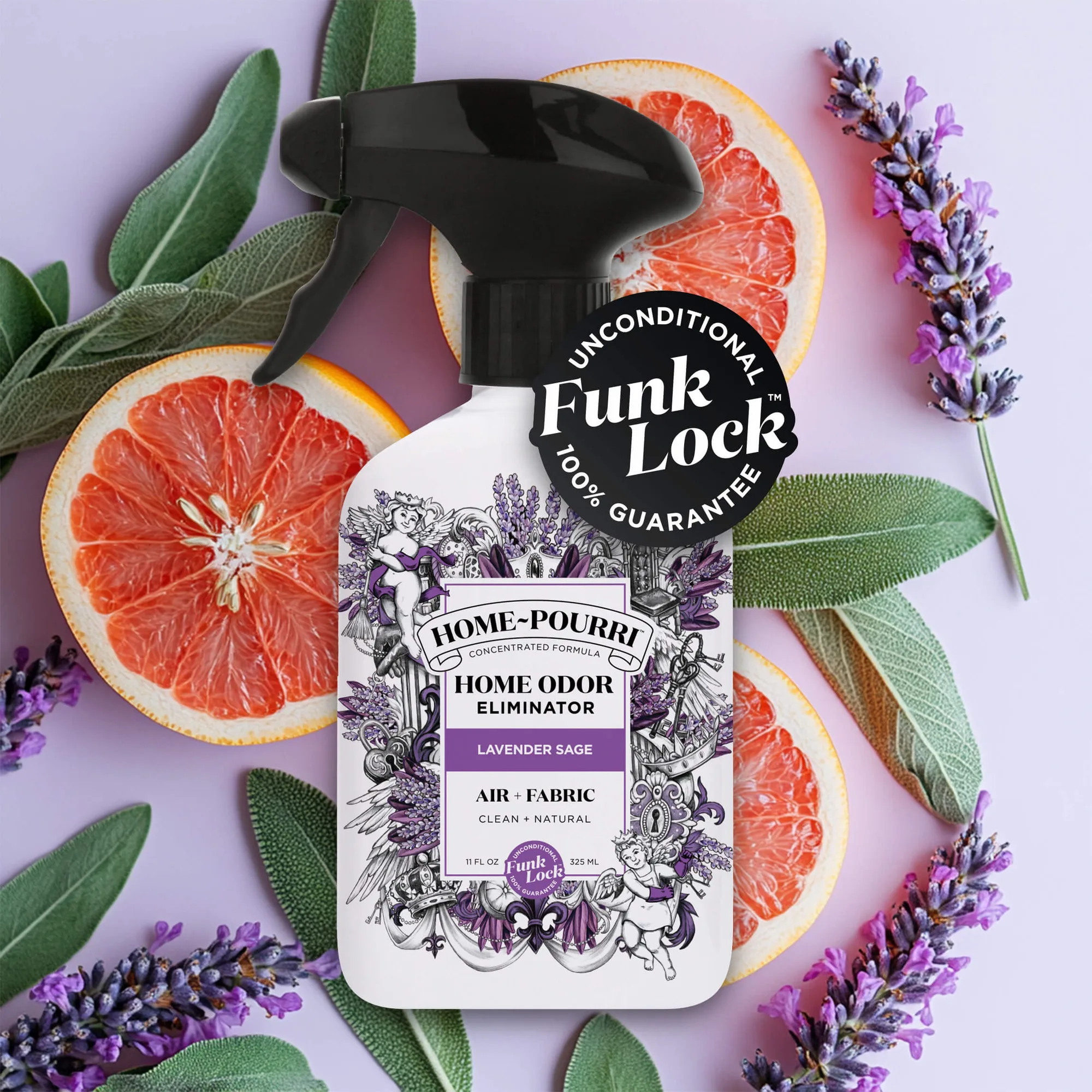
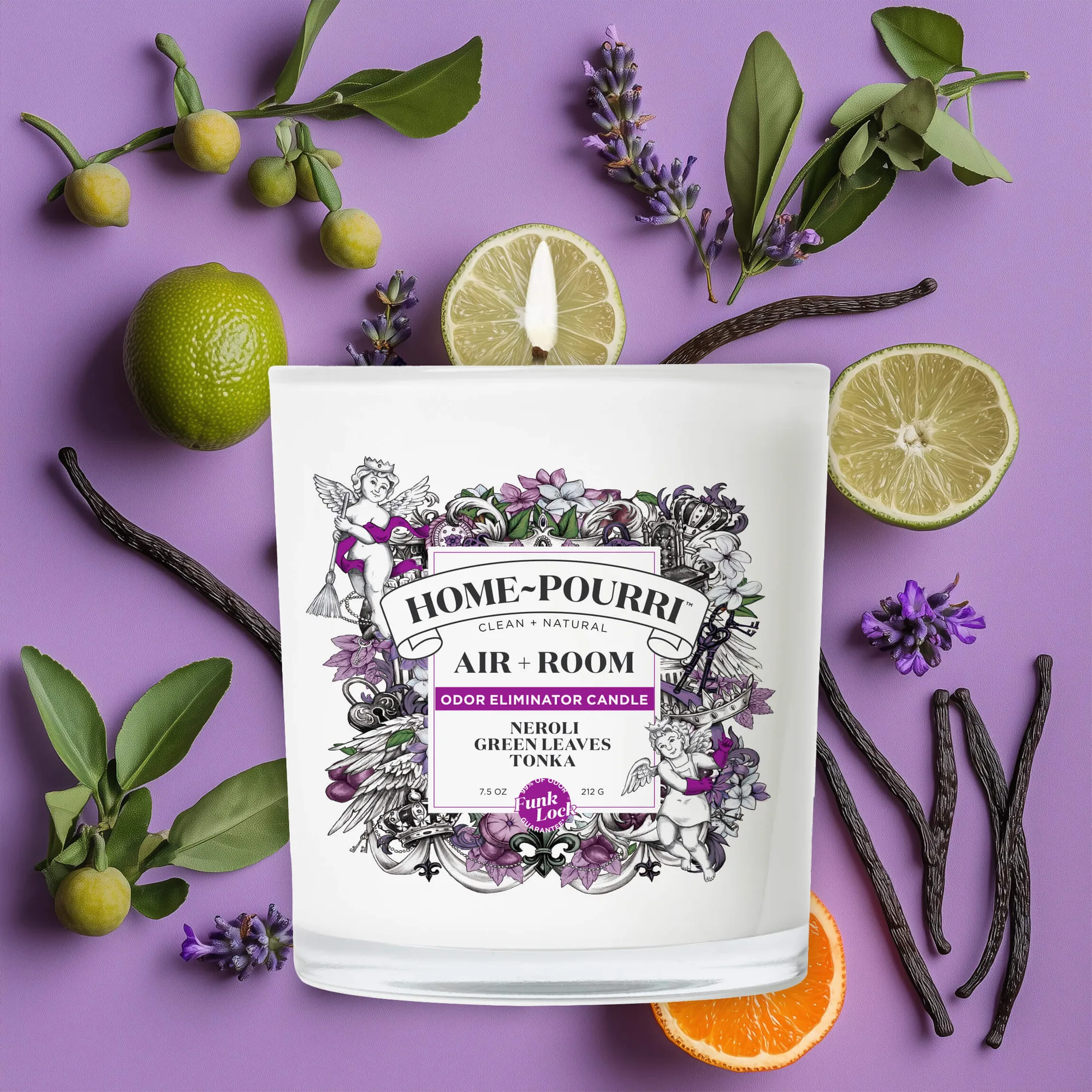
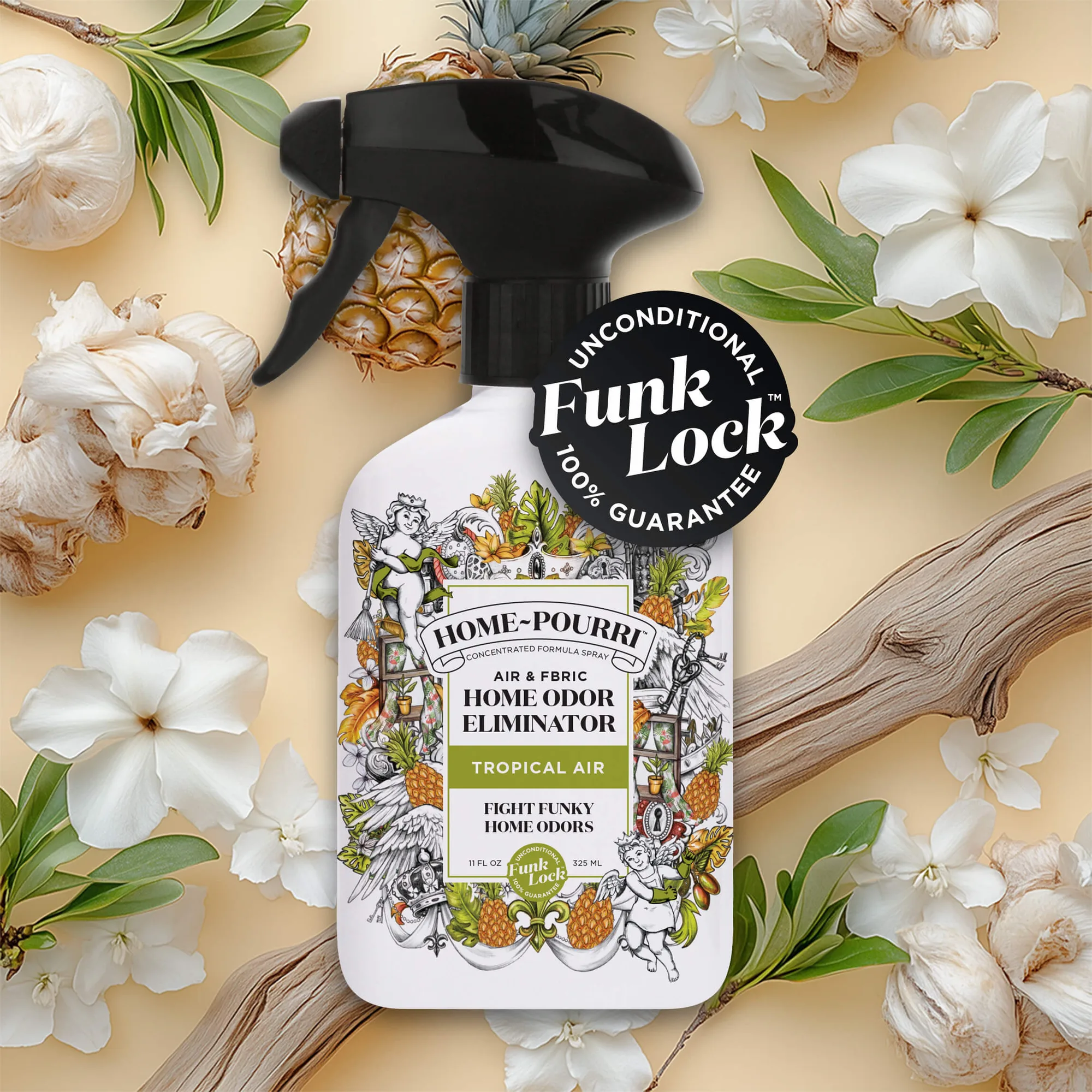
Look for a formula that can be used both in the air and on soft surfaces like curtains, rugs, and upholstery, because those are the places odors settle in a small apartment. Essential-oil-based sprays are a practical choice when you want a natural room spray for a small apartment. Pourri's HomePourri sprays, such as Tropical Air and Grapefruit Lychee Vanilla, are made with essential oils and designed to freshen home odors in the air and on fabrics. The Fresh Air CarPourri spray follows the same idea for a car, which is useful if your studio routine includes a commute or a shared hallway.
Set a spray budget before you start
Overpowering fragrance usually comes from spraying too much, too often, or in too many places at once. Pick one or two anchor spots in the studio, such as the entryway and the sleeping area, and leave the rest alone. A single short press is often enough for a studio because the air volume is small. If you can still smell the spray strongly after five minutes, you used more than the space needed.
Work with the air, not against it
Spraying into still air lets droplets fall onto surfaces and linger. Spraying while a fan or window is moving air helps the scent distribute and then fade. In a studio, cross-ventilation is your best tool. Open two openings if you have them, run a fan for a few minutes, and spray after the air starts moving. This is the simplest way to avoid overpowering fragrance while still getting a fresh result.
Your step-by-step studio freshening routine
- Step 1: Remove the odor source first: Take out trash, rinse recycling, and wipe kitchen or bathroom surfaces before you reach for any spray. In a studio, a lingering source will fight any fragrance you add. Checkpoint: if the room still smells like the source after cleaning, do not spray yet. Find and remove the remaining source.
- Step 2: Air the space for five minutes: Open a window or door, or run a fan, to move stale air out. This lowers the baseline odor so a light spray can actually be light. Checkpoint: if you cannot open a window, run a fan near the ceiling or a bathroom vent for the same effect.
- Step 3: Spray one anchor spot in the air: Hold the bottle upright and give one short press into the air, aiming toward the center of the room rather than at a wall or ceiling. One press is usually enough for a studio. Common mistake: spraying repeatedly to chase a smell. If one press does not do it, the issue is the source, not the amount.
- Step 4: Treat one fabric surface: Lightly mist a single soft surface such as a curtain, rug, or sofa cushion from about arm's length. Fabrics hold scent longer than air, so one surface is enough in a small space. Checkpoint: test on a hidden corner first if the fabric is delicate or dark.
- Step 5: Step out and re-enter: Leave the studio for two or three minutes, then come back in. Your nose adapts quickly, so a short break is the most honest way to judge whether the scent is still light. If the scent feels strong on re-entry, air the room again and use less next time.
- Step 6: Repeat only when needed: Refresh once in the morning and once in the evening, or after cooking. More frequent spraying builds up fragrance in fabrics and makes the studio feel heavy. Next step: note which single anchor spot and which single fabric surface gave you the freshest result, and keep that as your default routine.
Product facts that matter for a studio
- Tropical Air - Home~Pourri Room Spray: Tropical Air - Home~Pourri Room Spray works in the air and on fabrics in your home and is made with essential oils that leave your space smelling like bamboo, sweet pear, pineapple and delicate florals. A dual-action spray lets you treat both the air and soft surfaces like curtains or a sofa without switching products, which is practical when storage space is tight.
- Grapefruit Lychee Vanilla - Home~Pourri Room Spray: Grapefruit Lychee Vanilla - Home~Pourri Room Spray works in the air and on fabrics and is made with essential oils that leave your space smelling like fresh-squeezed grapefruit juice and warm sunny day. A brighter citrus profile can feel lighter in a small studio, especially in a kitchen or entryway where you want freshness without a heavy perfume.
- Fresh Air - Car~Pourri Car Air Freshener: Fresh Air - Car~Pourri Car Air Freshener works in the air and on fabrics in your ride and is made with essential oils that leave your car smelling like cruising along the countryside, windows down. If your studio opens to a hallway or you commute, a matching light scent in the car keeps the transition fresh without bringing heavy fragrance back inside.