Mornings are hectic. Between hitting snooze, getting the kids ready, and rushing out the door, breakfast often becomes an afterthought. For millions of Americans, the drive-thru is the default solution—grabbing a sausage biscuit or breakfast burrito on the way to work. But is that daily fast food run really the best choice for your wallet, your health, and your time?
Enter the frozen breakfast aisle. Once seen as a lesser alternative, today's frozen breakfasts—like those from Jimmy Dean—offer competitive nutrition, significantly lower costs, and comparable convenience. In this article, we'll break down the real differences between frozen breakfast vs fast food across three critical categories: cost, nutrition, and convenience. By the end, you'll have a clear picture of which option deserves a spot in your morning routine.
The Cost Comparison: Frozen Breakfast vs Drive-Thru
Let's start with the most straightforward comparison: money. A typical fast food breakfast sandwich—like a sausage, egg, and cheese biscuit—costs anywhere from $3.50 to $6.00 depending on where you live and what you order. Add a coffee or juice, and you're easily spending $7–$10 per meal. Over a five-day workweek, that's $35 to $50 per person. For a family of four, that's $140 to $200 a week on breakfast alone.
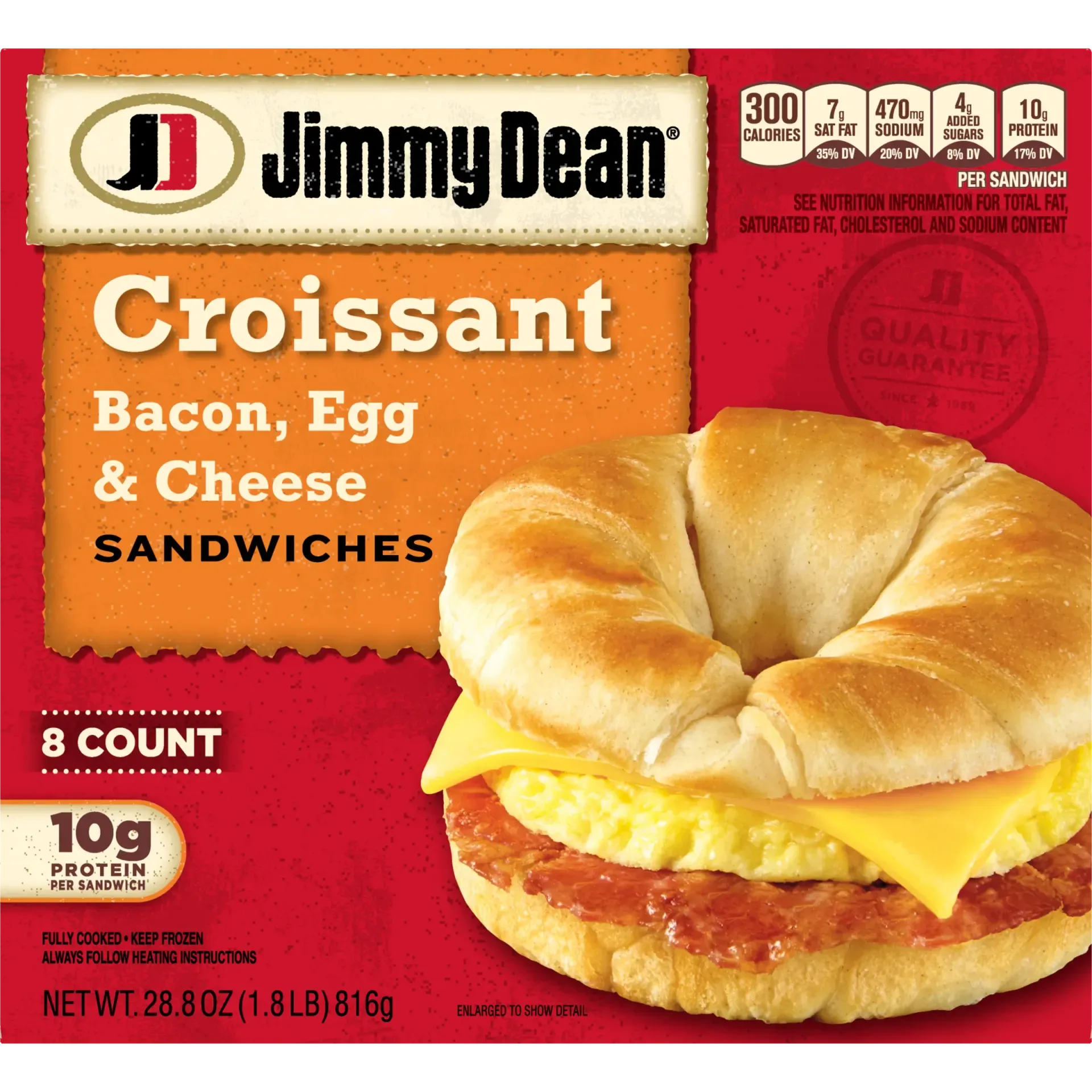
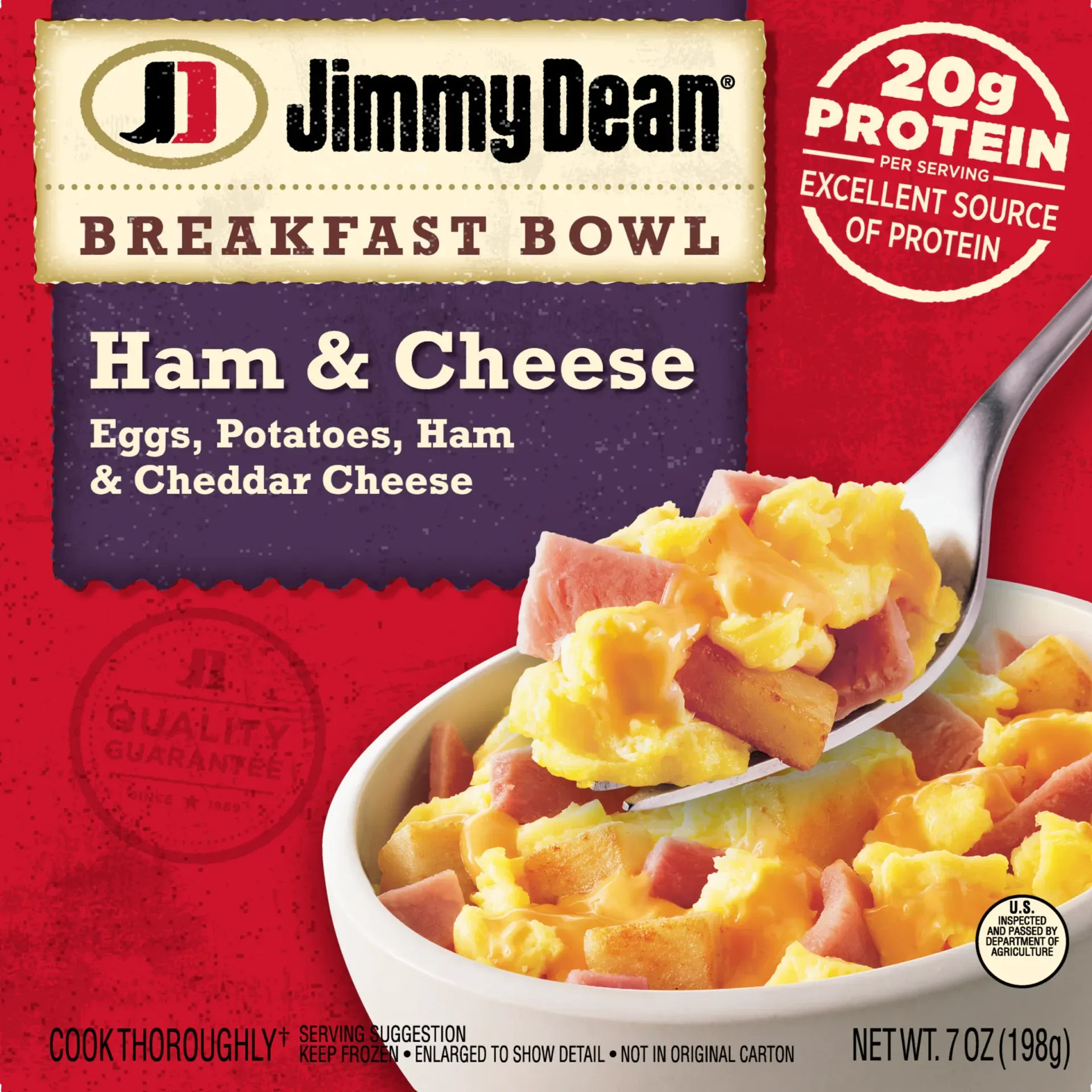
Now look at frozen breakfast. A box of four Jimmy Dean Sausage, Egg & Cheese Biscuit Roll-Ups costs roughly $5.50—that's about $1.38 per serving. Even premium options like the Biscuit & Sausage Gravy Breakfast Bowl come in at under $3 per bowl. When you compare per-serving prices, frozen breakfast is 50–70% cheaper than fast food. Over a month, that difference adds up to hundreds of dollars saved. And because frozen breakfasts have a long shelf life, you can stock up during sales and reduce your per-meal cost even further.
- Fast food breakfast: $3.50–$6.00 per sandwich, plus drink
- Frozen breakfast: $1.00–$3.00 per serving, no drink needed
- Monthly savings for one person: $80–$150
- Bonus: No tip, no gas, no impulse purchases
Nutritional Showdown: What's Really in Your Breakfast?
When it comes to nutrition, fast food breakfasts have a reputation for being high in calories, saturated fat, and sodium—and for good reason. A typical fast food sausage biscuit can pack 500–700 calories, 30+ grams of fat, and over 1,200 mg of sodium. That's more than half your daily recommended sodium intake in one meal. Add hash browns and a sugary drink, and you're looking at a breakfast that can derail your health goals before lunch.
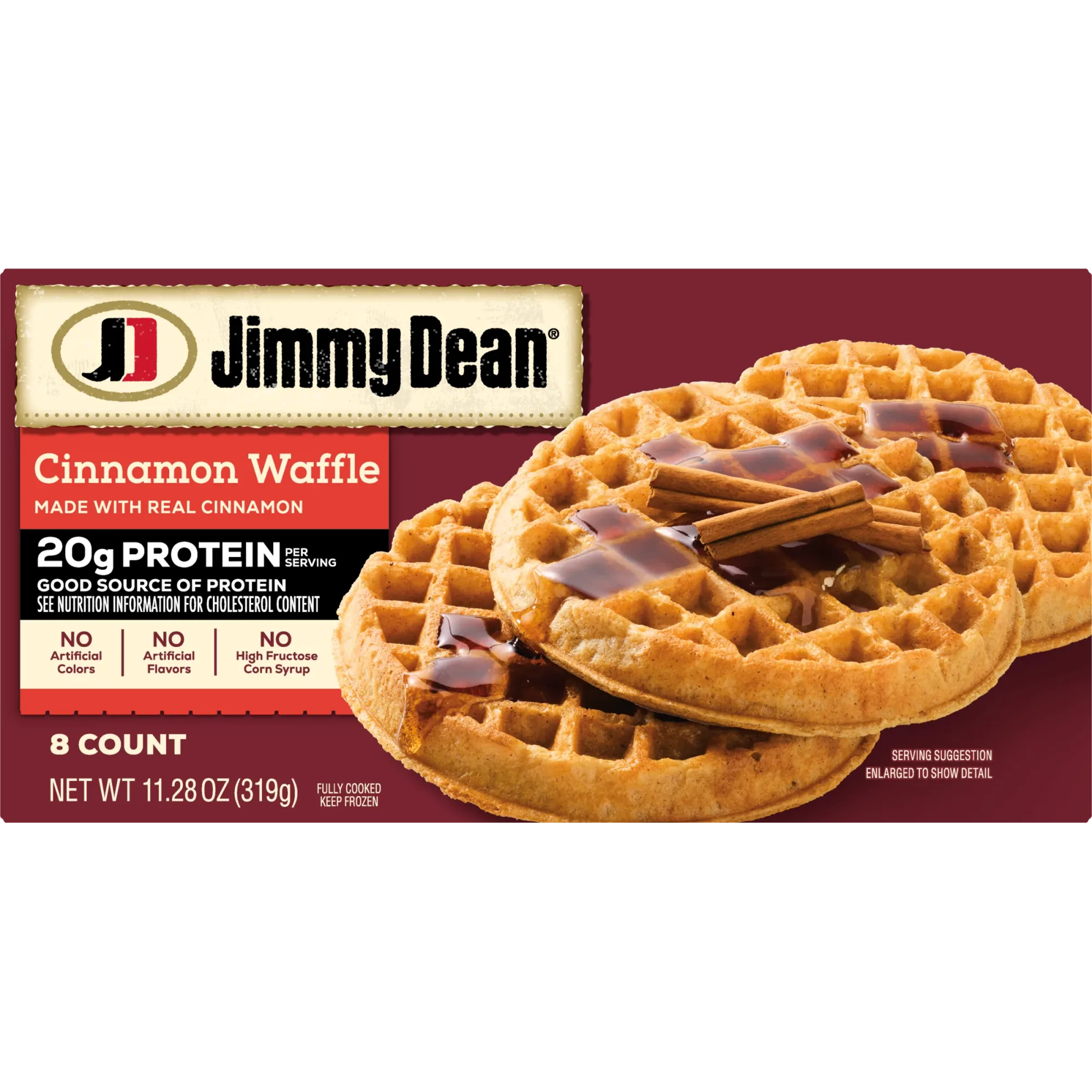
Frozen breakfast options have improved dramatically. Jimmy Dean's Heat 'n Serve Turkey Sausage Patties, for example, offer a leaner protein choice with less saturated fat than pork sausage. The Blueberry Protein Waffles provide 12 grams of protein per serving with whole grains and no artificial flavors. While frozen breakfasts still contain sodium (necessary for preservation), many products now offer lower-sodium and higher-protein alternatives. The key is reading labels—something you can do at home, but not through a drive-thru speaker. When you control the portion and ingredients, frozen breakfast gives you more nutritional transparency and flexibility.
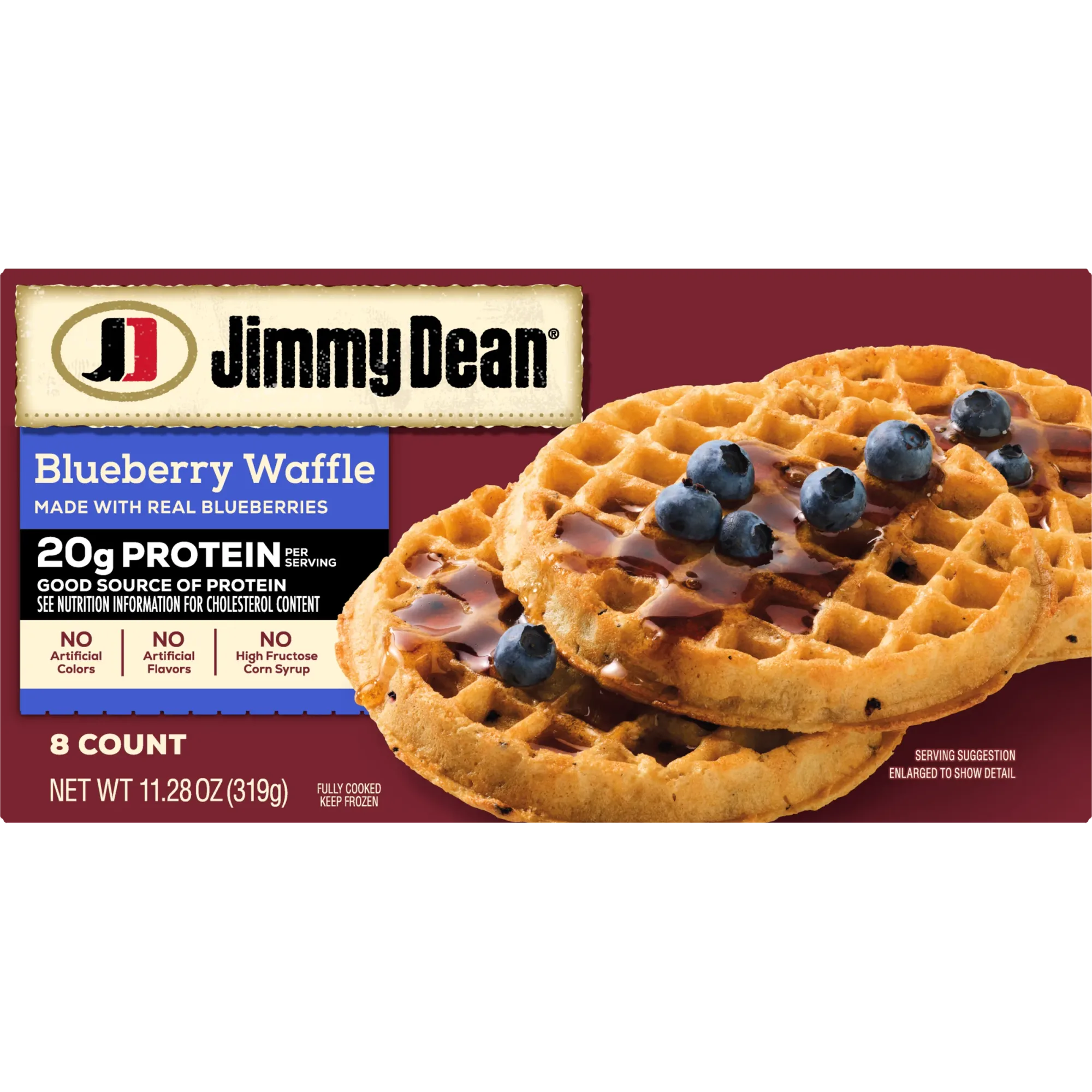
Blueberry Protein Waffles
- Fast food breakfast: high calorie, fat, and sodium; low fiber
- Frozen breakfast: controllable portions, protein-rich options, whole grains available
- Tip: Pair frozen breakfast with fruit or yogurt for a balanced meal
Convenience: 2 Minutes vs 5 Minutes (and No Car Required)
Convenience is the main reason people choose fast food for breakfast. It's fast, it's ready, and you don't have to cook. But frozen breakfast is just as fast—if not faster. Most Jimmy Dean products heat in 2–4 minutes in the microwave. The Simple Scrambles Bacon takes about 3 minutes: just microwave, stir, and eat. Compare that to the average drive-thru wait time of 4–6 minutes (often longer during rush hour), plus the time it takes to get in your car, drive, and wait in line.
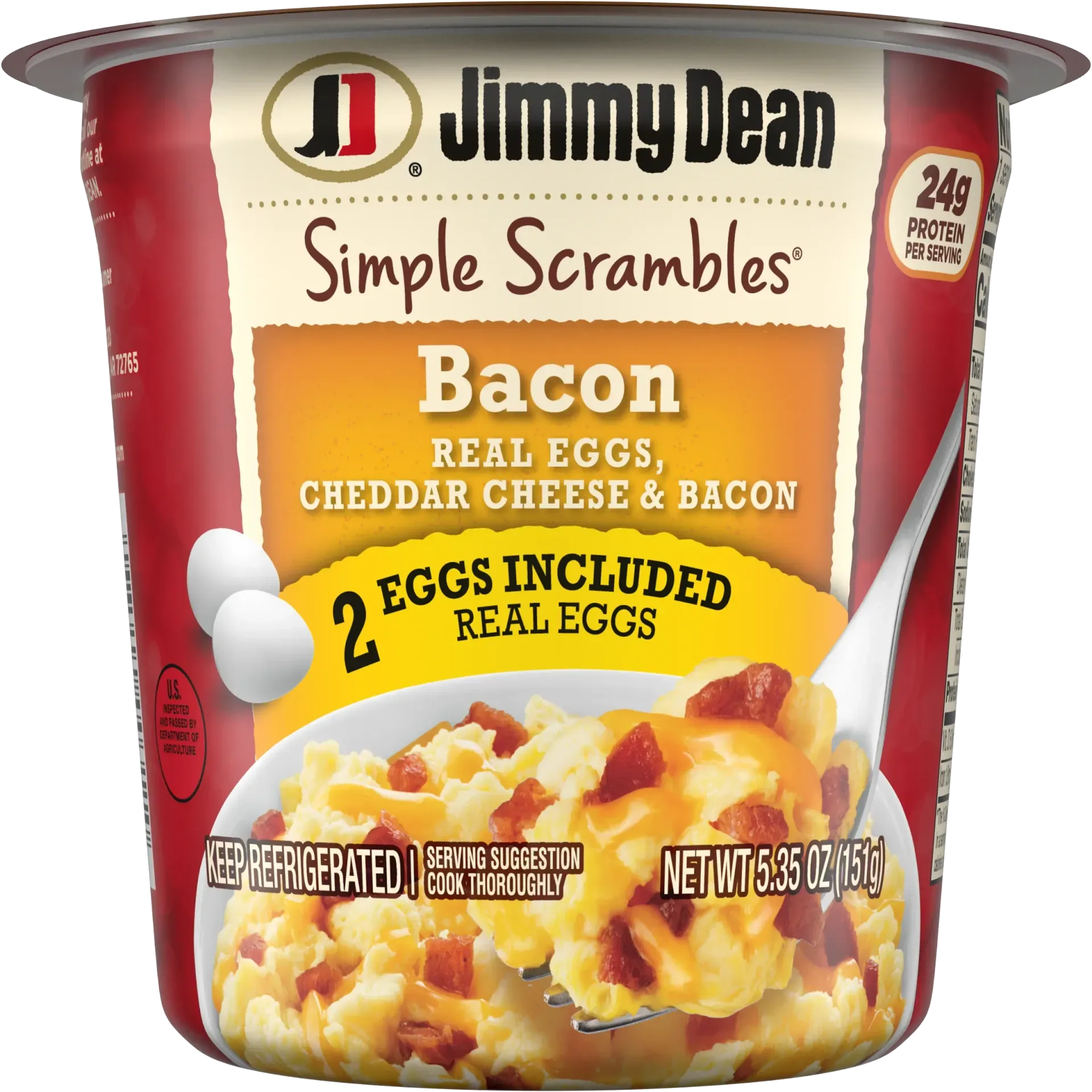
Simple Scrambles Bacon
Frozen breakfast also eliminates the need to get dressed, start the car, or deal with traffic. You can eat at home, at your desk, or on the go. Products like the Meat Lovers Skillets come in a bowl that's easy to eat from, and the Mini Maple Pancakes and Maple Sausage Bites Morning Combos are perfect for eating with your hands while commuting. Plus, you can customize your frozen breakfast—add an egg, avocado, or hot sauce—something you can't do through a drive-thru window. When you factor in total time from craving to eating, frozen breakfast often wins.
- Frozen breakfast: 2–4 minutes microwave, eat at home or on the go
- Fast food: 4–6 minutes drive-thru wait + travel time
- No car, no clothes change, no waiting in line
Taste and Variety: Can Frozen Compete?
Taste is subjective, but frozen breakfast has come a long way. Fast food breakfasts are engineered for flavor—often through high salt, fat, and sugar. Frozen breakfasts from Jimmy Dean are also crafted for taste, but with more variety. You can choose from spicy options like the Fully Cooked Spicy Pork Sausage Patties, Italian-inspired Italian Premium Pork Sausage, or sweet-savory combos like the Meat Lovers English Muffin. There are also plant-based and turkey options for those watching their intake.
Frozen breakfast also allows for mix-and-match creativity. You can combine a biscuit sandwich with a side of turkey sausage patties, or top your Blueberry Protein Waffles with fresh fruit. Fast food menus are fixed—you get what they give you. With frozen, you're the chef. And because you can stock multiple varieties in your freezer, you never get bored. That variety is something no drive-thru can match.
- Fast food: limited menu, high salt/fat for flavor
- Frozen: multiple protein choices, sweet & savory, mix-and-match
- Try: Heat 'n Serve Turkey Sausage Patties with a whole grain English muffin
Healthier Habits: How Frozen Breakfast Supports Your Goals
Beyond cost and convenience, frozen breakfast can help you build healthier morning habits. When you rely on fast food, you're eating on someone else's schedule and nutritional philosophy. With frozen breakfast, you control the portion size, the ingredients, and the timing. You can pair a Jimmy Dean Sausage, Egg & Cheese Biscuit Roll-Up with a handful of spinach or a piece of fruit for added nutrients. You can also choose lower-sodium options like the Simple Scrambles Bacon, which has less sodium than many drive-thru equivalents.
Frozen breakfast also helps with portion control. Fast food portions have crept up over the years, and many breakfast sandwiches are oversized. Frozen breakfasts come in standardized, reasonable portions. And because you're eating at home, you're less likely to supersize or add extras. Over time, these small choices add up to better weight management, lower blood pressure, and more consistent energy throughout the morning. For anyone looking to improve their diet without sacrificing convenience, frozen breakfast is a smart swap.
- Portion control: standardized servings, no supersizing
- Customizable: add vegetables, fruit, or lean protein
- Lower sodium options available
- Consistent routine supports long-term health goals
The choice between frozen breakfast and fast food breakfast comes down to what matters most to you. If you want to save money, control your nutrition, and enjoy a wide variety of options without sacrificing convenience, frozen breakfast is the clear winner. Jimmy Dean offers a full lineup of breakfast bowls, sandwiches, patties, and skillets that heat in minutes and cost a fraction of drive-thru meals. Next time you're tempted to hit the drive-thru, remember that your freezer has a better option waiting. Explore the full range of Jimmy Dean frozen breakfast products and start your morning smarter.