When we think about sustainable living, breakfast might not be the first thing that comes to mind. But the truth is, our morning meal can be a major source of food waste. Leftover ingredients, spoiled produce, and half-eaten meals add up quickly, contributing to the 30-40% of food that goes to waste in the United States each year. Frozen breakfast foods offer a powerful solution, helping you enjoy a delicious, protein-packed start to your day while slashing waste and saving money.
In this article, we'll explore how frozen breakfast options like Jimmy Dean's Sausage & Gravy Breakfast Bowl and Buttermilk Protein Waffles can transform your morning routine into an eco-friendly habit. From portion control to longer shelf life, you'll learn why frozen is often the smarter—and greener—choice.
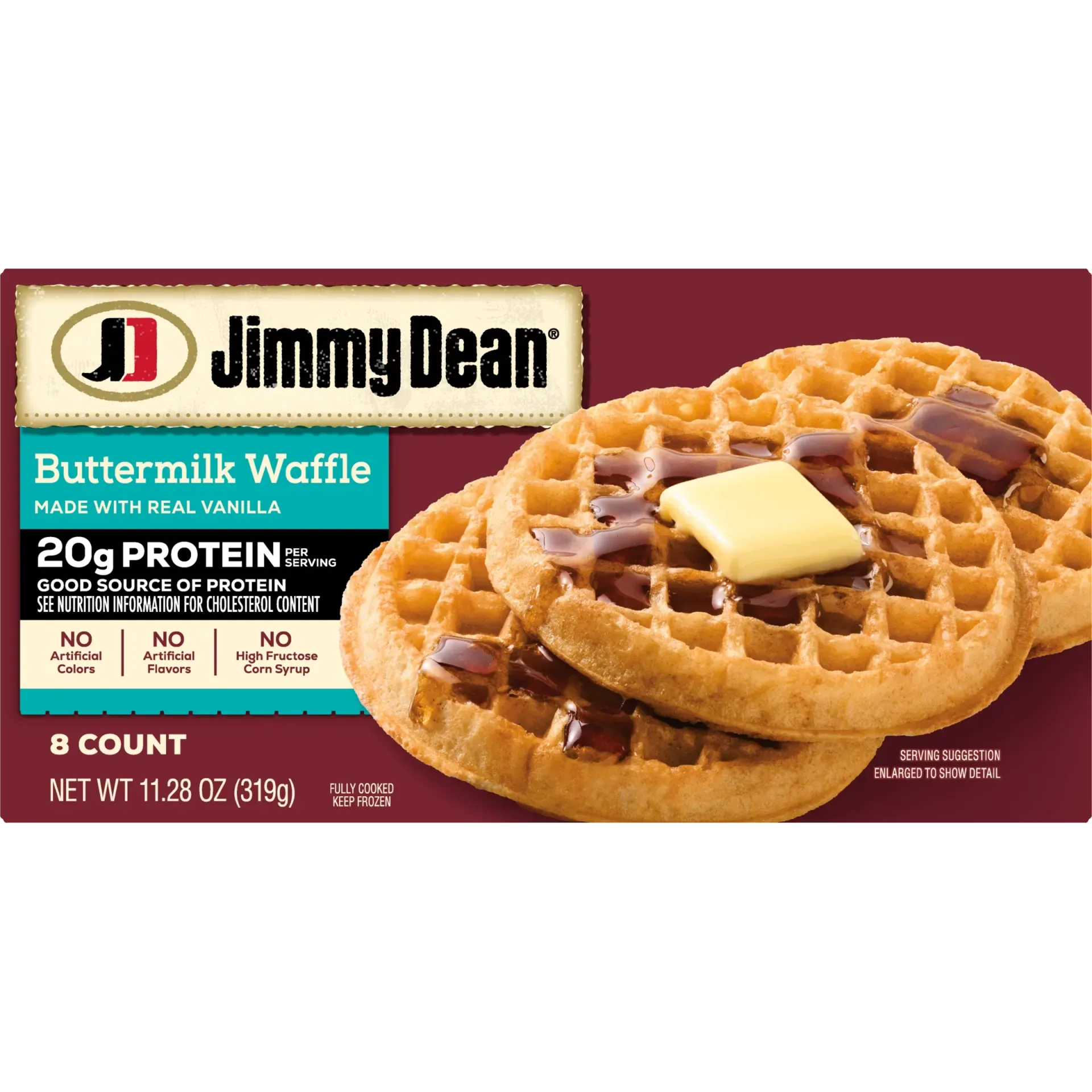
Buttermilk Protein Waffles
The Hidden Cost of Breakfast Waste
Every year, the average American household throws away hundreds of dollars worth of food. Breakfast is a prime culprit: fresh eggs go bad, milk sours, bread gets stale, and leftover bacon ends up in the trash. This waste not only hurts your wallet but also strains the environment. Decomposing food in landfills produces methane, a potent greenhouse gas that accelerates climate change. By choosing frozen breakfast items, you can dramatically cut down on this waste because frozen foods are preserved at peak freshness and last for months in your freezer.
Think about it: when you buy a package of fresh sausage, you have a week or less to use it. But if you opt for Jimmy Dean's Fully Cooked Turkey Sausage Links, you can use exactly what you need and keep the rest frozen for another day. No more guilt over spoiled ingredients or rushed meal planning. Frozen breakfast foods give you the flexibility to cook only what you'll eat, reducing spoilage and saving money over time.
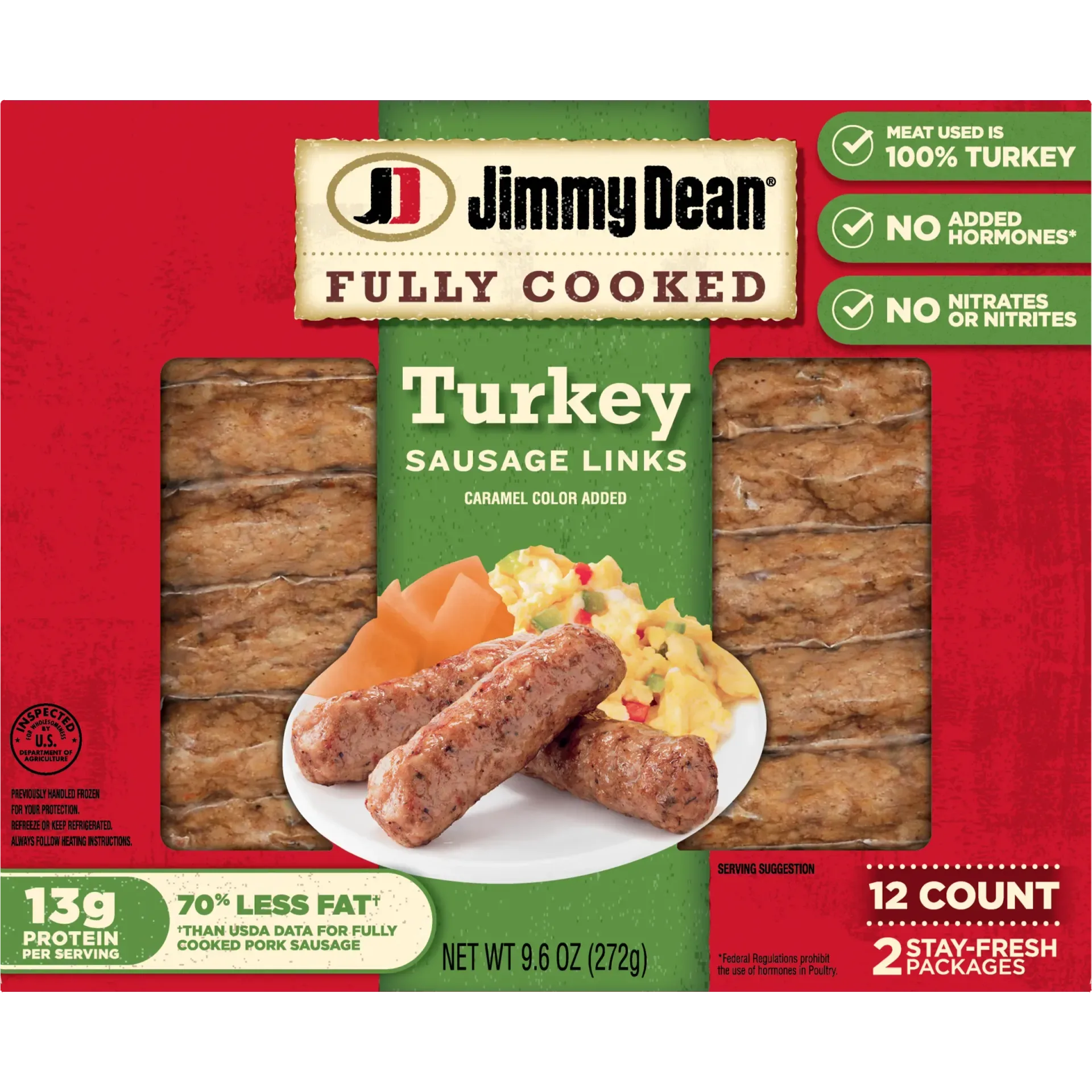
Fully Cooked Turkey Sausage Links
- Buy in bulk and freeze individual portions to avoid waste.
- Label your frozen items with dates to use the oldest first.
- Use a freezer inventory app to track what you have.
Frozen Breakfast: A Smart Choice for the Planet
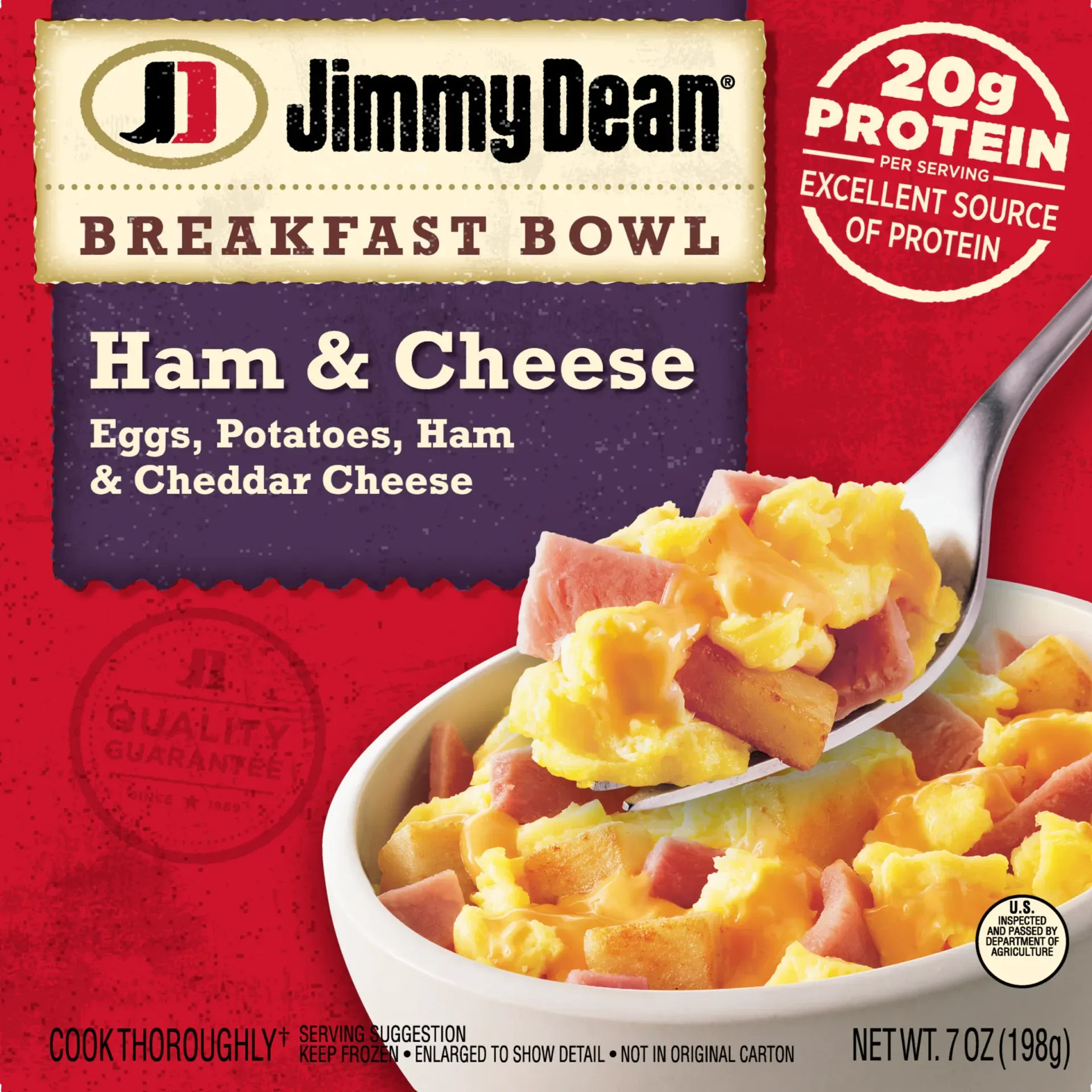
Frozen foods have come a long way in terms of sustainability. Modern flash-freezing techniques lock in nutrients and flavor while reducing the need for preservatives. Plus, frozen foods often have a lower carbon footprint than fresh alternatives because they are transported in bulk and stored efficiently. When you choose a frozen breakfast bowl like the Sausage & Gravy Breakfast Bowl, you're supporting a supply chain that minimizes waste from farm to table. The ingredients are harvested at their peak, frozen quickly, and shipped with less spoilage than fresh produce.
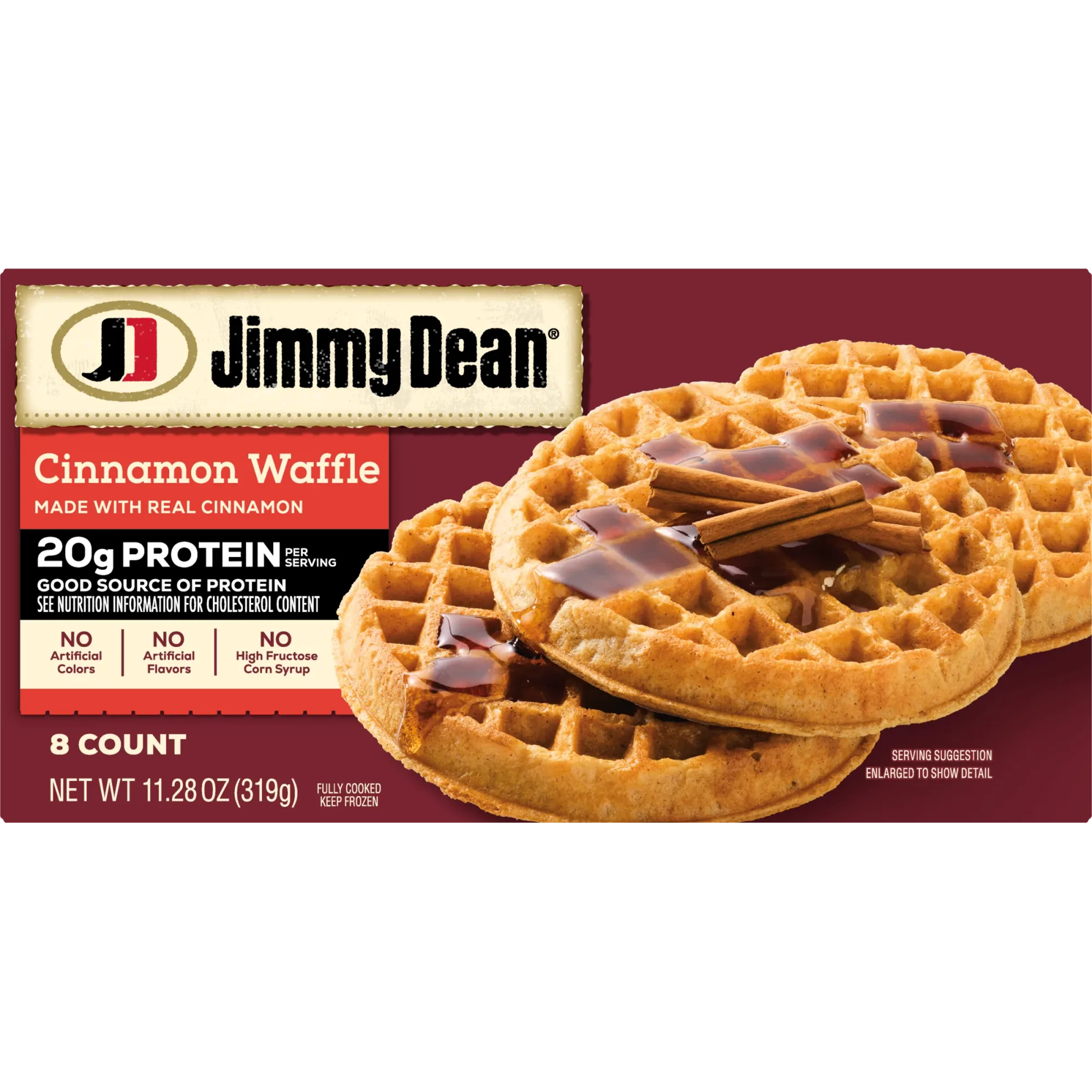
Another eco-friendly advantage is portion control. Frozen breakfast sandwiches, waffles, and bowls come in single-serving sizes, so you never have to worry about cooking too much and throwing away leftovers. For example, the Buttermilk Protein Waffles offer a perfectly portioned, protein-packed breakfast that you can heat up in minutes. No wasted batter, no extra cleanup, and no food left on the plate.
- Look for packaging that is recyclable or made from recycled materials.
- Choose products with minimal packaging to reduce plastic waste.
- Support brands that prioritize sustainable sourcing.
How to Build a Zero-Waste Frozen Breakfast Routine
Transitioning to a more sustainable breakfast doesn't have to be complicated. Start by stocking your freezer with versatile, long-lasting items like Jimmy Dean's Fully Cooked Turkey Sausage Links and Buttermilk Protein Waffles. These products can be mixed and matched to create different meals throughout the week, reducing the need for multiple fresh ingredients. For example, use the turkey sausage links in a breakfast bowl one day, then slice them into a wrap the next.
Another tip is to repurpose frozen breakfast items into other meals. Leftover sausage links can be crumbled into pasta or omelets, while extra waffles can be turned into a dessert or snack. By thinking creatively, you can ensure that every item in your freezer gets used up before its best-by date. And because frozen foods last so long, you can buy in bulk when items are on sale, saving both money and packaging waste from multiple trips to the store.
- Plan your weekly breakfasts around what's already in your freezer.
- Use reusable containers to store opened frozen packages.
- Compost any unavoidable food scraps to close the loop.
The Bottom Line: Frozen Breakfast Is a Win-Win
Choosing frozen breakfast foods is one of the easiest ways to reduce your household's environmental impact without sacrificing taste or convenience. Products like Jimmy Dean's Sausage & Gravy Breakfast Bowl and Buttermilk Protein Waffles offer delicious, protein-rich meals that help you avoid the waste associated with fresh ingredients. Plus, they fit seamlessly into a busy morning routine, giving you more time to focus on what matters.
As more consumers become aware of the link between food waste and climate change, frozen foods are emerging as a sustainable solution. By making small changes—like swapping fresh sausage for frozen Fully Cooked Turkey Sausage Links or choosing a frozen breakfast bowl over a homemade scramble that might go uneaten—you can make a big difference. Start today, and enjoy a breakfast that's good for you and the planet.
Ready to make your mornings more sustainable? Explore Jimmy Dean's full lineup of frozen breakfast options, including the hearty Sausage & Gravy Breakfast Bowl, and start reducing food waste one delicious meal at a time.