Introducing solid foods to your baby is an exciting milestone, but it can also be a messy and stressful process for parents. From figuring out which foods are safe to dealing with gagging and choking fears, the transition from milk to solids requires patience and the right tools. One of the most innovative and helpful products for this stage is the fruit and food feeder pacifier. These clever devices combine the familiar comfort of a pacifier with a mesh or silicone pouch that holds small pieces of food, allowing your baby to safely suck, chew, and taste without the risk of swallowing large chunks.
Whether you are following a baby-led weaning approach or simply want to make mealtime easier, a baby food feeder can be a game-changer. In this guide, we will explore the benefits of using a fruit feeder pacifier, discuss safety considerations, and provide practical tips on how to introduce solid foods with confidence. We will also highlight some complementary products from PandaEar that can support your baby's feeding journey.
What Is a Fruit and Food Feeder Pacifier?
A fruit and food feeder pacifier is a feeding accessory designed to help babies safely explore the taste and texture of solid foods. It typically consists of a handle or ring attached to a mesh or silicone pouch with small holes. You place soft fruits, vegetables, or other puree-like foods into the pouch, and your baby can suck and chew on it, extracting the juices and small bits of food. This allows them to experience new flavors and practice chewing without the risk of choking on large pieces.
Many parents find these feeders especially useful during the early stages of weaning, when babies are still developing their oral motor skills. They also help reduce mess, as the pouch contains the food, and they can soothe teething gums when filled with chilled fruit. Products like the PandaEar Teething Toys (2pack) offer similar soothing benefits, but for food introduction, a dedicated feeder is ideal.
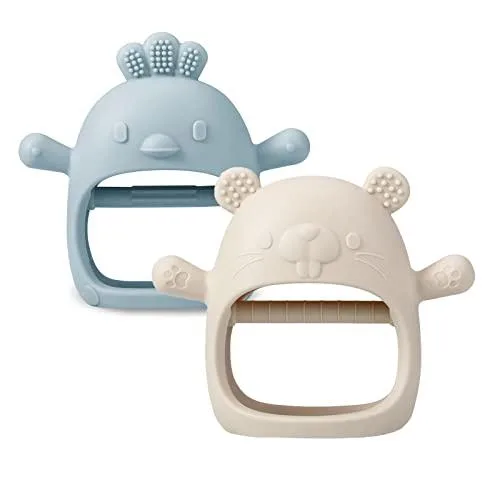
Teething Toys (2pack)
- Look for BPA-free, food-grade silicone or mesh materials for safety.
- Choose a feeder with a secure locking ring to prevent the pouch from detaching.
- Consider the size of the holes – smaller holes are better for younger babies.
Top Benefits of Using a Baby Food Feeder
One of the main benefits of a baby food feeder is that it encourages independent eating. Your baby can hold the handle and feed themselves, which helps develop fine motor skills and hand-eye coordination. This self-feeding aspect aligns perfectly with baby-led weaning principles, where the baby controls what and how much they eat.
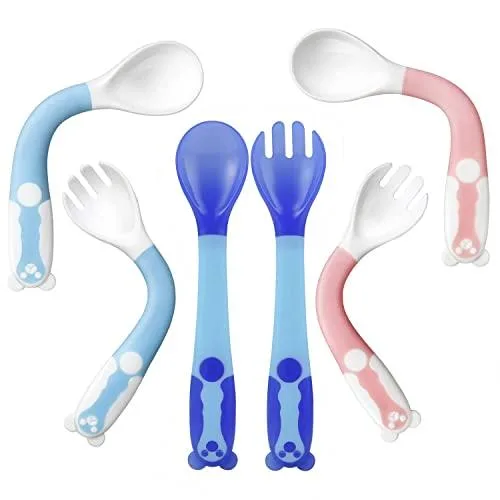
Another advantage is the reduction of mealtime mess. Unlike traditional spoon-feeding, where purees can end up on walls and floors, a food feeder contains the food within the pouch. This makes cleanup much easier. Additionally, these feeders can be used to introduce a wide variety of foods, from fresh fruits and steamed vegetables to frozen yogurt for a cool treat. For a complete feeding solution, consider pairing the feeder with a PandaEar https://terracradle.shop/products/feeding-set-120851https://terracradle.shop/products/feeding-set-120896https://terracradle.shop/products/feeding-set-120898Feeding Set, which includes plates and utensils designed for self-feeding.
- Promotes self-feeding and independence.
- Minimizes mess and waste during meals.
- Soothes teething gums when filled with cold foods.
- Helps babies explore new tastes and textures safely.
Safety Considerations for Fruit Feeder Pacifiers
While fruit feeder pacifiers are generally safe, parents should follow key guidelines to ensure their baby's well-being. Always supervise your baby during use, as with any feeding tool. Check the feeder regularly for signs of wear, such as tears in the mesh or cracks in the silicone, and replace it immediately if damaged. Clean the feeder thoroughly after each use to prevent bacterial growth – most silicone and mesh parts are dishwasher safe, but hand washing with warm soapy water is also effective.
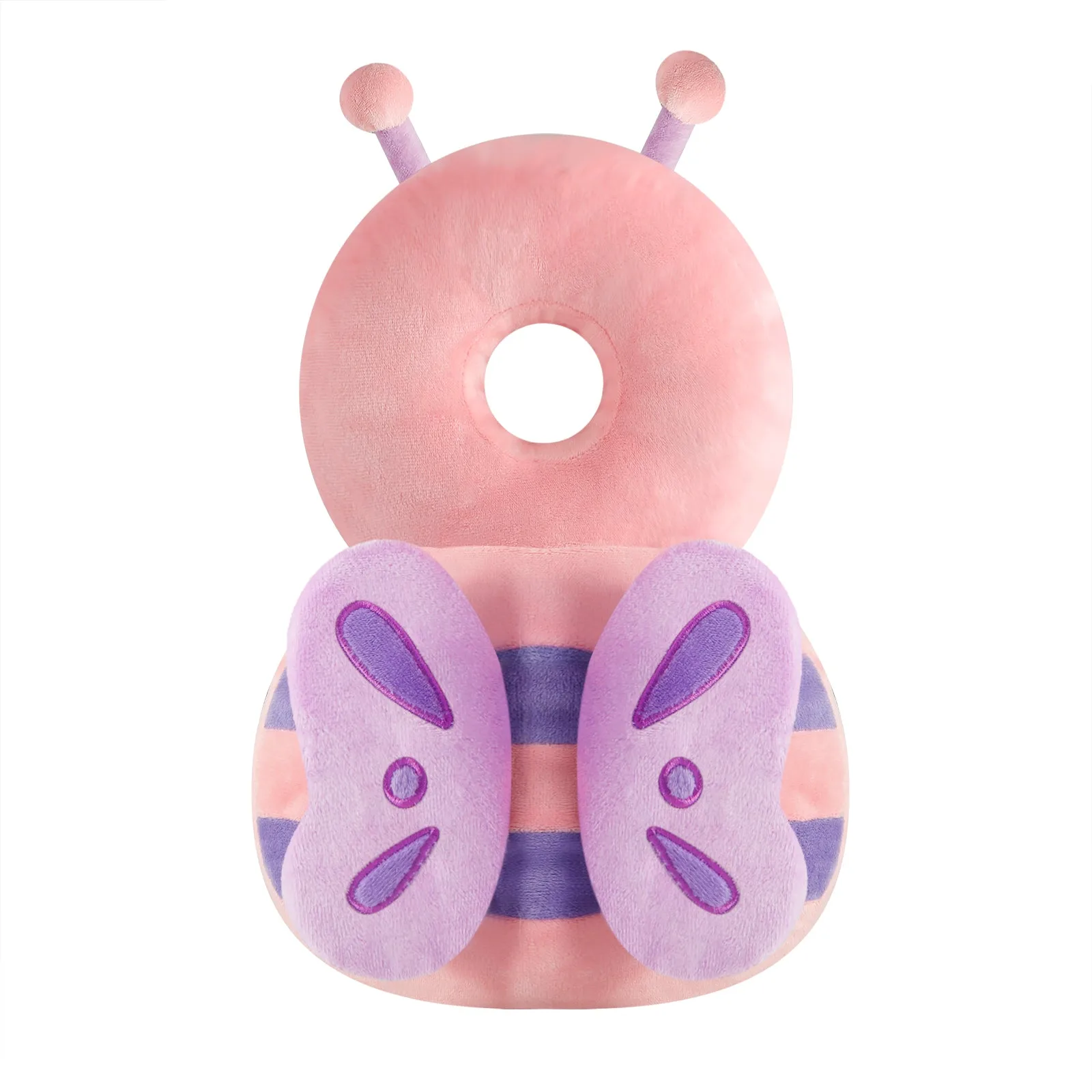
It is also important to choose age-appropriate foods. For younger babies (around 6 months), stick to soft, ripe fruits like banana or avocado, or steamed vegetables. Avoid foods that are too hard or have small seeds, as these could pose a choking hazard even inside the feeder. For added safety during other activities, such as when your baby is learning to walk, consider using the PandaEar Baby Head Protection Backpack, Toddler Walking Head Protector, Adjustable Head Protector Pad Safety Cushion to prevent injuries from falls.
- Always supervise your baby while using a food feeder.
- Inspect the feeder before each use for damage.
- Clean thoroughly after every meal to maintain hygiene.
How to Introduce Solid Foods Using a Feeder
Introducing solid foods with a fruit feeder is simple and can be a fun experience for both you and your baby. Start by offering small amounts of one new food at a time, such as a piece of soft pear or a cube of cooked sweet potato. Place the food inside the pouch, secure the lid, and let your baby explore. They may initially just suck on the pouch, but over time they will learn to chew and extract the food.
As your baby becomes more comfortable, you can increase the variety of foods and textures. You can also use the feeder to offer frozen fruits for teething relief. Remember to introduce new foods one at a day to monitor for any allergic reactions. For a more structured mealtime, you can use the PandaEar Suction Bowl (3 Pack) to hold purees or small pieces of food that your baby can dip the feeder into, combining two feeding methods.
- Start with single-ingredient, soft foods.
- Allow your baby to explore at their own pace.
- Gradually introduce new flavors and textures.
Cleaning and Maintenance Tips
Proper cleaning of your baby food feeder is essential to prevent mold and bacteria. After each use, disassemble the feeder and rinse all parts under warm water. Use a small brush to clean the mesh or silicone pouch thoroughly, especially around the holes. Most feeders are top-rack dishwasher safe, but check the manufacturer's instructions. Avoid using harsh chemicals or abrasive sponges that could damage the material.
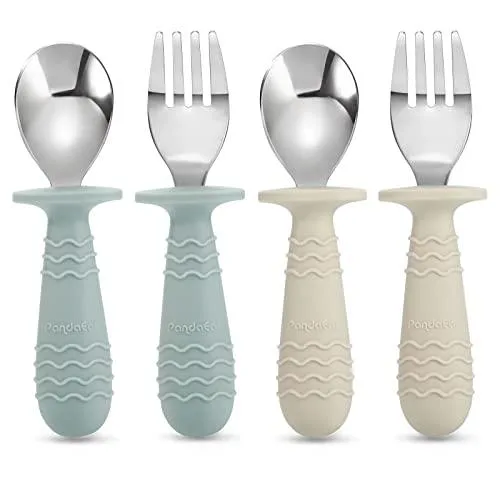
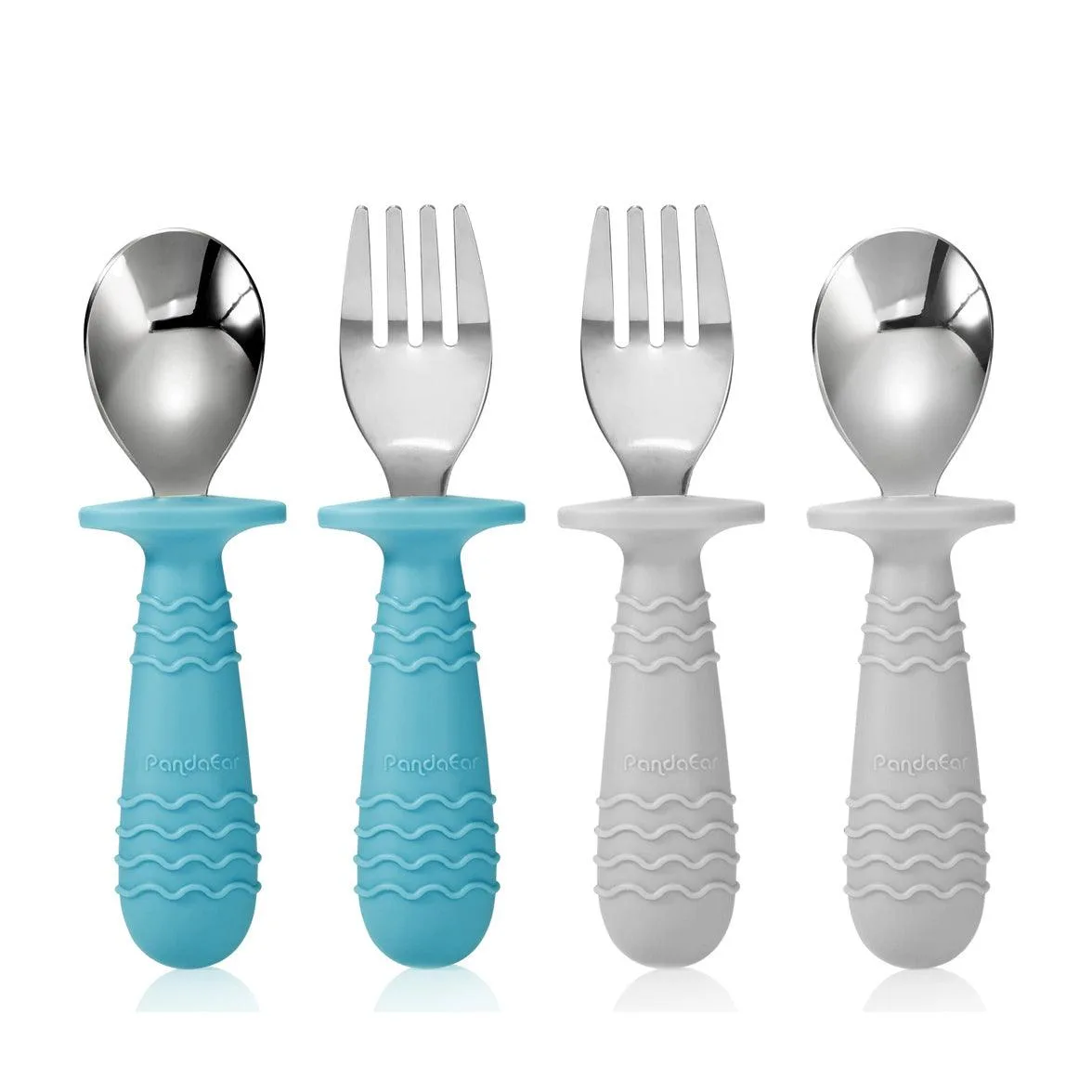
To extend the life of your feeder, store it in a dry, well-ventilated area. Some feeders come with a storage cap or case, which is convenient for travel. If you notice any discoloration or persistent odors, it may be time to replace the feeder. For other feeding essentials that require similar care, such as the PandaEar Toddler Silicone Stainless Steel Utensils, follow the same cleaning guidelines to ensure longevity and safety.
- Disassemble and rinse immediately after use.
- Use a dedicated bottle brush for thorough cleaning.
- Replace the feeder if you see signs of wear or mold.
Fruit and food feeder pacifiers are a wonderful tool for parents navigating the exciting world of solid foods. They offer a safe, messy-free, and engaging way for your baby to explore new tastes and textures while building independence. By following safety guidelines and choosing high-quality products, you can make mealtime a positive experience for your little one. To get started, explore the PandaEar collection of feeding accessories, including the versatile Feeding Set, which complements the feeder perfectly and supports your baby's journey to self-feeding.