Baby food pouches have become a go-to solution for busy parents seeking convenient, mess-free feeding. Whether you're packing a lunch for daycare or heading out for a family adventure, pouches offer portability and ease. However, proper storage and safety practices are crucial to keep your baby healthy and happy. In this guide, we'll cover everything you need to know about baby food pouch storage, safety tips, and how to choose the right tools for feeding.
From understanding expiration dates to cleaning reusable pouches, we'll walk you through the best practices. Plus, we'll highlight some essential products from PandaEar that can make your pouch-feeding experience smoother. Let's dive in!
Why Baby Food Pouch Storage Matters
Proper storage of baby food pouches is not just about keeping them organized; it directly impacts your baby's health. Bacteria can grow quickly in improperly stored pouches, especially after opening. Always refrigerate unused portions within two hours of opening and use them within 24 to 48 hours. For homemade purees stored in reusable pouches, follow the same rule to prevent spoilage.
Temperature control is key. Never leave pouches in a hot car or direct sunlight, as heat can degrade nutrients and create a breeding ground for harmful bacteria. When traveling, use an insulated cooler bag with ice packs to maintain a safe temperature. This simple habit can prevent foodborne illnesses and keep your baby safe.
- Always check the pouch's seal before use to avoid leaks and contamination.
- Label homemade pouches with the date and contents to track freshness.
Choosing the Right Feeding Tools
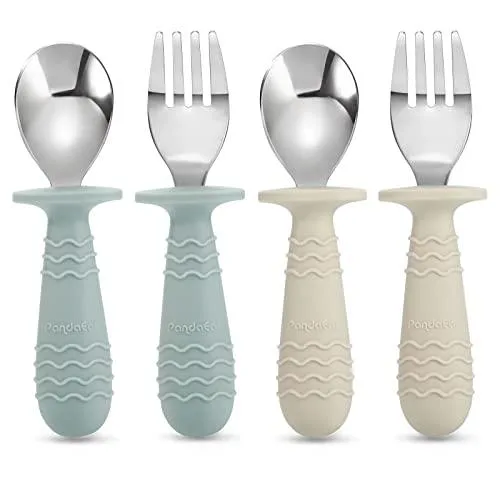
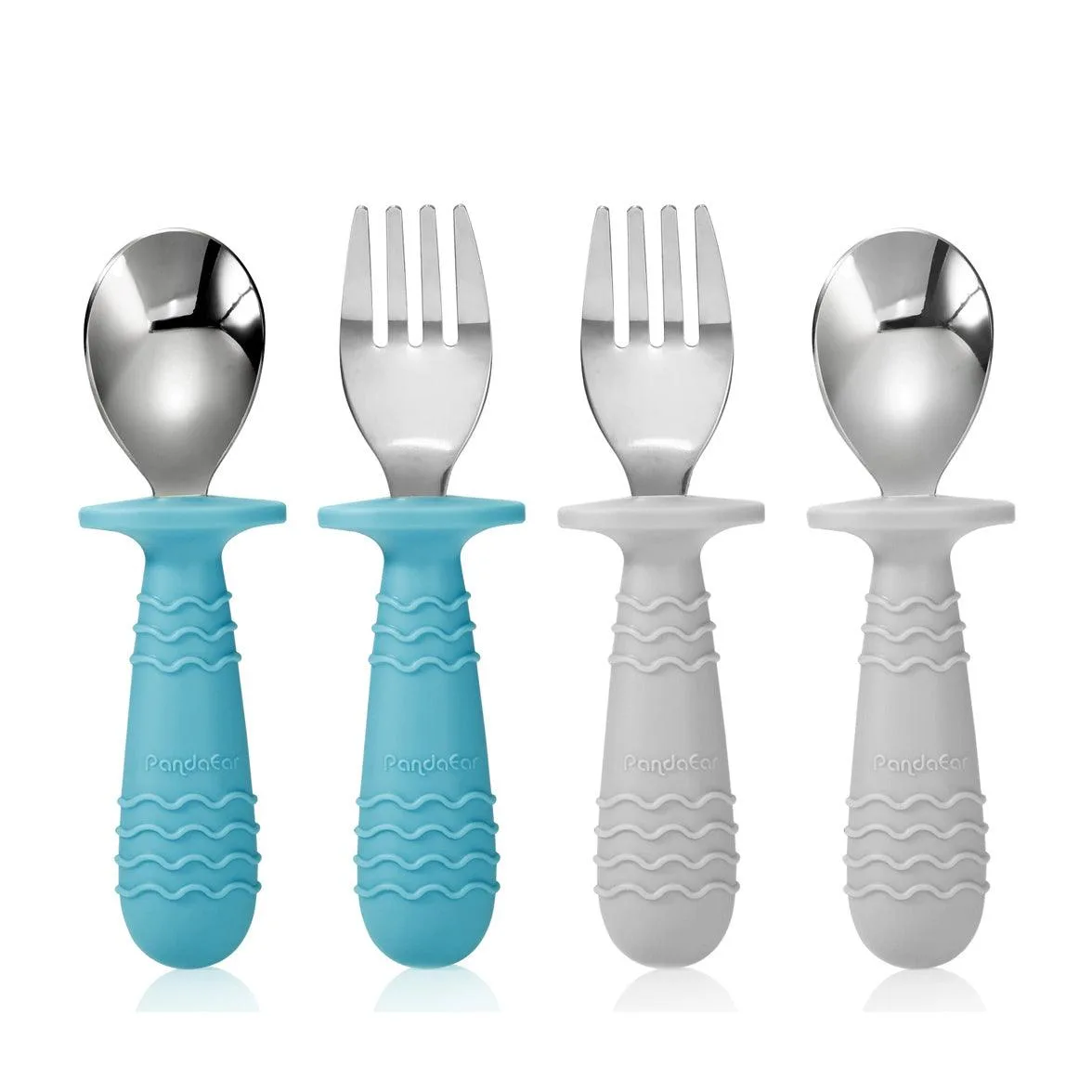
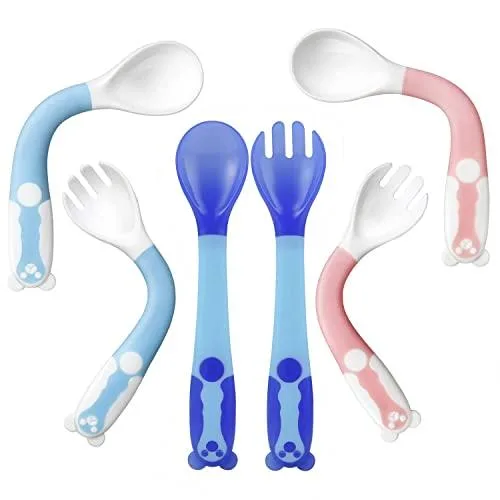
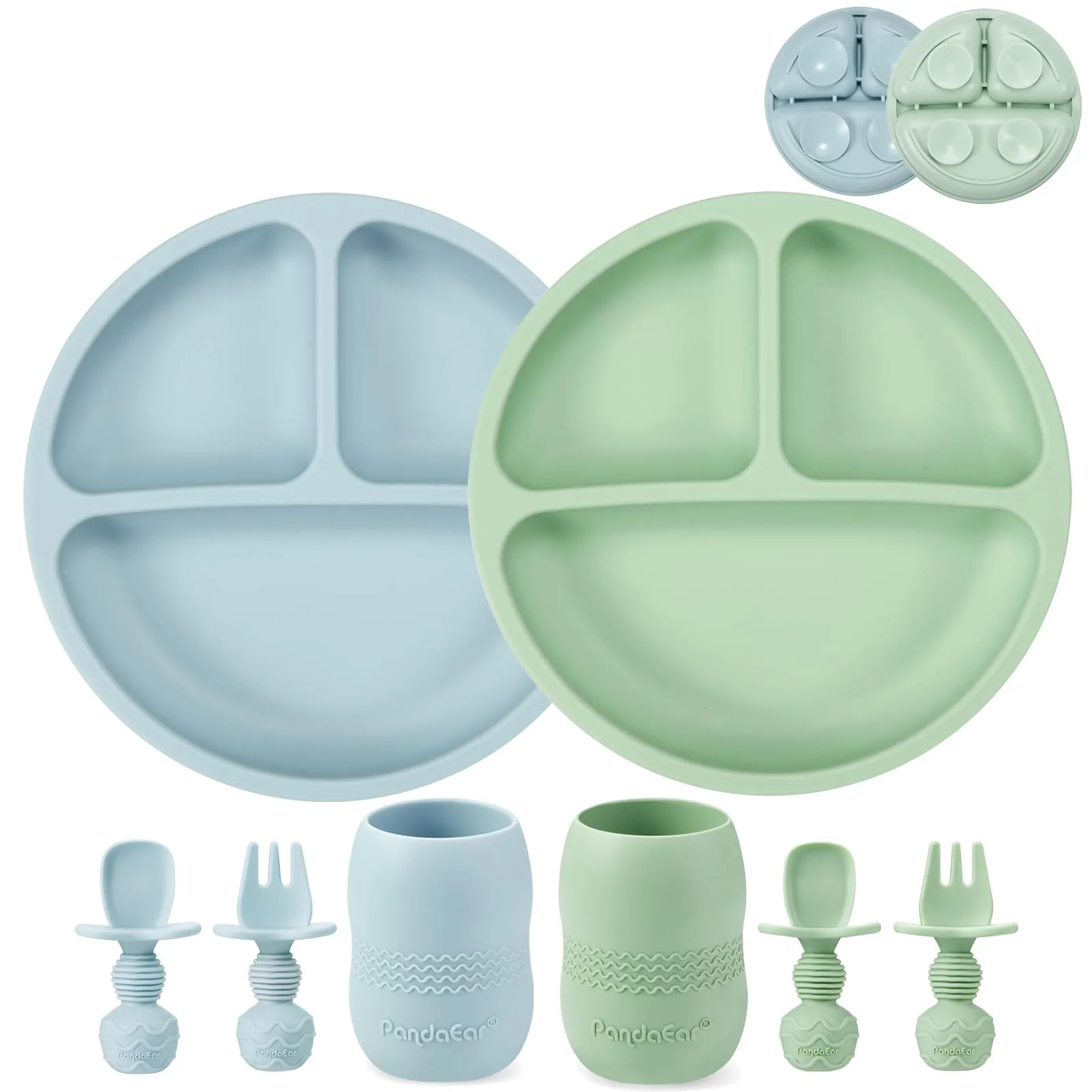
Feeding your baby from pouches can be messy without the right tools. A high-quality set like the https://terracradle.shop/products/feeding-set-120851https://terracradle.shop/products/feeding-set-120896https://terracradle.shop/products/feeding-set-120898https://terracradle.shop/products/feeding-set-120899Feeding Set from PandaEar includes utensils designed for small hands and easy cleaning. Silicone spoons are gentle on gums and can be used directly with pouches to control the flow of food. This reduces mess and encourages self-feeding.
For older babies who are learning to use utensils, consider the Spoons & Forks (6pack) from PandaEar. These are ergonomically designed for little fingers and made from food-grade silicone. They're perfect for transitioning from pouch feeding to table foods. Having multiple sets ensures you always have clean utensils on hand.
- Look for BPA-free, dishwasher-safe utensils for easy cleaning.
- Use a bib with a pocket to catch drips and reduce laundry.
Reusable vs. Disposable Pouches: Safety Considerations
Reusable food pouches are eco-friendly and cost-effective, but they require diligent cleaning. After each use, wash them thoroughly with hot soapy water and a bottle brush, then air dry completely to prevent mold. Many reusable pouches are dishwasher-safe, but check the manufacturer's instructions. Avoid using abrasive sponges that can scratch the interior and harbor bacteria.
Disposable pouches are convenient but generate waste. If you use them, always check the expiration date and inspect the pouch for damage before feeding. Never microwave a pouch directly, as it can create hot spots and weaken the plastic. Instead, warm the pouch by placing it in a bowl of warm water. This ensures even heating and preserves nutrients.
- Replace reusable pouches every 3-6 months or if you notice any wear or odor.
- Freeze homemade purees in pouches for up to three months for long-term storage.
Safe Feeding Practices for Pouches
Feeding your baby directly from a pouch can lead to overeating and poor portion control. Instead, squeeze a small amount onto a spoon or into a bowl. This helps your baby learn to eat from a utensil and prevents waste. The Plates (3 Pack) from PandaEar are ideal for serving purees and finger foods, with divided sections to keep foods separate.
Always supervise your baby during pouch feeding to prevent choking. If your baby is eating from a pouch directly, ensure the spout is clean and the flow is not too fast. For younger babies, use a slow-flow nipple or a spoon. As your baby grows, you can introduce self-feeding with a pouch and a spoon, but always stay nearby.
- Never leave your baby unattended with a pouch, as they can squeeze too hard and cause a mess or choking hazard.
- Introduce one new flavor at a time to monitor for allergies.
Storing Homemade Purees in Pouches
Making your own baby purees is rewarding, but storage is key. Use reusable pouches designed for freezing, leaving some space at the top for expansion. Lay them flat in the freezer to save space and thaw quickly. When ready to use, thaw in the refrigerator overnight or in a bowl of warm water. Never refreeze thawed purees.
For on-the-go feeding, pre-fill pouches with a mix of fruits, vegetables, and grains. The Long Sleeved Bibs (3 Pack) from PandaEar are perfect for messy meals, protecting your baby's clothes and making cleanup easy. Pair them with a Splat Ma for High Chair to catch spills and keep your feeding area clean.
- Use a funnel to fill pouches easily and avoid spills.
- Freeze purees in ice cube trays first, then transfer to pouches for portion control.
Baby food pouches are a fantastic tool for modern parents, but safety and storage should always come first. By following these tips, you can ensure your baby enjoys healthy, delicious meals without worry. Explore PandaEar's range of feeding essentials, including the Feeding Set, to make every mealtime a success. Your little one deserves the best, and with the right products, you can provide it with confidence.