Establishing a consistent baby feeding schedule is one of the most important steps for new parents. It helps regulate your baby's hunger cues, supports healthy growth, and makes daily routines more predictable. Whether you're breastfeeding, formula-feeding, or starting solids, knowing when and how much to feed your baby can reduce stress for both you and your little one.
In this comprehensive guide, we'll walk you through age-appropriate feeding schedules from birth through 12 months, highlight key feeding products that simplify meal times, and share practical tips for transitioning to solid foods. By the end, you'll have a clear roadmap for nourishing your baby with confidence.
Newborn Feeding Schedule (0-3 Months)
During the first few months, your baby's stomach is tiny, so frequent feedings are essential. Newborns typically need to eat every 2-3 hours, or 8-12 times in 24 hours. Breastfed babies may feed more often due to easier digestion of breast milk, while formula-fed babies might go slightly longer between feedings. Watch for early hunger signs like rooting, sucking on hands, or smacking lips to avoid a frantic, crying baby.
At this stage, a flexible feeding schedule is more realistic than a rigid one. Most babies will naturally settle into a pattern around 6-8 weeks. Keep a log of feeding times and amounts to help you spot trends. It's also a good time to introduce products that make feeding more comfortable, such as a gentle baby silicone finger toothbrush for oral care after feedings.
- Feed on demand: every 2-3 hours or when hunger cues appear.
- Expect 8-12 feedings per day; cluster feeding is normal in the evenings.
- Use a feeding log to track patterns and share with your pediatrician.
Introducing Solid Foods (4-6 Months)
Around 4-6 months, most babies show readiness for solids: good head control, sitting with support, and interest in your food. Start with single-ingredient purees like iron-fortified cereal, avocado, or sweet potato. Offer one new food every 3-5 days to monitor for allergies. At this stage, continue breast milk or formula as the primary nutrition source.
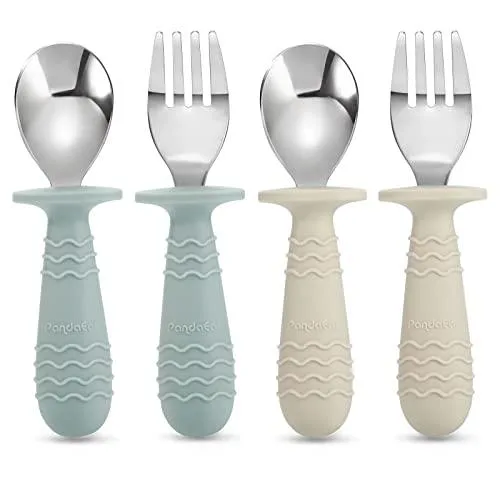
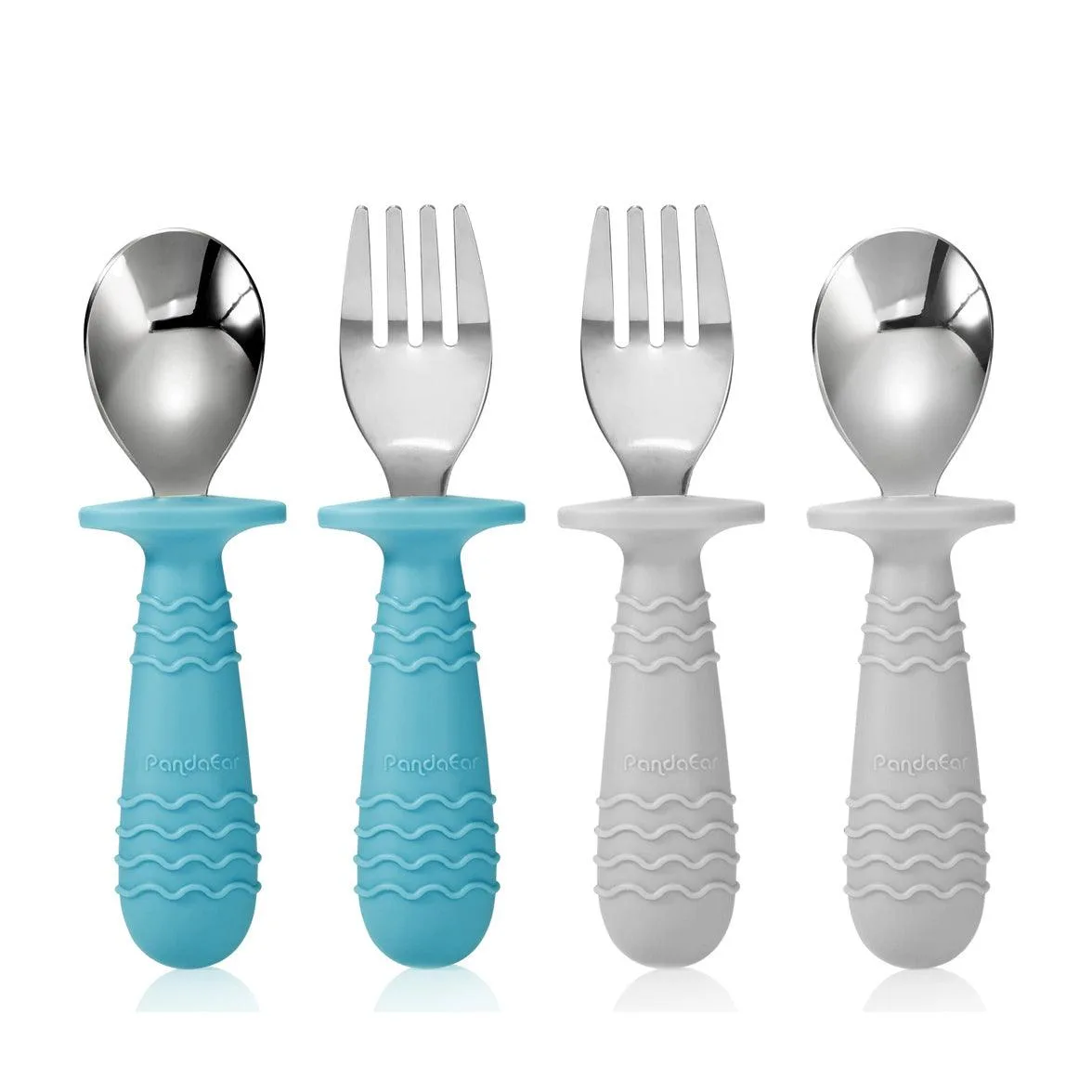
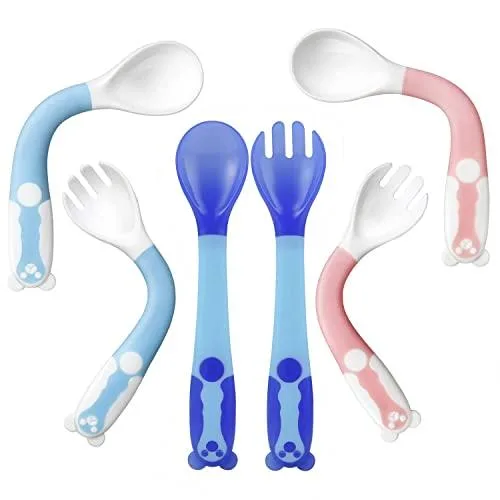
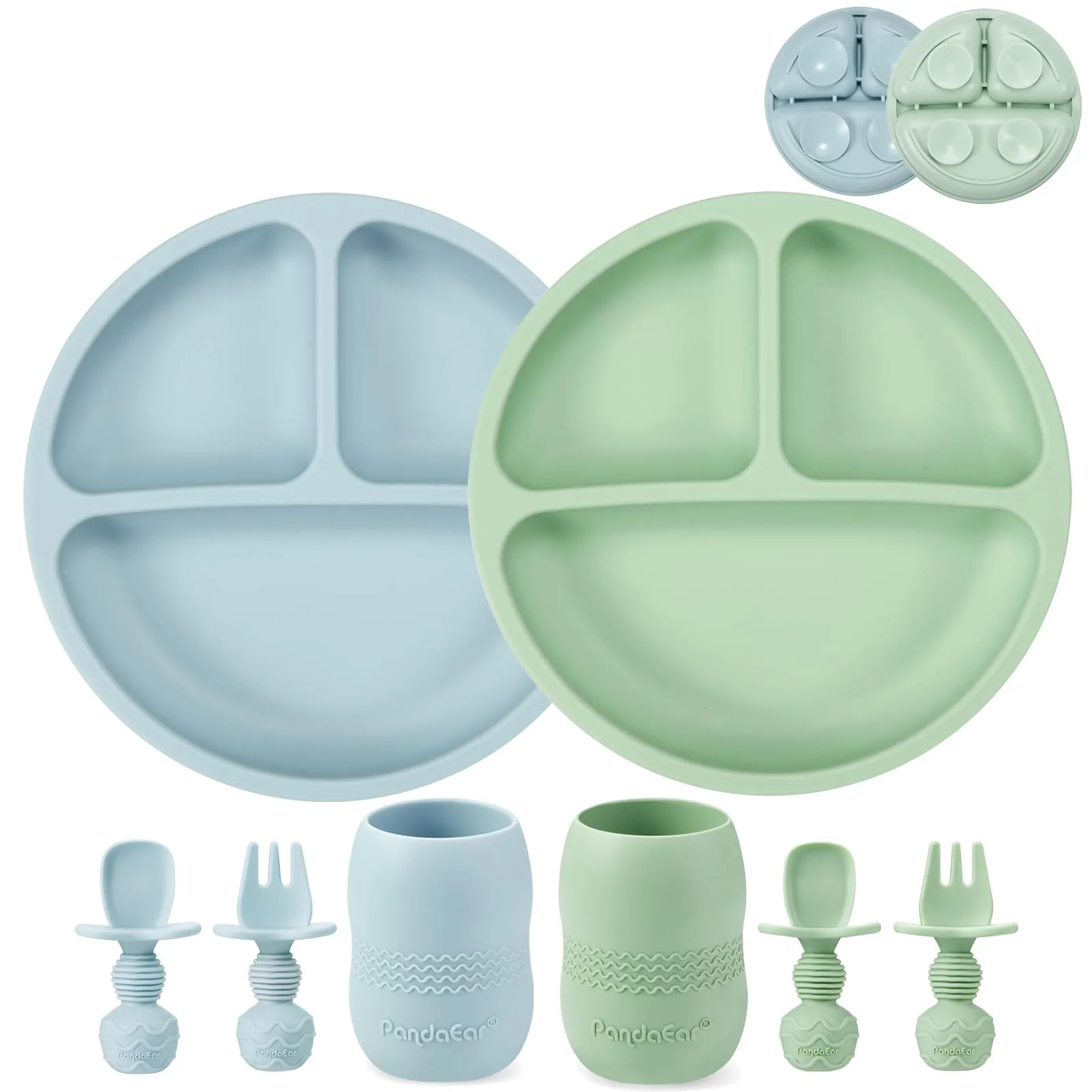
A dedicated https://terracradle.shop/products/feeding-set-120851https://terracradle.shop/products/feeding-set-120896https://terracradle.shop/products/feeding-set-120898https://terracradle.shop/products/feeding-set-120899feeding set can make this transition smoother. Look for a set that includes a bowl, spoon, and cup designed for small hands. Silicone options are gentle on gums and easy to clean. A feeding set with suction base helps prevent spills as your baby learns to self-feed. Pair it with a long sleeve bib to protect clothing during messy explorations.
- Start with one meal per day, gradually increasing to two meals by 6 months.
- Offer pureed or mashed foods; avoid honey, cow's milk, and choking hazards.
- Use a soft-tipped spoon and a shallow bowl to encourage self-feeding.
Building a Meal Routine (6-9 Months)
By 6-9 months, your baby likely enjoys 2-3 meals of solids per day, plus breast milk or formula. This is the perfect time to introduce finger foods like soft cooked vegetables, small pieces of fruit, and teething crackers. Encourage self-feeding to develop fine motor skills and independence. Expect mess—it's part of the learning process.
To manage the mess effectively, invest in a high-quality long sleeve bib. These bibs cover the arms and chest, catching spills and keeping clothes cleaner. A 3-pack of long sleeve bibs ensures you always have a clean one ready. Also consider using plates with divided sections to keep different foods separate and interesting for your baby.
- Offer 2-3 meals of solids plus 4-6 nursing or bottle sessions.
- Introduce a variety of textures: mashed, minced, and soft finger foods.
- Let your baby self-feed with safe utensils and a suction plate.
Transitioning to Table Foods (9-12 Months)
Between 9-12 months, your baby can handle more complex textures and may be ready for chopped table foods. Continue offering breast milk or formula, but solids become the main source of calories. Aim for 3 meals and 1-2 snacks per day. This is also a good time to introduce a cup for water or expressed milk.
A feeding set designed for older babies can ease the transition. Look for a set that includes a cup with handles, a fork, and a spoon. The feeding set from PandaEar is an excellent choice, offering ergonomic designs that fit small hands. Pair it with a pacifier holder to keep soothers clean and accessible during outings.
- Offer three meals and one to two snacks daily.
- Cut foods into pea-sized pieces to prevent choking.
- Encourage drinking from an open cup or straw cup.
Essential Feeding Products for Every Stage
Having the right feeding products can transform chaotic meal times into enjoyable bonding moments. A well-designed feeding set simplifies the process by providing all the essentials in one package. Look for BPA-free, dishwasher-safe materials that are gentle on your baby and easy on you.
Other must-have items include a long sleeve bib to protect clothing, a pacifier holder to prevent drops on dirty floors, and a nasal irrigator for clearing stuffy noses that can interfere with feeding. Each product plays a role in creating a smooth, hygienic feeding experience.
- Feeding set: includes cup, bowl, and utensils for complete meals.
- Long sleeve bib: keeps clothes clean during self-feeding practice.
- Pacifier holder: attaches to clothing to keep pacifiers clean and handy.
Tips for Managing Messy Meals
Messy meals are a sign of a learning baby, but they don't have to overwhelm you. Use a highchair with an easy-clean tray and place a splat mat underneath. Dress your baby in a long sleeve bib to catch spills, and keep a damp cloth nearby for quick wipe-ups. Let your baby explore textures and tastes without constant wiping—it builds positive associations with food.
After meals, rinse bibs and utensils immediately to prevent staining. Silicone products are particularly easy to clean and resist odors. A pacifier holder can also help keep pacifiers off the floor during outings, reducing the need for constant washing.
- Use a splat mat under the highchair for easy floor cleanup.
- Offer a pre-loaded spoon to reduce mess while encouraging self-feeding.
- Clean silicone bibs and utensils with warm soapy water after each meal.
Creating a baby feeding schedule that evolves with your child's development is key to nurturing healthy eating habits. With the right products—like a versatile feeding set and a practical long sleeve bib—you can make every meal a positive experience. Explore our collection of feeding essentials at PandaEar to find everything you need for stress-free, joyful meal times.