If you've ever stood in the kitchen wondering whether to grab your fry pan or stir fry pan, you're not alone. These two pans look similar at first glance, but they serve different purposes. Understanding the differences can elevate your cooking and help you get the best results from your recipes.
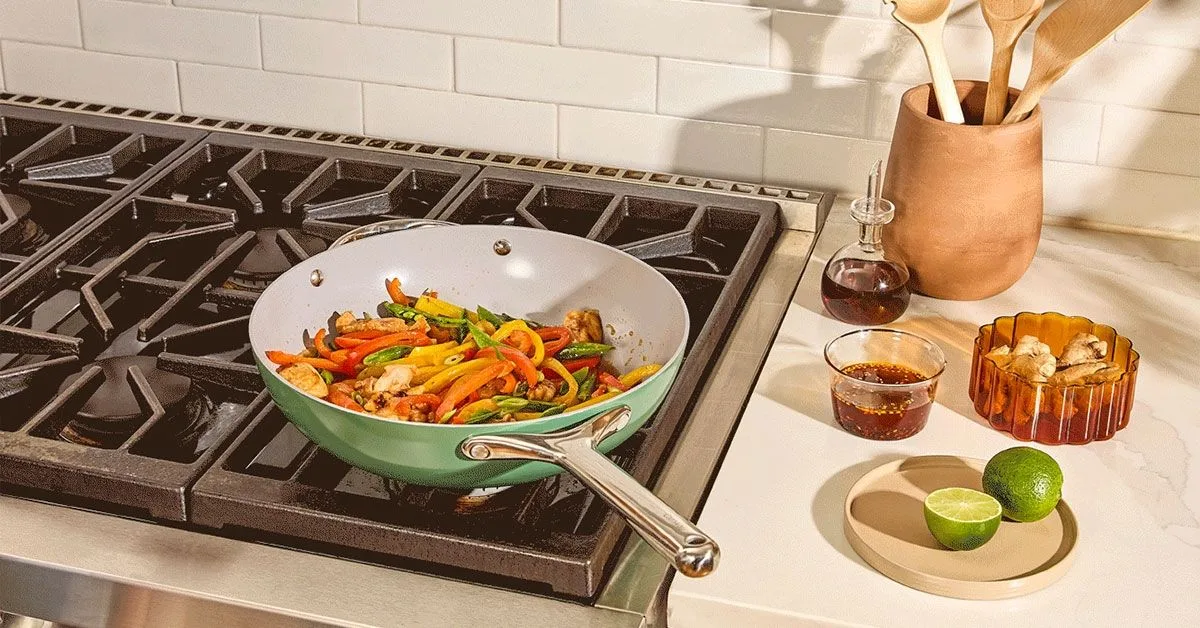
stir fry pan
In this guide, we'll compare fry pans and stir fry pans in terms of shape, heat distribution, and ideal uses. We'll also highlight how Caraway's nonstick cookware makes both options a joy to use.
What Is a Fry Pan?
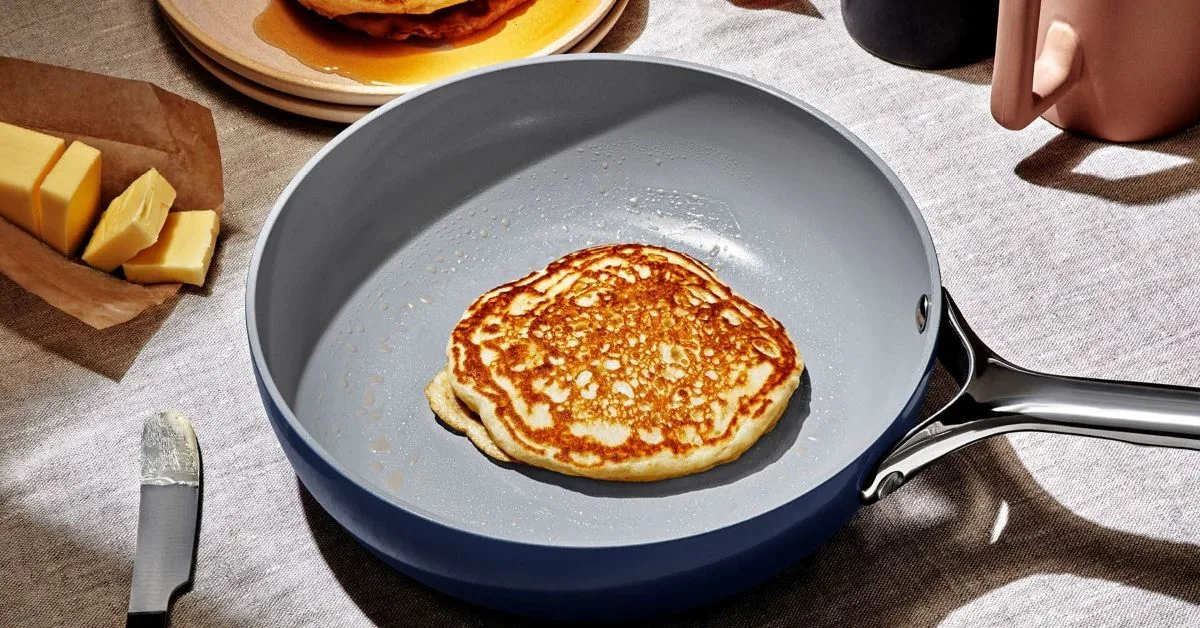
A fry pan—also called a skillet—has a flat bottom, low sides that slope outward, and a wide cooking surface. This design is perfect for searing meats, frying eggs, and making pancakes. The low sides allow easy flipping and turning, while the wide surface ensures even browning. Fry pans are typically measured by their diameter, with common sizes ranging from 8 to 12 inches.
Caraway's fry pans are made with a ceramic nonstick coating that requires less oil and releases food effortlessly. They heat evenly and are oven-safe up to 550°F, making them versatile for stovetop-to-oven recipes. For everyday tasks like sautéing vegetables or cooking a quick omelet, a fry pan is your go-to.
- Best for: searing, frying, sautéing, and flipping foods like pancakes and eggs.
What Is a Stir Fry Pan?
A stir fry pan, sometimes called a saute pan or wok-inspired pan, has higher, slightly curved sides and a larger surface area. The high sides help contain ingredients when tossing and stirring, reducing spills. The curved shape promotes even heat distribution and allows you to cook ingredients quickly over high heat—essential for authentic stir-fry dishes.
Caraway's stir fry pan combines these features with a nonstick ceramic coating, so you can stir-fry with minimal oil and easy cleanup. Its wide base gives you plenty of room for vegetables, protein, and sauce, while the high sides keep everything inside. For dishes like fried rice, lo mein, or vegetable stir-fry, this pan is ideal.
- Best for: stir-frying, tossing, and cooking saucy dishes with less mess.
Key Differences at a Glance
The main differences come down to shape and intended use. Fry pans have low, sloped sides and a flat bottom, making them great for tasks that require flipping or sliding food out. Stir fry pans have higher, curved sides that contain ingredients and allow vigorous tossing without spilling.
Heat distribution also varies. Fry pans excel at even searing across a flat surface, while stir fry pans concentrate heat at the bottom and distribute it up the sides—perfect for quick, high-heat cooking. If you often cook Asian-inspired dishes or large batches of vegetables, a stir fry pan may be more versatile. For classic American and European dishes, a fry pan is often sufficient.
- Fry pan: low sloped sides, wide flat surface, ideal for searing and flipping.
- Stir fry pan: high curved sides, larger capacity, ideal for tossing and stir-frying.
- Both Caraway options feature ceramic nonstick coating and even heat distribution.
Which Pan Should You Choose?
Your choice depends on what you cook most often. If you frequently make stir-fries, fried rice, or dishes with lots of sauce and vegetables, a stir fry pan will make your life easier. If you prefer searing steaks, frying eggs, or making crepes, a fry pan is the better fit.
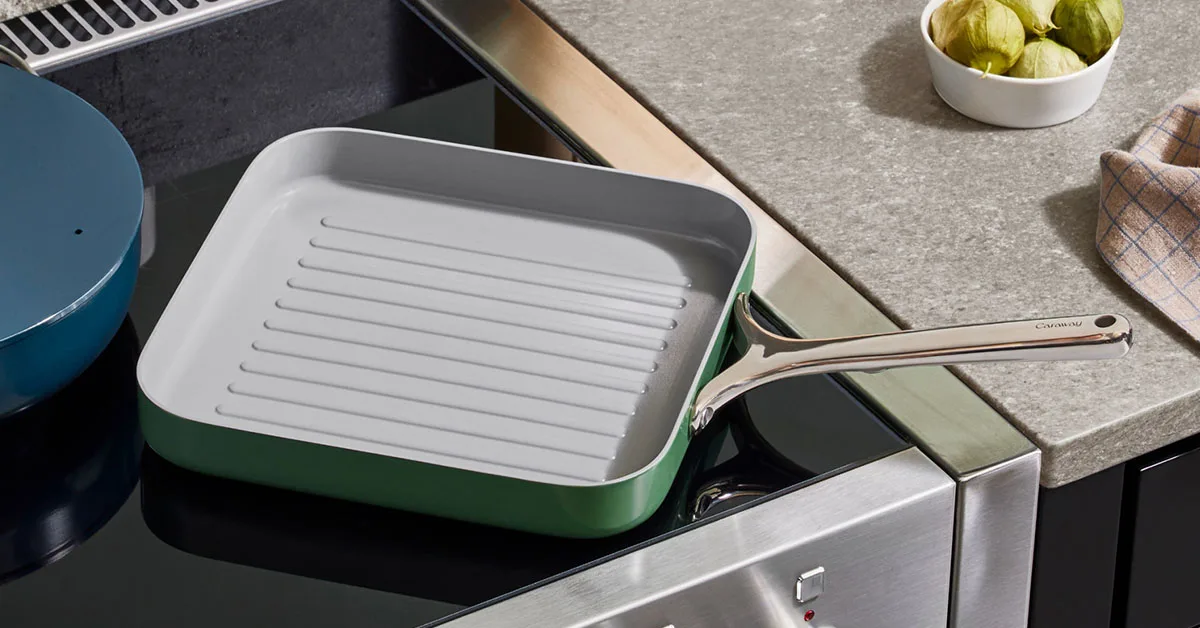
Many home cooks find that having both pans covers nearly all cooking needs. Caraway offers a range of cookware sets that include both options. For example, the Square Pan Duo gives you a square fry pan and a square stir fry pan, offering versatility in one package. The Cookware & Minis Set also includes multiple pieces for different tasks.
- Tip: If you only buy one, consider your most common recipes. For stir-fry lovers, go with the stir fry pan; for all-purpose use, a fry pan is hard to beat.
Cooking Tips for Each Pan
To get the most out of your fry pan, preheat it over medium heat before adding oil. This helps achieve a perfect sear. Avoid using high heat for prolonged periods, as it can damage the nonstick coating. For stir fry pans, high heat is your friend—just keep ingredients moving to prevent burning. Use a wooden or silicone spatula to protect the ceramic surface.
Both pans are dishwasher-safe, but hand washing with mild soap extends the life of the nonstick coating. Caraway's cookware is designed to be durable and easy to maintain, so you can enjoy nonstick performance for years.
Whether you choose a fry pan or a stir fry pan, Caraway's ceramic nonstick cookware delivers excellent performance and easy cleanup. If you're ready to upgrade your kitchen, explore the Square Pan Duo for a versatile two-pan solution that handles both searing and stir-frying with ease.