Quick answer
The Fuego Down Scarf is a lightweight, packable down accessory built for core warmth in cold, dry conditions. Buy it if you want a low-bulk layer that stuffs into a pocket for travel, commuting, or shoulder-season hikes. Skip it if you need windproof protection for exposed ridges or you run hot on mild winter days.
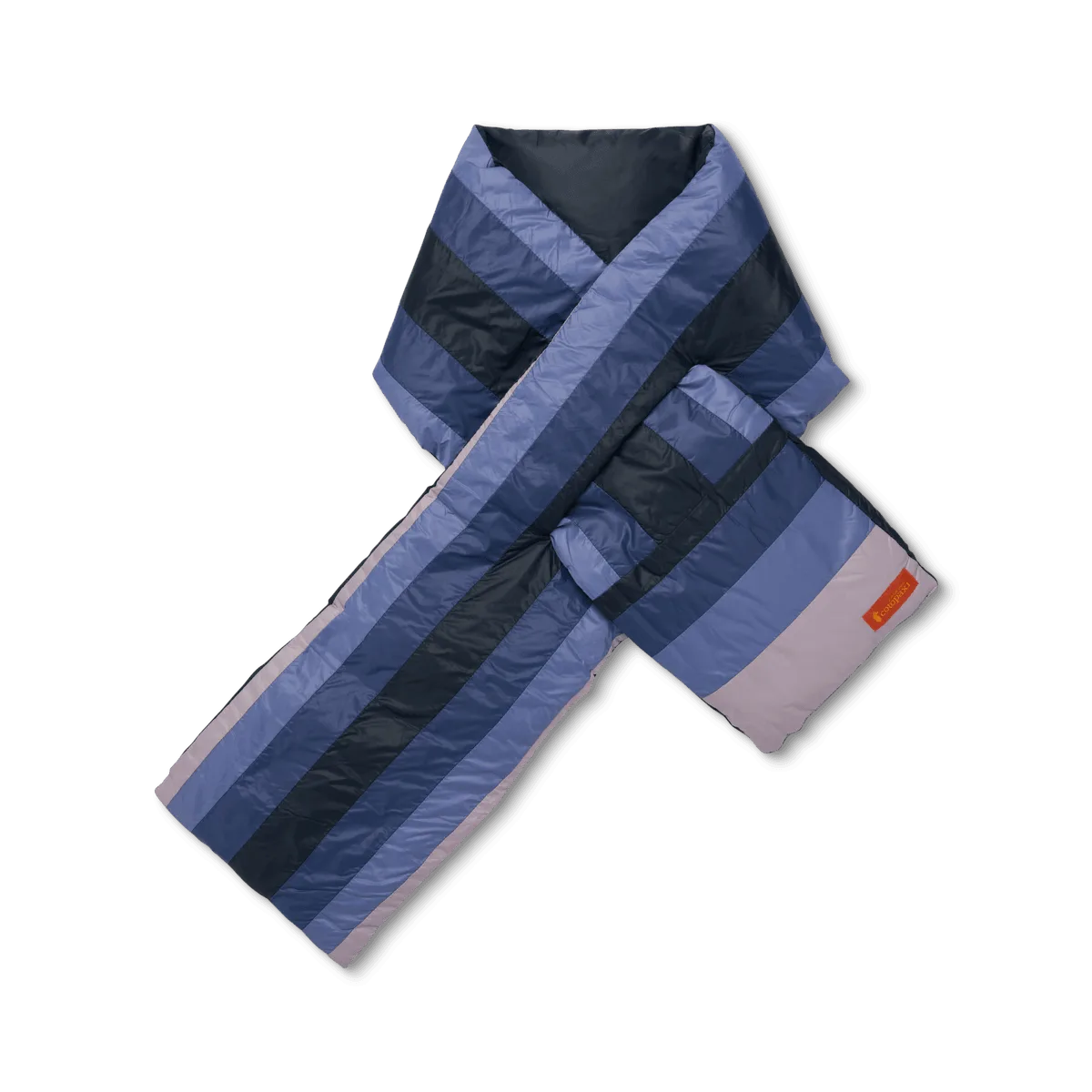
Fuego Down Scarf
A down scarf solves a specific problem: keeping your neck warm without adding the bulk of a full gaiter or the weight of a second jacket. The Fuego Down Scarf sits in that gap, using the same down insulation approach as the Fuego family to trap heat where you lose it fastest. That makes it a smart add-on for travel and everyday cold, but it is not a replacement for a windproof layer.
This guide covers what the Fuego Down Scarf is made of, how to judge whether its warmth level fits your winter, how it should fit, and how to wash and store it so the down keeps its loft. If you are comparing it against a fleece scarf or a heavier knit, the decision rules below will help you choose.
What the Fuego Down Scarf is made of
The Fuego Down Scarf uses down insulation, which is the same fill type that makes the Fuego family warm for its weight. Down works by trapping air in clusters, so warmth comes from loft rather than thickness. That is why a down scarf can feel surprisingly light while still cutting the chill on a cold morning. The tradeoff is that down loses its advantage when it gets wet, so it belongs in dry cold rather than sleet or heavy rain.
Because the scarf is built around lightweight, packable construction, it compresses small enough to live in a jacket pocket or a daypack. That makes it a strong travel piece: you can carry it all day and only pull it out when the temperature drops. For wet or windy conditions, pair it with a shell or a water-resistant outer layer rather than wearing it alone.
- Down insulation gives warmth-to-weight efficiency, but keep it dry for best performance.
- Packable design means it disappears into a pocket until you need it.
- Treat it as a mid-layer accessory, not a standalone weather barrier.
How warm is a down scarf, really?
Warmth in a down scarf comes from loft and coverage, not from how tightly it wraps. A down scarf is best at blocking the cold air that sneaks in at your collar, which is often the difference between comfortable and miserable on a winter walk. It is not designed to replace a hood or a balaclava in serious wind. If your winters are wet and windy, a water-resistant shell scarf or a fleece gaiter will serve you better.
Think of the Fuego Down Scarf as a core-warmth accessory for cold, dry days: commuting, dog walks, travel, and shoulder-season hikes. If you run cold, it layers well under a jacket collar. If you run hot, it may be more than you need on mild days, and a lighter neck gaiter could be the better call.
- Best for dry cold: winter commutes, travel, and morning walks.
- Pair with a windproof shell when conditions turn gusty.
- If you overheat easily, choose a lighter neck layer instead.
Down scarf vs fleece scarf: which to choose
Fleece scarves are more forgiving in damp conditions and usually cheaper, but they are bulkier and heavier for the same warmth. Down scarves pack smaller and feel lighter around the neck, which matters if you are carrying it all day or stuffing it into a carry-on. The right choice depends on your climate and how much space you want to give up in your bag.
If you already own a fleece layer you like for wet days, a down scarf complements it rather than replaces it. Use down for dry cold and travel, and fleece for wet, slushy conditions. That two-scarf approach covers more of the year than trying to make one piece do everything.
- Choose down for packability and warmth-to-weight.
- Choose fleece for wet conditions and lower cost.
- Owning both covers more weather than forcing one to do it all.
How to care for a down scarf
Down needs loft to insulate, and loft comes back best when you wash it gently and dry it thoroughly. Use a down-specific cleaner or a mild detergent, avoid fabric softener, and skip the top-load agitator if you can. After washing, tumble dry on low with dryer balls or clean tennis balls to break up clumps and restore the fill. Store the scarf loosely rather than compressed for long periods.
Small habits make a big difference. Air the scarf out after wearing it, spot-clean small marks instead of washing the whole piece, and keep it away from sharp Velcro and zipper teeth that can snag the shell. If you treat it well, a down scarf can last many seasons without losing its warmth.
- Wash rarely, spot-clean often, and always dry fully.
- Use dryer balls on low heat to restore loft.
- Store loosely, not stuffed into a compression sack.
Decision rules for buying a down scarf
- Buy it if you want packable neck warmth for dry cold: The Fuego Down Scarf is built for cold, dry conditions where low bulk and easy packing matter more than weatherproofing. Best for travel, commuting, and shoulder-season hikes.
- Skip it if you need windproof or waterproof protection: Down loses effectiveness when wet and does not block wind on its own. For exposed, wet, or gusty conditions, choose a shell or fleece alternative. Pair with a windproof layer or choose a different scarf.
- Choose down over fleece when space and weight matter: Down packs smaller and feels lighter for the warmth it provides. Fleece is better for damp conditions and tends to cost less. Match the material to your climate, not just the temperature.
- Plan for care before you buy: Down requires gentle washing and thorough drying to keep its loft. If you want zero-maintenance gear, a synthetic scarf may suit you better. Commit to occasional care to get years of warmth.
Product facts
- Fuego Max Down Vest - Men's: An even warmer version of the Fuego Vest with wider baffles for extra warmth, wind- and water-resistant fabric, and spacious hand and chest pockets. If you want the same down warmth approach as the Fuego Down Scarf but for your core, this vest layers over a baselayer and under a shell for cold, windy days.
- Abrazo Fleece Full-Zip Jacket - Men's: A cool-weather classic made with 100% recycled fleece, featuring a stretch woven chest pocket, elastic binding at collar and cuffs, and two hand pockets. A fleece layer like this pairs well with a down scarf: fleece handles damp conditions while the scarf adds focused neck warmth without bulk.
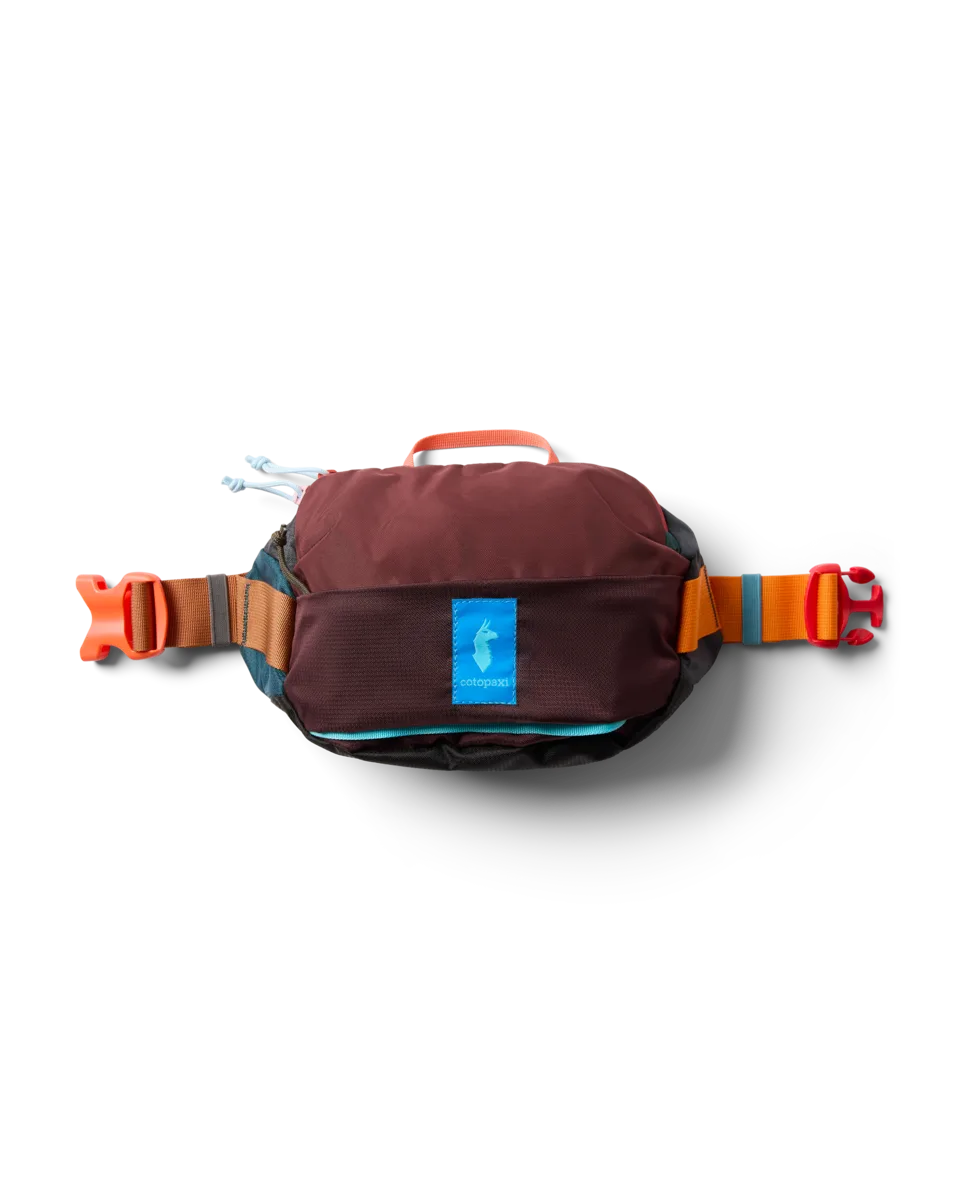
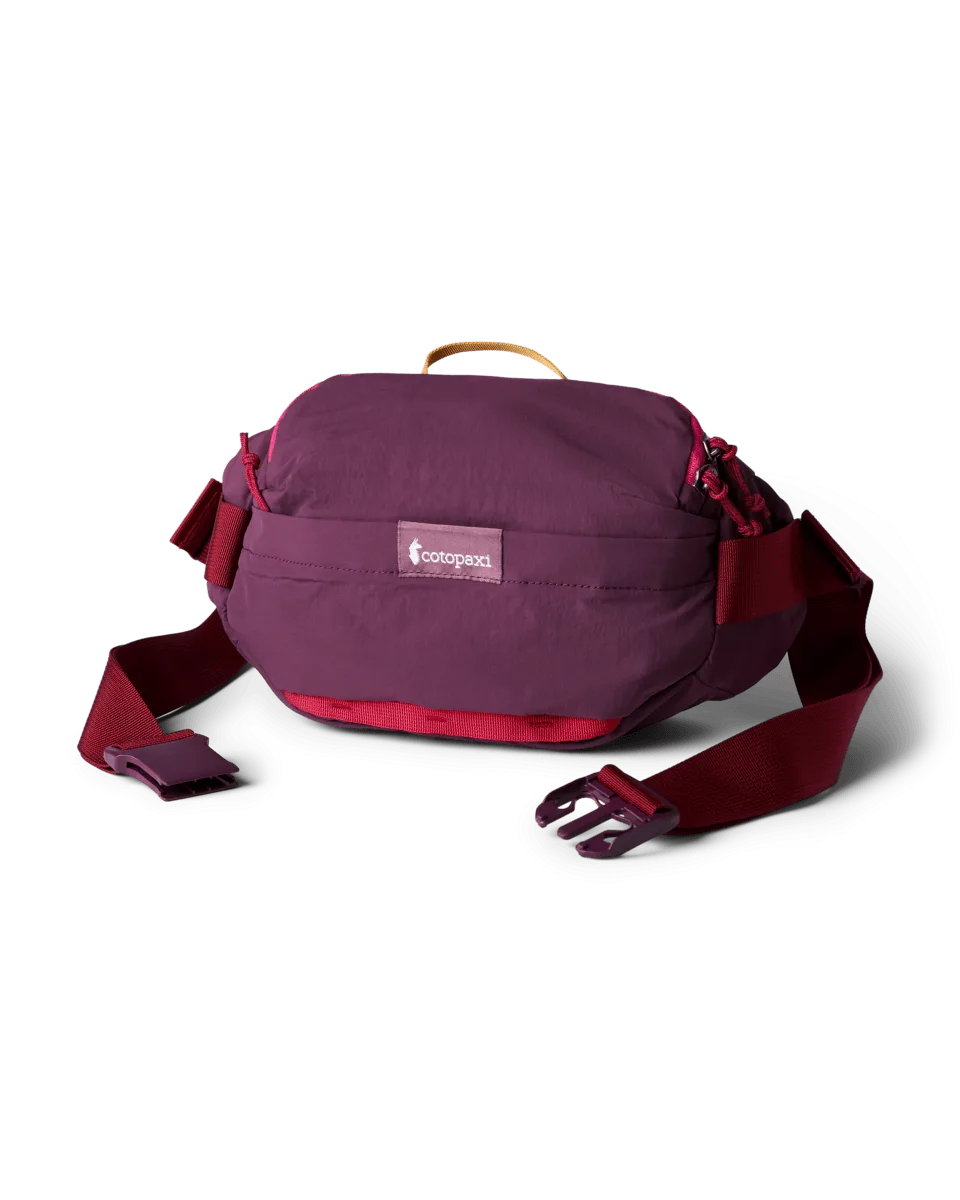
- https://cotopaxiety.com/products/empacable-3l-sling-del-dia-192a4579e33b00b51439a20e-1804327Empacable 3L Sling - Del Día: A super lightweight, 100% recycled sling that is easy to stuff away and pop back out. If you carry a packable down scarf, a small packable sling keeps it accessible without adding weight to your setup.
Who the Fuego Down Scarf is for
Best for
- Travelers who want a warm layer that packs into a pocket
- Commuters and dog walkers in cold, dry winter conditions
- Hikers who need a lightweight neck layer for shoulder-season mornings
Not for
- Wet, slushy, or heavy-rain climates where down underperforms
- Exposed, windy ridges where a windproof layer is essential
- Anyone who runs hot and needs only minimal neck coverage
The Fuego Down Scarf is a focused piece: light, packable, and warm for dry cold. If that matches your winter, it earns its place in your bag. If you need weatherproofing or zero maintenance, choose a fleece or shell layer instead and save the down for the days it shines.