Quick answer
Choose the Fujifilm GFX 100S II for unmatched medium format detail and dynamic range, or the X-T50 for a lighter, more affordable APS-C system with versatile film simulations.
Sensor size and image quality
The most fundamental difference between these two cameras is sensor size. The GFX 100S II uses a 102MP medium format sensor, which captures significantly more detail and offers a wider dynamic range than the APS-C sensor in the X-T50. This translates to richer tonal gradations, especially in highlights and shadows, and more flexibility for large prints or heavy cropping.
However, the X-T50's 40.2-megapixel X-Trans CMOS 5 sensor is no slouch. It delivers excellent resolution for most applications and benefits from Fujifilm's latest processing. The trade-off is that the GFX 100S II's sensor, with its larger physical area, produces a shallower depth of field at equivalent apertures, which can be a creative advantage for portrait and studio work.
Portability and handling
The X-T50 is a compact mirrorless camera designed for everyday carry and travel. It borrows the body design from the X100VI, making it lightweight and discreet. In contrast, the GFX 100S II is a larger, heavier body that requires more substantial lenses, making it less suited for casual or street photography.
If you prioritize a camera you can take anywhere without a dedicated bag, the X-T50 is the clear winner. The GFX 100S II is best reserved for planned shoots where ultimate image quality is the priority.
Film simulations and processing
Fujifilm's film simulations are a key selling point for both cameras, but the X-T50 offers a broader selection, including the latest REALA ACE. This makes it a particularly appealing choice for photographers who want to achieve classic film looks straight out of camera, without extensive post-processing.
The GFX 100S II also provides film simulations, but its primary audience is professionals who often prioritize raw file quality and color accuracy over in-camera presets. The X-T50's film simulation dial and dedicated controls make it more intuitive for enthusiasts who enjoy experimenting with different looks.
Trade-offs at a glance
- Image quality: The GFX 100S II offers superior detail, dynamic range, and shallow depth of field due to its larger medium format sensor. The X-T50 provides excellent APS-C quality that is more than enough for most uses.
- Portability: The X-T50 is significantly smaller and lighter, making it a better everyday carry. The GFX 100S II is a larger system that is more suitable for studio or planned shoots.
- Film simulations: The X-T50 includes more film simulation options, including REALA ACE, and is more oriented towards in-camera looks. The GFX 100S II still offers simulations but is geared towards raw workflow. Choose the X-T50 if you enjoy experimenting with film looks straight out of camera; choose the GFX 100S II if you prioritize raw file quality and post-processing flexibility.
- Price and value: The GFX 100S II is a premium investment at a higher price point. The X-T50 offers a more accessible entry point to Fujifilm's high-resolution mirrorless system.
Product facts
-
FUJIFILM GFX 100S II Medium Format Mirrorless Camera: The GFX 100S II features a newly developed 102MP CMOS II sensor and the powerful X-Processor 5, ensuring a wide dynamic range and an extensive sensitivity range of ISO 80-12800. This means you can capture incredibly detailed images with excellent low-light performance and a high tolerance for exposure adjustments in post-processing.
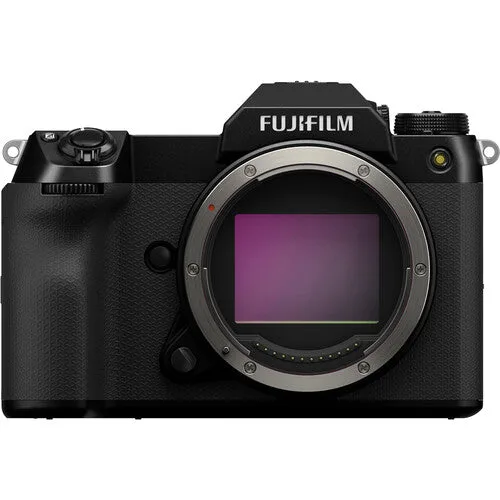
FUJIFILM GFX 100S II Medium Format Mirrorless Camera
-
FUJIFILM X-T50 Mirrorless Camera: The X-T50 offers unprecedented access to a variety of film replications, including the latest REALA ACE, and shares the same powerful 40.2-megapixel X-Trans CMOS 5 sensor from the flagship X100VI. You get flagship-level resolution and a wide palette of film looks in a compact body, ideal for photographers who want creative flexibility and portability.
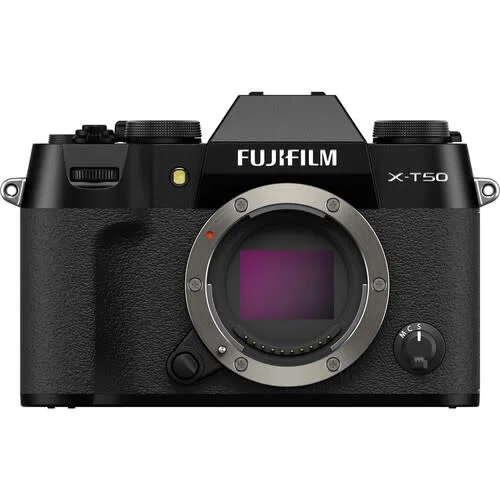
FUJIFILM X-T50 Mirrorless Camera
Which one should you choose?
Best for
- Professionals and serious enthusiasts who need the ultimate in image quality, dynamic range, and resolution for large prints or commercial work.
- Studio, landscape, and portrait photographers who can benefit from the medium format look and are willing to invest in a heavier system.
Not for
- Travel, street, or everyday photographers who prioritize portability and a compact system.
- Budget-conscious buyers who need a versatile camera without the premium cost of medium format.