Quick answer
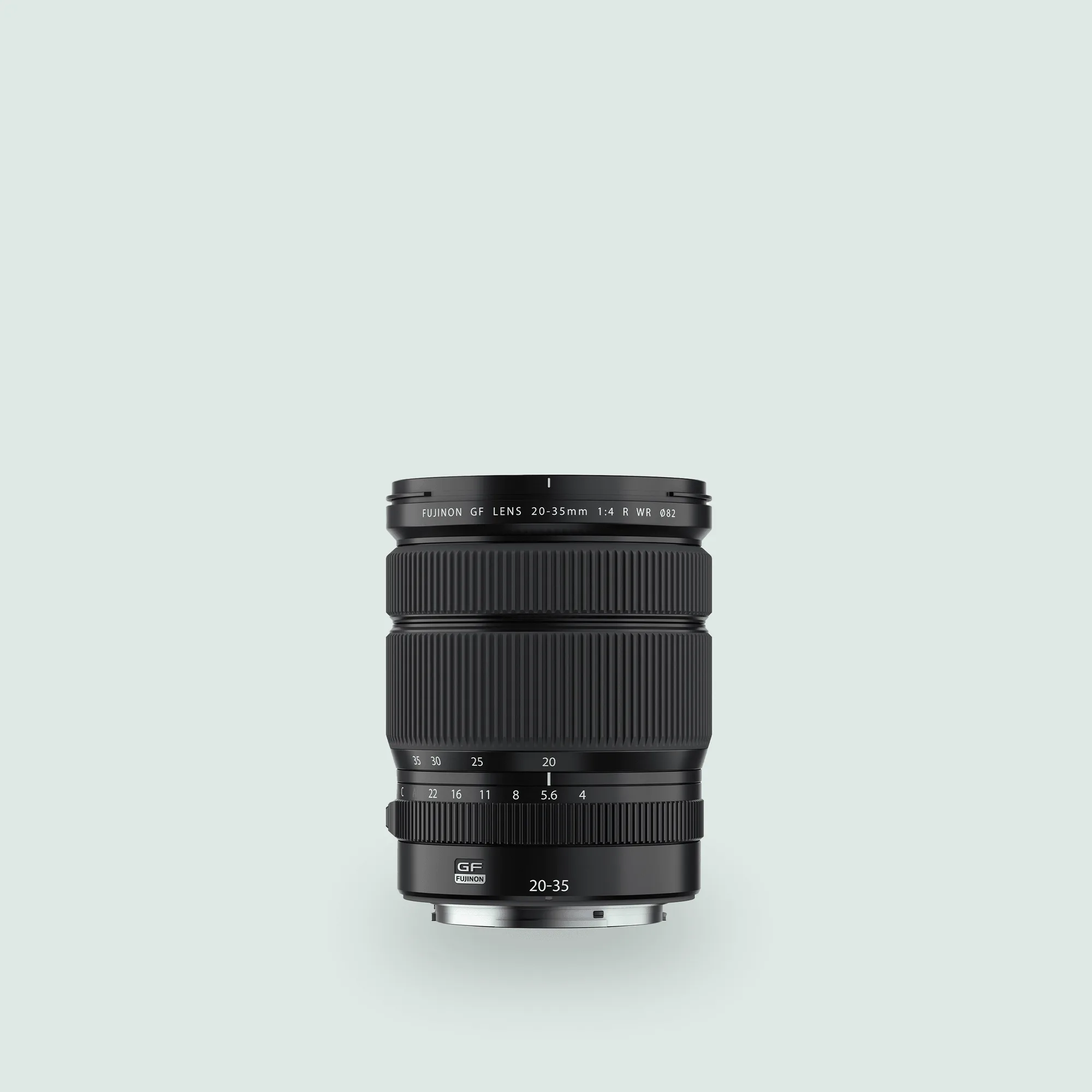
Buy the Fujinon GF 20-35mm F4 R WR if you shoot GFX landscapes, architecture, or interiors and want one compact, weather-resistant ultra-wide zoom instead of carrying two wide primes. Skip it if you mainly shoot at a single wide focal length, need a faster aperture for low light, or want to keep your wide-angle kit light and inexpensive. The GF 20-35mm is a dream focal range in a compact, light, and weather-resistant design, but it is a serious investment and it is not the right first wide lens for every GFX owner.
What the GF 20-35mm actually gives you in the field
The appeal of this lens is the range, not a single headline number. On GFX, 20-35mm covers the ultra-wide end of the spectrum, so you can hold one position and reframe a scene from an expansive foreground to a tighter wide composition without swapping optics. That matters most when you are working on a tripod in changing light, or when a location gives you limited room to back up.
Fujifilm describes it as a stunning ultra wide-angle zoom capable of producing outstanding images packed with colour and detail. In practice, that means the lens is built for photographers who want the wide end of their kit to be a working tool rather than a specialist accessory. It is also weather-resistant, which is the feature you will notice on the days when the sky is doing something interesting and you do not want to stop shooting.
Sharpness, flare, and the limits of what we can claim
Any honest assessment of GF 20-35mm sharpness and flare has to start with what is verifiable. The catalog facts for this lens describe the focal range, the compact and light build, and the weather-resistant design. They do not publish a resolution chart, a flare test, or an aperture-versus-corner-performance table. If you need those numbers before buying, the right move is to rent or borrow the lens and shoot your own scenes at the apertures you actually use.
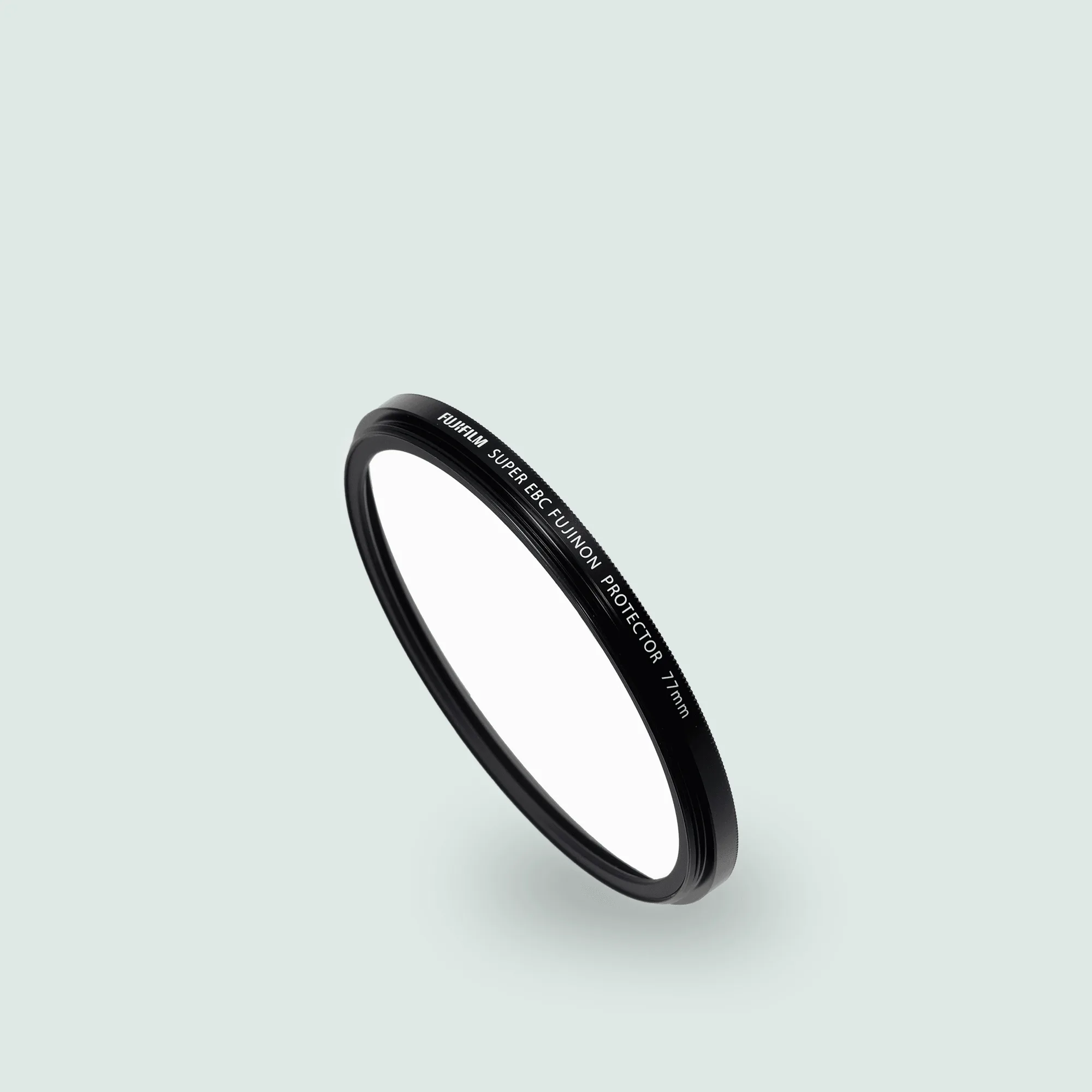
What you can reasonably plan for is behavior, not scores. Ultra-wide zooms place a lot of glass in front of the sensor, and wide scenes often include bright light sources near the frame edge. That is exactly the situation where a protection filter with good coating control helps, and it is also why you should test flare in your own conditions rather than assuming any lens is immune. Fujifilm's Super EBC coating on the PRF-77 is designed to limit harmful reflections by achieving a surface reflectivity of 0.3% or less, which is a useful complement to a wide zoom used outdoors.
Zoom or prime: the real decision
The GF 20-35mm versus a GF 23mm prime question is not about which lens is better. It is about whether you value flexibility or a single, deliberate focal length. A zoom lets you adjust framing without moving the tripod, which is a genuine advantage in tight interiors, on cliff edges, and in crowds. A prime asks you to move, which can produce more considered compositions and often a simpler, lighter bag.
If you already know your wide shots almost always happen at one focal length, a prime may serve you better and leave budget for other parts of your kit. If your wide work is varied, the zoom replaces multiple lenses and earns its place. The GF 20-35mm is a dream focal range in a compact, light, and weather-resistant design, and that combination is the strongest argument for choosing it over a single wide prime.
Protecting a wide front element and building a practical kit
Ultra-wide lenses have large, exposed front elements, and that is where accessories stop being optional. A protection filter keeps dust and dirt off the front element and reduces how often you need to clean it. The PRF-77 Fujinon Protection Filter is designed for exactly that job, and its Super EBC coating controls harmful borrowed light effectively. For a lens you will use in wind, salt air, or rain, that is cheap insurance.
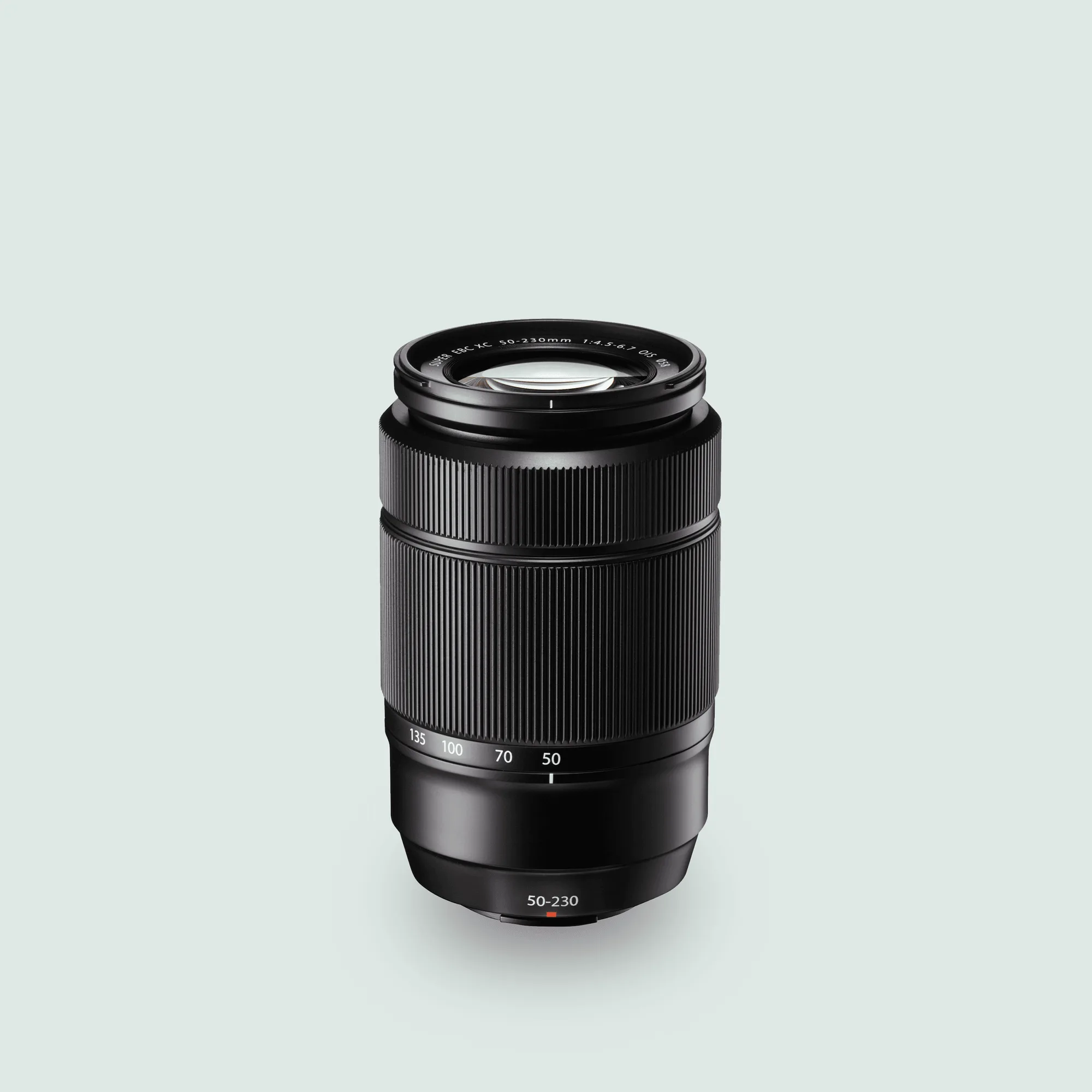
The rest of your kit should follow the same logic. If your wide work is on a tripod, budget for a stable head before you budget for a second wide lens. If you also shoot distant subjects, a telephoto zoom such as the FUJINON XC 50-230mm F4.5-F6.7 can cover the long end while the GF 20-35mm covers the wide end, although that lens is an X-series optic and belongs on a different body. Keep the wide and long roles separate rather than trying to make one lens do everything.
Decision rules for buying the GF 20-35mm
- If your wide work is varied and location-bound: Choose the GF 20-35mm. A zoom lets you reframe from one tripod position, which is the difference between getting the shot and packing up in tight interiors, on overlooks, and in crowds. Buy the zoom when flexibility at the wide end is the priority.
- If you shoot one wide focal length almost exclusively: A wide prime may suit you better. It can simplify your bag and leave budget for a tripod, filters, or a second lens that covers a gap you actually have. Do not buy a zoom for range you will not use.
- If you need a faster aperture for low light: The GF 20-35mm is an F4 lens. If most of your wide work happens in dim venues or at night without a tripod, check whether a faster wide option fits your needs before committing. Match the aperture to your real shooting conditions, not to a spec sheet.
- If you shoot in dust, rain, or salt air: Pair the lens with a protection filter such as the PRF-77 and a clear plan for cleaning and storage. The weather-resistant build helps, but the front element still needs protection. Budget for the filter at the same time as the lens.
- If you are unsure about sharpness and flare: Rent or borrow the lens and shoot your own scenes at the apertures you use. The catalog facts describe the range, build, and weather resistance, but they do not publish resolution or flare test data. Test before you buy when the numbers you want are not published.
Product facts that shape the decision
- FUJINON GF 20-35mm F4 R WR: GF20-35mmF4 R WR is a stunning ultra wide-angle zoom capable of producing outstanding images packed with colour and detail. A dream focal range in a compact, light, and weather-resistant design. This is the core case for the lens: one compact, weather-resistant ultra-wide zoom that covers a wide range of compositions instead of forcing lens changes in the field.
- PRF-77 Fujinon Protection Filter: The protector filter is designed to protect the lens from dust or dirt. The Super EBC (Electron Beam Coating) of these would control harmful borrowed light effectively. Super EBC is effectively limiting harmful reflections by achieving a surface reflectivity of 0.3% or less. A wide front element collects dust and stray light. A coated protection filter reduces cleaning frequency and helps control reflections when bright sources sit near the frame edge.
- FUJINON XC 50-230mm F4.5-F6.7: The telephoto zoom XC50-230mm F4.5-6.7 OIS II demonstrates advanced optical performance across its focal range, producing clear images even when your subject is a long distance away. Useful if you want a long companion lens for distant subjects, but it is an X-series lens, so it pairs with an X body rather than a GFX body. Plan your system around the right mount.
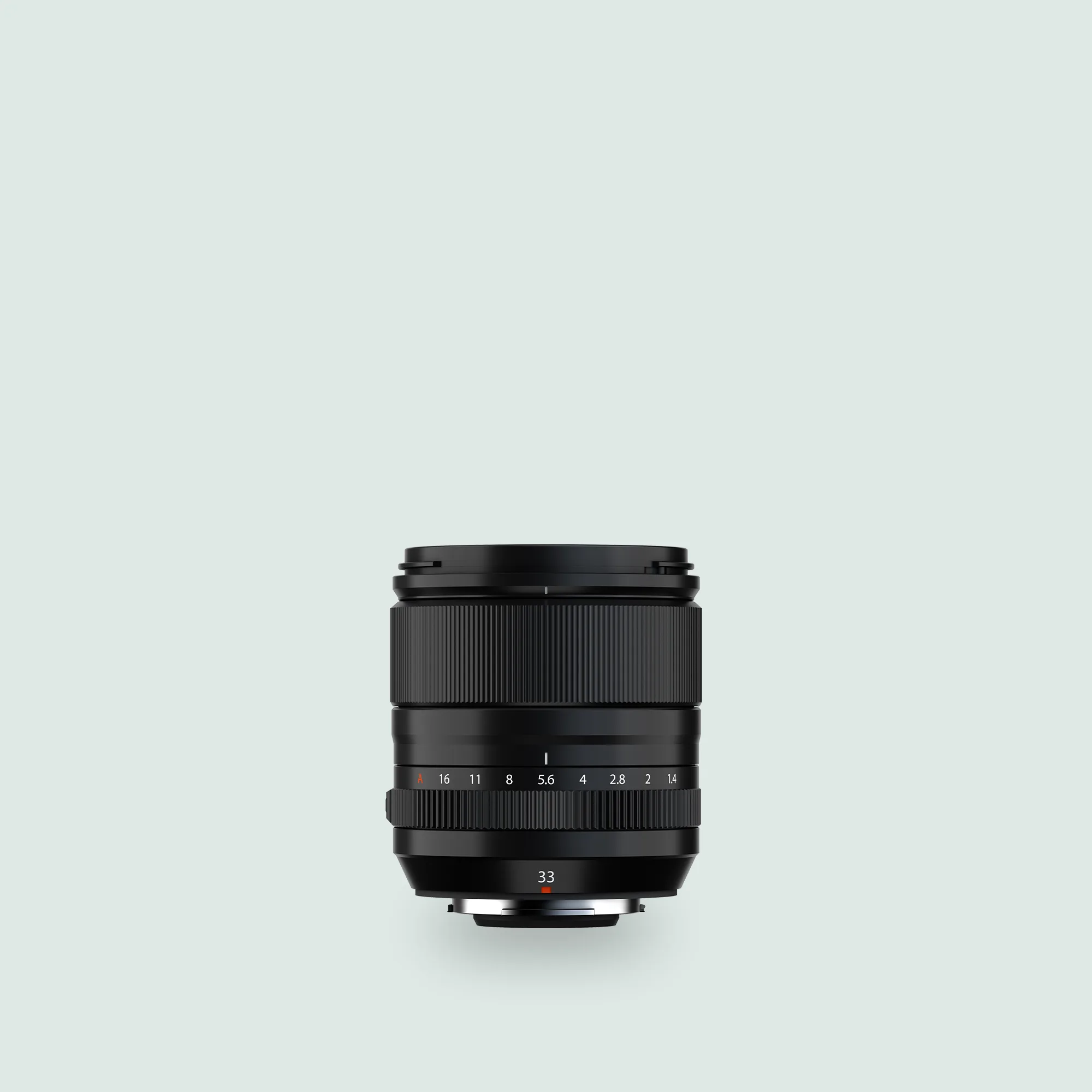
- FUJINON XF 33mm F1.4 R LM WR: With results that must be seen to be believed, XF33mmF1.4 R LM WR brings together decades of precision engineering, cutting edge technology, and carefully refined manufacturing processes to usher in a new era of optical brilliance and performance. A fast X-series standard prime for low-light and everyday work. It is not a GFX wide-angle alternative, but it is a sensible second body option if you shoot both systems.
Who should buy it, and who should not
Best for
- GFX landscape photographers who want one compact, weather-resistant ultra-wide zoom instead of multiple wide primes
- Architecture and interior shooters who need to reframe from a fixed position without changing lenses
- Travelers who want the wide end of their kit to be light and ready for changing weather
Not for
- Photographers who shoot almost everything at a single wide focal length and would rather carry a prime
- Low-light shooters who need a faster aperture than F4 for handheld wide work
- Buyers who have not yet confirmed that ultra-wide framing suits their subject matter