Quick answer
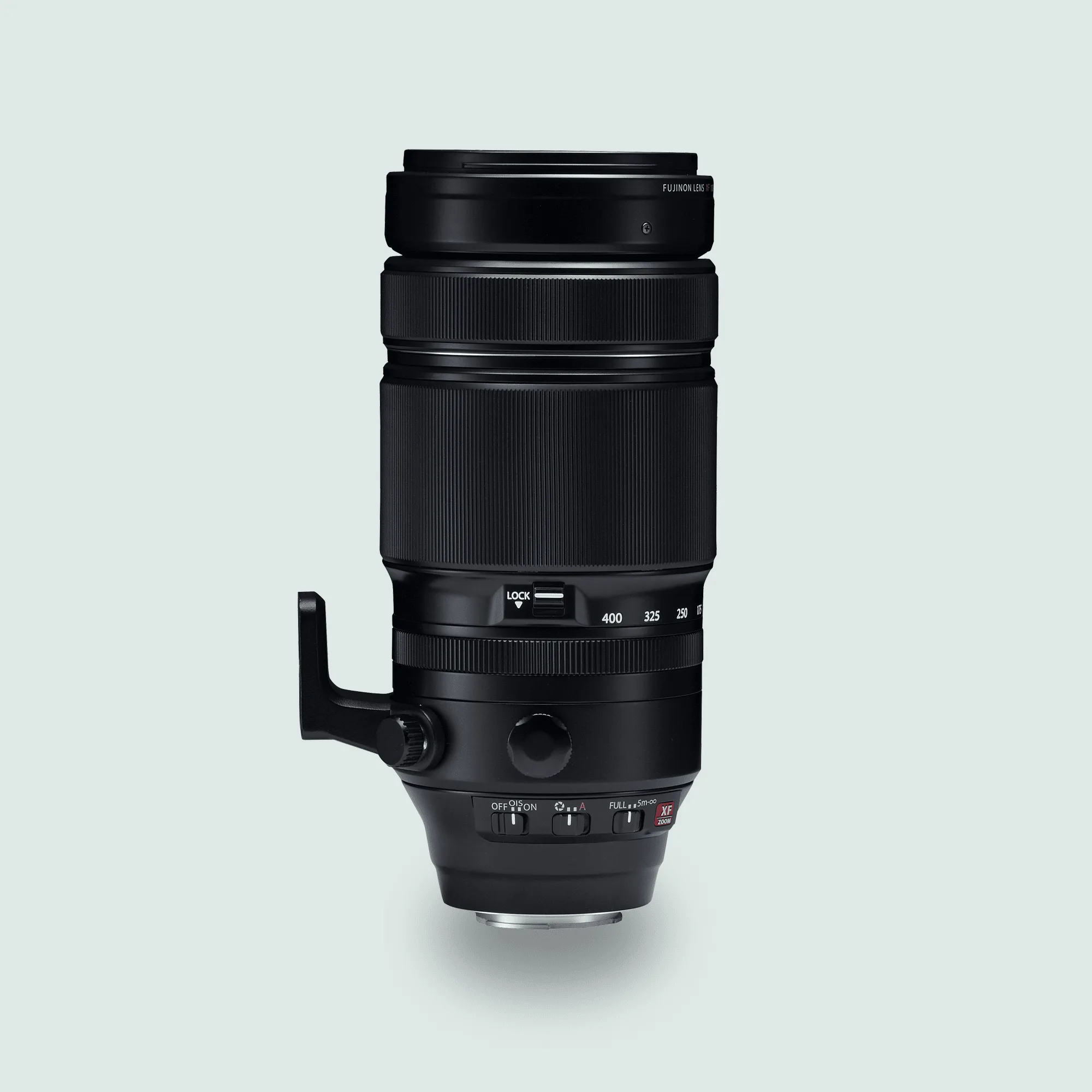
Start with the FUJINON XF 100-400mm F4.5-5.6 R LM OIS WR on a body you can handhold or brace comfortably, set OIS to continuous for tracking or shooting-only for static subjects, and keep shutter speed at roughly 1/500 sec or faster at 400mm. Then practice your long-range field routine before you rely on it with moving birds or wildlife.
Match the lens to the distance you actually shoot
The XF 100-400mm covers a 35mm equivalent of 152-609mm, so it is built for subjects you cannot approach closely. Before changing settings, decide whether your typical shot is a bird at distance, a mammal at mid-range, or a compressed landscape detail. That choice affects how much you zoom, how steady you need to be, and whether you should carry support.
If your subjects are usually within a few meters, a shorter telephoto may be easier to handle. The 100-400mm earns its place when you need reach and can accept the weight and balance of a super telephoto zoom.
Set stabilization for the way you track
The lens includes Optical Image Stabilization, and the right mode depends on whether your subject is moving. For birds in flight or running animals, use continuous stabilization so the viewfinder stays stable while you pan. For perched birds or resting wildlife, shooting-only stabilization can reduce the chance of drift just before the exposure.
A common mistake is leaving stabilization in a mode that fights your panning. If the image in the viewfinder feels like it is resisting your movement, switch modes rather than adding more support.
Build a field routine that protects sharpness
Long-range photography rewards repetition. Arrive with your lens hood attached, your focus limiter set for the distance range you expect, and your exposure already close so you are not fumbling when a subject appears. Brace your elbows against your body or a support, exhale, and squeeze the shutter rather than stabbing it.
At 400mm, small movements become large ones. If you frequently shoot at the long end, consider a monopod or a tripod with a suitable head, and practice balancing the lens so you can follow a moving subject without fighting the rig.
Know what the lens does and does not solve
The XF 100-400mm is a super telephoto zoom with a high-performance optical construction designed to reduce chromatic aberration common in telephoto lenses, and it delivers the highest image quality in its class according to the catalog description. That helps with color fringing and clarity, but it does not replace good light, steady technique, or patience.
The catalog does not list maximum magnification, minimum focus distance, or filter size for this lens, so check those details against your own workflow if macro-style close focusing or a specific filter system matters to you.
Step-by-step wildlife setup
- Balance the lens on your support: Attach the tripod collar foot to your monopod or tripod head and slide it to the balance point before tightening. A nose-heavy 100-400mm will creep and blur long exposures. Checkpoint: with the clamp loose, the lens should stay roughly level on its own.
- Choose an OIS mode for the subject: Use continuous stabilization for panning birds and running animals, and shooting-only stabilization for perched or stationary subjects. Checkpoint: if the viewfinder fights your pan, change the mode before adding support.
- Set shutter speed and drive for the distance: Start around 1/500 sec or faster at 400mm, then raise it for fast wingbeats or running animals. Use burst drive so you capture the peak moment rather than a single guess. Checkpoint: review one frame at 100% before committing to a long sequence.
- Pre-focus and use the limiter: Focus on a likely perch or trail, set the focus limiter to match your working distance, and wait with the camera ready instead of chasing focus across the full range. Checkpoint: if focus hunts past your subject, the limiter is set for the wrong distance range.
- Shoot with breathing and follow-through: Exhale, squeeze the shutter, and keep tracking for a beat after the burst ends. Stopping your pan too early is a common cause of soft long-range frames. Next step: review your keepers, then adjust shutter speed or support before the next encounter.
Product facts
- FUJINON XF 100-400mm F4.5-5.6 R LM OIS WR: The FUJINON XF 100-400mm F4.5-5.6 R LM OIS WR is a super telephoto zoom covering a 35mm equivalent of 152-609mm. That reach is the core reason to choose this lens for long-range bird and wildlife work where you cannot get closer.
- FUJINON XF 100-400mm F4.5-5.6 R LM OIS WR: Its high-performance optical construction is designed to reduce chromatic aberration often seen in telephoto lenses and delivers the highest image quality in its class. Cleaner color and detail at long focal lengths means less correction work after a day in the field.
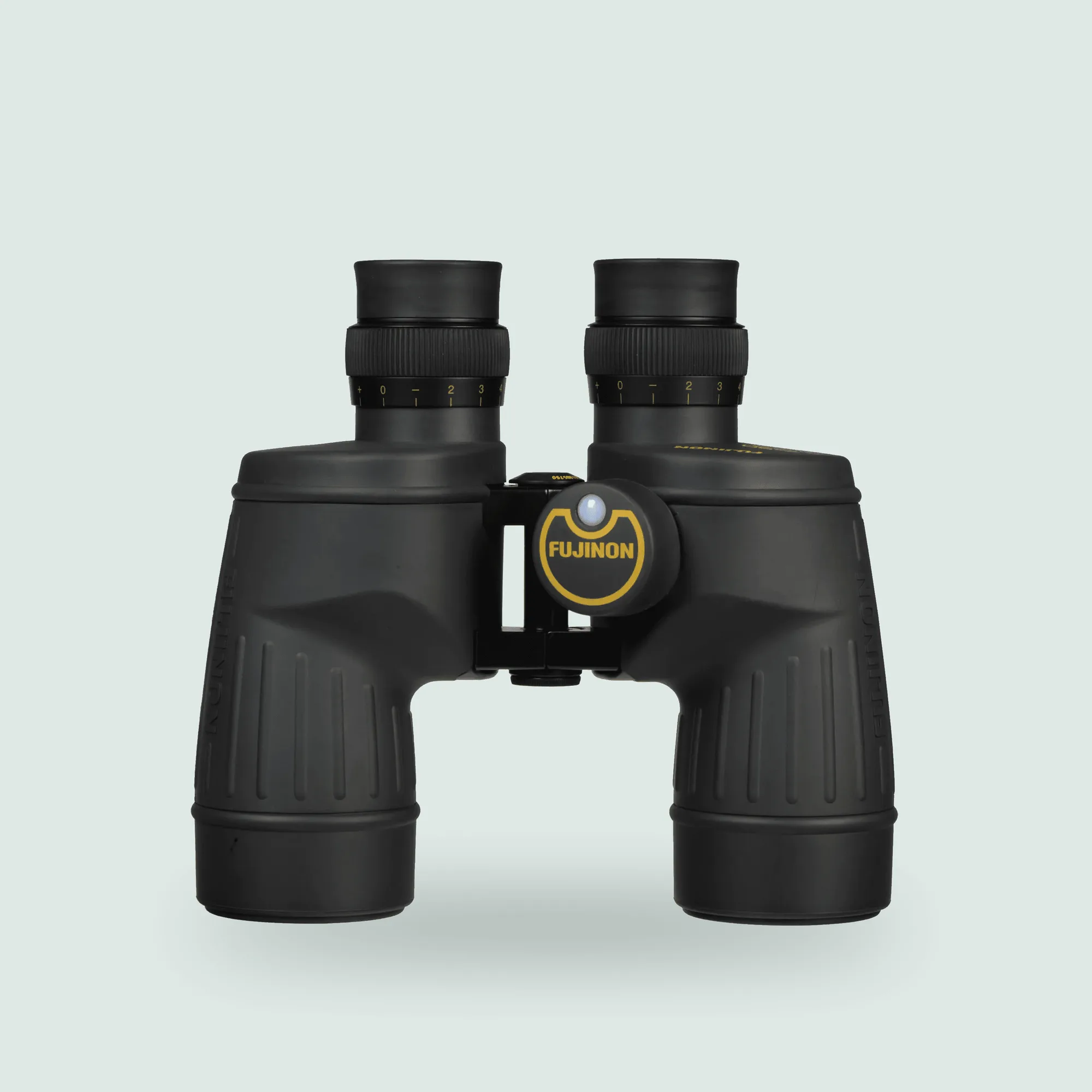
- FUJINON 7X50 FMTRC-SX2 Binoculars with compass: The FUJINON 7X50 FMTRC-SX2 binoculars use a field flattener lens and EBC multi-coating for a sharp, bright field of view, with a waterproof body rated for -20°C to +50°C. A stable, weather-resistant binocular helps you spot and track wildlife before you raise the camera, which is often the difference between a missed frame and a clean shot.