Quick Answer
Choose the FUJINON XF 150-600mm if you need extreme reach for wildlife or sports on an X-series body; choose the GF 100-200mm if you shoot medium format and want a versatile telephoto zoom that stays hand-holdable.
Reach vs. Format: The Core Trade-off
The most obvious difference is focal length. The XF 150-600mm offers up to 600mm reach, ideal for distant subjects like birds or field sports. The GF 100-200mm covers a shorter range but is designed for Fujifilm's medium format GFX system, where the larger sensor changes the field of view and image character.
Your camera system is the first filter. The XF lens fits X-mount cameras, while the GF lens is made for GFX bodies. If you own both systems, you can decide based on the shooting situation; if you own only one, that largely settles the matter.
Weight and Portability: A Surprising Similarity
Despite the difference in reach, both lenses are relatively light for their class. The XF 150-600mm weighs about 1,605g, around 20% lighter than similar super telephoto zooms, making it practical for long days in the field. The GF 100-200mm is also designed for hand-held use, with optical stabilization to keep images sharp without a tripod.
If you're hiking or moving between locations, both lenses are manageable, but the XF's lighter-than-average build is a standout for its focal length.
How to Choose: Trade-offs and Decision Rules
- Reach vs. Flexibility: If your priority is capturing distant subjects, the XF 150-600mm's 600mm reach is unmatched. If you need a more flexible range for portraits, landscapes, or events, the GF 100-200mm offers a practical zoom range on medium format. List the subjects you shoot most and see which focal length covers them.
- System Compatibility: The XF lens is for X-mount cameras; the GF lens is for GFX medium format. If you're building a system, choose the lens that matches your body. If you own both, consider which system you use more for telephoto work. Check your camera mount before making a decision.
- Portability vs. Stabilization: The XF is lighter than comparable super telephoto lenses, making it a good travel companion. The GF includes optical stabilization, which helps keep hand-held shots sharp. Choose based on whether you prioritize weight or in-lens stabilization. Think about how you'll carry the lens and how often you shoot hand-held.
Lens Facts at a Glance
-
FUJINON XF 150-600mm F5.6-8 R LM OIS WR: At 1,605g it is approximately 20% lighter than other lenses with similar focal ranges and features a fluorine-coated front element and weather resistant construction. You can carry it longer and shoot in challenging conditions without worrying about dust or light rain.
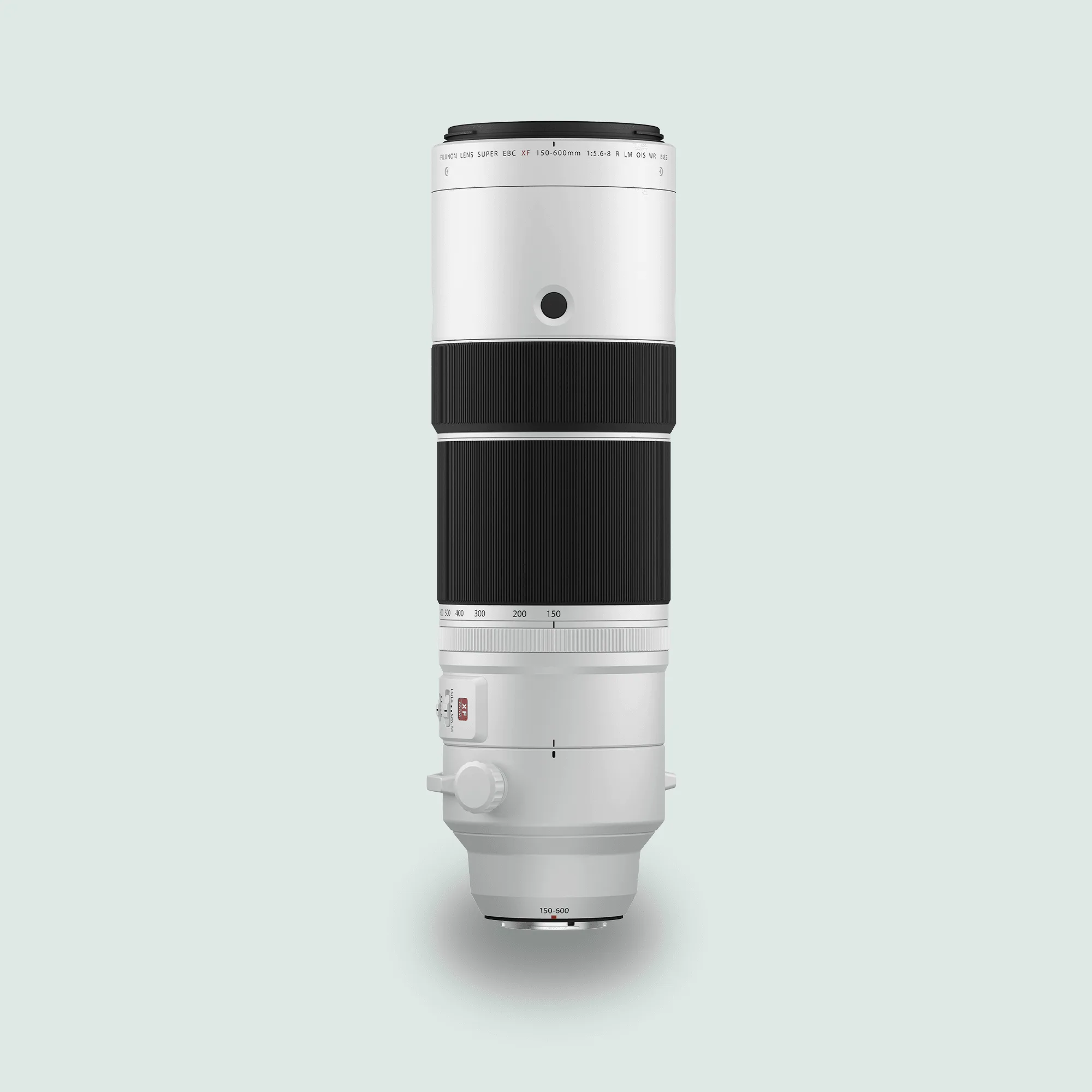
FUJINON XF 150-600mm F5.6-8 R LM OIS WR
-
FUJINON GF 100-200mm F5.6 R LM OIS WR: A large format, optically stabilised telephoto zoom lens that will keep hand-held images steady and sharp. It lets you shoot hand-held in lower light or at slower shutter speeds, which is especially useful for medium format work.
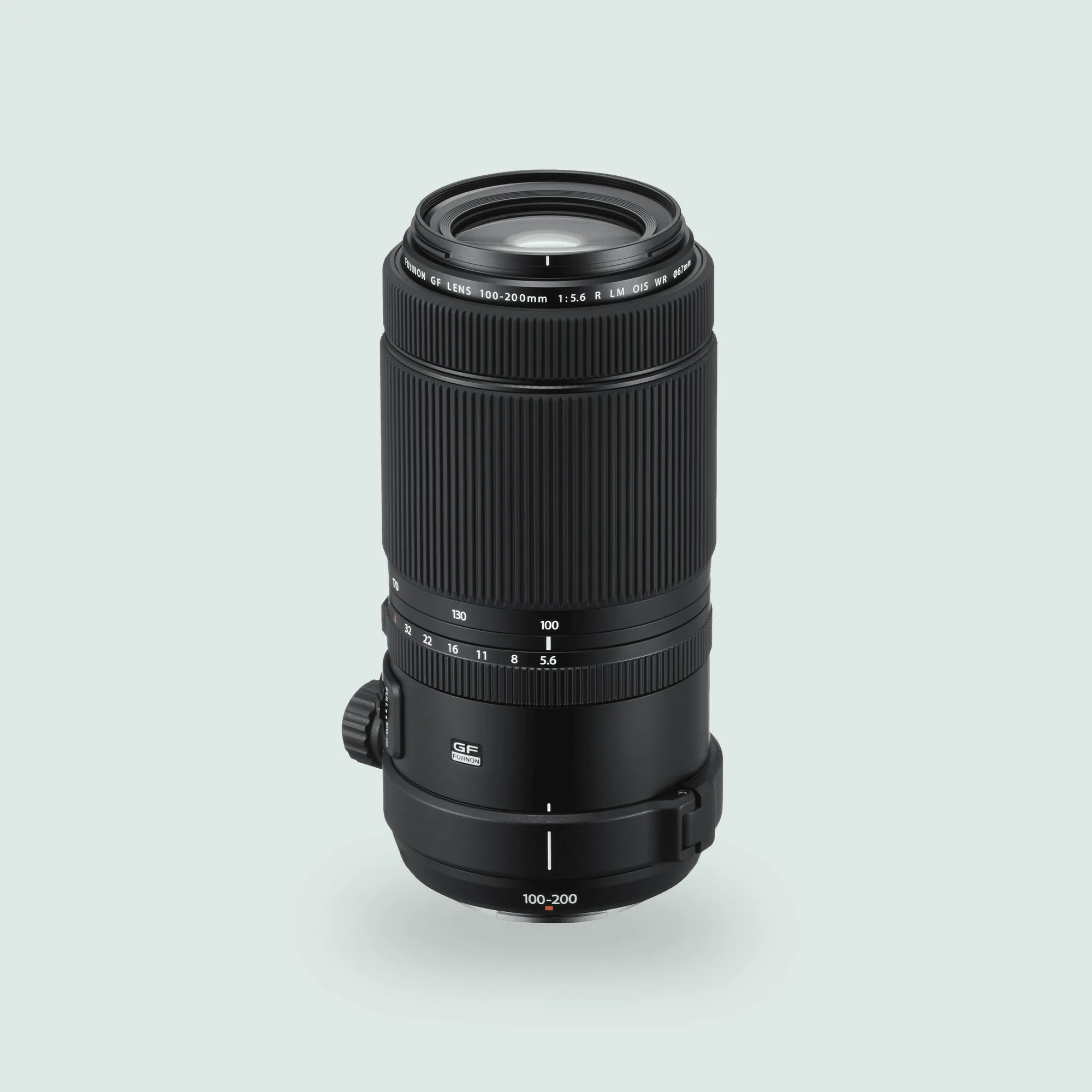
FUJINON GF 100-200mm F5.6 R LM OIS WR
Which Lens Fits You?
Best for
- Wildlife and sports photographers using X-mount cameras who need extreme reach in a lighter package
- GFX shooters who want a versatile telephoto zoom for travel, portraits, and landscapes with hand-held convenience
Not for
- X-mount shooters who need a compact, all-purpose zoom rather than a super telephoto
- GFX shooters who require focal lengths beyond 200mm for distant subjects